|
Published on Jun 25, 2026
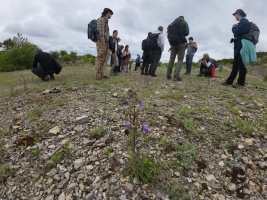
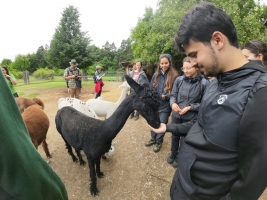
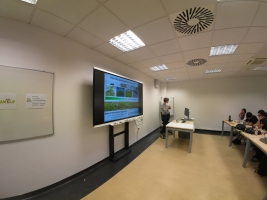
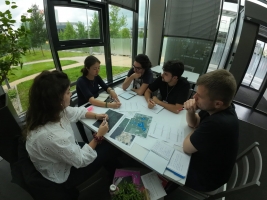
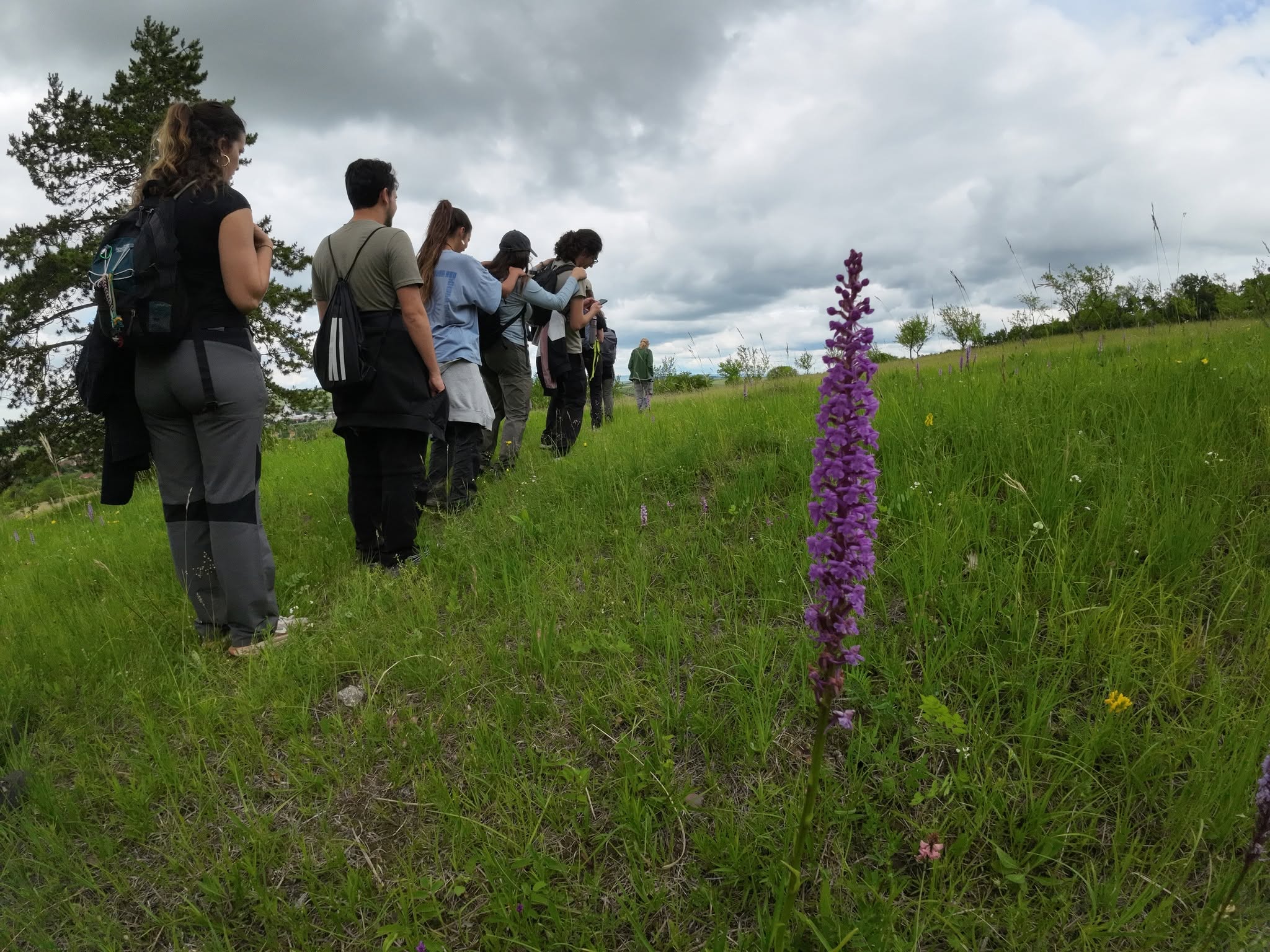
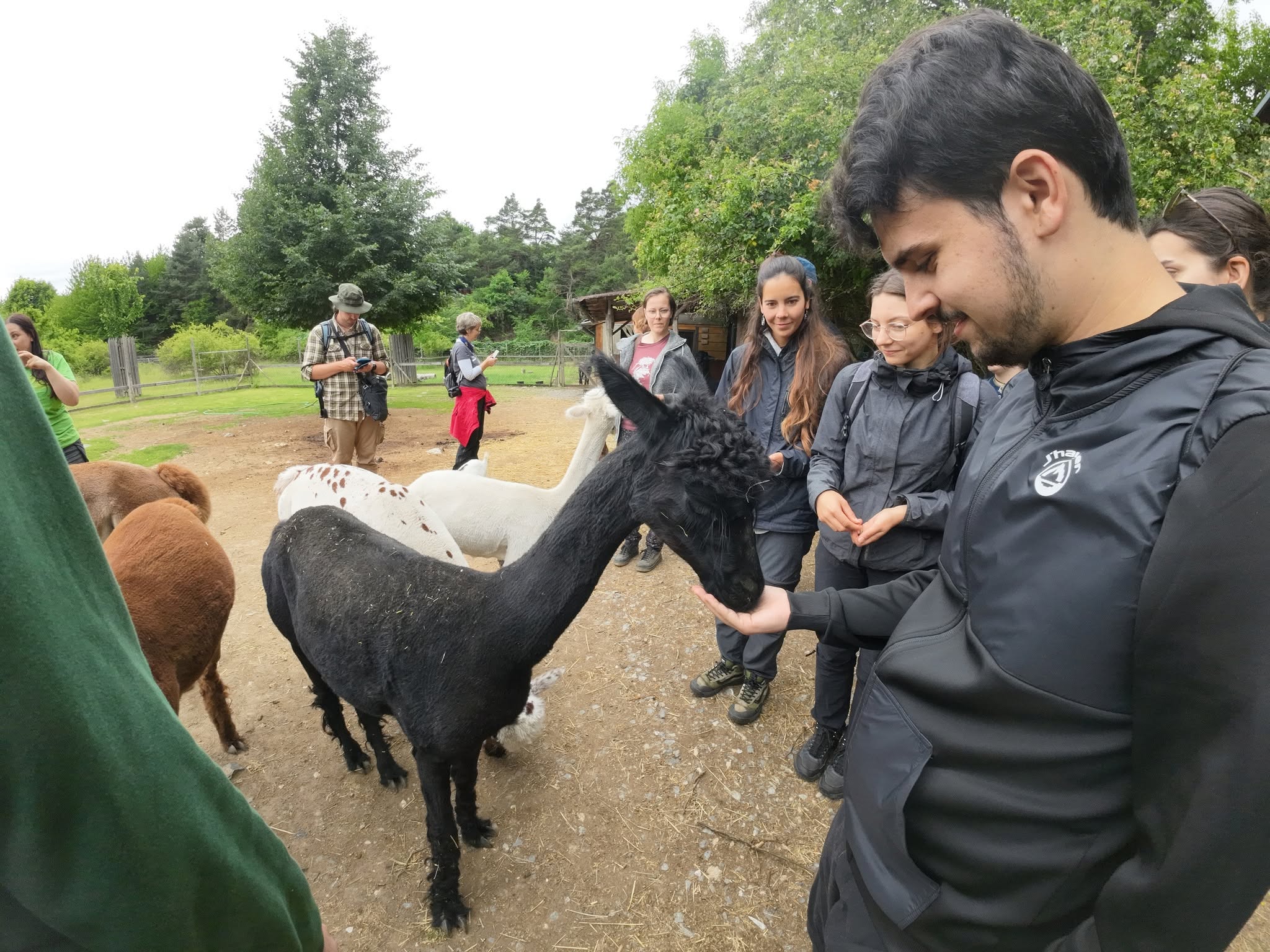
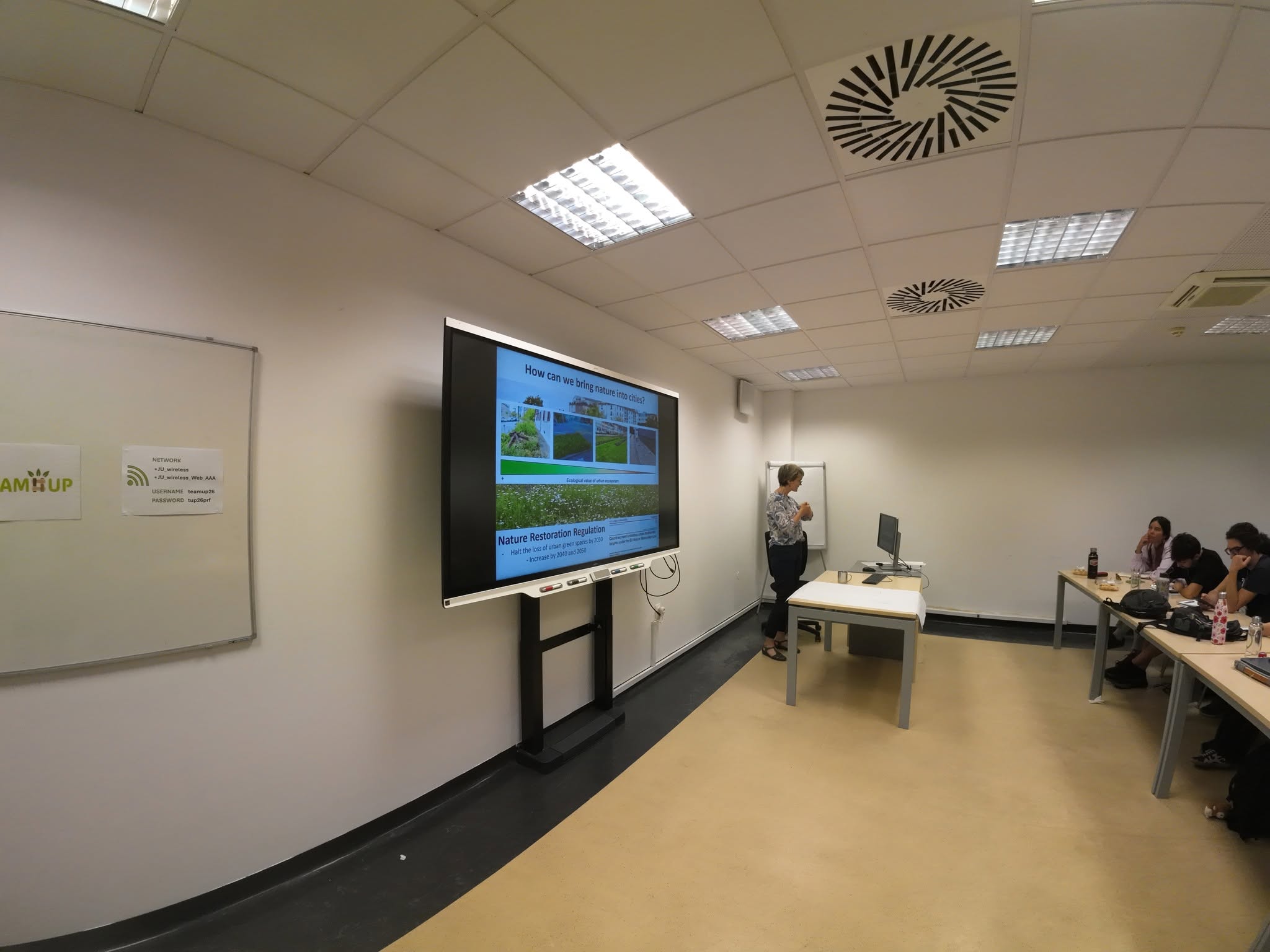
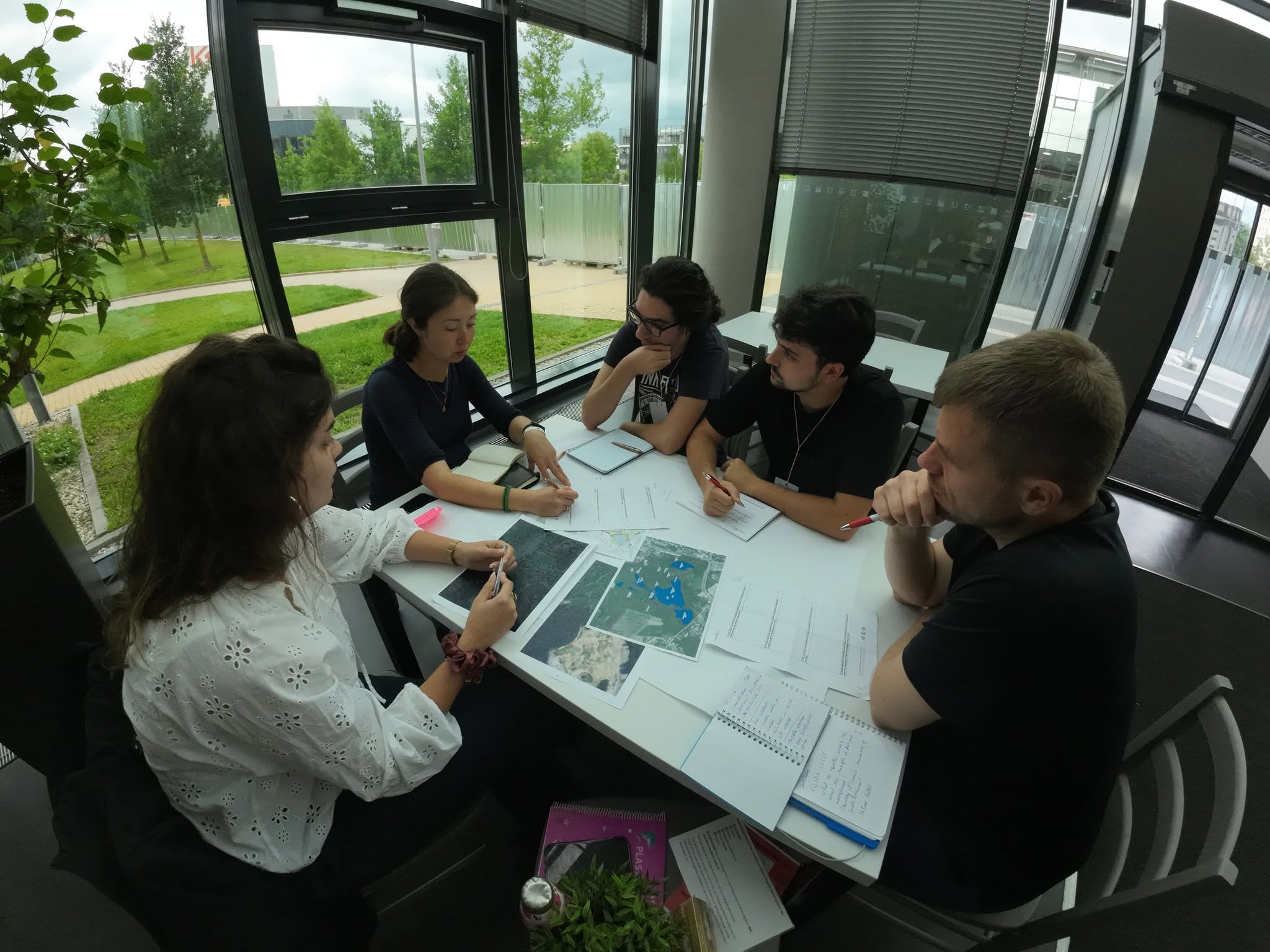
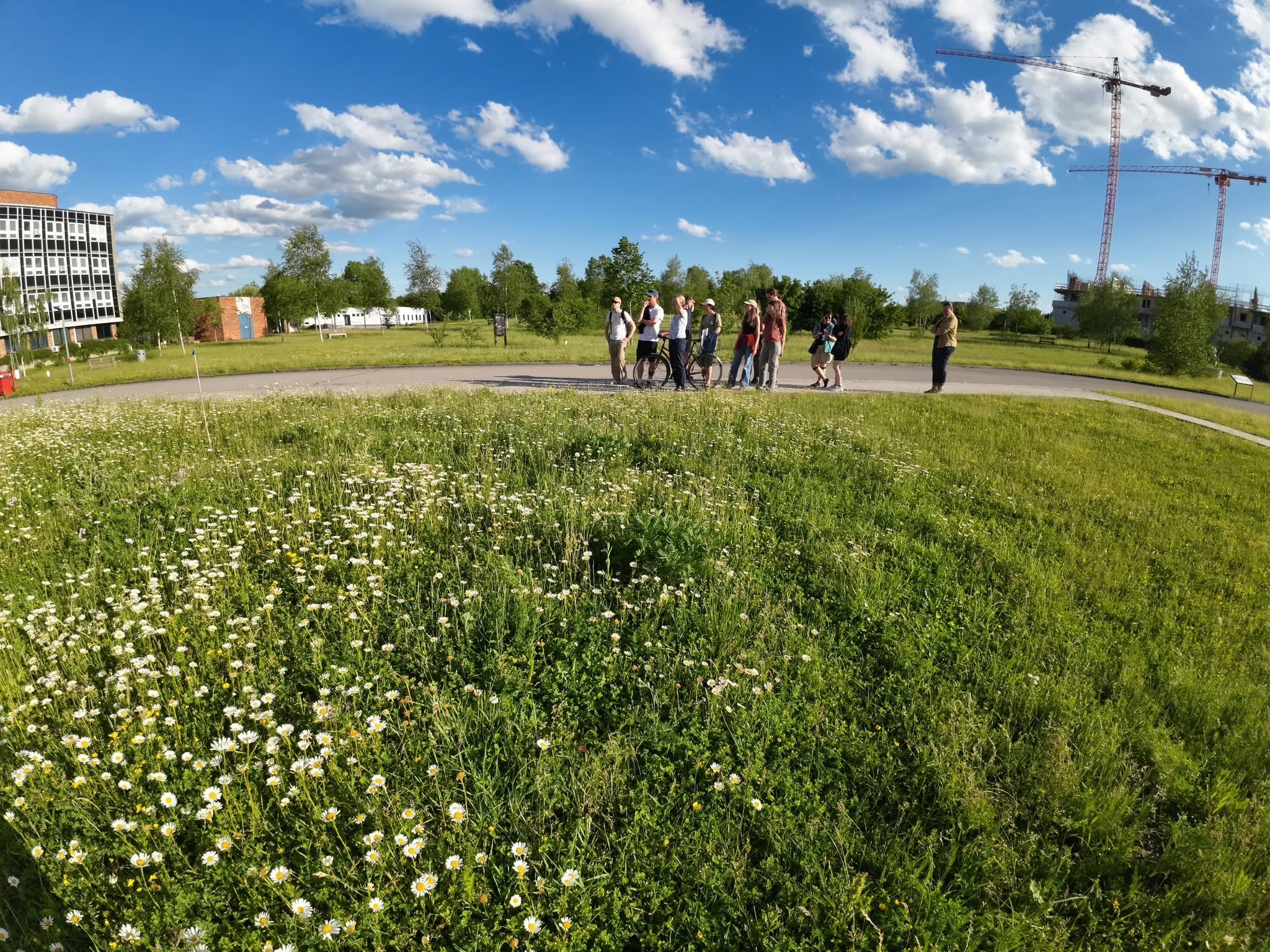
 At the beginning of June, the Restoration Ecology Working Group at the Department of Botany, Faculty of Science, University of South Bohemia, held a week-long international course on ecological restoration that guided university students from Spain, Germany, the Czech Republic, and Norway through the theoretical and practical aspects of this rapidly developing field. Students from different countries prepared for the course by developing their own restoration projects, focusing on a variety of habitats and environmental challenges. The most successful students were then invited to present their projects in person. During the meeting in the Czech Republic, they also expanded their understanding of restoring various types of habitats typical of the temperate zone. With the recent adoption of the European Nature Restoration Regulation, it is becoming increasingly clear that sharing knowledge and practical experience is essential for achieving high-quality habitat restoration. At the beginning of June, the Restoration Ecology Working Group at the Department of Botany, Faculty of Science, University of South Bohemia, held a week-long international course on ecological restoration that guided university students from Spain, Germany, the Czech Republic, and Norway through the theoretical and practical aspects of this rapidly developing field. Students from different countries prepared for the course by developing their own restoration projects, focusing on a variety of habitats and environmental challenges. The most successful students were then invited to present their projects in person. During the meeting in the Czech Republic, they also expanded their understanding of restoring various types of habitats typical of the temperate zone. With the recent adoption of the European Nature Restoration Regulation, it is becoming increasingly clear that sharing knowledge and practical experience is essential for achieving high-quality habitat restoration.
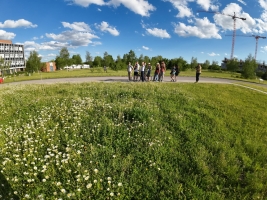
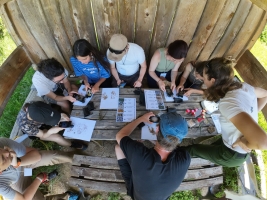
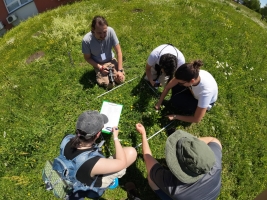
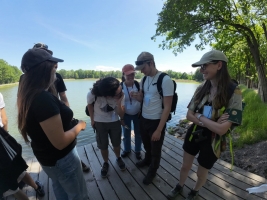
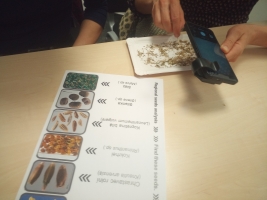
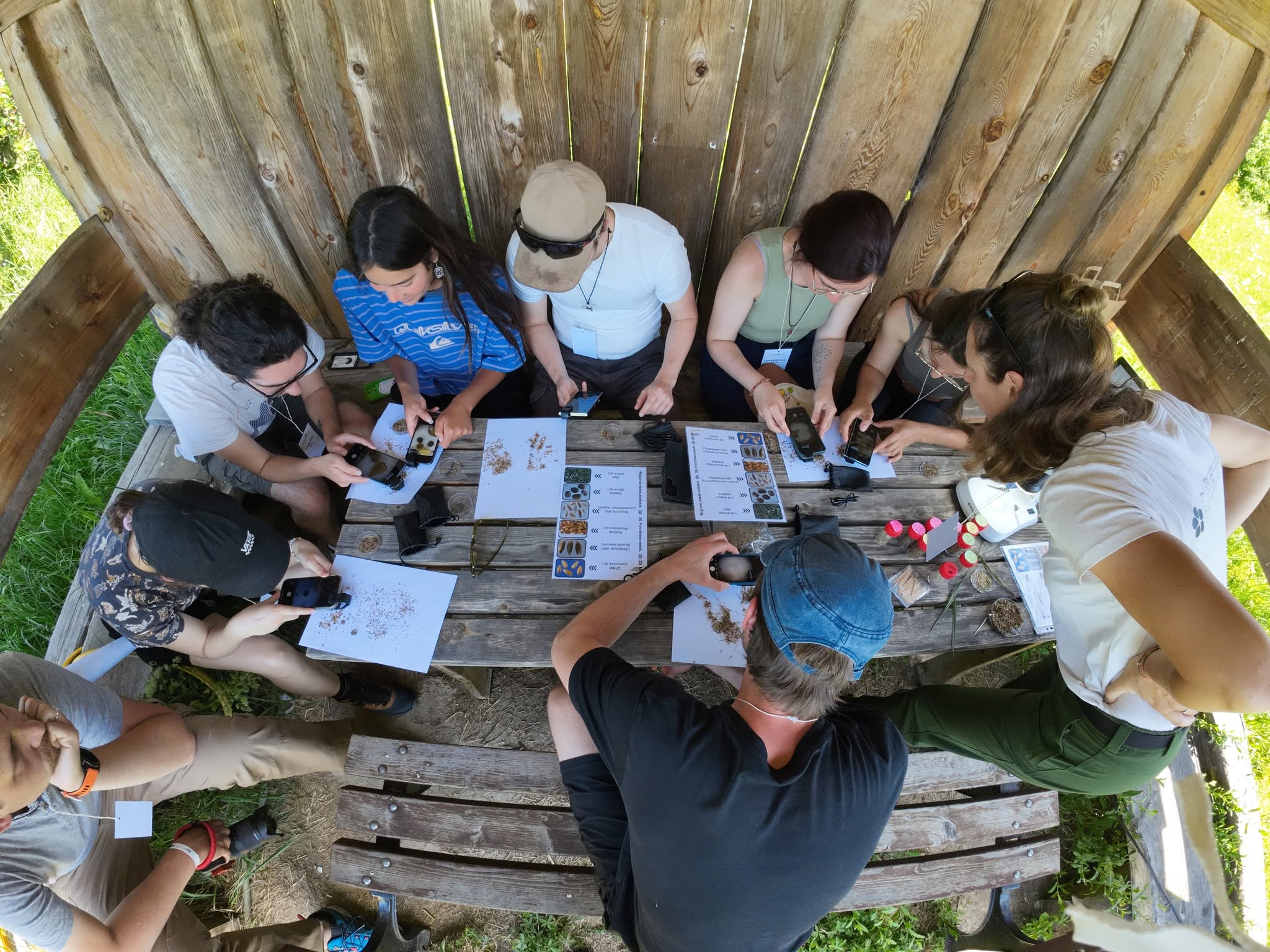
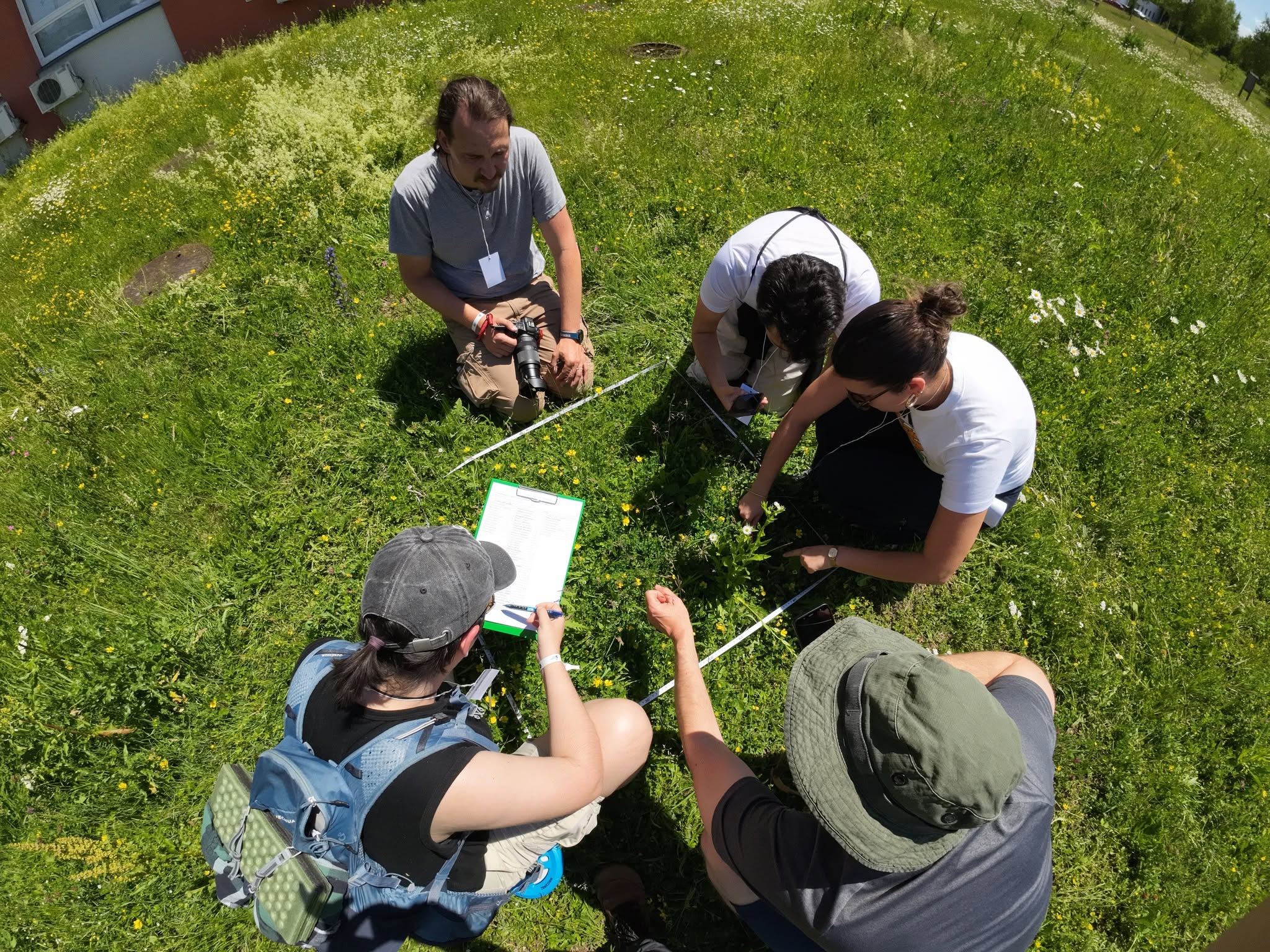
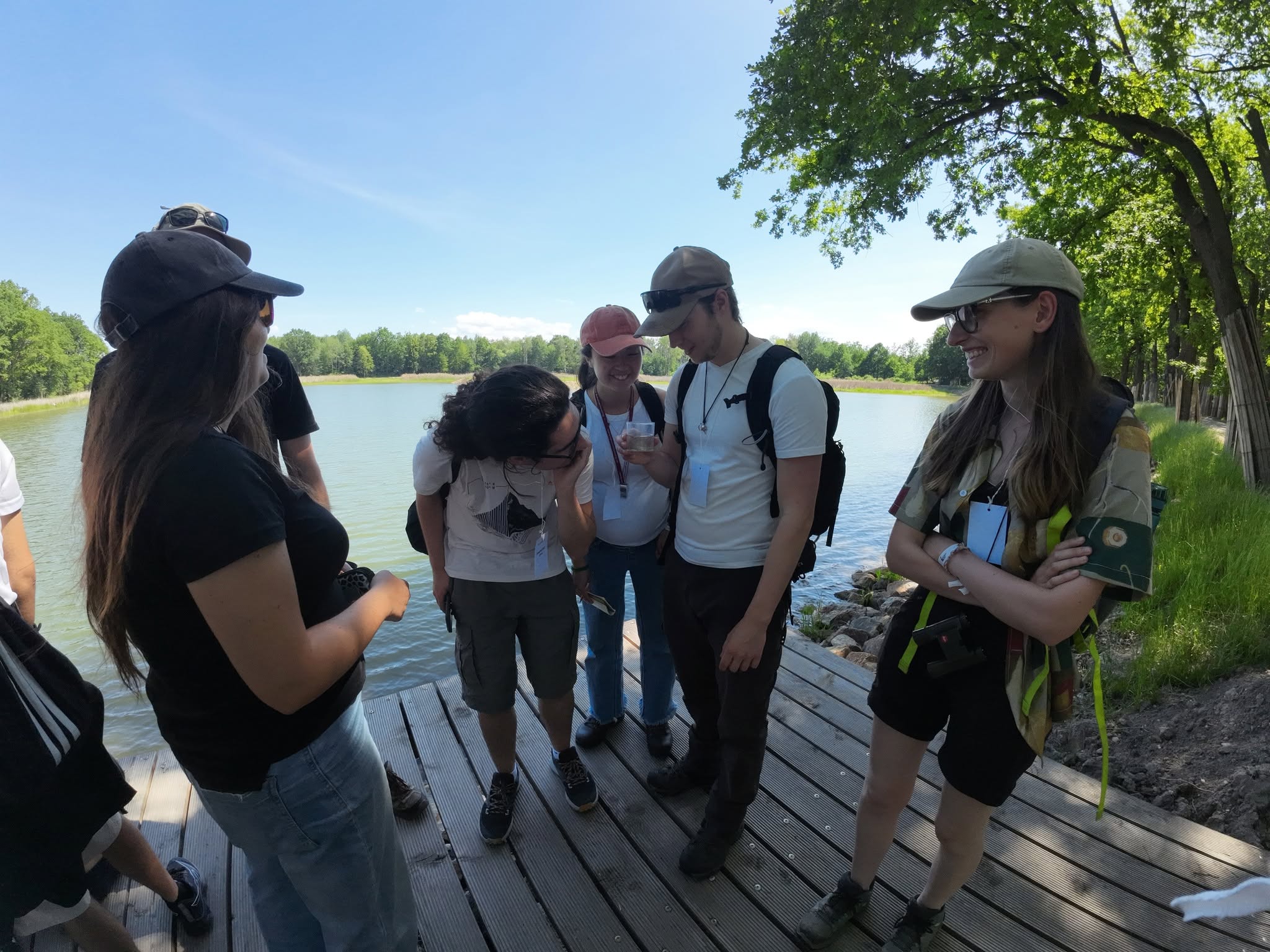
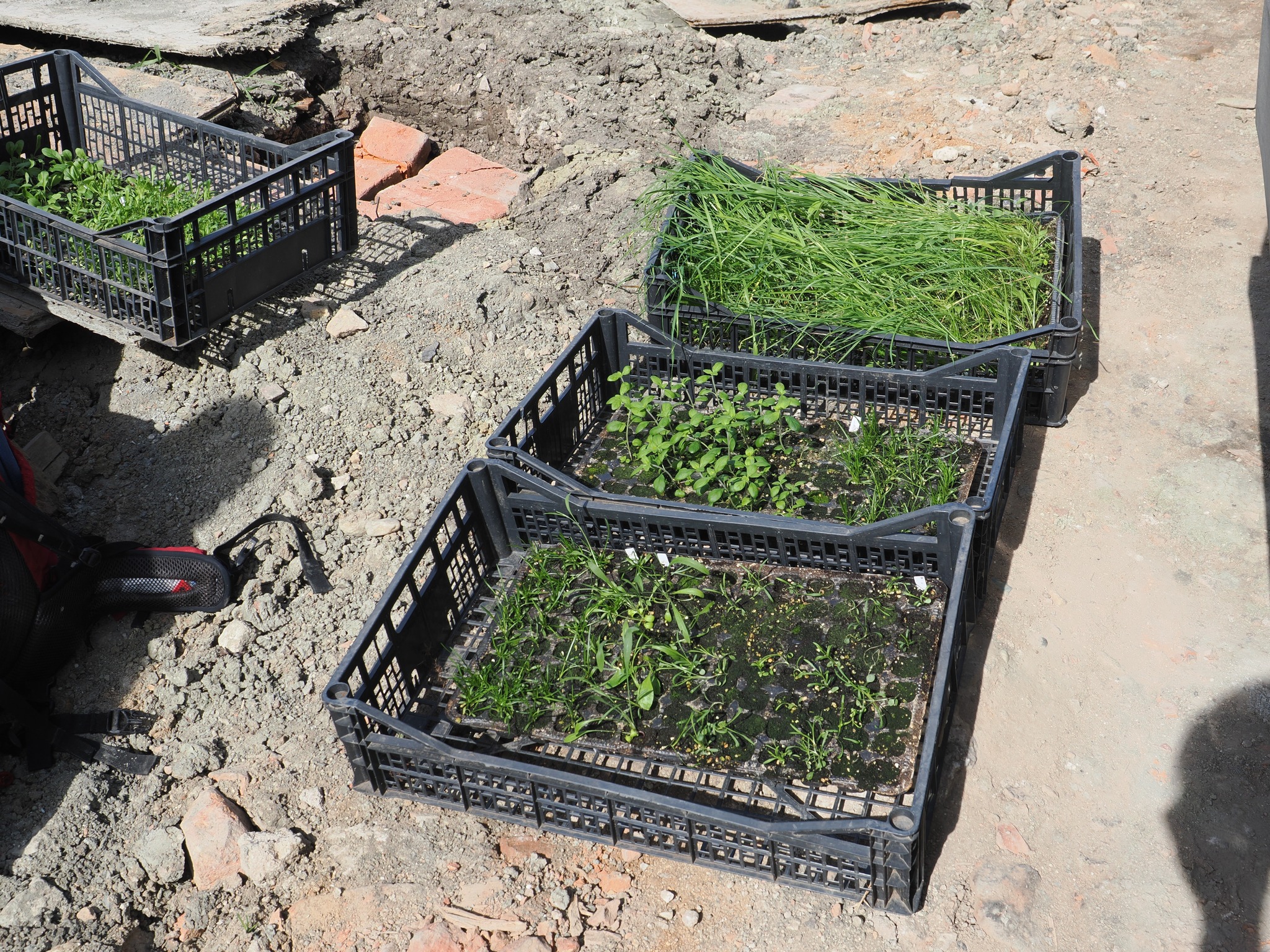
Throughout the week, students took part in a diverse program focused on restoration ecology—from urban green spaces and species-rich meadows to wetlands, post-mining sites, and large-scale landscape restoration in the unique White Carpathians region. In addition to lectures, students had the opportunity to gain hands-on experience. They worked through all stages of restoring a species-rich meadow: identifying a suitable donor site, collecting seeds, analyzing the material they had gathered, preparing the restoration site, sowing, and finally evaluating the success of the restoration. The students also visited the Vrbenské Ponds Nature Reserve, where they were tasked with assessing the effectiveness and success of restoration efforts in part of the area. They later presented their findings to their peers, identifying several issues that could hinder the achievement of the intended restoration goals.
Here are some of the key insights we explored throughout the week:
Less is more: Before starting restoration, identify limitations and consider whether natural processes can achieve the desired outcomes. Sometimes intervention is not the best solution.
All in good time: Restoration takes patience. Long-term monitoring, realistic targets, reliable indicators, and adaptive management are all essential.
Maintain continuity: Think about connectivity in both space and time. Healthy landscapes need connected habitats and sites at different stages of succession.
Disturbance is not the same as catastrophe: Natural disturbances can create opportunities for biodiversity. Heterogeneity and geodiversity are often the foundations of resilient ecosystems.
The quality of the surroundings matters: Successful restoration depends not only on the site itself but also on the surrounding landscape and nearby source populations that enable species colonisation.
Practice makes perfect: Sharing failures can be just as valuable as sharing successes. Learning from mistakes helps improve restoration practice.
Stay enthusiastic and have fun: Hands-on experiences are among the best ways to learn. And don't hesitate to stay connected with the restoration community: we're a friendly bunch, as you already know!
It was an intense week, but we believe the students enjoyed it just as much as we did. More importantly, they are taking away valuable knowledge and new connections that they can use both at home and in their future careers.
Perhaps the best news of all is that many students said during the final reflection session that they would like to stay in this field. The future of restoration ecology therefore looks more than promising.
 
Published on Jun 7, 2026
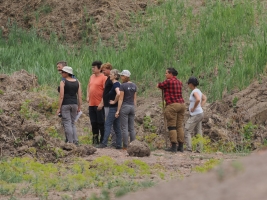
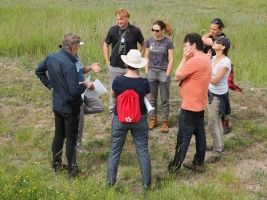
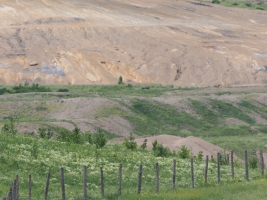
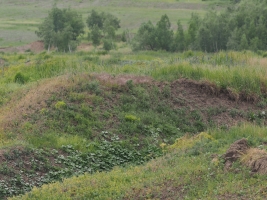
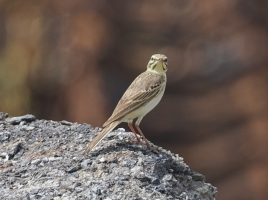
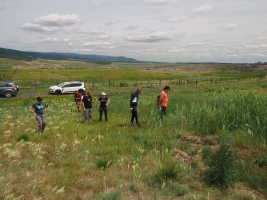
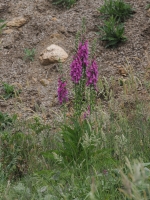
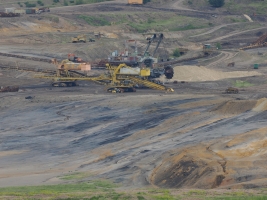
 Many human-influenced habitats remain overlooked athough they have a great potential for nature conservation. We recognized this again during yesterday’s field trip to the Czechoslovak Army (ČSA) quarry, specifically to the area designated as a National Natural Monument. These habitats do not fit into the traditional categories we use to assess biotopes in the landscape; they do not form classic, relatively well-defined vegetation units, but rather often consist of various combinations of species, geomorphological features, site moisture conditions, successional stages, and different types of disturbance that determine the development of these areas. Many human-influenced habitats remain overlooked athough they have a great potential for nature conservation. We recognized this again during yesterday’s field trip to the Czechoslovak Army (ČSA) quarry, specifically to the area designated as a National Natural Monument. These habitats do not fit into the traditional categories we use to assess biotopes in the landscape; they do not form classic, relatively well-defined vegetation units, but rather often consist of various combinations of species, geomorphological features, site moisture conditions, successional stages, and different types of disturbance that determine the development of these areas.
Thanks to a meeting of experts who study anthropogenic habitats, as well as those involved in biotope mapping, we were able to identify a direction to take in classifying these underappreciated habitats. We then tested together, right in the field, what such a classification of anthropogenic biotopes might look like. We are now facing our first season of creating and testing this pilot classification system directly at the ČSA quarry, and there’s no doubt there will be plenty of surprises.
Published on May 14, 2026
Published on Apr 9, 2026
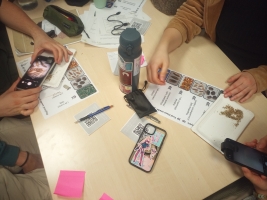
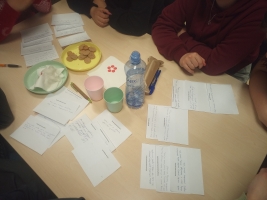
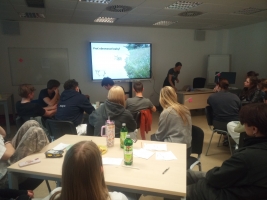
 Last year was a pivotal one for the TEAM#UP project. We launched a platform featuring educational materials on ecological restoration, which are currently undergoing revisions. Feedback on the Czech materials consistently highlighted the need for better methodological guidance for teachers, particularly regarding practical activities. That is why, this year, in collaboration with external colleagues, we have further refined the materials to make them easier to use in the classroom. Last year was a pivotal one for the TEAM#UP project. We launched a platform featuring educational materials on ecological restoration, which are currently undergoing revisions. Feedback on the Czech materials consistently highlighted the need for better methodological guidance for teachers, particularly regarding practical activities. That is why, this year, in collaboration with external colleagues, we have further refined the materials to make them easier to use in the classroom.
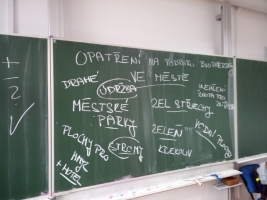
To verify their readiness and clarity, we pilot-tested them in collaboration with the Waldorf Lyceum in České Budějovice. The first lesson focused on promoting biodiversity in cities and cost-benefit analysis, while the second focused on the restoration of species-rich meadows. Both lessons will also be used in classes at the VOŠ and SZeŠ Benešov during the Greening Week course in mid-June.
Thanks to the feedback, we received a number of insightful comments that will help us further improve the materials. Our goal is to create comprehensive teaching lessons with variations for different group sizes and time allocations, ready to use in the classroom without extensive preparation.
We would like to thank Anna Šlechtová (Scout Institute), Eva Bínová (Waldorf Lyceum), and all the students who participated in piloting the lessons.
#TeamUp2Restore
Published on Mar 13, 2026
 Last week, we took part in a very short but intense and fruitful meeting with colleagues from the Agricultural University of Iceland. The aim of the meeting was to establish long-term cooperation between the universities and find common topics for this cooperation. We therefore presented the key areas of our research and our ongoing projects. Some of these topics have been or are currently being addressed by our colleagues, and we were able to discuss them briefly, including MOOCs, wetland restoration, heathland restoration using regionally harvested seeds, green roofs, and the development of vegetation in various disturbed habitats. The faculty garden also inspired our colleagues to explore the potential of an area near their university as a demonstration site for ecological restoration. Last week, we took part in a very short but intense and fruitful meeting with colleagues from the Agricultural University of Iceland. The aim of the meeting was to establish long-term cooperation between the universities and find common topics for this cooperation. We therefore presented the key areas of our research and our ongoing projects. Some of these topics have been or are currently being addressed by our colleagues, and we were able to discuss them briefly, including MOOCs, wetland restoration, heathland restoration using regionally harvested seeds, green roofs, and the development of vegetation in various disturbed habitats. The faculty garden also inspired our colleagues to explore the potential of an area near their university as a demonstration site for ecological restoration.
Thank you to our colleagues for a very pleasant visit, and we look forward to possible cooperation.
#TeamUp2Restore
Published on Feb 19, 2026
Published on Feb 16, 2026
 At the beginning of February, we participated in the conference Two Days with Biology Didactics to gain inspiration and, in particular, present and promote the TEAM#UP project and the DERTO platform. The aim was to raise awareness of the existence of the project and the platform, and promote the possibility of using its teaching resources among secondary school teachers. This was our third time participating in the conference, which is organized annually by the Faculty of Education, Charles University in Prague, Czech Republic. This time, we let our two students take the lead. In his 45-minute workshop, Šimon first summarized the possibilities of using virtual tours in teaching and then guided the participants step by step through the creation of their own virtual tour. Later on, in front of a full auditorium of teachers, Janča presented the TEAM#UP project, the DERTO platform, its resources, and their use in teaching. As an example, she used a worksheet on finding the differences in the species richness of invertebrates on intensively and extensively mown urban grasslands. Both presentations were a success, and we would like to thank Šimon and Janča for their efforts. At the beginning of February, we participated in the conference Two Days with Biology Didactics to gain inspiration and, in particular, present and promote the TEAM#UP project and the DERTO platform. The aim was to raise awareness of the existence of the project and the platform, and promote the possibility of using its teaching resources among secondary school teachers. This was our third time participating in the conference, which is organized annually by the Faculty of Education, Charles University in Prague, Czech Republic. This time, we let our two students take the lead. In his 45-minute workshop, Šimon first summarized the possibilities of using virtual tours in teaching and then guided the participants step by step through the creation of their own virtual tour. Later on, in front of a full auditorium of teachers, Janča presented the TEAM#UP project, the DERTO platform, its resources, and their use in teaching. As an example, she used a worksheet on finding the differences in the species richness of invertebrates on intensively and extensively mown urban grasslands. Both presentations were a success, and we would like to thank Šimon and Janča for their efforts.
You can find out more about the DERTO platform at derto.teamup2restore.eu
#TeamUp2Restore
  
|
|


 At the beginning of June, the Restoration Ecology Working Group at the Department of Botany, Faculty of Science, University of South Bohemia, held a week-long international course on ecological restoration that guided university students from Spain, Germany, the Czech Republic, and Norway through the theoretical and practical aspects of this rapidly developing field. Students from different countries prepared for the course by developing their own restoration projects, focusing on a variety of habitats and environmental challenges. The most successful students were then invited to present their projects in person. During the meeting in the Czech Republic, they also expanded their understanding of restoring various types of habitats typical of the temperate zone. With the recent adoption of the European Nature Restoration Regulation, it is becoming increasingly clear that sharing knowledge and practical experience is essential for achieving high-quality habitat restoration.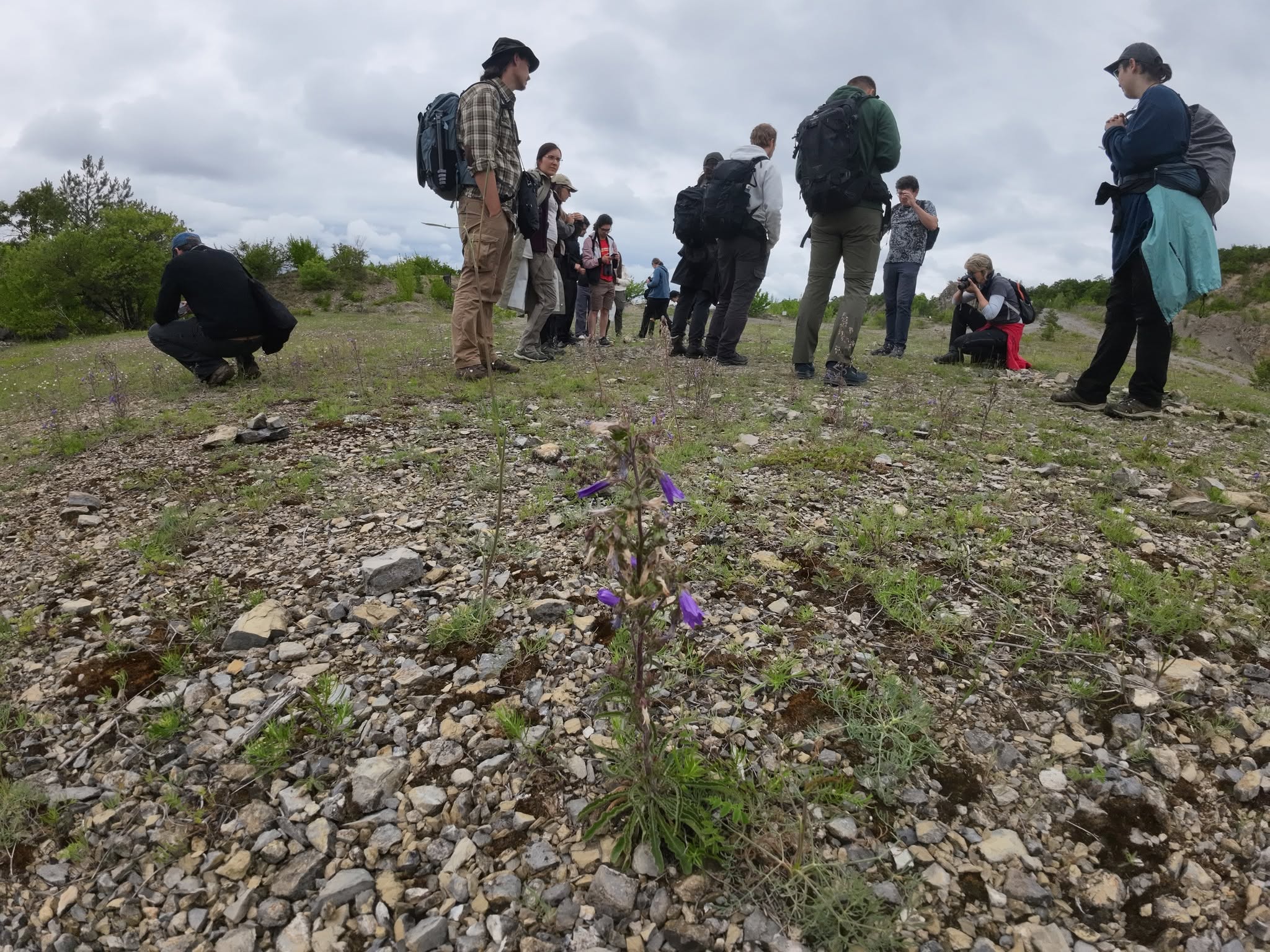


 Many human-influenced habitats remain overlooked athough they have a great potential for nature conservation. We recognized this again during yesterday’s field trip to the Czechoslovak Army (ČSA) quarry, specifically to the area designated as a National Natural Monument. These habitats do not fit into the traditional categories we use to assess biotopes in the landscape; they do not form classic, relatively well-defined vegetation units, but rather often consist of various combinations of species, geomorphological features, site moisture conditions, successional stages, and different types of disturbance that determine the development of these areas.


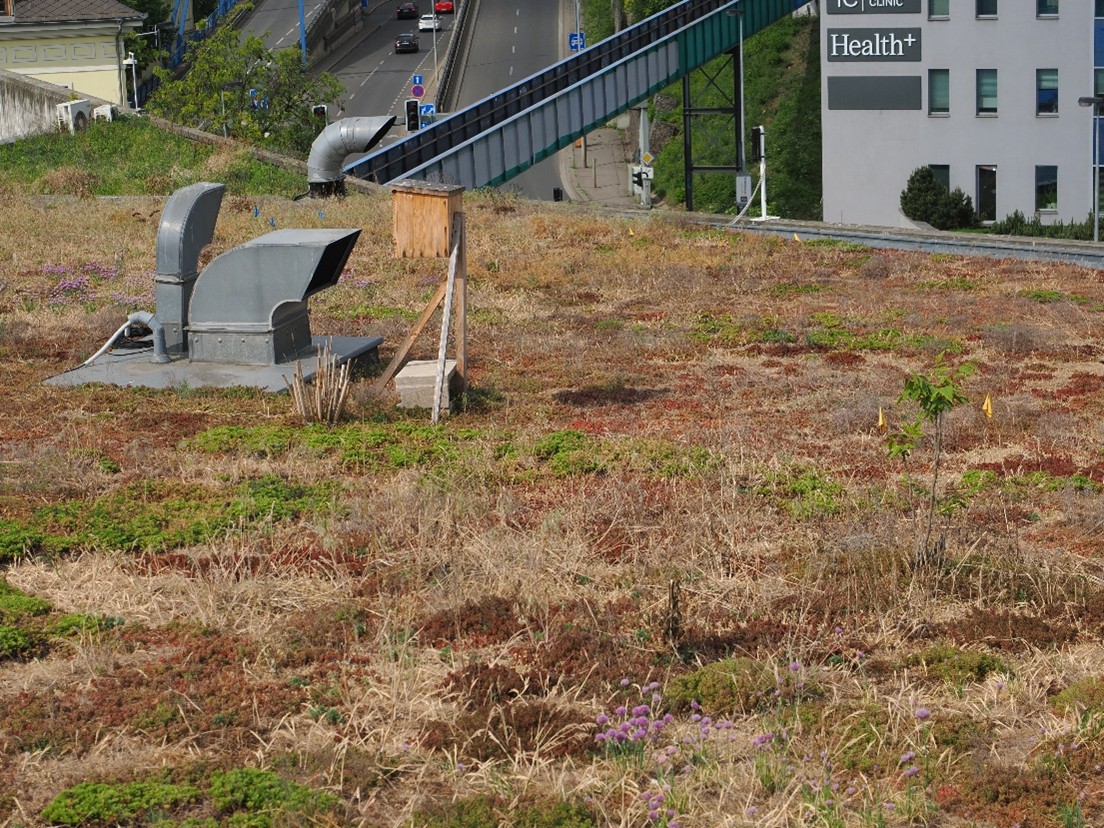 As part of our ongoing green roof research, we revisited a site in Prague’s Smíchov district to assess populations of hemiparasitic plants sown the year before last. These plants naturally suppress dominant grasses, creating space for less competitive herbs and increasing species diversity without intensive maintenance. Last year’s growing season brought challenging conditions. Severe drought in June hit the young population before it could produce enough seeds for regeneration. This year, we found the plants surviving only in specific microhabitats—shaded areas near ventilation units with lower evaporation and spots with slight water leakage providing necessary moisture.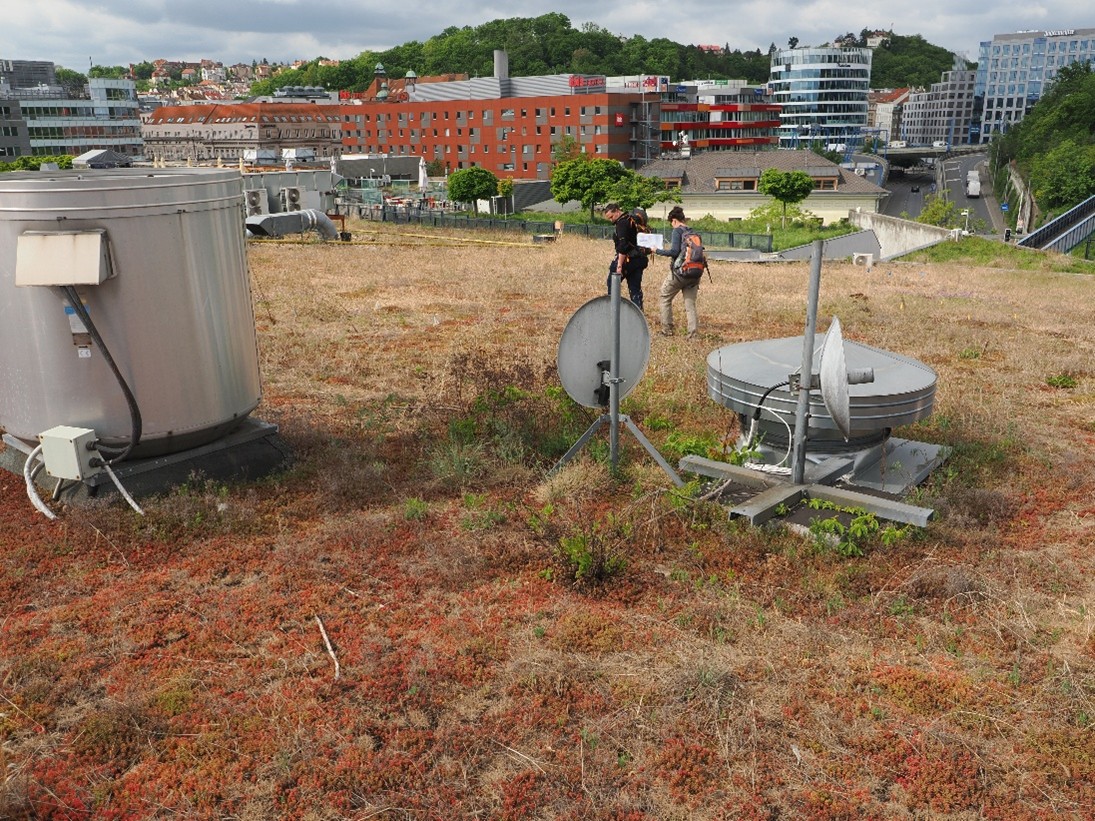
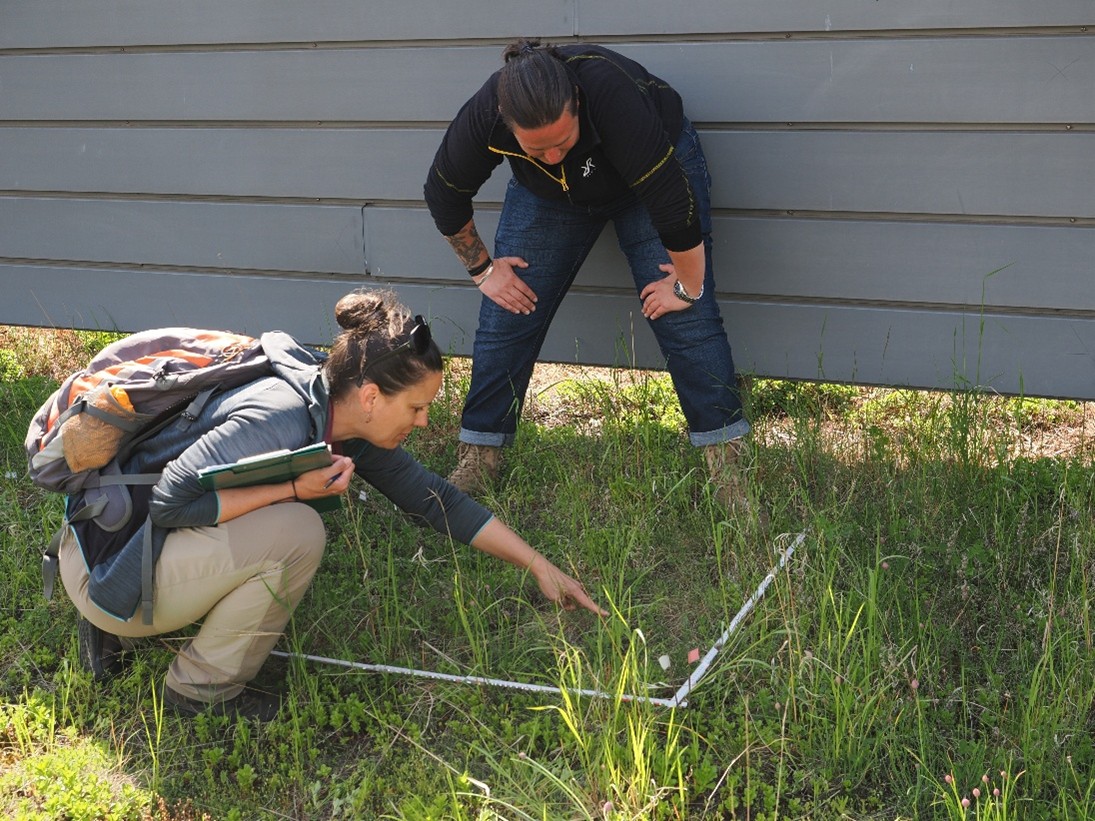
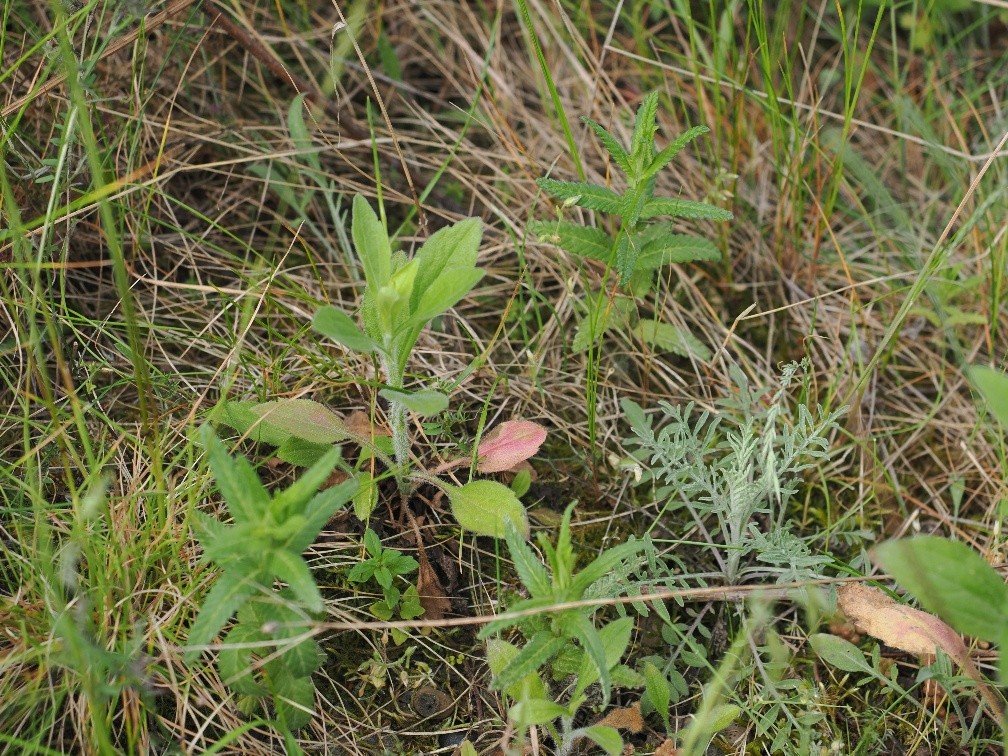
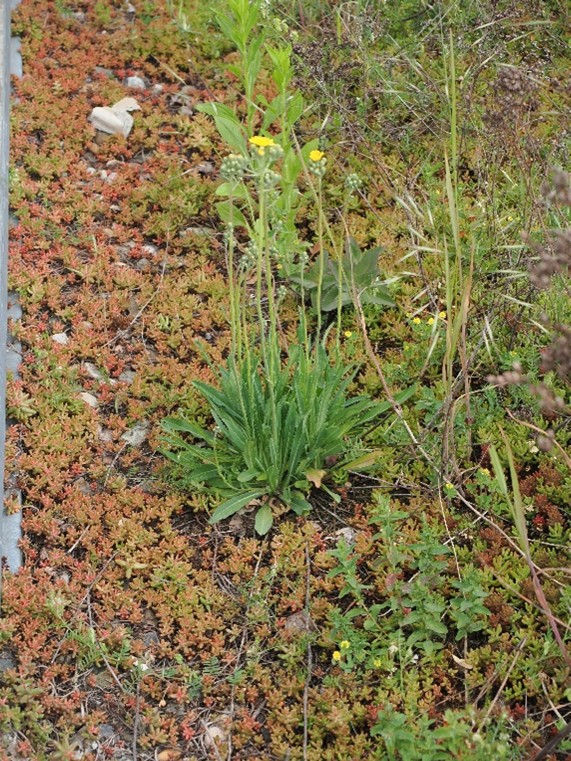
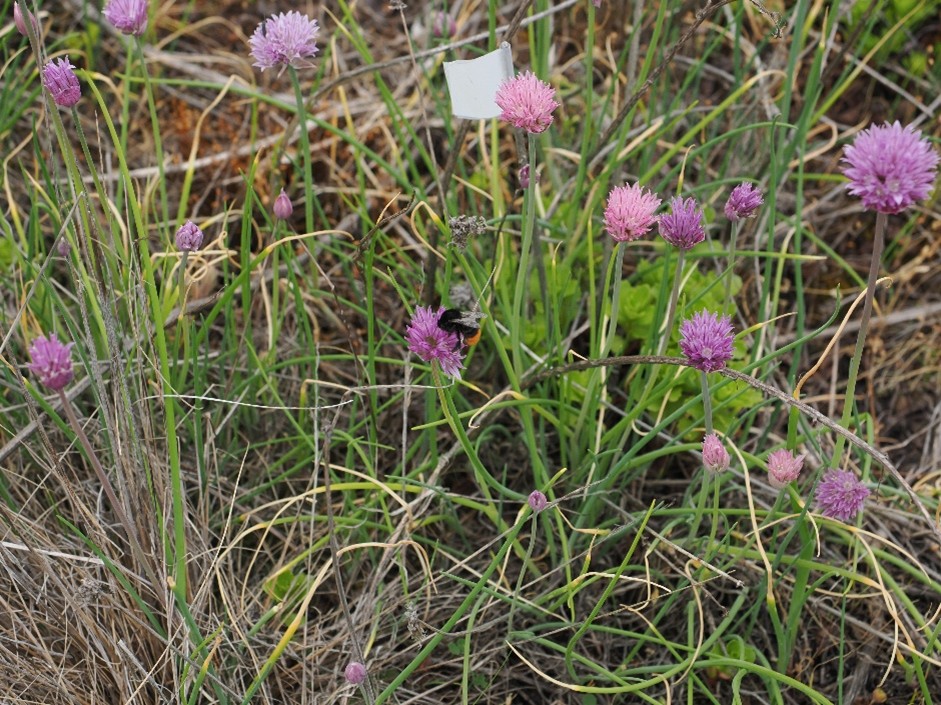


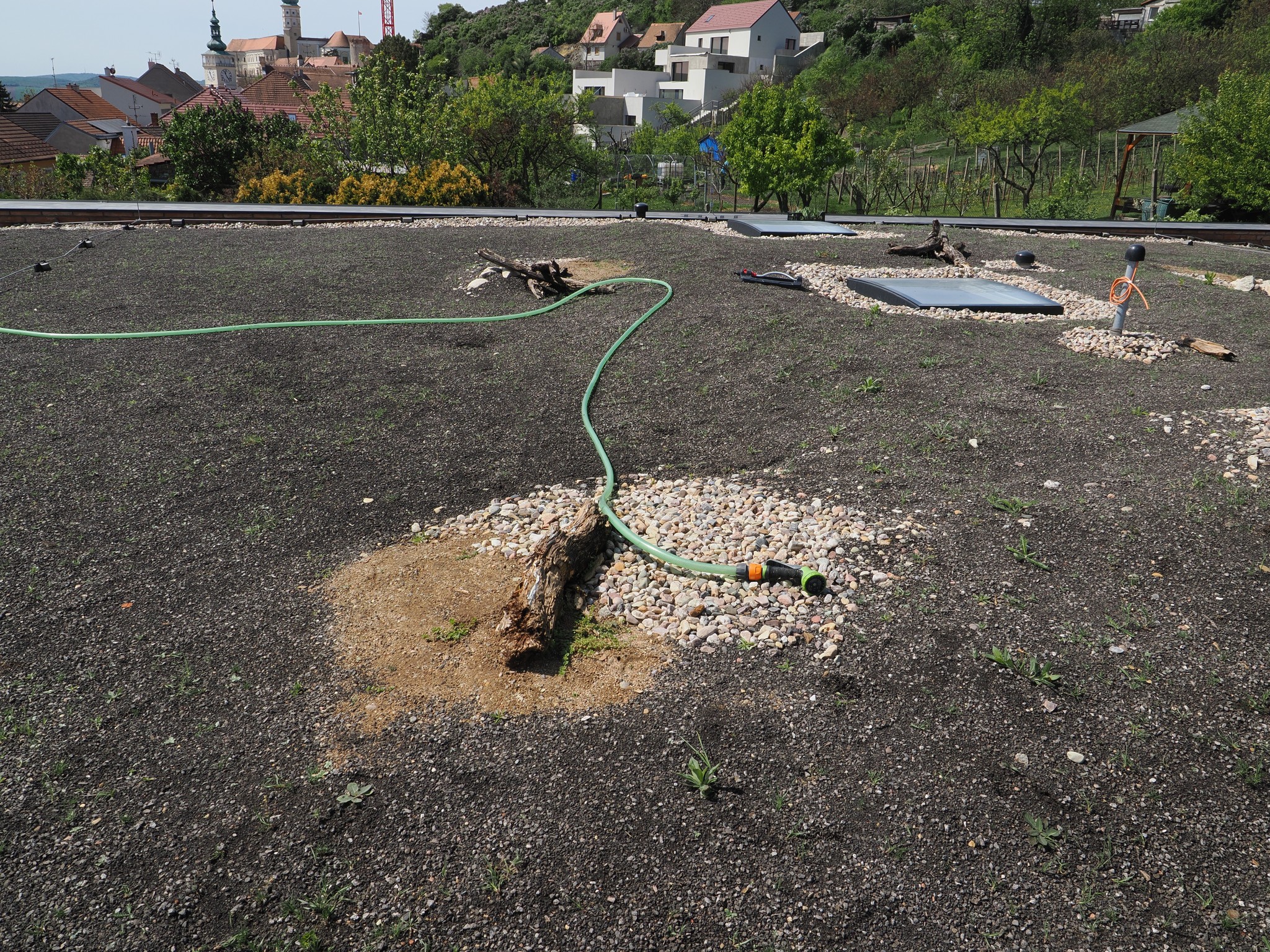
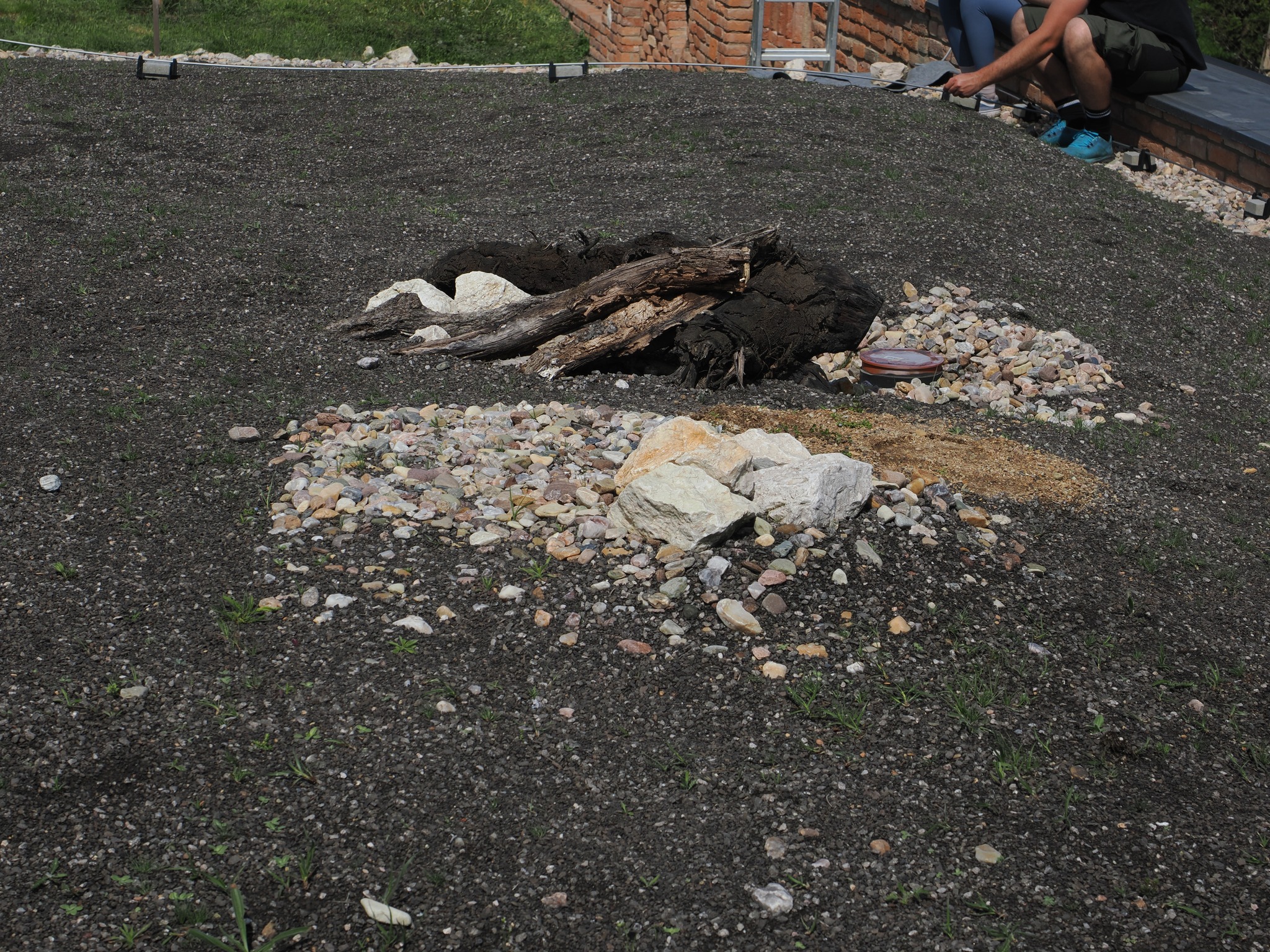
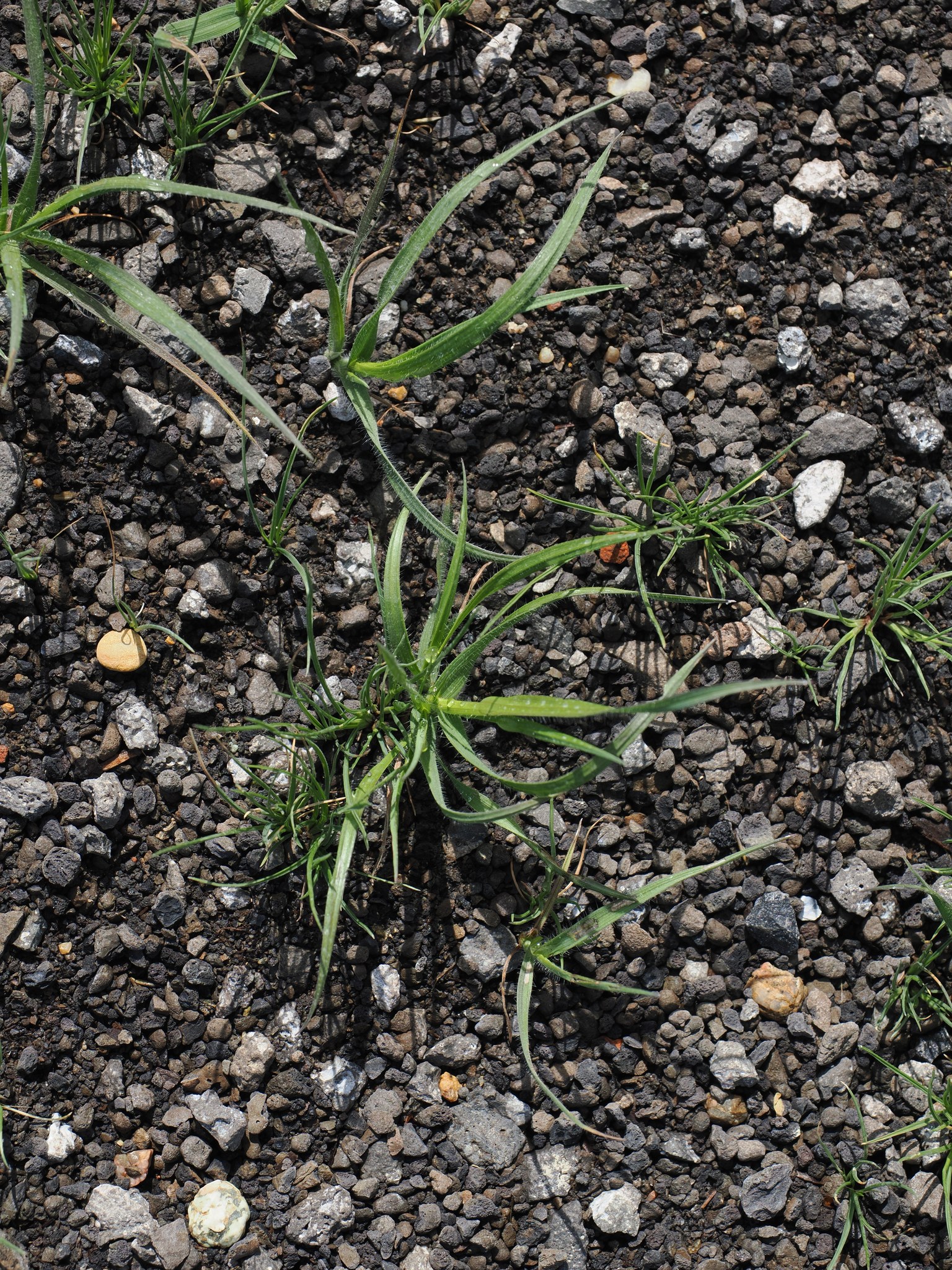
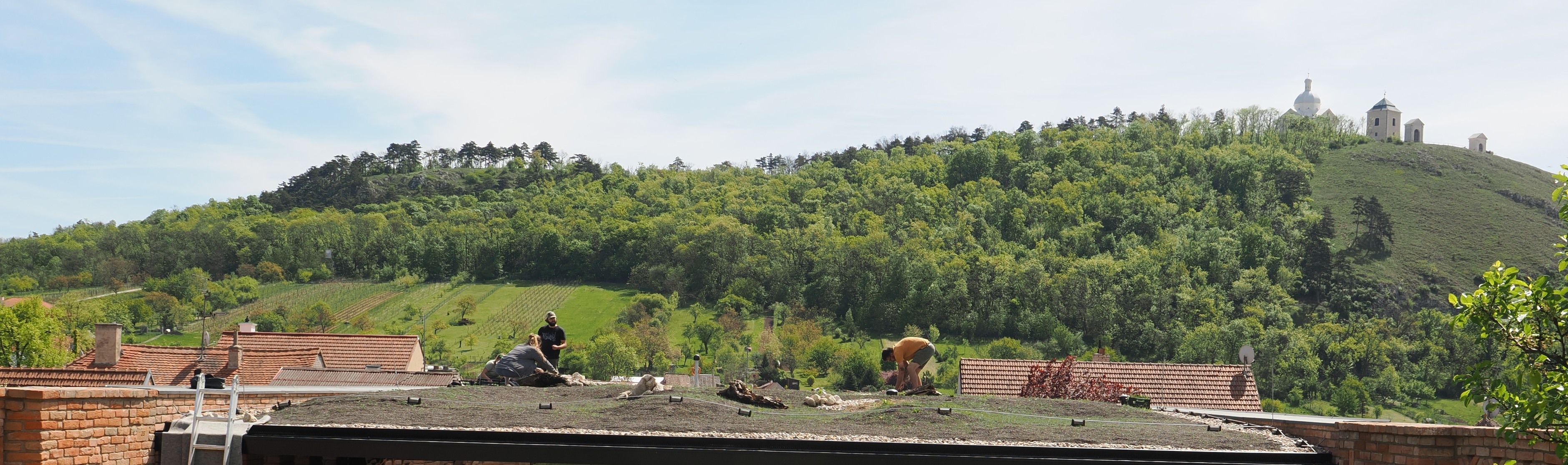 This spring, we checked on the progress of the biodiversity green roof below Kozí hrádek in Mikulov, and the results are very encouraging. The seeding was successful, and tiny seedlings of xerophytic grasses, particularly Festuca species, as well as target herbs are now emerging across the entire roof.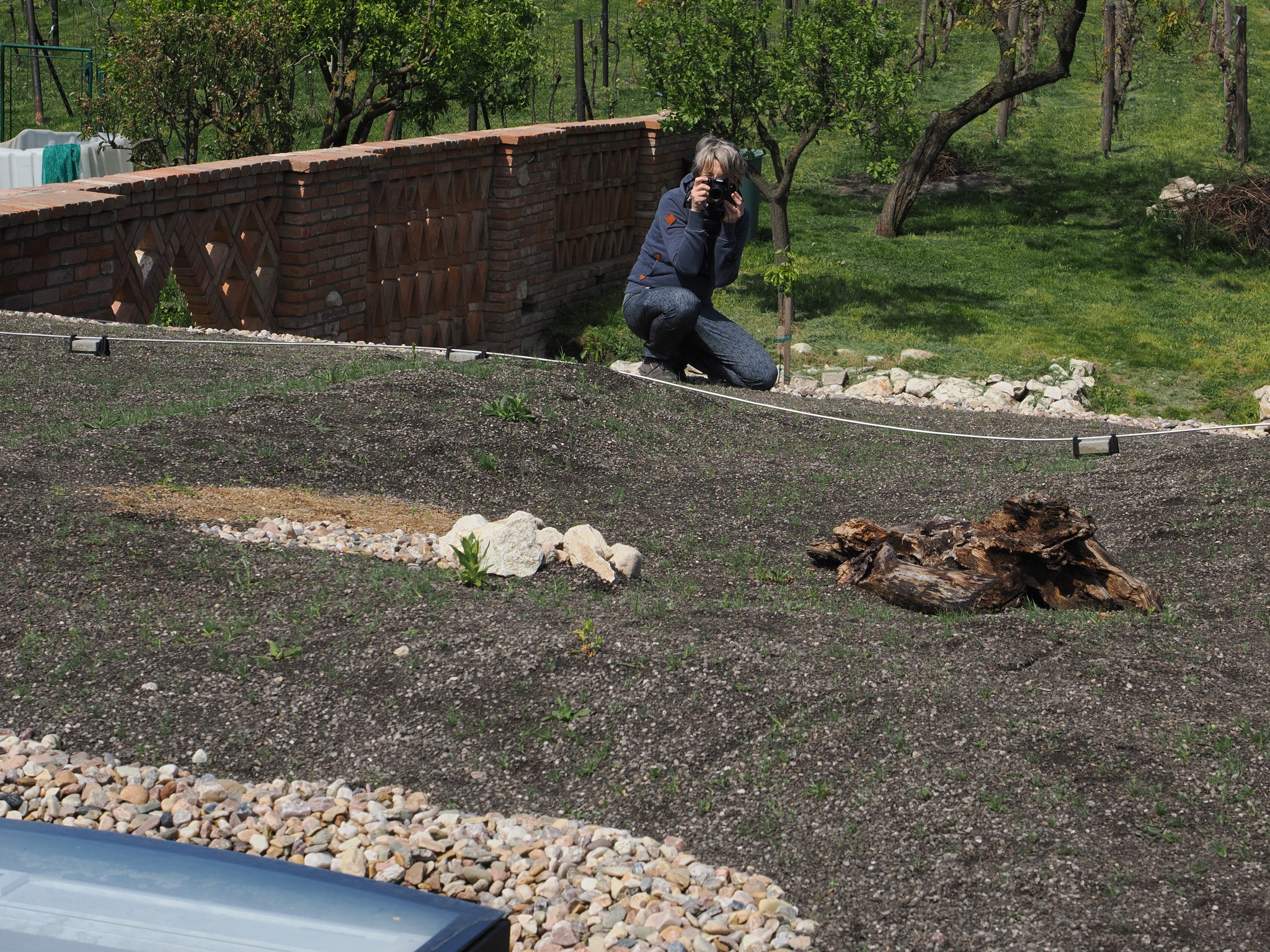
 Last year was a pivotal one for the TEAM#UP project. We launched a platform featuring educational materials on ecological restoration, which are currently undergoing revisions. Feedback on the Czech materials consistently highlighted the need for better methodological guidance for teachers, particularly regarding practical activities. That is why, this year, in collaboration with external colleagues, we have further refined the materials to make them easier to use in the classroom.


 Last week, we took part in a very short but intense and fruitful meeting with colleagues from the Agricultural University of Iceland. The aim of the meeting was to establish long-term cooperation between the universities and find common topics for this cooperation. We therefore presented the key areas of our research and our ongoing projects. Some of these topics have been or are currently being addressed by our colleagues, and we were able to discuss them briefly, including MOOCs, wetland restoration, heathland restoration using regionally harvested seeds, green roofs, and the development of vegetation in various disturbed habitats. The faculty garden also inspired our colleagues to explore the potential of an area near their university as a demonstration site for ecological restoration.
 The Nature Restoration Regulation has been in place since 2024, but how are we doing with the preparation of the National Nature Restoration Plan, which the Czech Republic must submit in the fall? And what should we focus on? Are we overlooking anything? Anthropogenic biotopes, especially those covering large areas, are key to restoration at the landscape level and can complement existing networks of protected areas. What's more, even in areas where minerals have been extracted, natural processes or assisted restoration can create rare biotopes that are disappearing from our landscape. Klára Řehounková focused on this topic in her contribution to the conference "Diversity of Approaches in Landscape Ecology: Natural and Social Sciences, Restoration Ecology and Landscape Planning" organized by the Czech Society for Landscape Ecology, which took place on February 12 in České Budějovice. The subsequent discussion pointed out that we are still at the starting line with landscape-level restoration planning and that we will not reach our goal without restoring anthropogenic habitats. One of the aids on the road to successful restoration could be the DERTO platform, which is being created as part of the TEAM#UP project and offers a summary of educational and teaching materials across Europe.

 At the beginning of February, we participated in the conference Two Days with Biology Didactics to gain inspiration and, in particular, present and promote the TEAM#UP project and the DERTO platform. The aim was to raise awareness of the existence of the project and the platform, and promote the possibility of using its teaching resources among secondary school teachers. This was our third time participating in the conference, which is organized annually by the Faculty of Education, Charles University in Prague, Czech Republic. This time, we let our two students take the lead. In his 45-minute workshop, Šimon first summarized the possibilities of using virtual tours in teaching and then guided the participants step by step through the creation of their own virtual tour. Later on, in front of a full auditorium of teachers, Janča presented the TEAM#UP project, the DERTO platform, its resources, and their use in teaching. As an example, she used a worksheet on finding the differences in the species richness of invertebrates on intensively and extensively mown urban grasslands. Both presentations were a success, and we would like to thank Šimon and Janča for their efforts.


