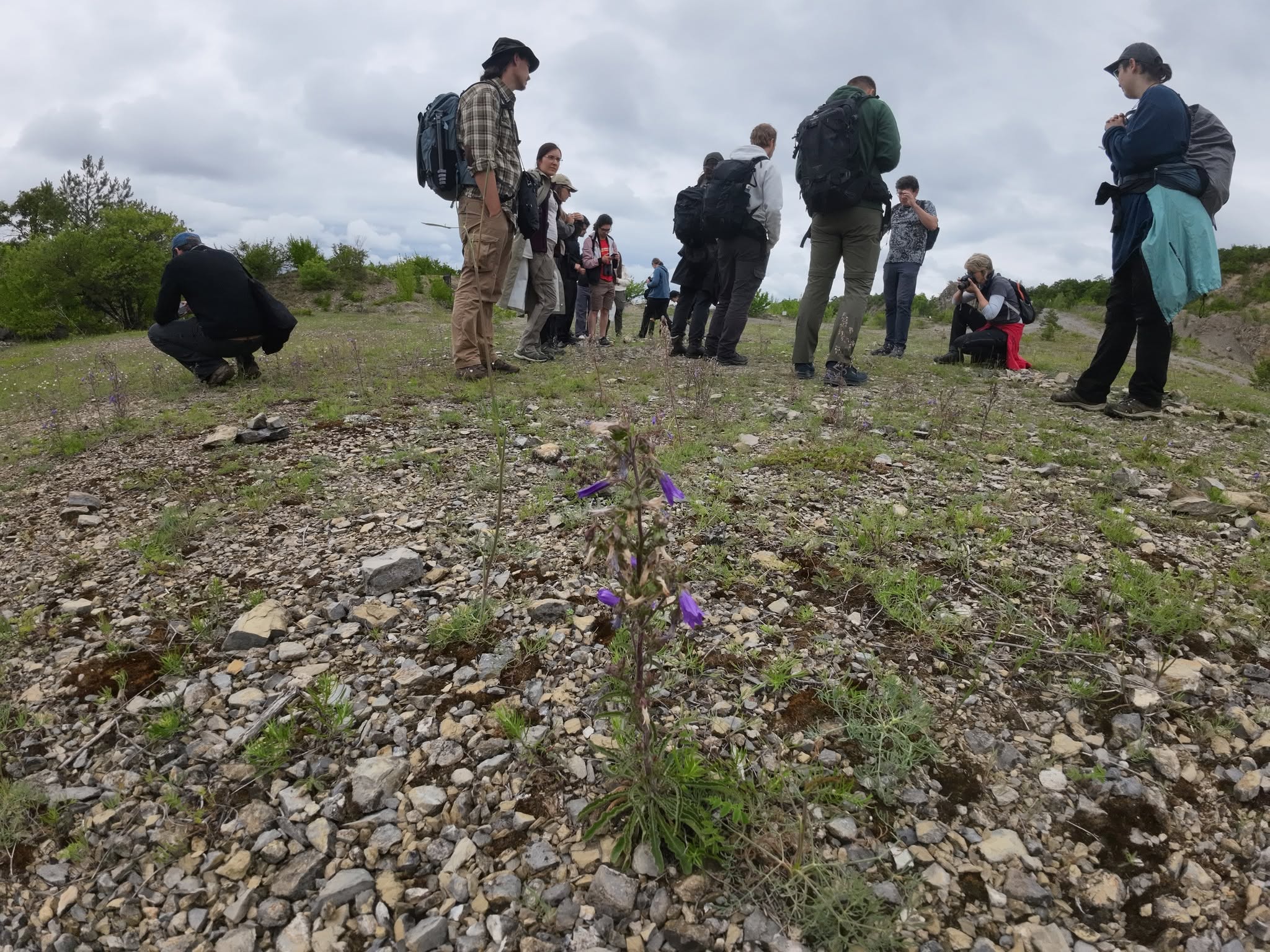
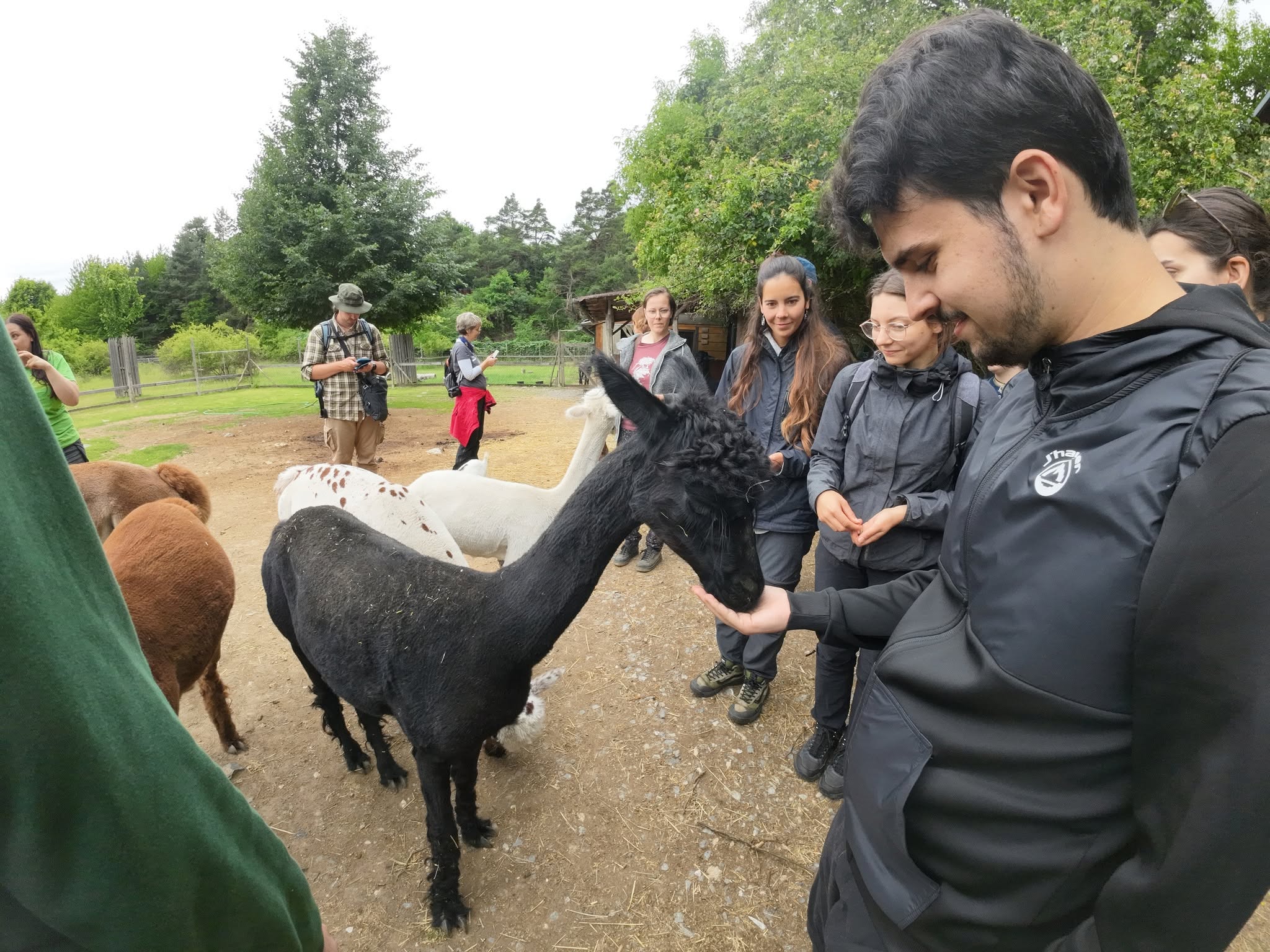
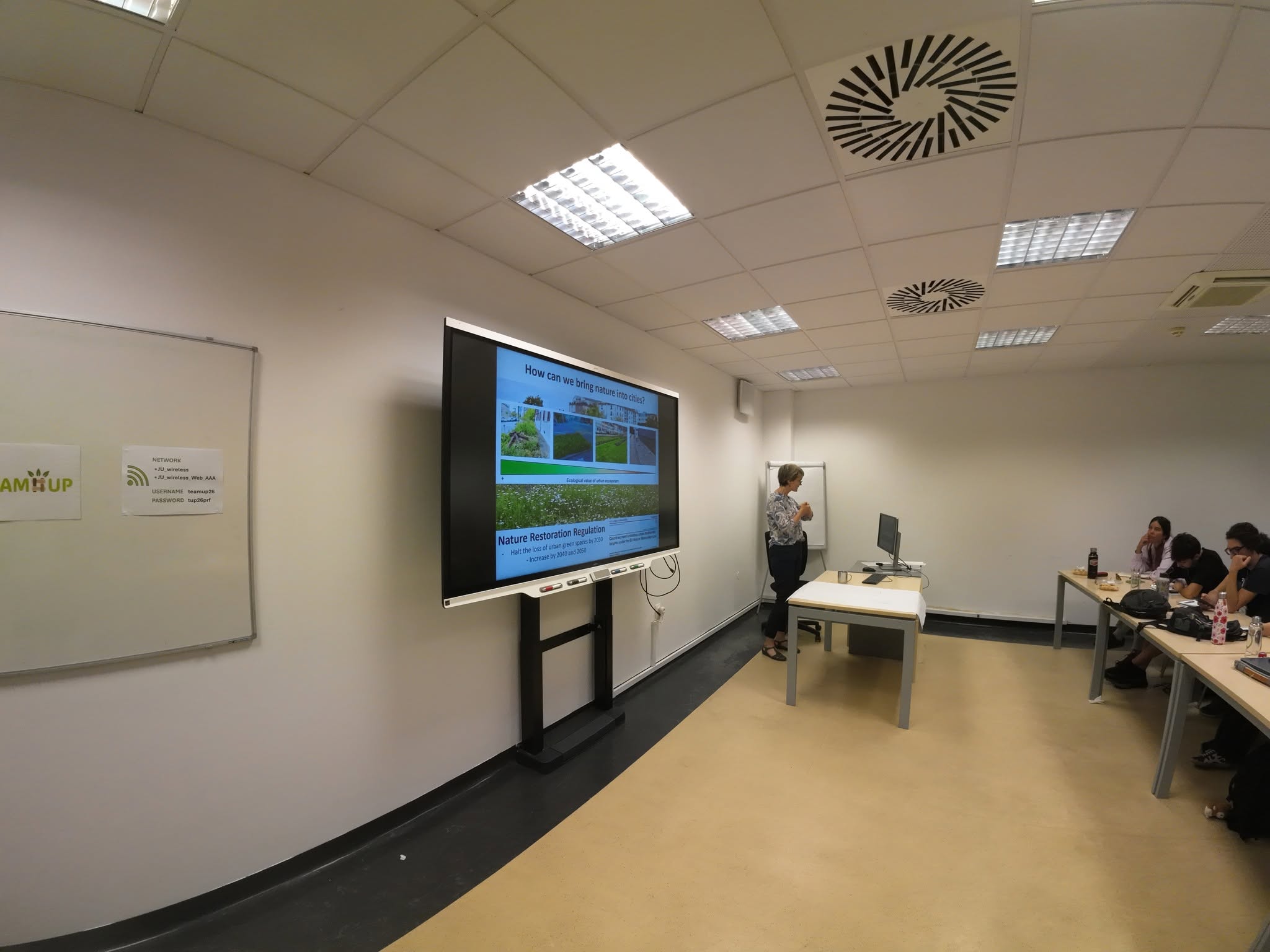
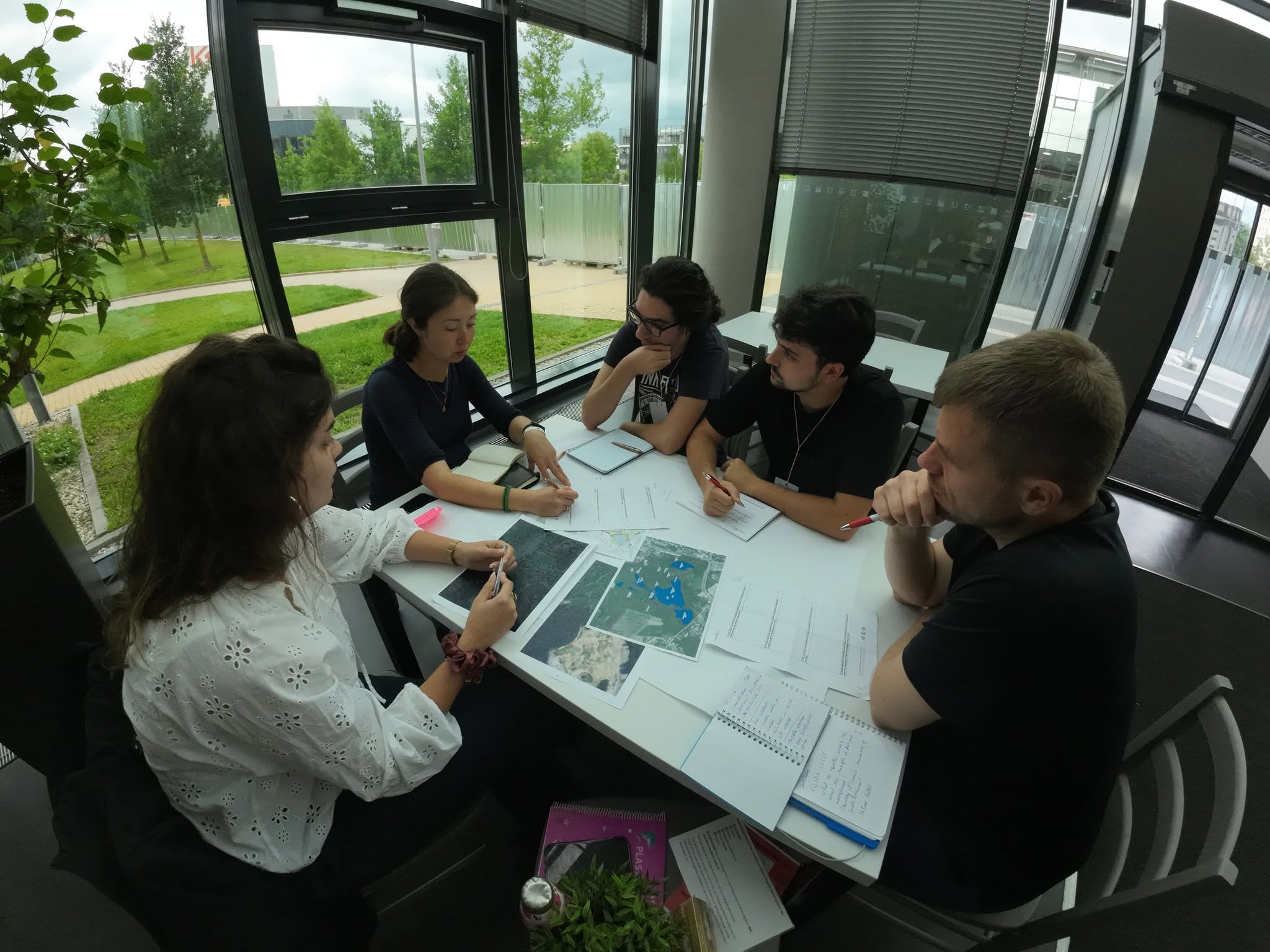
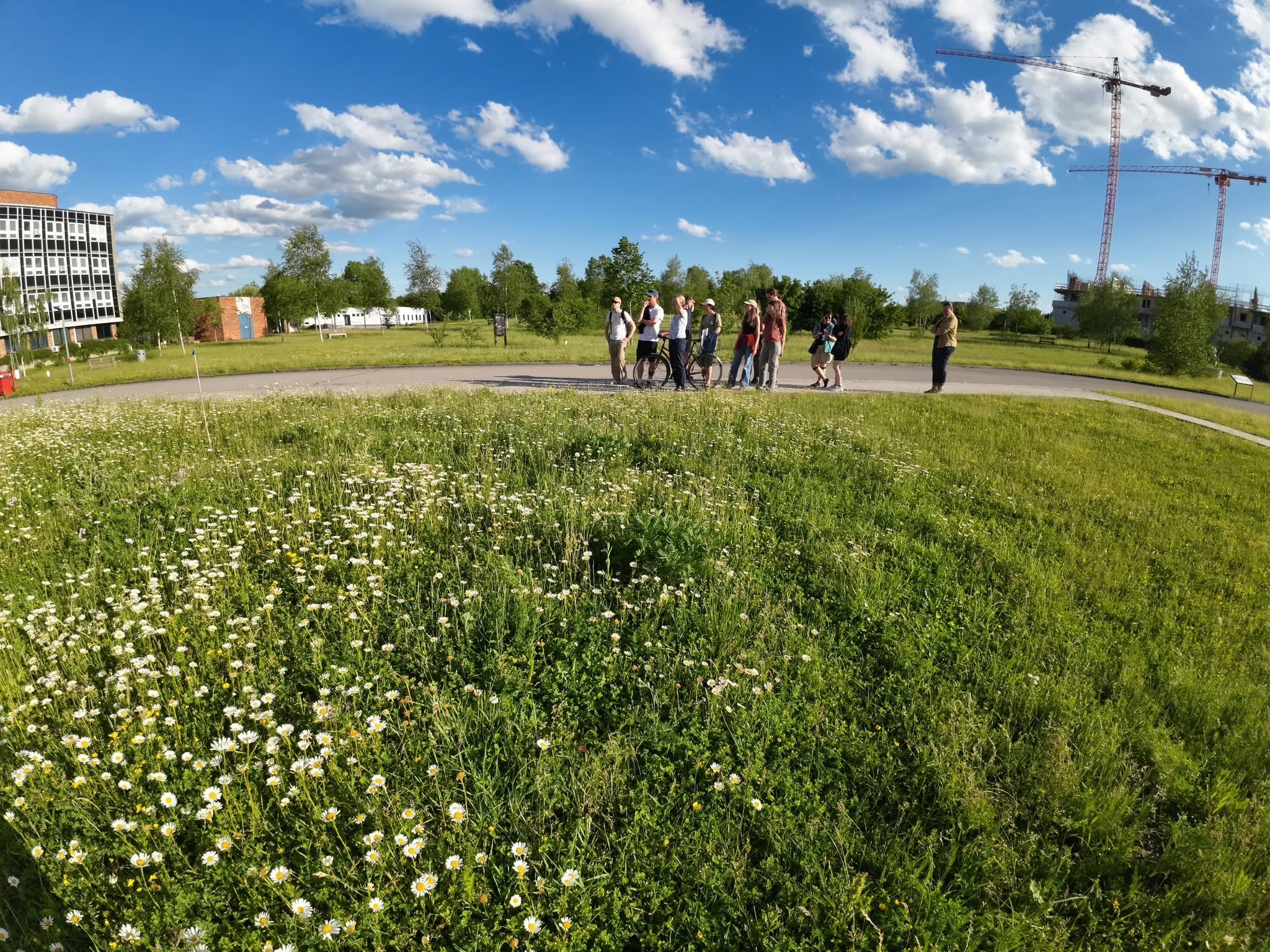
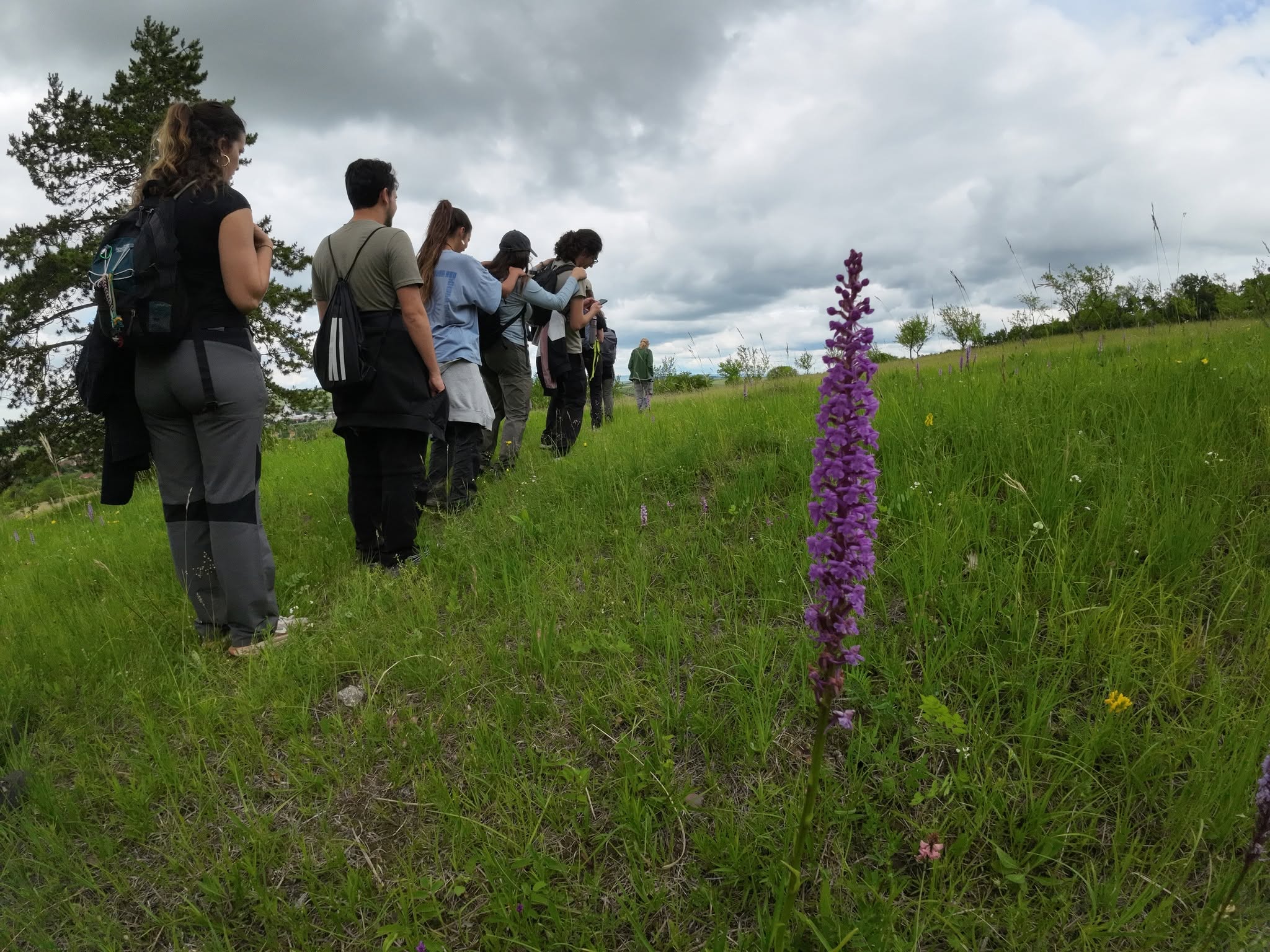
 At the beginning of June, the Restoration Ecology Working Group at the Department of Botany, Faculty of Science, University of South Bohemia, held a week-long international course on ecological restoration that guided university students from Spain, Germany, the Czech Republic, and Norway through the theoretical and practical aspects of this rapidly developing field. Students from different countries prepared for the course by developing their own restoration projects, focusing on a variety of habitats and environmental challenges. The most successful students were then invited to present their projects in person. During the meeting in the Czech Republic, they also expanded their understanding of restoring various types of habitats typical of the temperate zone. With the recent adoption of the European Nature Restoration Regulation, it is becoming increasingly clear that sharing knowledge and practical experience is essential for achieving high-quality habitat restoration.
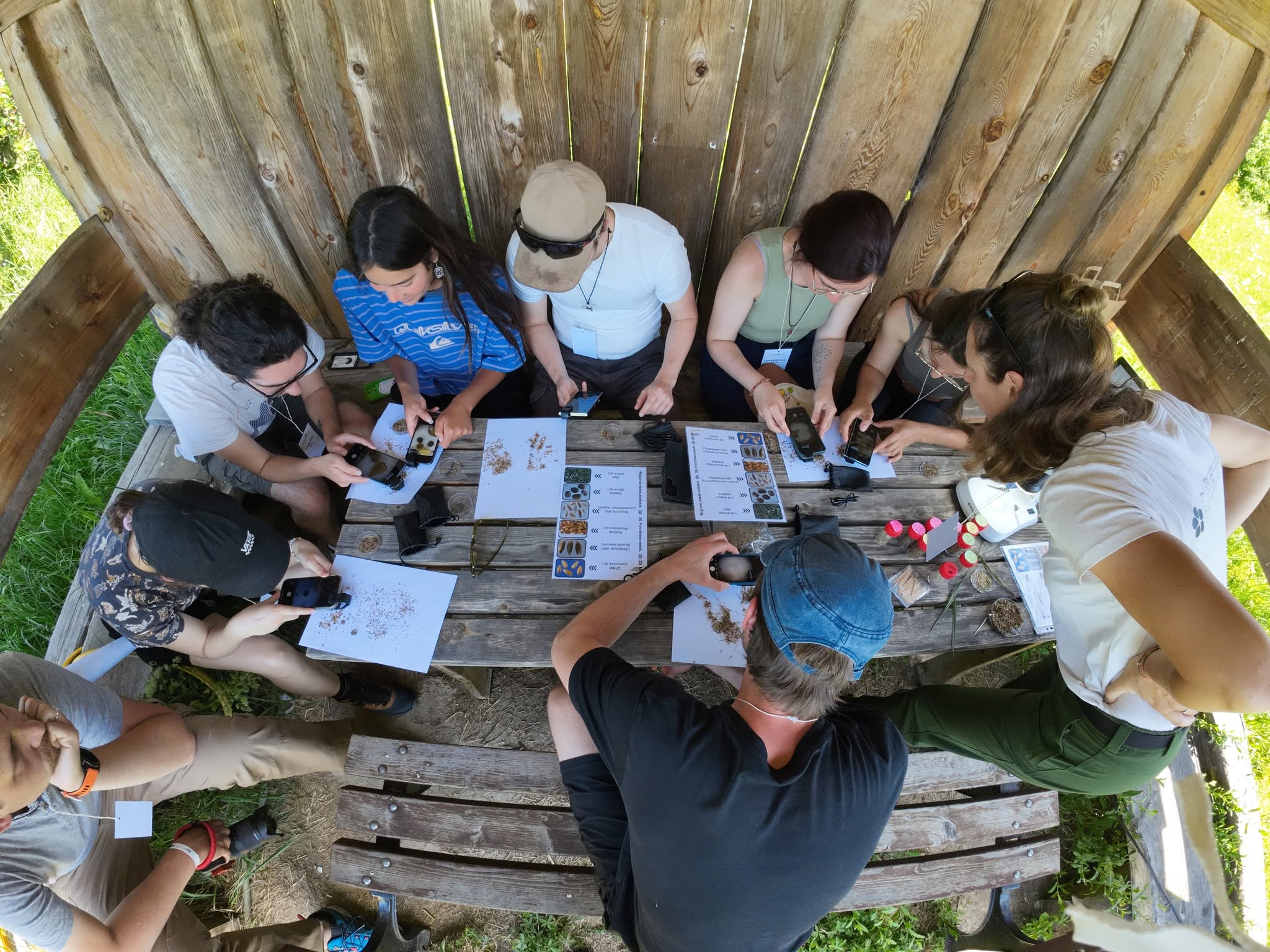
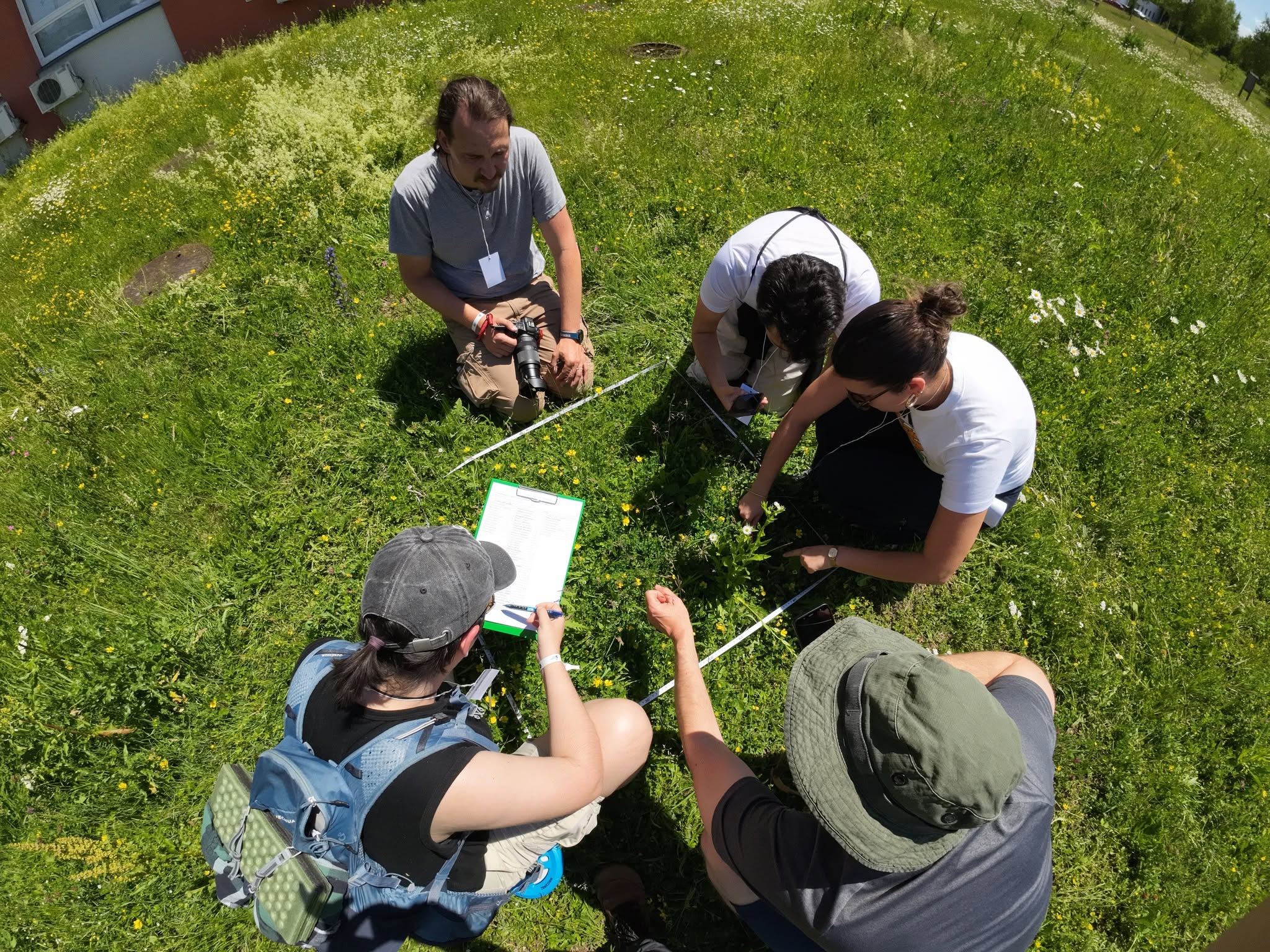
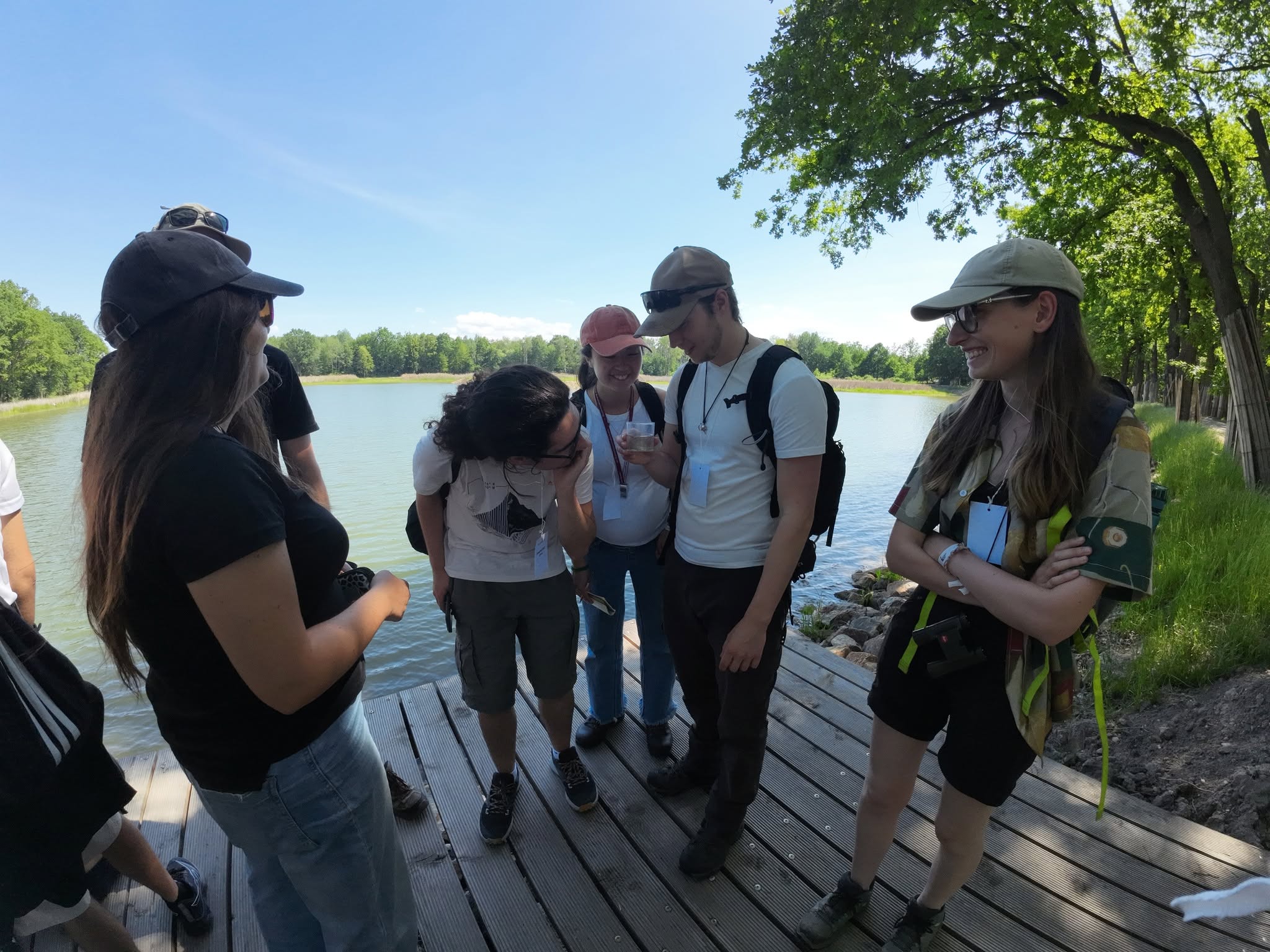
Throughout the week, students took part in a diverse program focused on restoration ecology—from urban green spaces and species-rich meadows to wetlands, post-mining sites, and large-scale landscape restoration in the unique White Carpathians region. In addition to lectures, students had the opportunity to gain hands-on experience. They worked through all stages of restoring a species-rich meadow: identifying a suitable donor site, collecting seeds, analyzing the material they had gathered, preparing the restoration site, sowing, and finally evaluating the success of the restoration. The students also visited the Vrbenské Ponds Nature Reserve, where they were tasked with assessing the effectiveness and success of restoration efforts in part of the area. They later presented their findings to their peers, identifying several issues that could hinder the achievement of the intended restoration goals.
Here are some of the key insights we explored throughout the week:
Less is more: Before starting restoration, identify limitations and consider whether natural processes can achieve the desired outcomes. Sometimes intervention is not the best solution.
All in good time: Restoration takes patience. Long-term monitoring, realistic targets, reliable indicators, and adaptive management are all essential.
Maintain continuity: Think about connectivity in both space and time. Healthy landscapes need connected habitats and sites at different stages of succession.
Disturbance is not the same as catastrophe: Natural disturbances can create opportunities for biodiversity. Heterogeneity and geodiversity are often the foundations of resilient ecosystems.
The quality of the surroundings matters: Successful restoration depends not only on the site itself but also on the surrounding landscape and nearby source populations that enable species colonisation.
Practice makes perfect: Sharing failures can be just as valuable as sharing successes. Learning from mistakes helps improve restoration practice.
Stay enthusiastic and have fun: Hands-on experiences are among the best ways to learn. And don't hesitate to stay connected with the restoration community: we're a friendly bunch, as you already know!
It was an intense week, but we believe the students enjoyed it just as much as we did. More importantly, they are taking away valuable knowledge and new connections that they can use both at home and in their future careers.
Perhaps the best news of all is that many students said during the final reflection session that they would like to stay in this field. The future of restoration ecology therefore looks more than promising.