|
Published on Oct 21, 2025
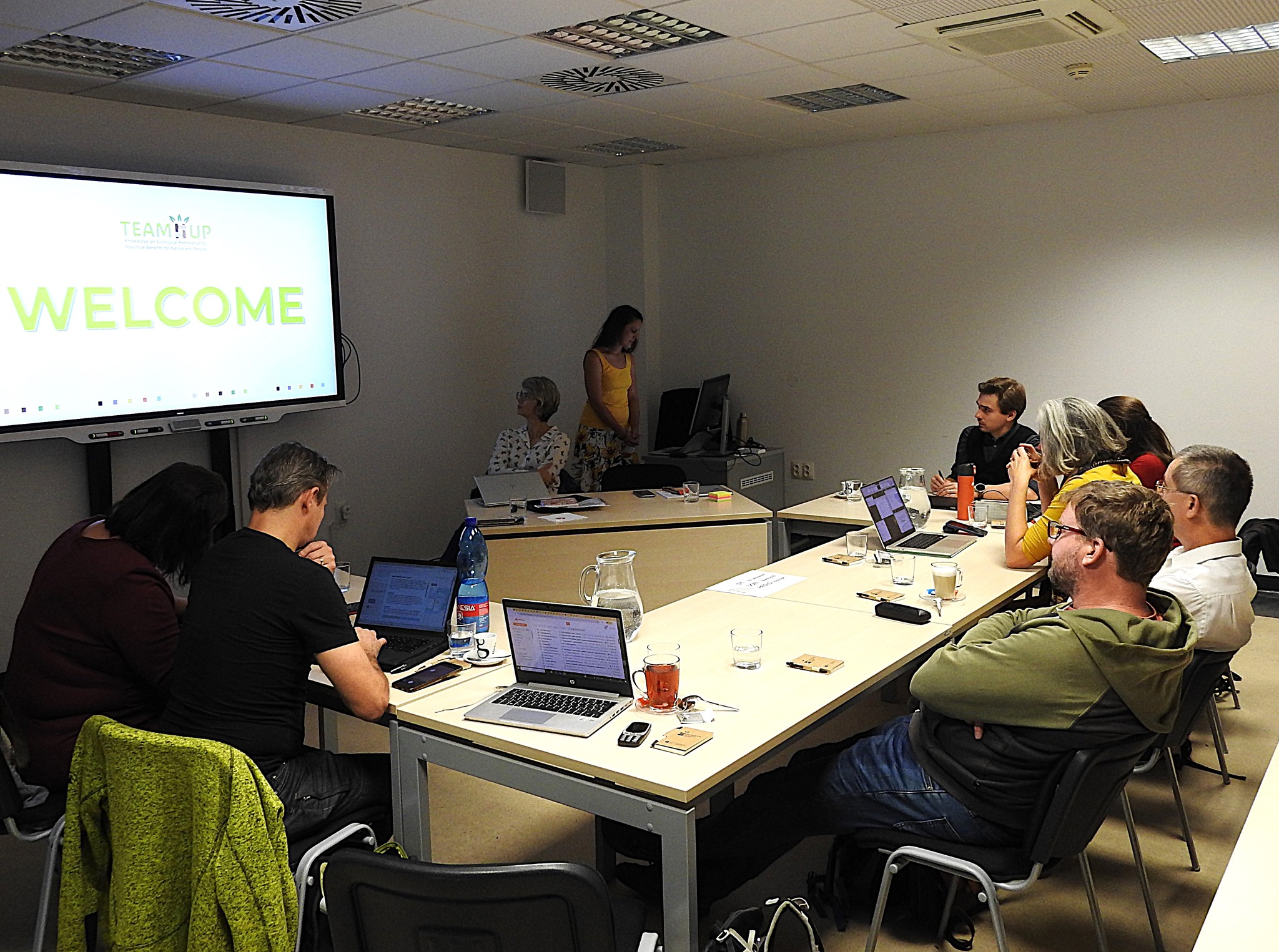
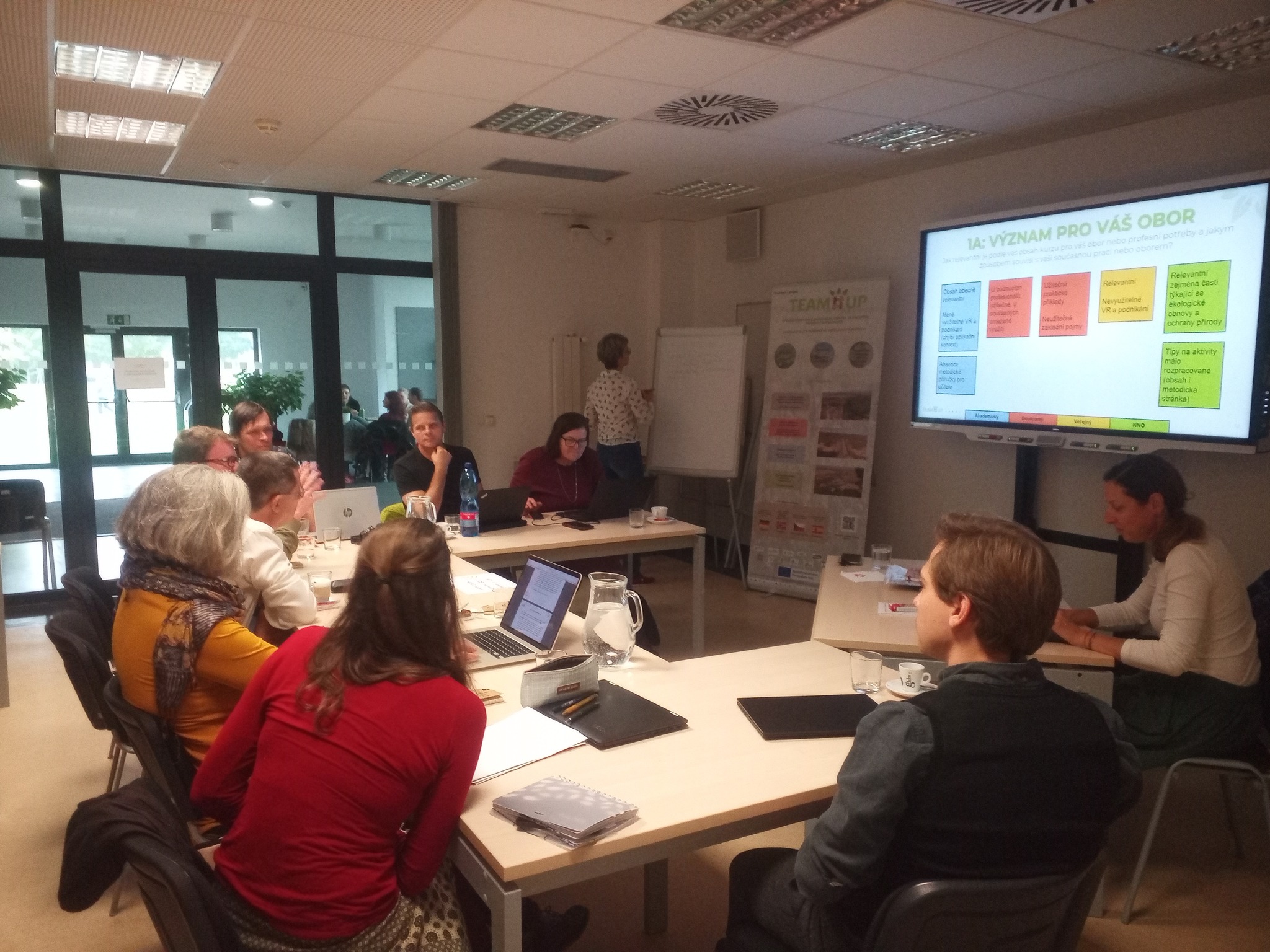
 Last week, a Focus group on ecological restoration was held in České Budějovice as part of the TEAM#UP project. The goal was clear—to fine-tune the teaching materials that we use to feed the DERTO platform (derto.teamup2restore.eu). All essential information on the topic of ecological restoration will be collected there and made available to a wide range of users. We also discussed the long-term sustainability of the platform and materials, as well as the best way to support the teaching of ecological restoration in VET schools. The meeting was particularly fruitful thanks to the fact that it brought together a very diverse group of people with different perspectives on the issue – from the private, public, academic, and non-governmental sectors. Last week, a Focus group on ecological restoration was held in České Budějovice as part of the TEAM#UP project. The goal was clear—to fine-tune the teaching materials that we use to feed the DERTO platform (derto.teamup2restore.eu). All essential information on the topic of ecological restoration will be collected there and made available to a wide range of users. We also discussed the long-term sustainability of the platform and materials, as well as the best way to support the teaching of ecological restoration in VET schools. The meeting was particularly fruitful thanks to the fact that it brought together a very diverse group of people with different perspectives on the issue – from the private, public, academic, and non-governmental sectors.
#TeamUp2Restore
    
Published on Oct 8, 2025
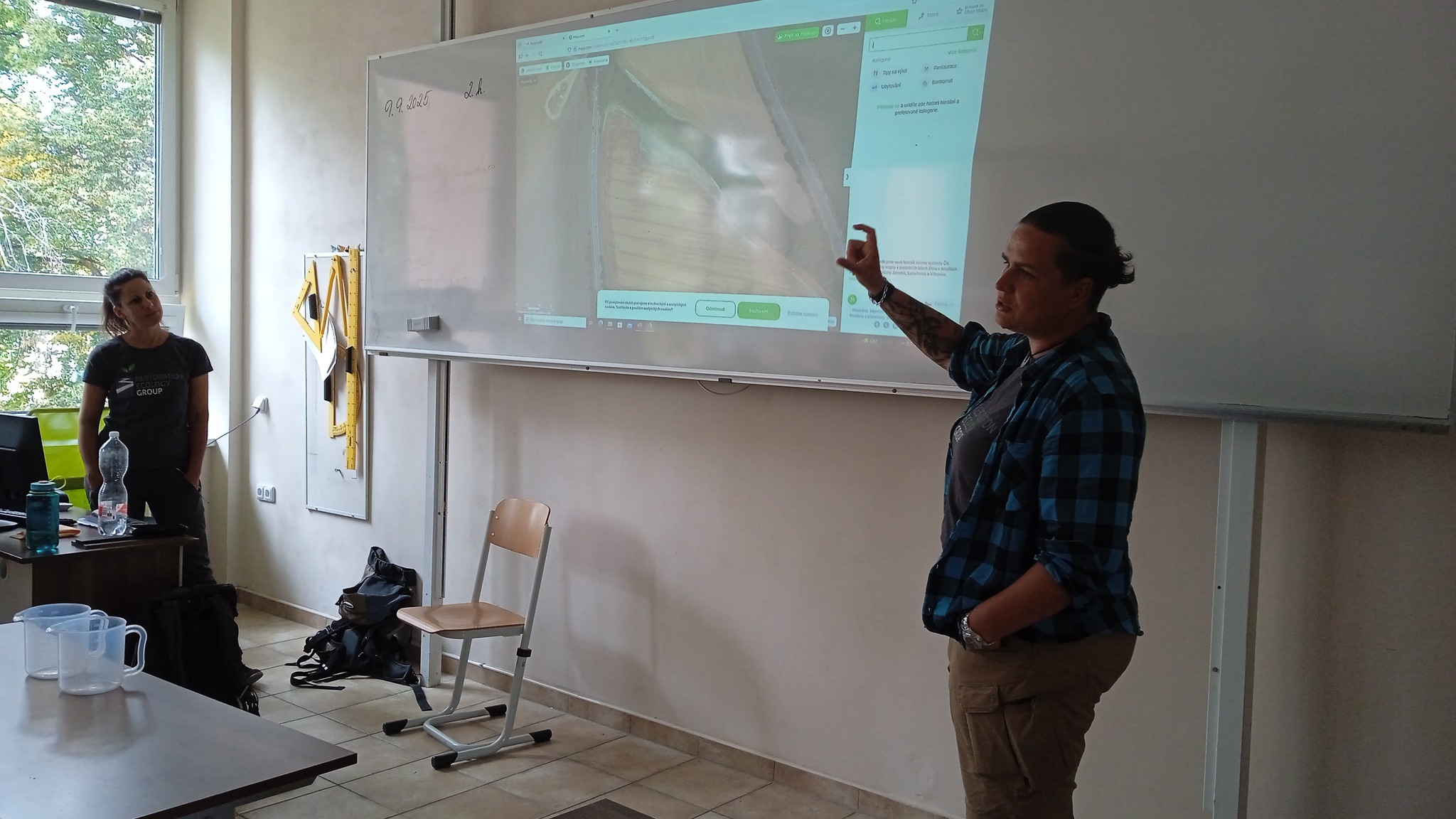
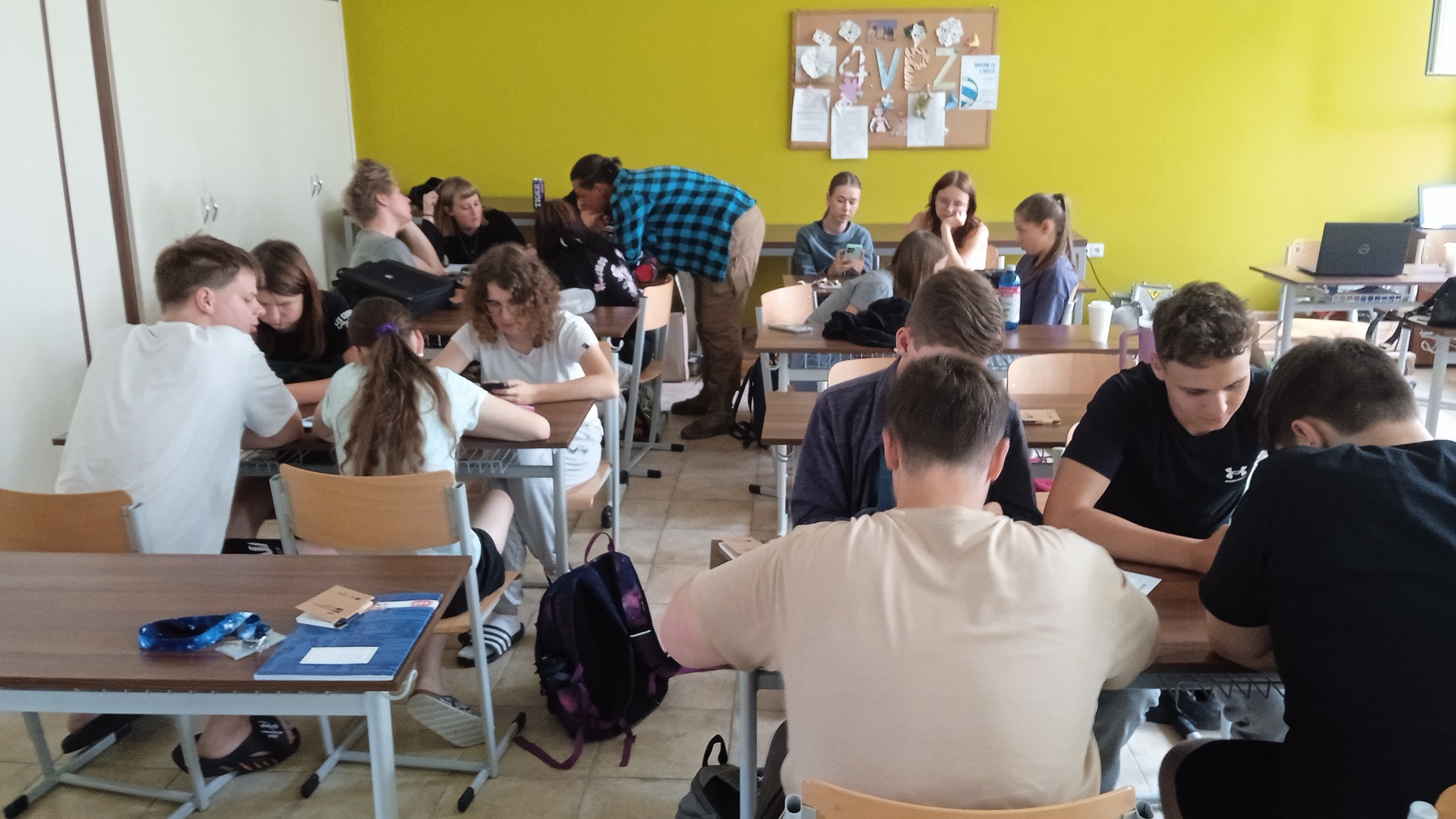
 The intensive cooperation with our partner secondary vocational school in Benešov continues. On Monday, we conducted training there on creating virtual tours in LUMI. The training was attended not only by students, who used it to process material acquired during our earlier excursion to the revitalized stream in Benešov, but also teachers, who will pass the knowledge to their students. The training was skillfully led by our students, Ester Šůsová and Šimon Cais. If you are interested in creating virtual tours, check out our newly created DERTO platform, where you will find not only instructions on how to create your own virtual tour in LUMI, but also a virtual tour of a demonstration site in Germany. The intensive cooperation with our partner secondary vocational school in Benešov continues. On Monday, we conducted training there on creating virtual tours in LUMI. The training was attended not only by students, who used it to process material acquired during our earlier excursion to the revitalized stream in Benešov, but also teachers, who will pass the knowledge to their students. The training was skillfully led by our students, Ester Šůsová and Šimon Cais. If you are interested in creating virtual tours, check out our newly created DERTO platform, where you will find not only instructions on how to create your own virtual tour in LUMI, but also a virtual tour of a demonstration site in Germany.
#TeamUp2Restore

Published on Oct 7, 2025
 Help us improve the newly launched beta version of our educational platform, the Digital Ecological Restoration Toolbox (DERTO)! This platform offers freely accessible educational materials in the field of ecological restoration. Help us improve the newly launched beta version of our educational platform, the Digital Ecological Restoration Toolbox (DERTO)! This platform offers freely accessible educational materials in the field of ecological restoration.
Visit the DERTO website and fill out the survey now! It will only take you 15-18 minutes. All survey responses are anonymous and will be only used to improve the quality and relevance of the learning materials.
Why your feedback is important: By completing our survey, you can directly influence how these valuable resources are designed and delivered. Your comments will help us improve the structure of the curricula, refine their content, tailor the resources to the real needs of users, and find the best ways to effectively disseminate these educational tools across Europe. Together, we can improve nature restoration skills and create a stronger green workforce. Be part of the change!
#TeamUp2Restore
Published on Oct 6, 2025
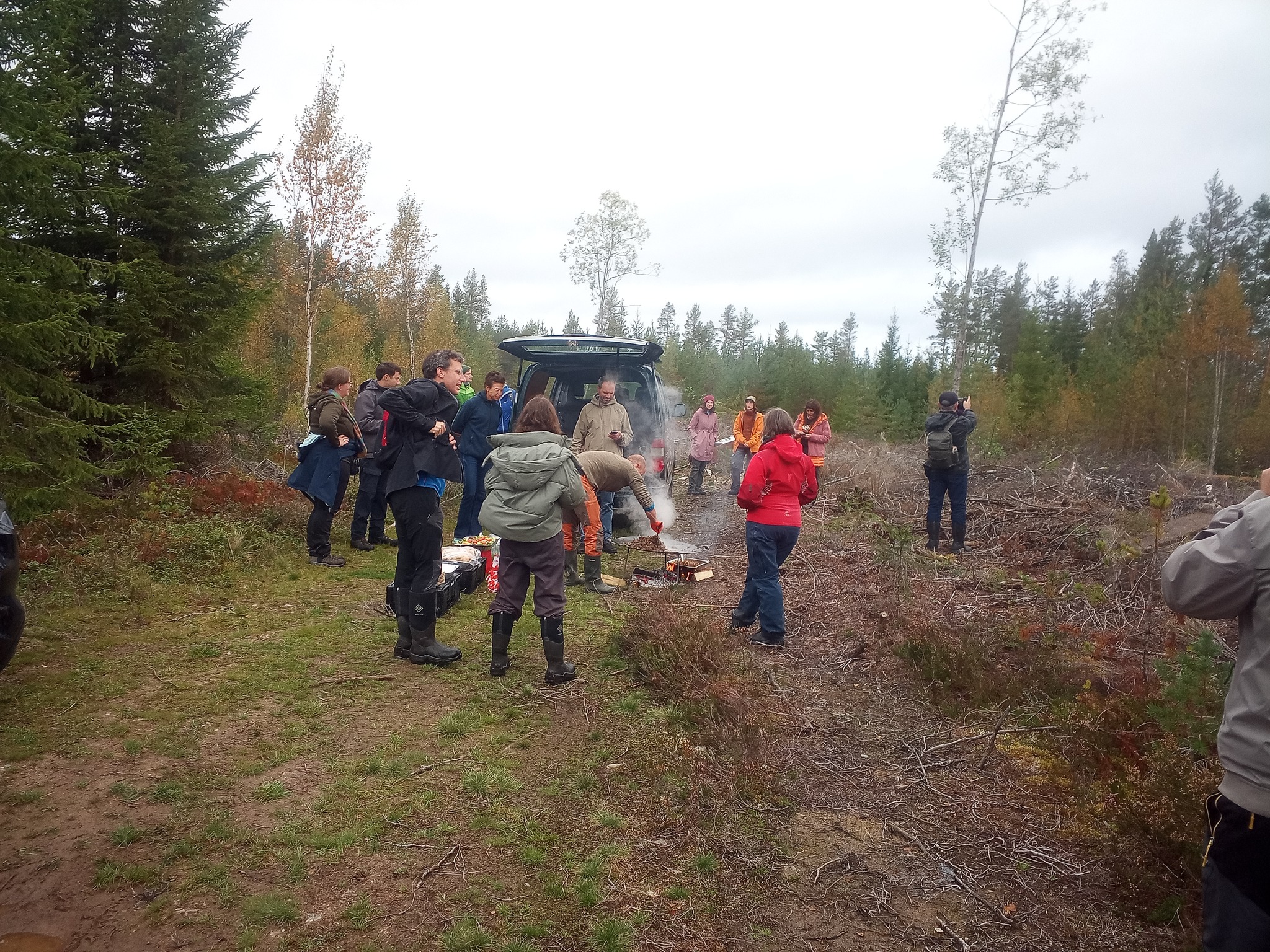
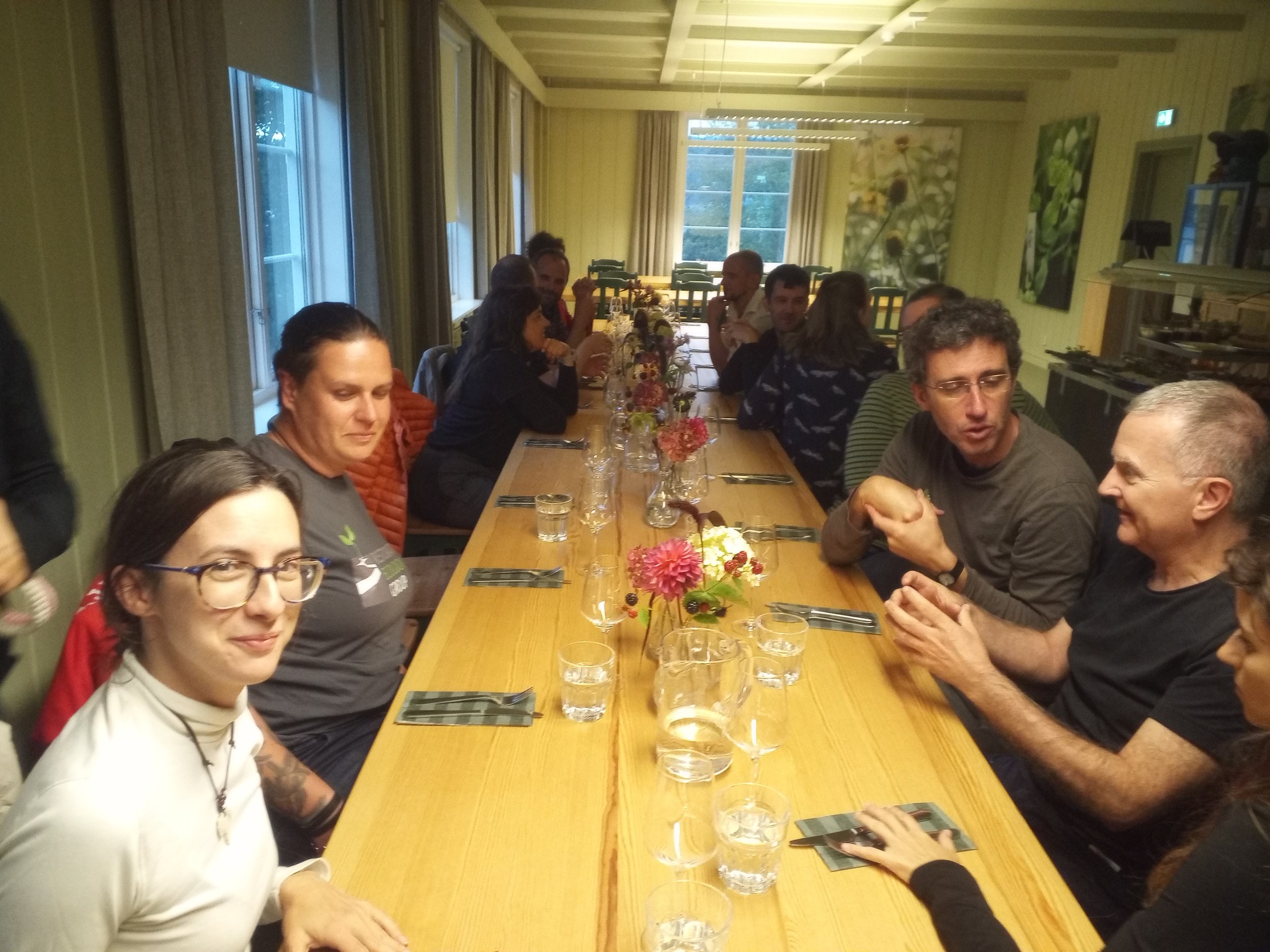
 This year's in-person meeting of the TEAM#UP Steering Committee took place in Norway. Since our working group is involved in all parts of this interesting and promising project, we could not miss this meeting. During the introductory excursion, we visited the restored peat bog, which served as a demonstration site for various peat bog restoration methods for students from a partner Norwegian vocational school Norges grønne fagskole - Vea. We then moved to the classroom, where we summarized the project's achievements and progress to date and set goals for the coming year. In the evening, we had the opportunity to visit the school surroundings, where other demonstration and experimental sites were established and monitored by students. This year's in-person meeting of the TEAM#UP Steering Committee took place in Norway. Since our working group is involved in all parts of this interesting and promising project, we could not miss this meeting. During the introductory excursion, we visited the restored peat bog, which served as a demonstration site for various peat bog restoration methods for students from a partner Norwegian vocational school Norges grønne fagskole - Vea. We then moved to the classroom, where we summarized the project's achievements and progress to date and set goals for the coming year. In the evening, we had the opportunity to visit the school surroundings, where other demonstration and experimental sites were established and monitored by students.
A huge thank you goes to the meeting organizers for the perfect organization, excellent food, great excursion, and pleasant atmosphere throughout the meeting!
We are already looking forward to (unfortunately, the last in-person meeting of this project), this time in Alicante, Spain.
#TeamUp2Restore
   
Published on Sep 24, 2025
 On Tuesday, September 16, a discussion entitled Green Roofs and Biodiversity, organized by Calla and the Faculty of Science of the University of South Bohemia, took place at the Horká Vana club in České Budějovice. On Tuesday, September 16, a discussion entitled Green Roofs and Biodiversity, organized by Calla and the Faculty of Science of the University of South Bohemia, took place at the Horká Vana club in České Budějovice.
Petra Janečková from the Faculty of Science at the USB presented how green roofs can be designed to benefit plants and insects, which species are suitable for them, and how to obtain seeds for regional mixtures. The discussion showed that public interest in green roofs continues to grow. Properly designed and maintained roofs can thus contribute significantly to the development of biodiversity in cities.
This project is co-financed with state support from the Technology Agency of the Czech Republic under the Programme Prostředí pro život. This project was funded under the National Recovery Plan from the European Instrument of Recovery and Resilience Facility.
#BioStřechy
  
Published on Sep 23, 2025
Published on Sep 14, 2025
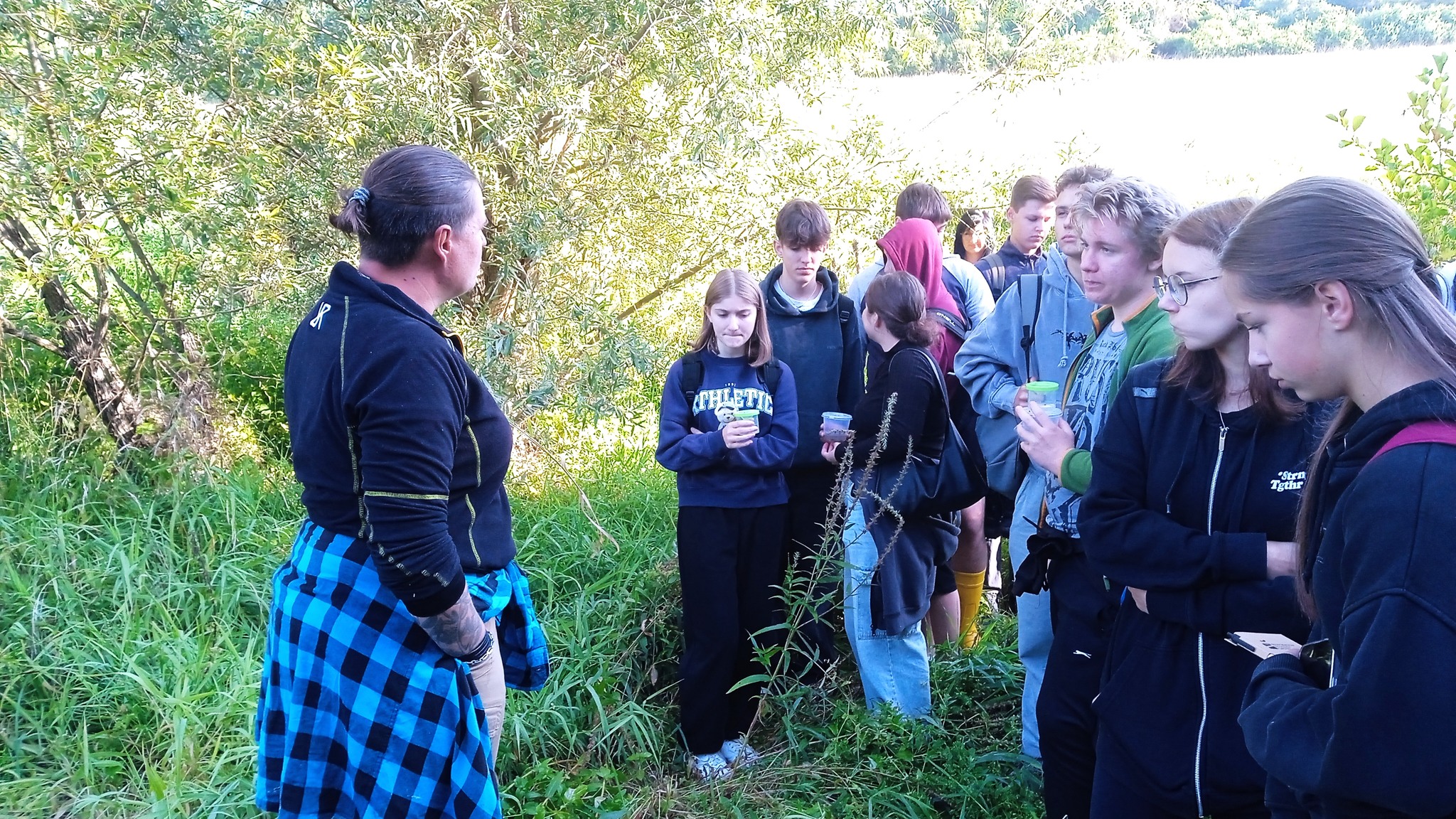
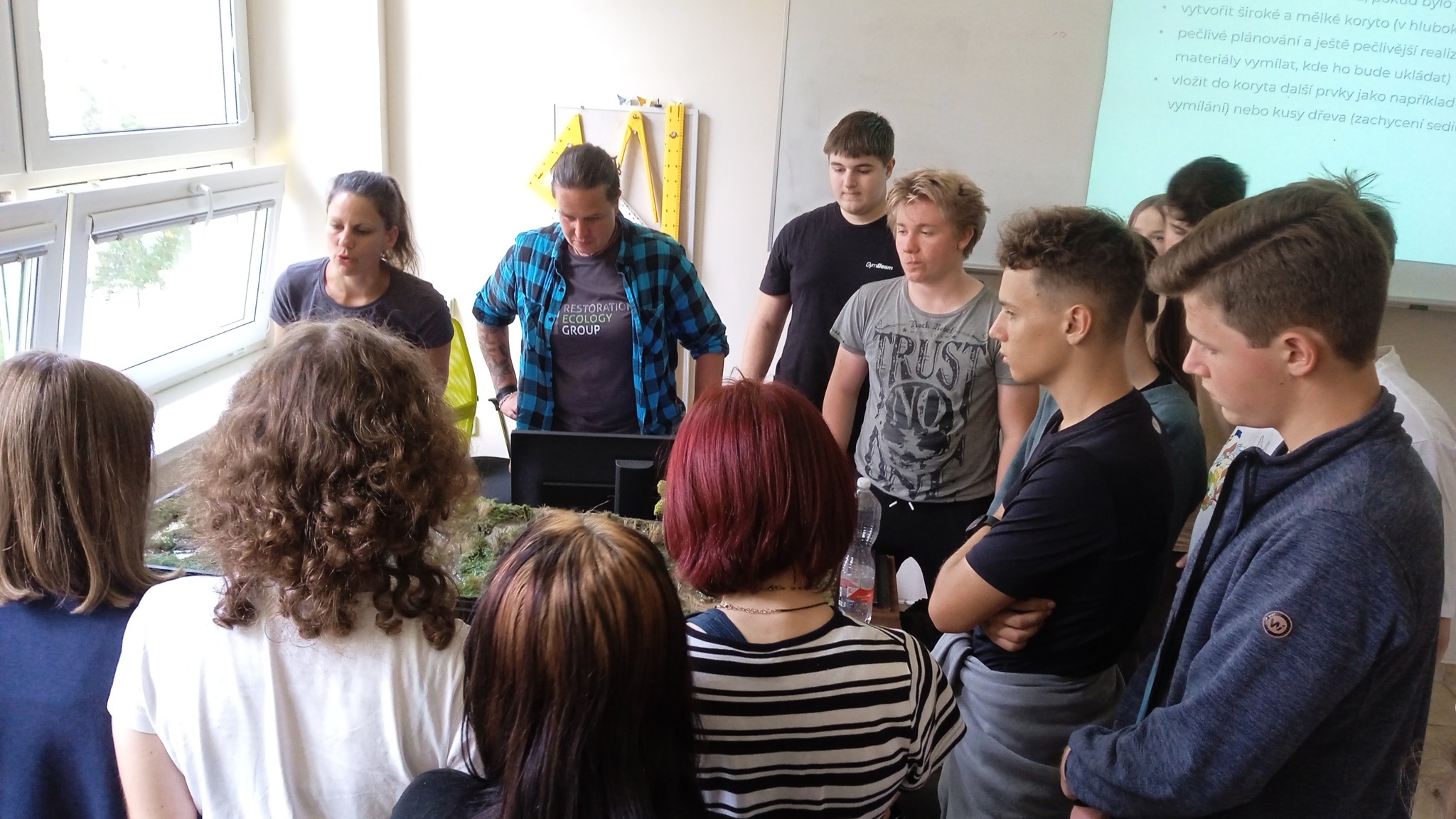
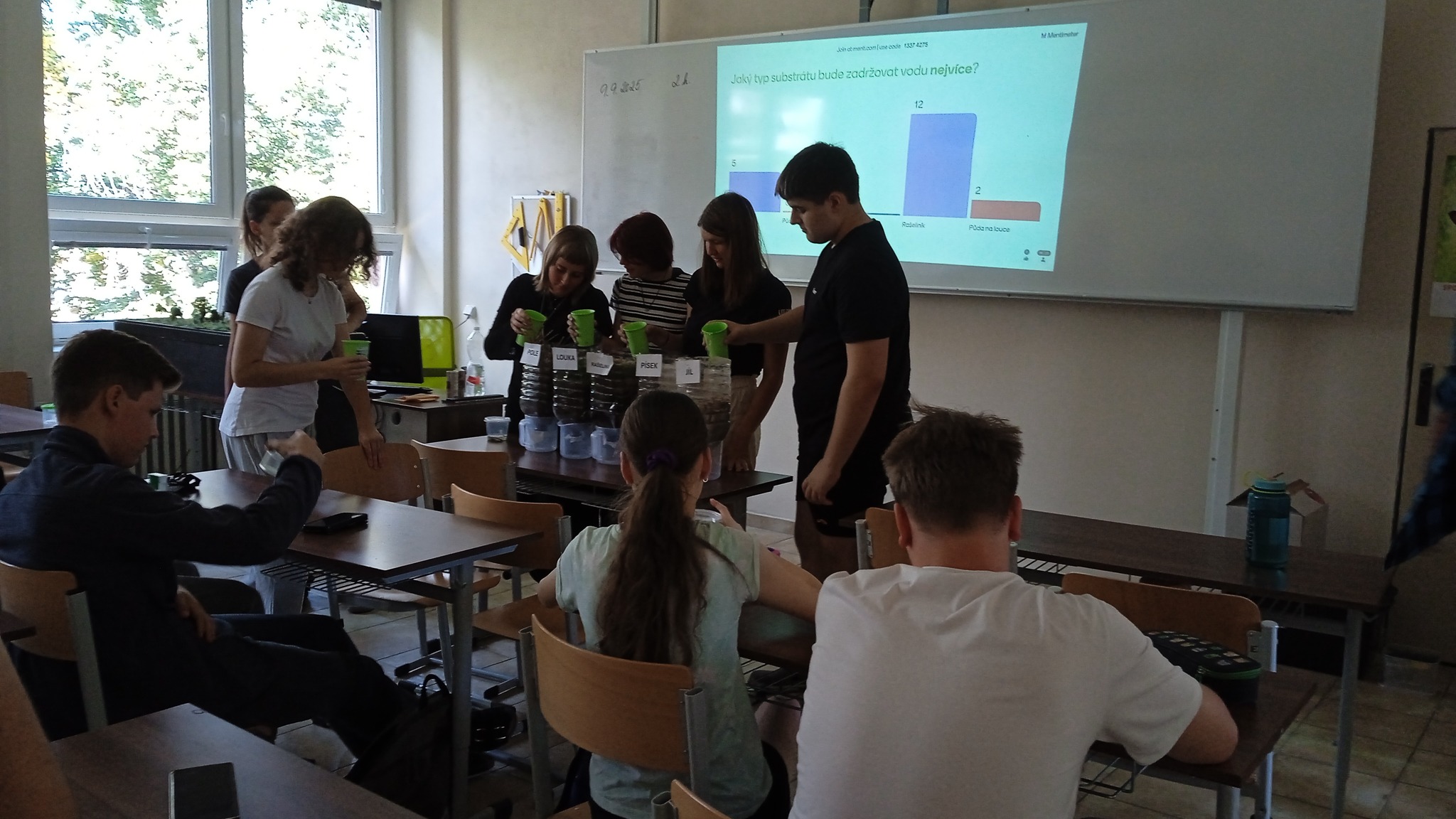
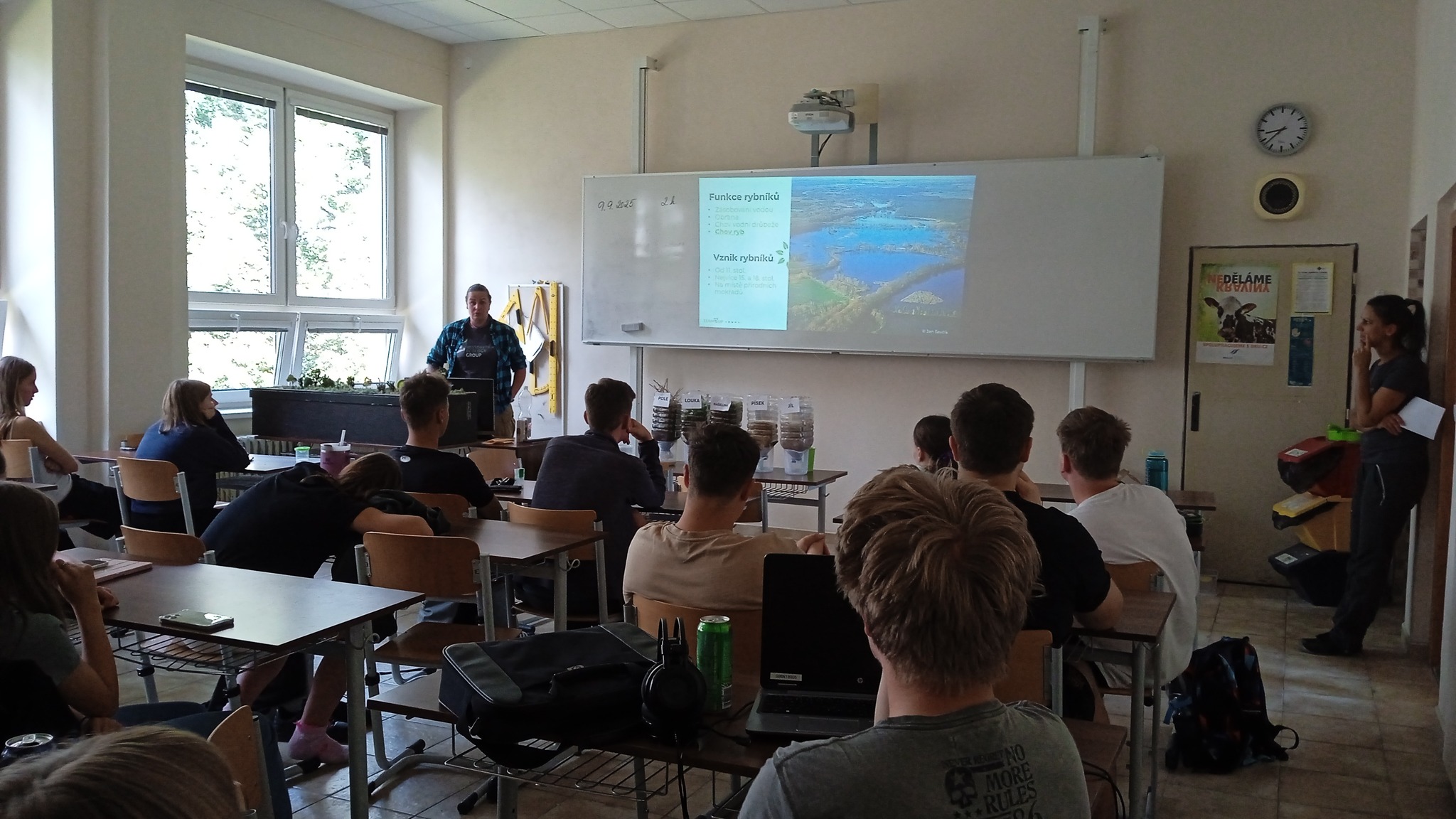
 The new school year has just begun, and we have already completed intensive field training with students from the Agricultural College and Agricultural Secondary School Benešov on the topic of water retention in the landscape and the revitalization of watercourses. We spent the morning visiting two examples of revitalization that took place at different locations along the Benešov brook. The students had the opportunity to see the revitalized stream bed and several newly created pools, where we showed them how revitalization contributes to slowing down water runoff from the landscape, but also what to avoid in order to ensure successful restoration. Students also caught aquatic orgamisms. Among the finds were mayfly larvae, but also the predatory water scorpion Nepa cinerea. In the afternoon, we summarized our field findings in a comprehensive lecture on the importance of water in the landscape. We also gave examples of aquatic and wetland ecosystems in our landscape, the problems they currently face, and the possibilities for their revitalization. With the help of samples of several types of substrate, the students were able to test how well different substrate types are able to retain water. Students could verify their assumptions, and see how soil quality affects, for example, the risk of flooding. Using a model of a riverine landscape, we showed how a watercourse in a natural riverbed functions as protection against the formation of a rapid flood wave. The new school year has just begun, and we have already completed intensive field training with students from the Agricultural College and Agricultural Secondary School Benešov on the topic of water retention in the landscape and the revitalization of watercourses. We spent the morning visiting two examples of revitalization that took place at different locations along the Benešov brook. The students had the opportunity to see the revitalized stream bed and several newly created pools, where we showed them how revitalization contributes to slowing down water runoff from the landscape, but also what to avoid in order to ensure successful restoration. Students also caught aquatic orgamisms. Among the finds were mayfly larvae, but also the predatory water scorpion Nepa cinerea. In the afternoon, we summarized our field findings in a comprehensive lecture on the importance of water in the landscape. We also gave examples of aquatic and wetland ecosystems in our landscape, the problems they currently face, and the possibilities for their revitalization. With the help of samples of several types of substrate, the students were able to test how well different substrate types are able to retain water. Students could verify their assumptions, and see how soil quality affects, for example, the risk of flooding. Using a model of a riverine landscape, we showed how a watercourse in a natural riverbed functions as protection against the formation of a rapid flood wave.
At the end of this exercise, the students tried to design their own project for the revitalization of a selected watercourse. They had newly designed worksheets at their disposal, which had not been included in the lessons until then. Despite the relatively short time available to complete the task, the students coped very well. Their projects included returning selected watercourses to their original beds where possible, designing new beds with meanders and wide floodplains, designing shallow pools, removing rubbish, and so on. Together with the students, we then had the opportunity to discuss the individual projects not only from the perspective of biological diversity, but also from the perspective of the public, which must always be involved in restoration projects. We hope that this gave the students a new perspective on water in the landscape and the obstacles that wetland ecosystems face every day. We are very pleased with the overall positive feedback, but we also appreciate suggestions for future improvements.
During the field part of the exercise, we also collected material for a VR tour. The students were tasked with taking photos and videos. We arrived equipped with a drone and a special camera that takes 360° photos. Under our guidance, the students will then process this material into their own VR tour, which will allow them to pass on their experiences in an engaging way. They will also review everything they learned about revitalization during the field training.
With this event, we have kicked off another school year full of intensive collaboration and the transfer of knowledge about ecological restoration into secondary vocational education.
We would like to thank our colleagues from the Faculty of Fisheries and Water Protection at the University of South Bohemia for lending us the amazing model of the riverine landscape and our wonderful assistant Majda for the photos.
#TeamUp2Restore
     
|
|


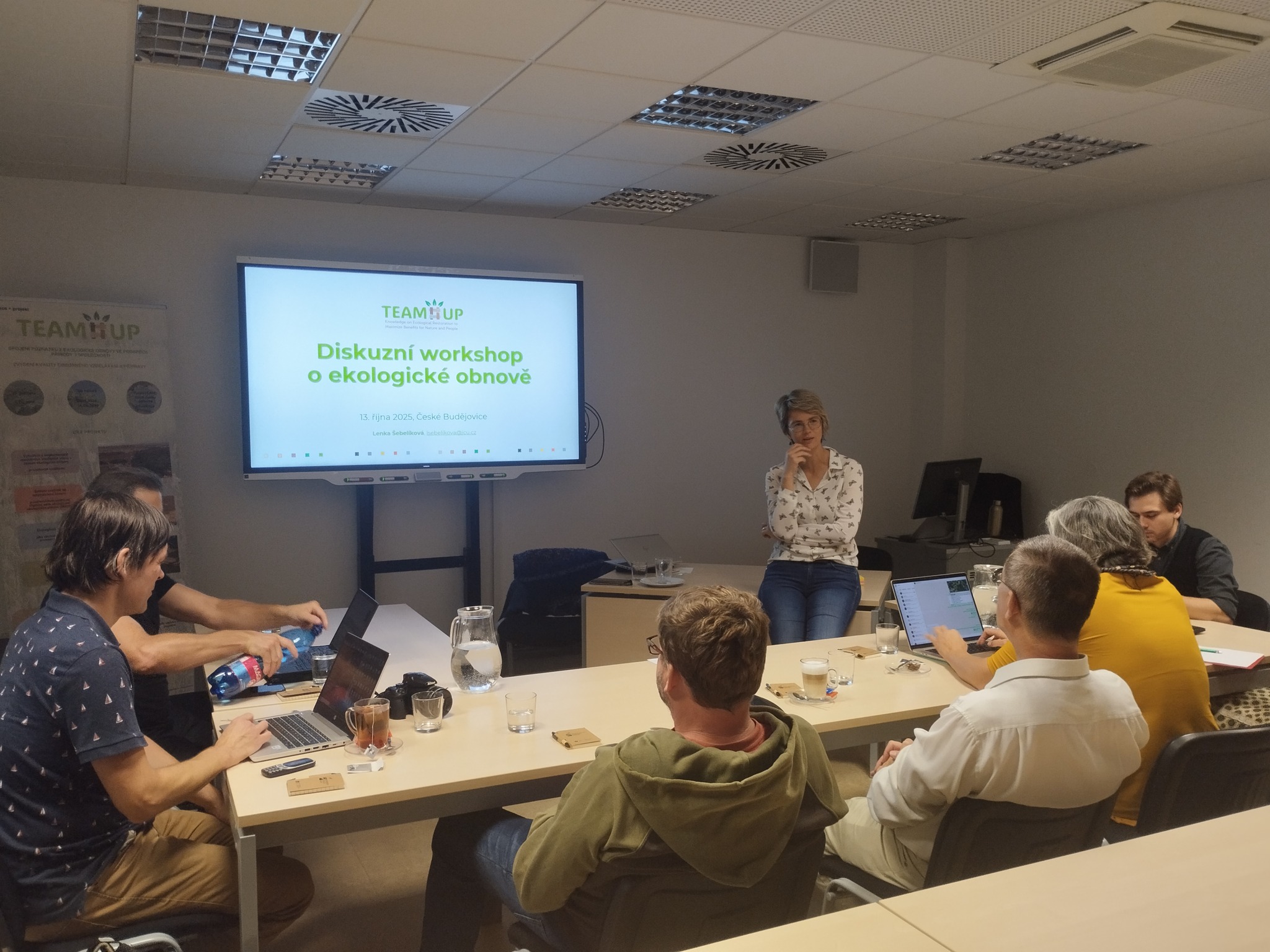 Last week, a Focus group on ecological restoration was held in České Budějovice as part of the TEAM#UP project. The goal was clear—to fine-tune the teaching materials that we use to feed the DERTO platform (derto.teamup2restore.eu). All essential information on the topic of ecological restoration will be collected there and made available to a wide range of users. We also discussed the long-term sustainability of the platform and materials, as well as the best way to support the teaching of ecological restoration in VET schools. The meeting was particularly fruitful thanks to the fact that it brought together a very diverse group of people with different perspectives on the issue – from the private, public, academic, and non-governmental sectors.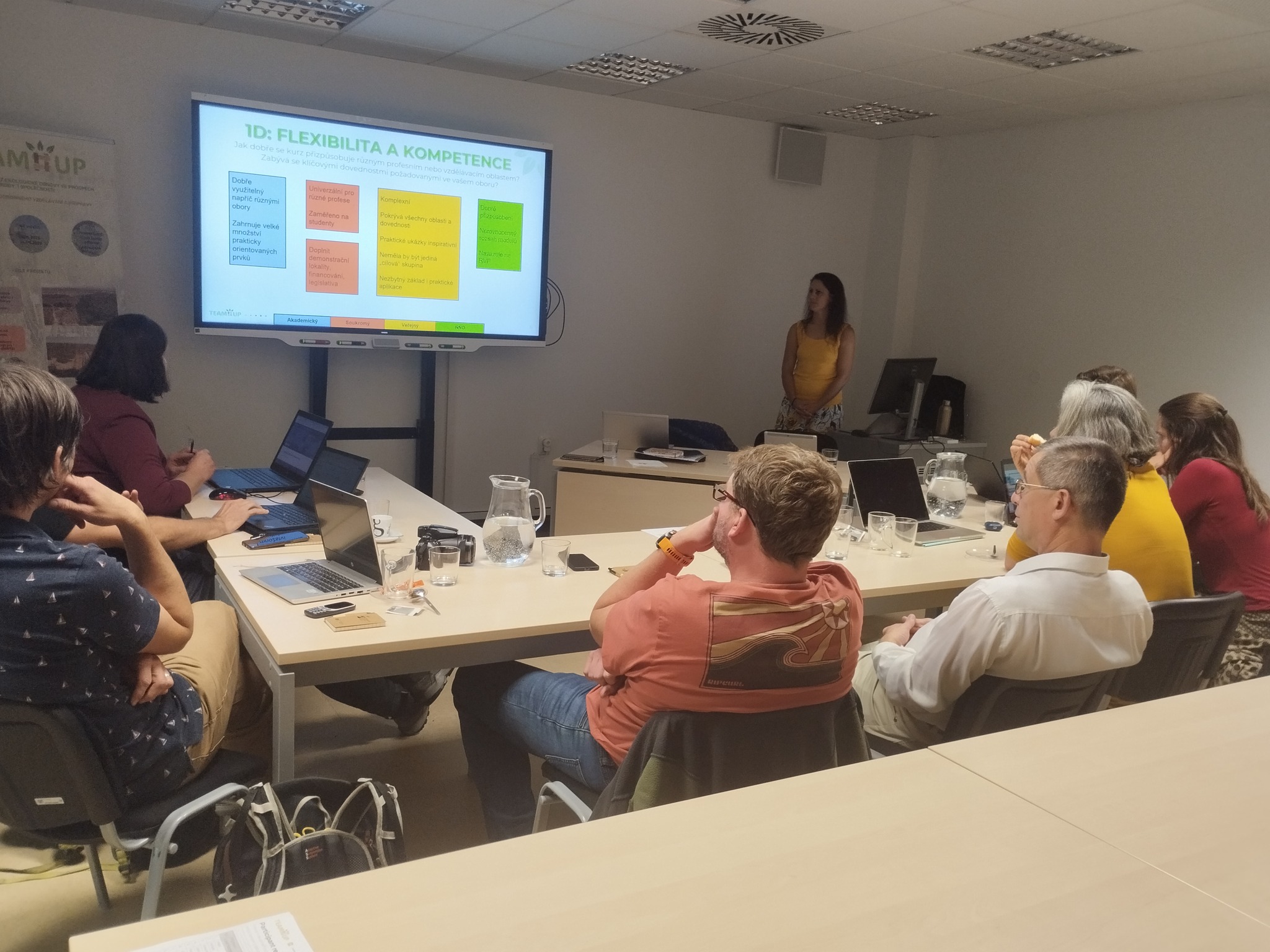


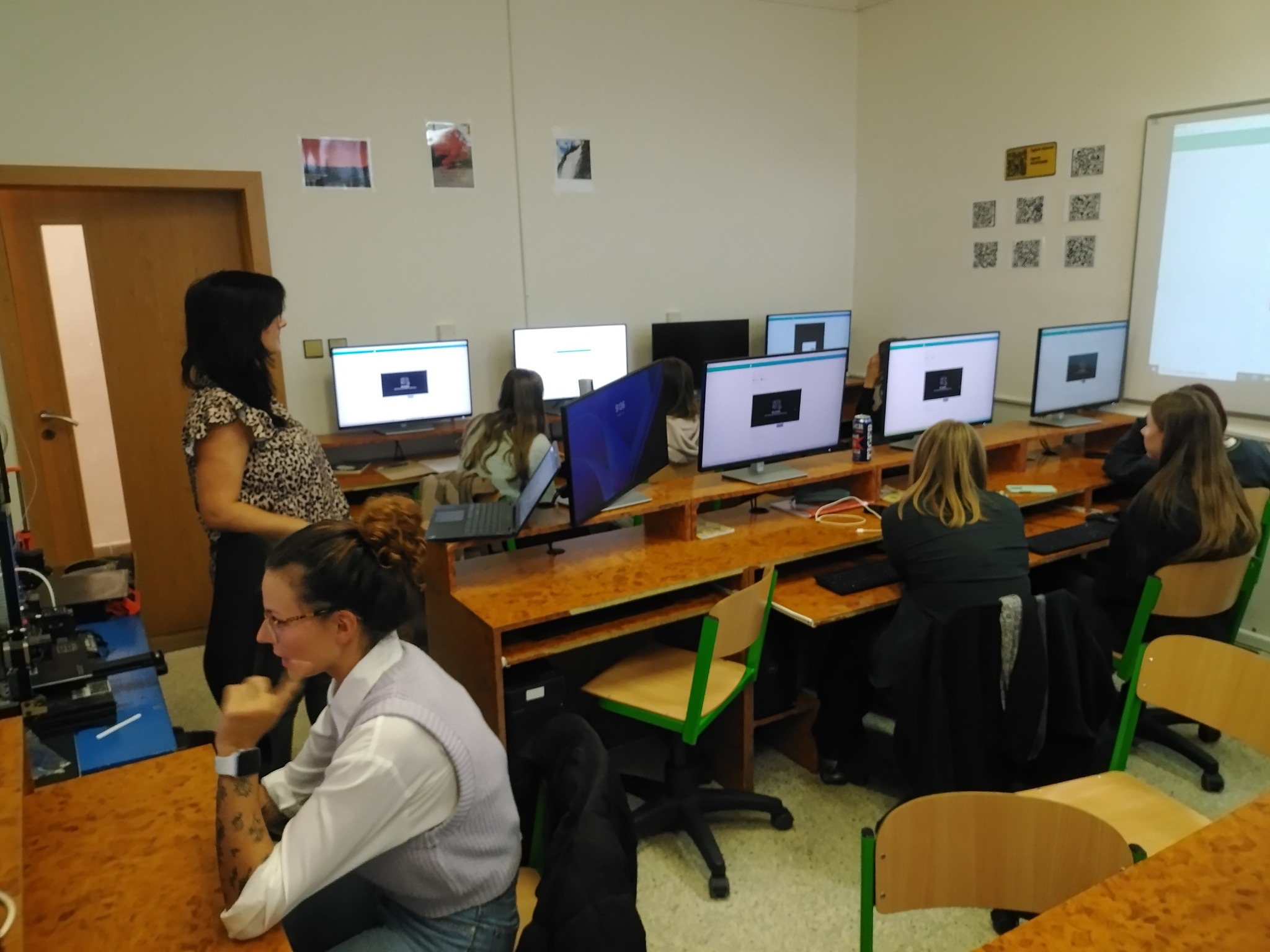 The intensive cooperation with our partner secondary vocational school in Benešov continues. On Monday, we conducted training there on creating virtual tours in LUMI. The training was attended not only by students, who used it to process material acquired during our earlier excursion to the revitalized stream in Benešov, but also teachers, who will pass the knowledge to their students. The training was skillfully led by our students, Ester Šůsová and Šimon Cais. If you are interested in creating virtual tours, check out our newly created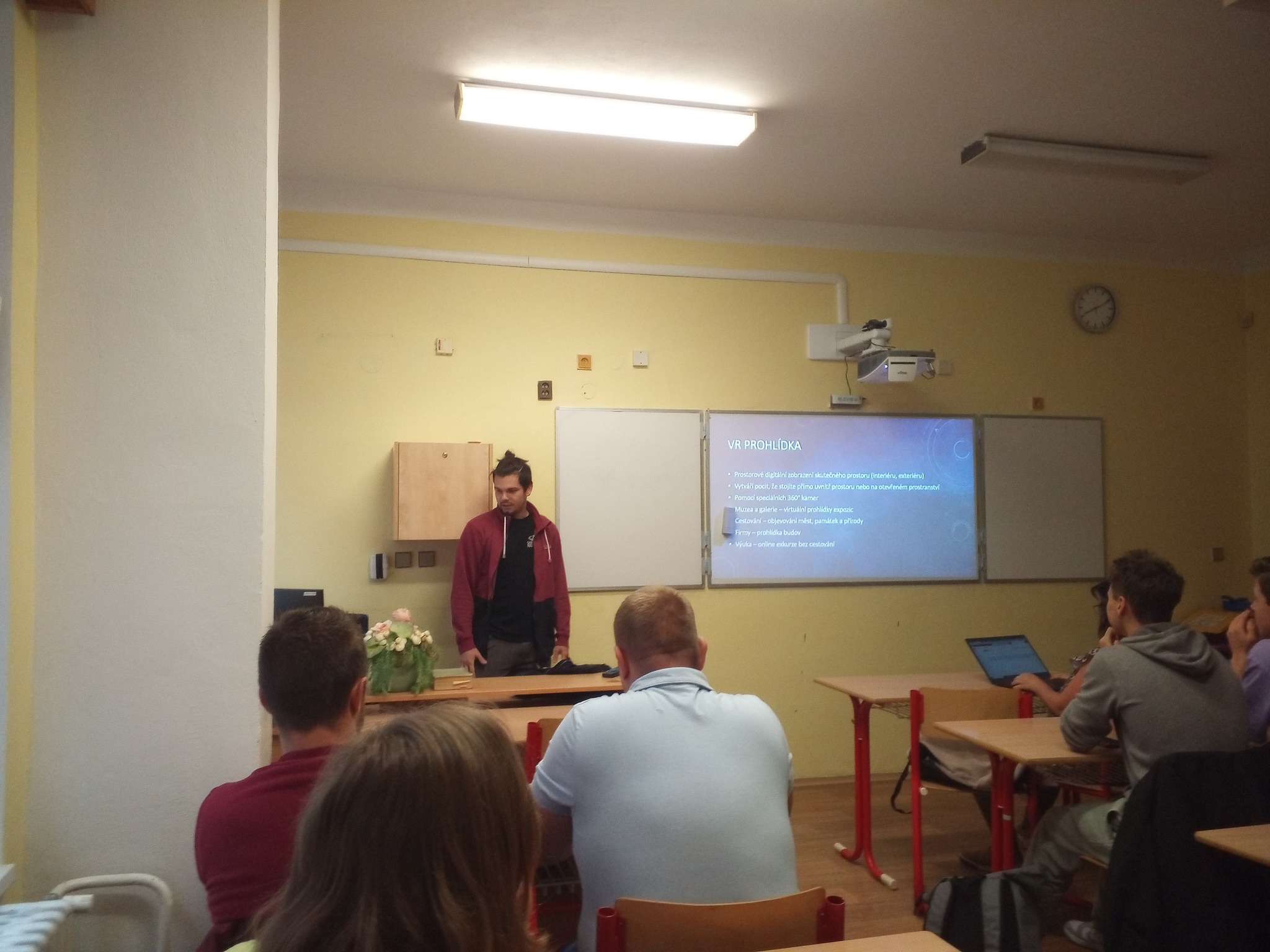
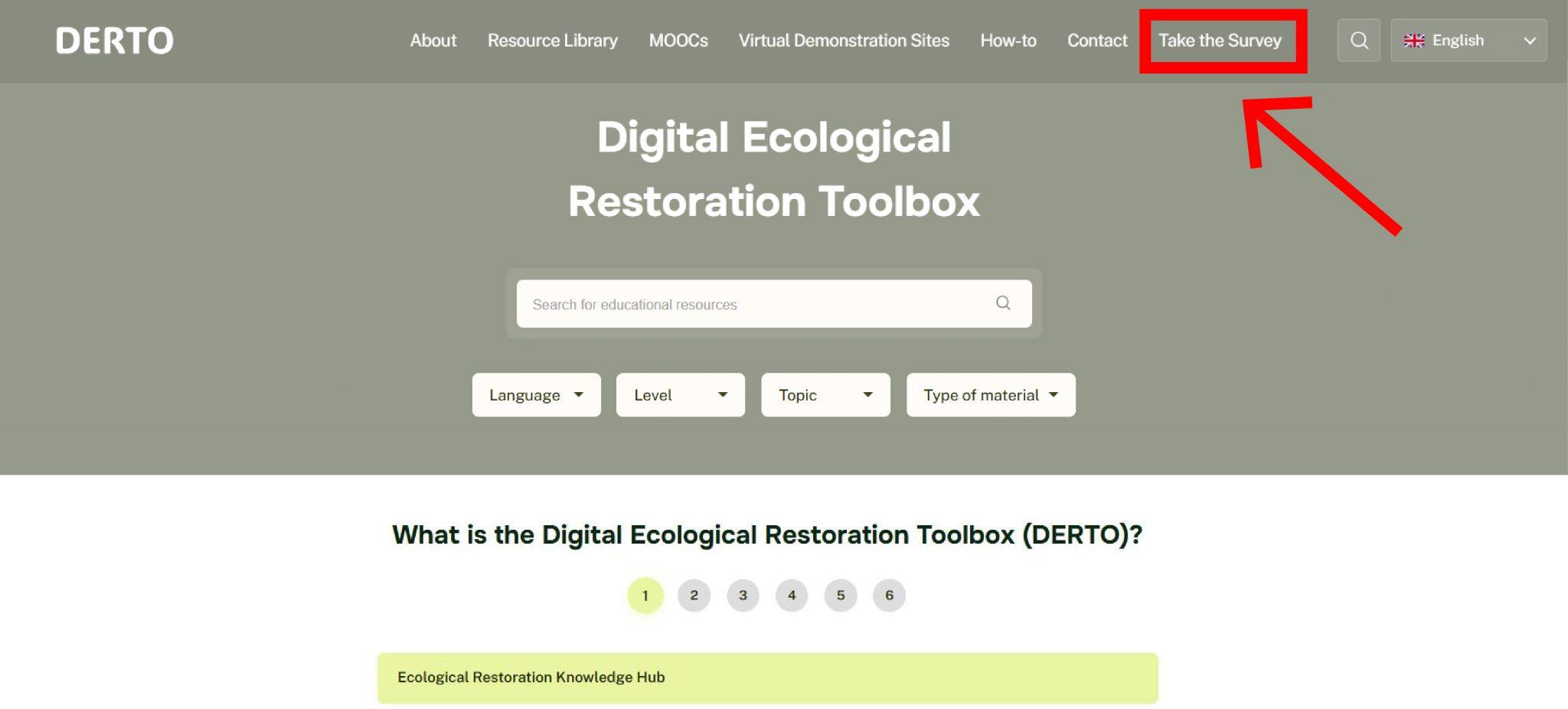 Help us improve the newly launched beta version of our educational platform, the Digital Ecological Restoration Toolbox (DERTO)! This platform offers freely accessible educational materials in the field of ecological restoration.
 This year's in-person meeting of the TEAM#UP Steering Committee took place in Norway. Since our working group is involved in all parts of this interesting and promising project, we could not miss this meeting. During the introductory excursion, we visited the restored peat bog, which served as a demonstration site for various peat bog restoration methods for students from a partner Norwegian vocational school Norges grønne fagskole - Vea. We then moved to the classroom, where we summarized the project's achievements and progress to date and set goals for the coming year. In the evening, we had the opportunity to visit the school surroundings, where other demonstration and experimental sites were established and monitored by students.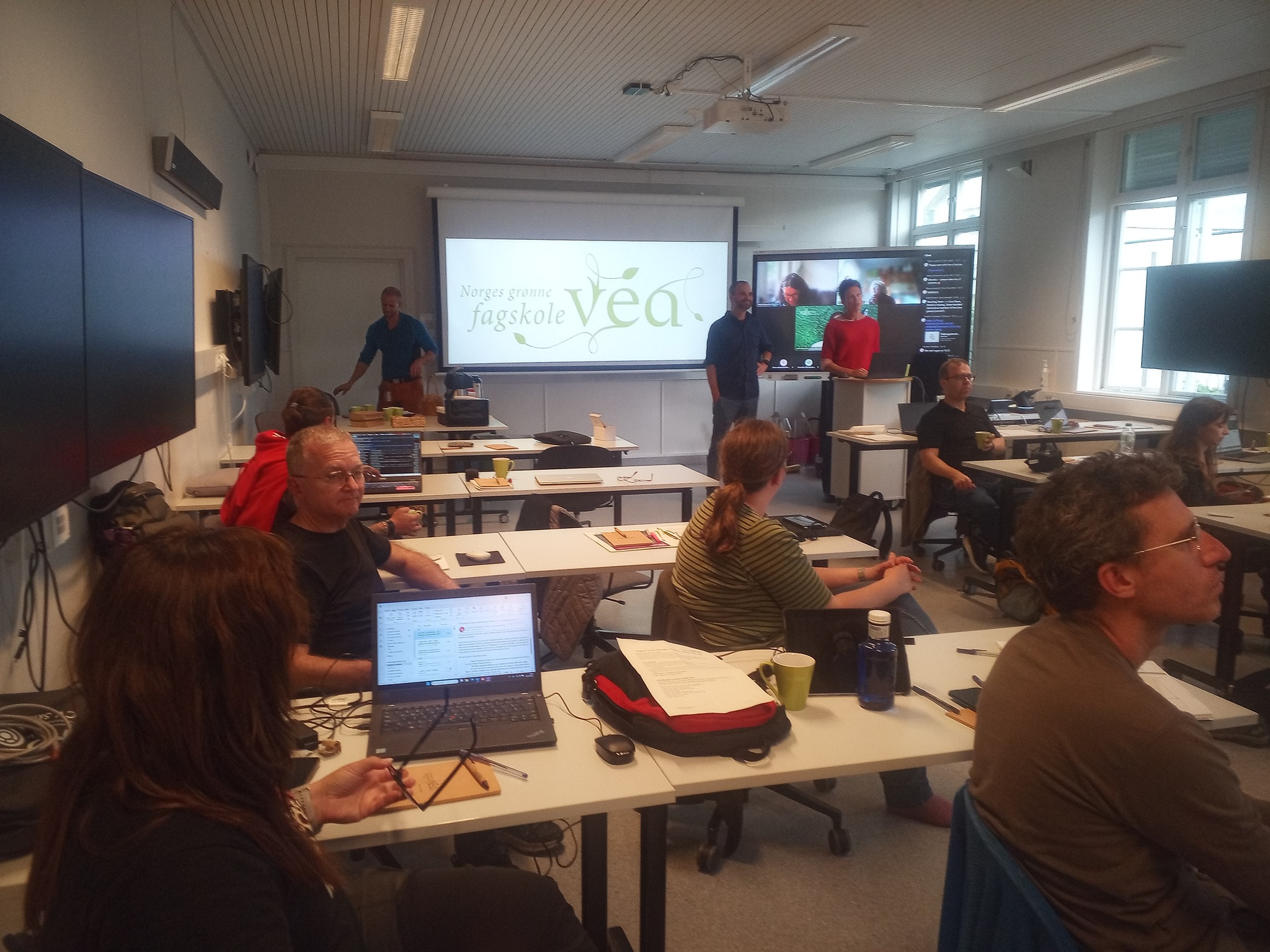
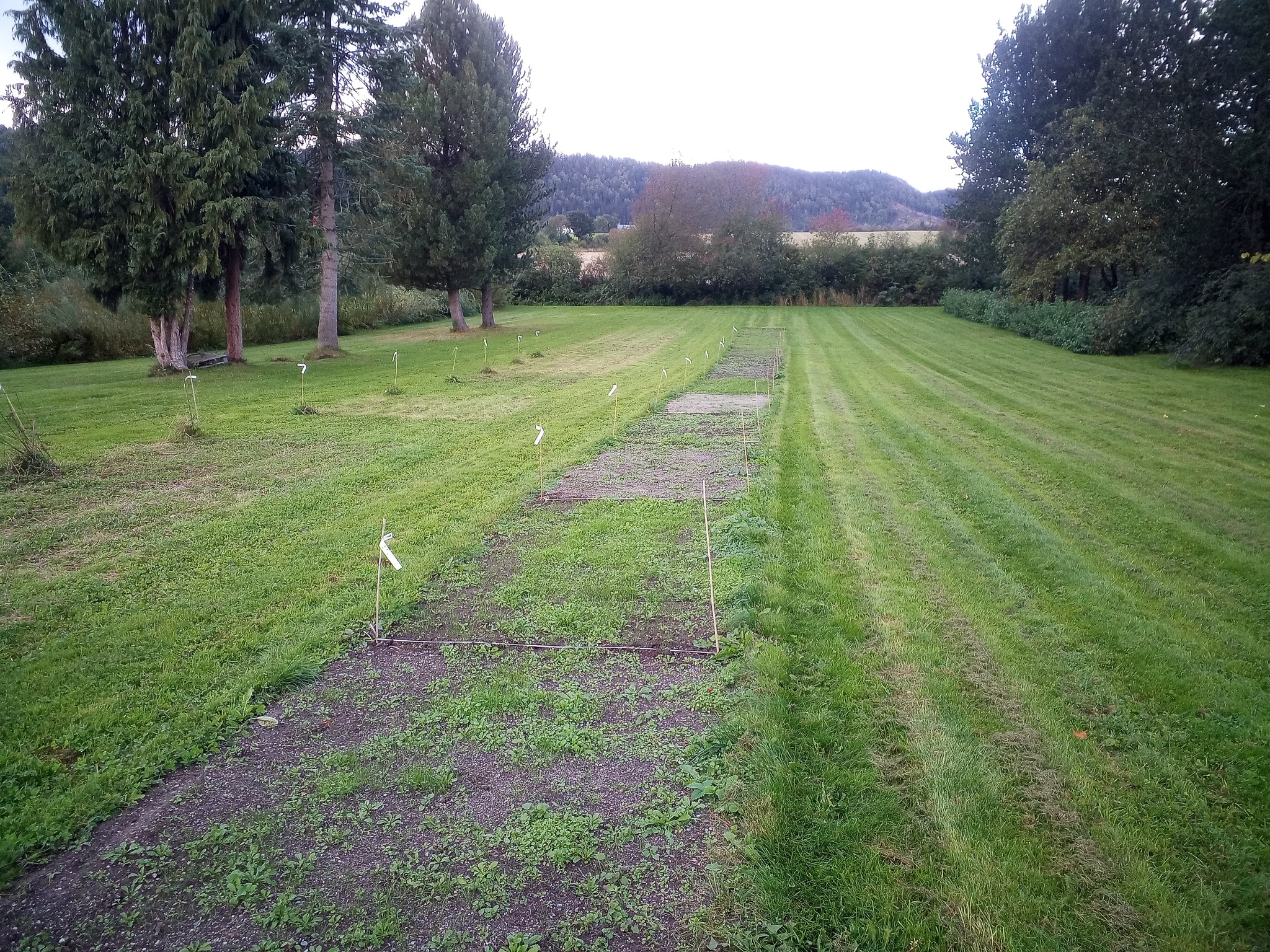
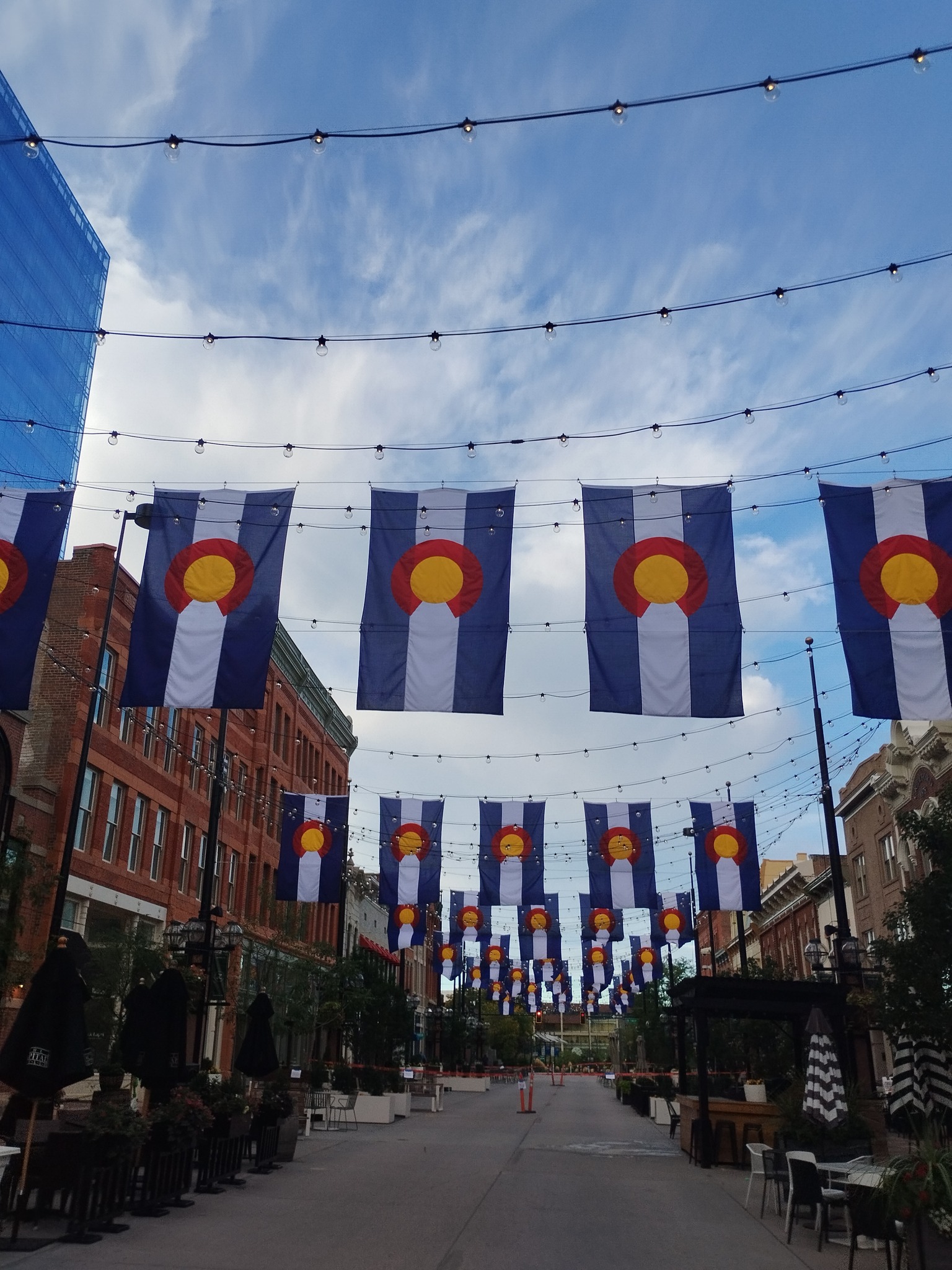
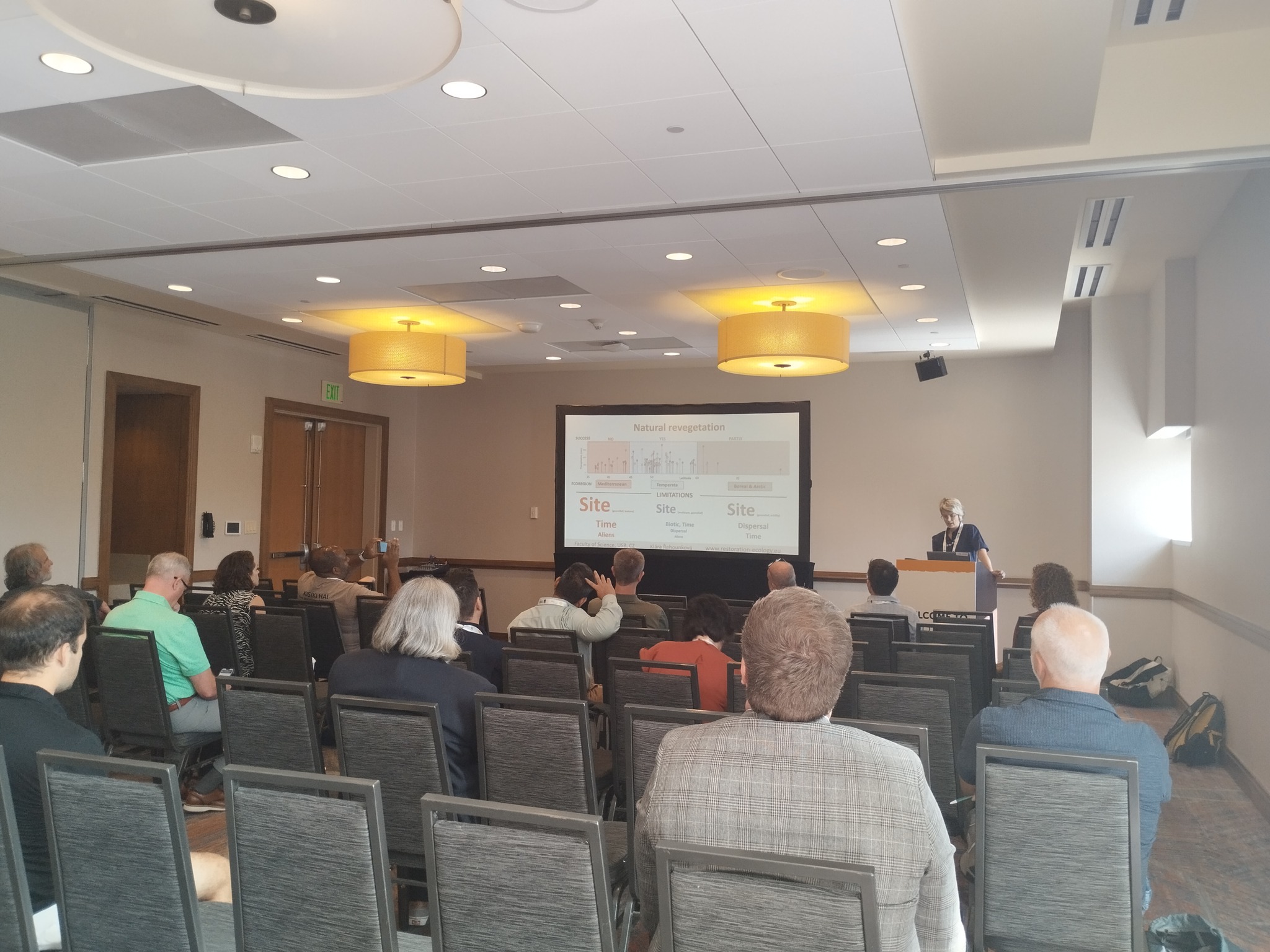
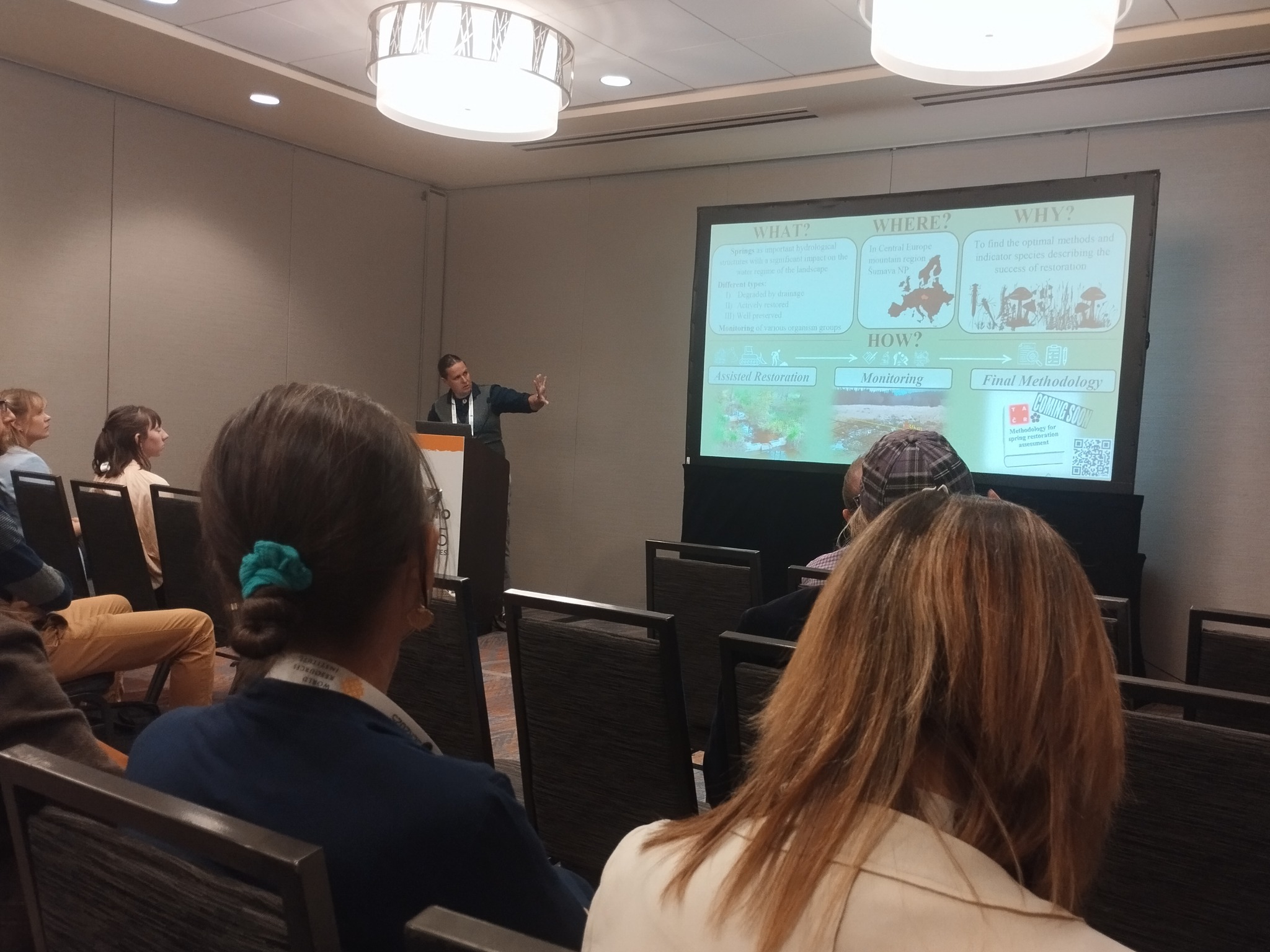
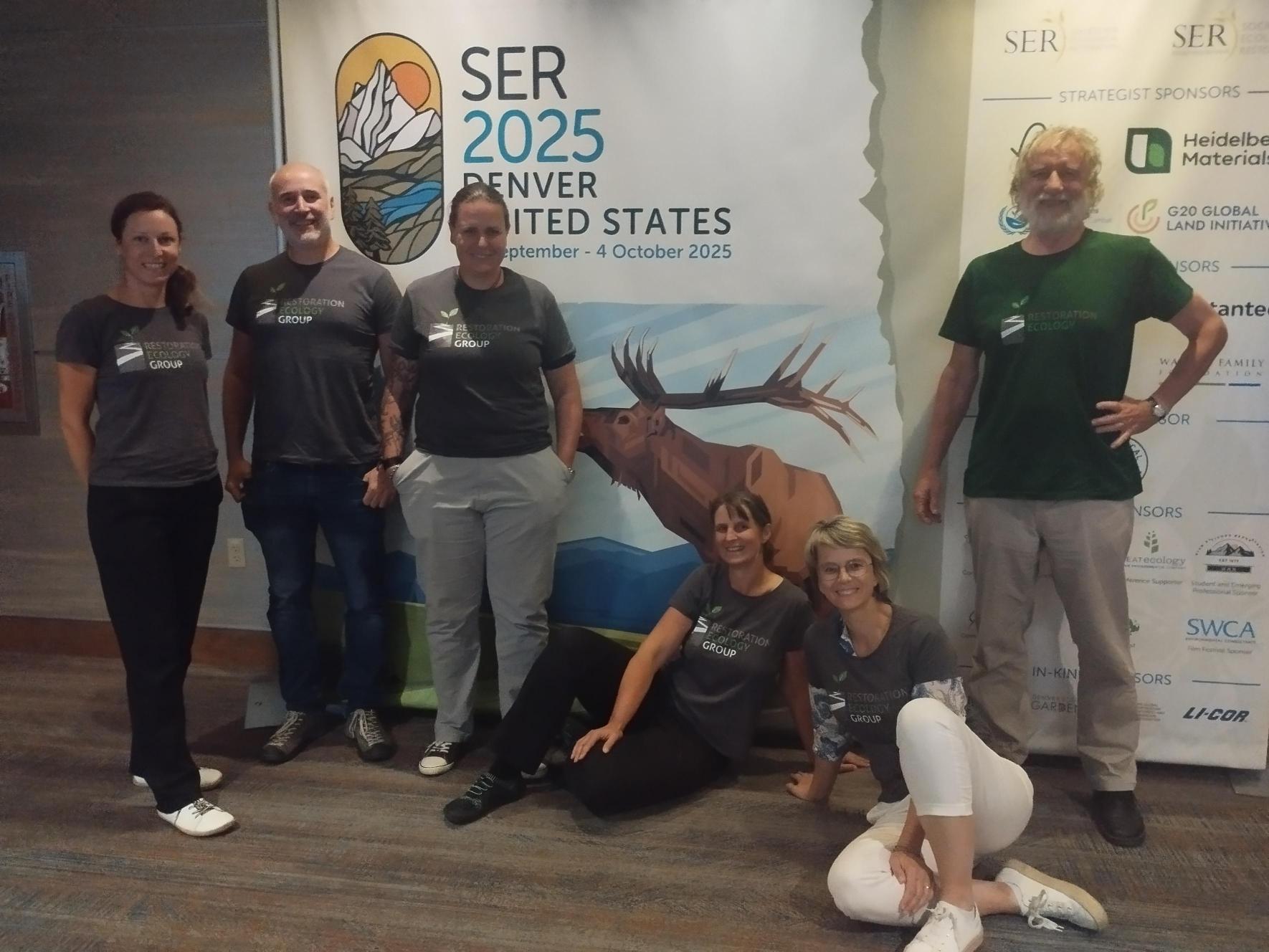 Every year, we attend conferences organized by the Society for Ecological Restoration to gather new ideas and share experiences. This year, six representatives of our Restoration Ecology Group attended the 11th World Conference on Ecological Restoration in Denver, USA. The topics of our takls follow our ongoing projects - Anička Müllerová gave a presentation on the restoration of springs, Kamila Vítovcová shared her experience with monitoring the degradation of peat bogs, Klára Řehounková and Petra Janečková shared their experience with extensive green roofs, Miguel Ballesteros focused on spontaneous succession on former arable fields across Europe, and Karel Prach spoke about non-native species and whether or not they pose a threat during succession. Conferences on ecological restoration are not only a unique opportunity to meet colleagues from different parts of the world, but they also help us to objectively assess our work.

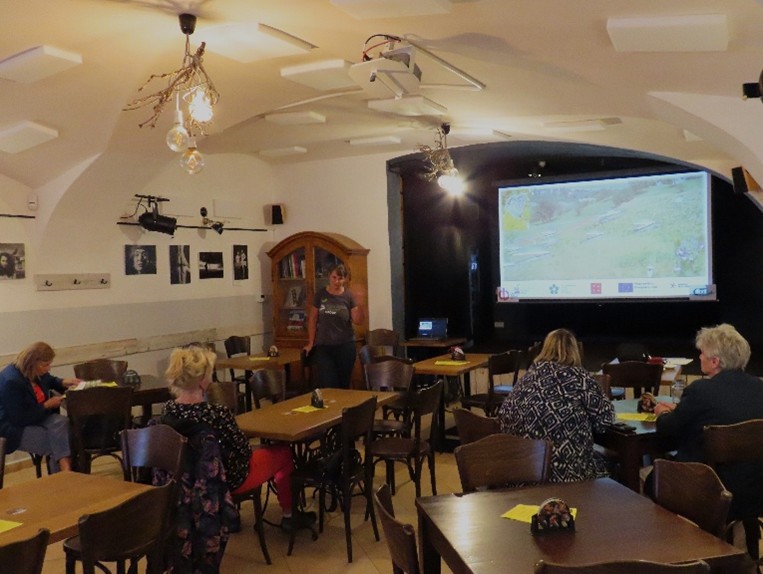 On Tuesday, September 16, a discussion entitled Green Roofs and Biodiversity, organized by Calla and the Faculty of Science of the University of South Bohemia, took place at the Horká Vana club in České Budějovice.

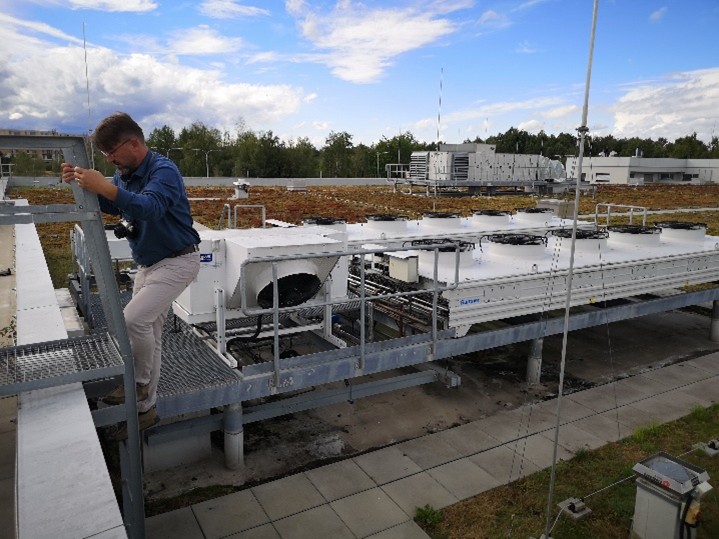
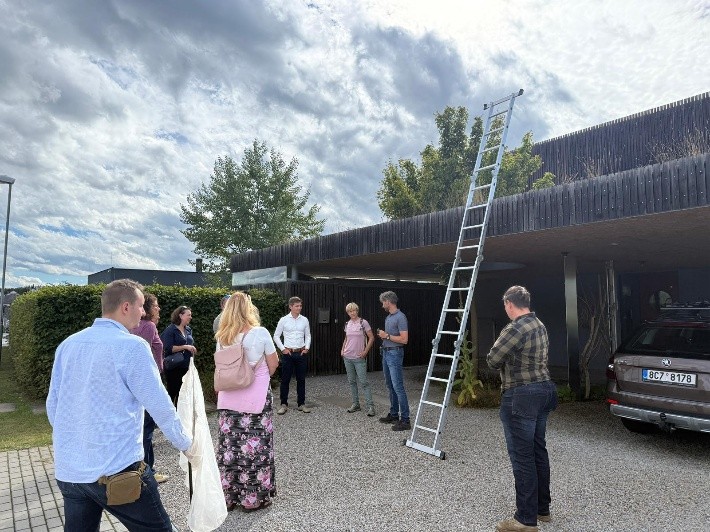
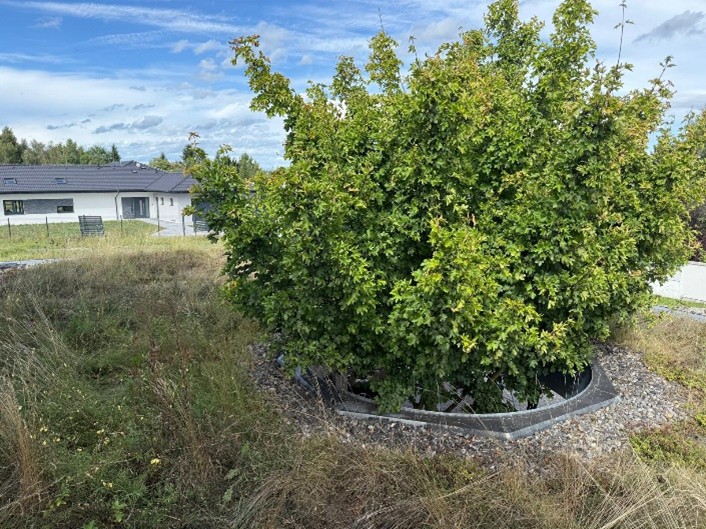
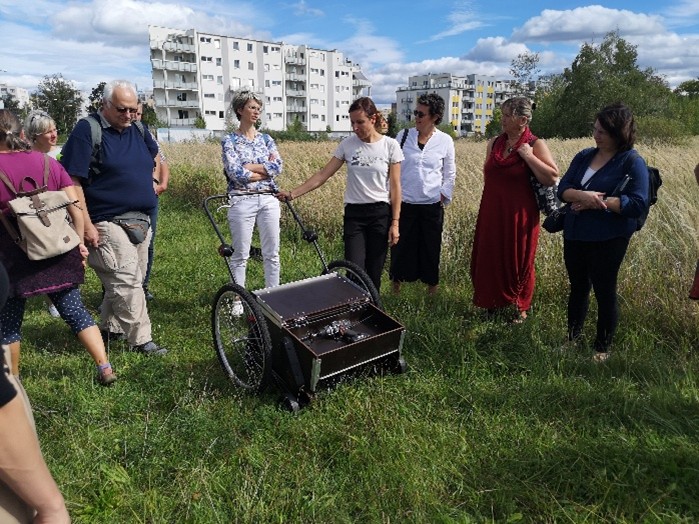
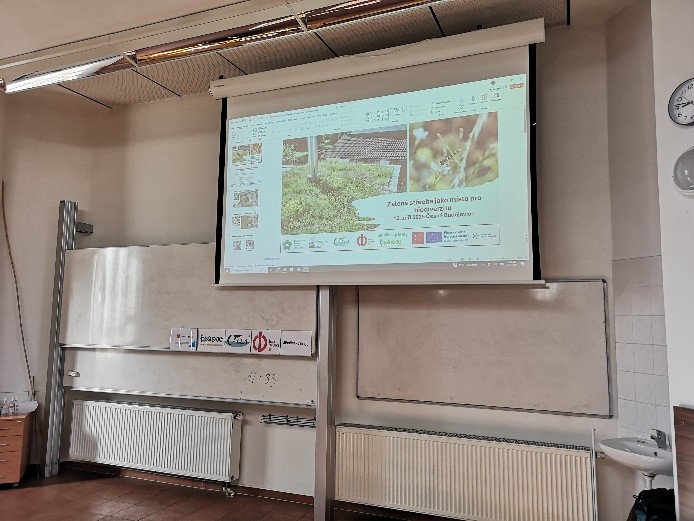
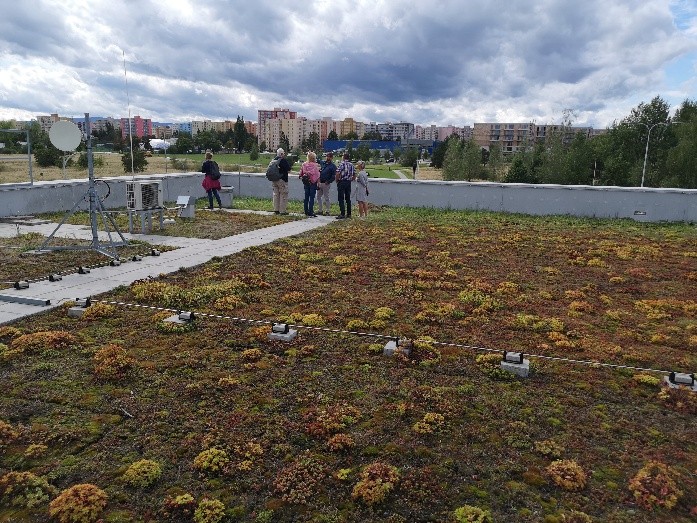 On Monday, September 15, a professional seminar entitled Green Roofs as a Place for Biodiversity was held at the Faculty of Science of the University of South Bohemia in České Budějovice, organized by Calla – Association for Environmental Protection together with the Faculty of Science of the University of South Bohemia. Participants learned about the importance of green roofs for plants, pollinators, and architecture, as well as the possibilities for establishing them using regional seeds. The afternoon was devoted to practical demonstrations – in the 4Dvory city park, we tried out a brushing machine for harvesting seeds and then visited two green roofs: a biodiversity roof on a family house and a sedum roof with herbs sown on a supermarket.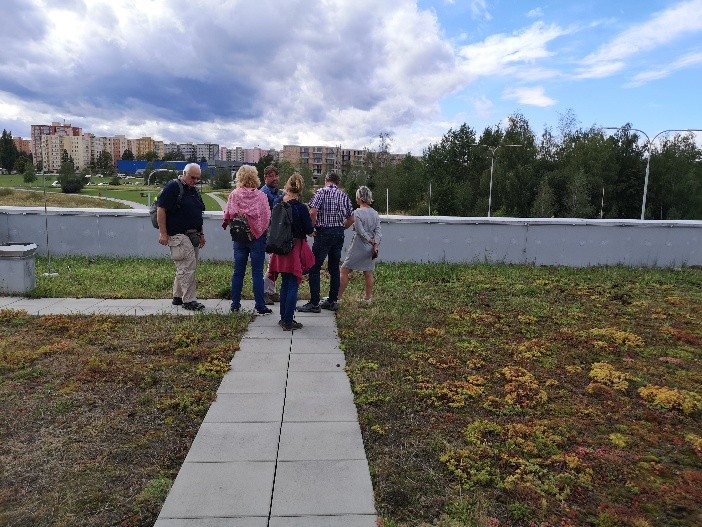
 The new school year has just begun, and we have already completed intensive field training with students from the Agricultural College and Agricultural Secondary School Benešov on the topic of water retention in the landscape and the revitalization of watercourses. We spent the morning visiting two examples of revitalization that took place at different locations along the Benešov brook. The students had the opportunity to see the revitalized stream bed and several newly created pools, where we showed them how revitalization contributes to slowing down water runoff from the landscape, but also what to avoid in order to ensure successful restoration. Students also caught aquatic orgamisms. Among the finds were mayfly larvae, but also the predatory water scorpion Nepa cinerea. In the afternoon, we summarized our field findings in a comprehensive lecture on the importance of water in the landscape. We also gave examples of aquatic and wetland ecosystems in our landscape, the problems they currently face, and the possibilities for their revitalization. With the help of samples of several types of substrate, the students were able to test how well different substrate types are able to retain water. Students could verify their assumptions, and see how soil quality affects, for example, the risk of flooding. Using a model of a riverine landscape, we showed how a watercourse in a natural riverbed functions as protection against the formation of a rapid flood wave.