|
Published on Jul 24, 2025
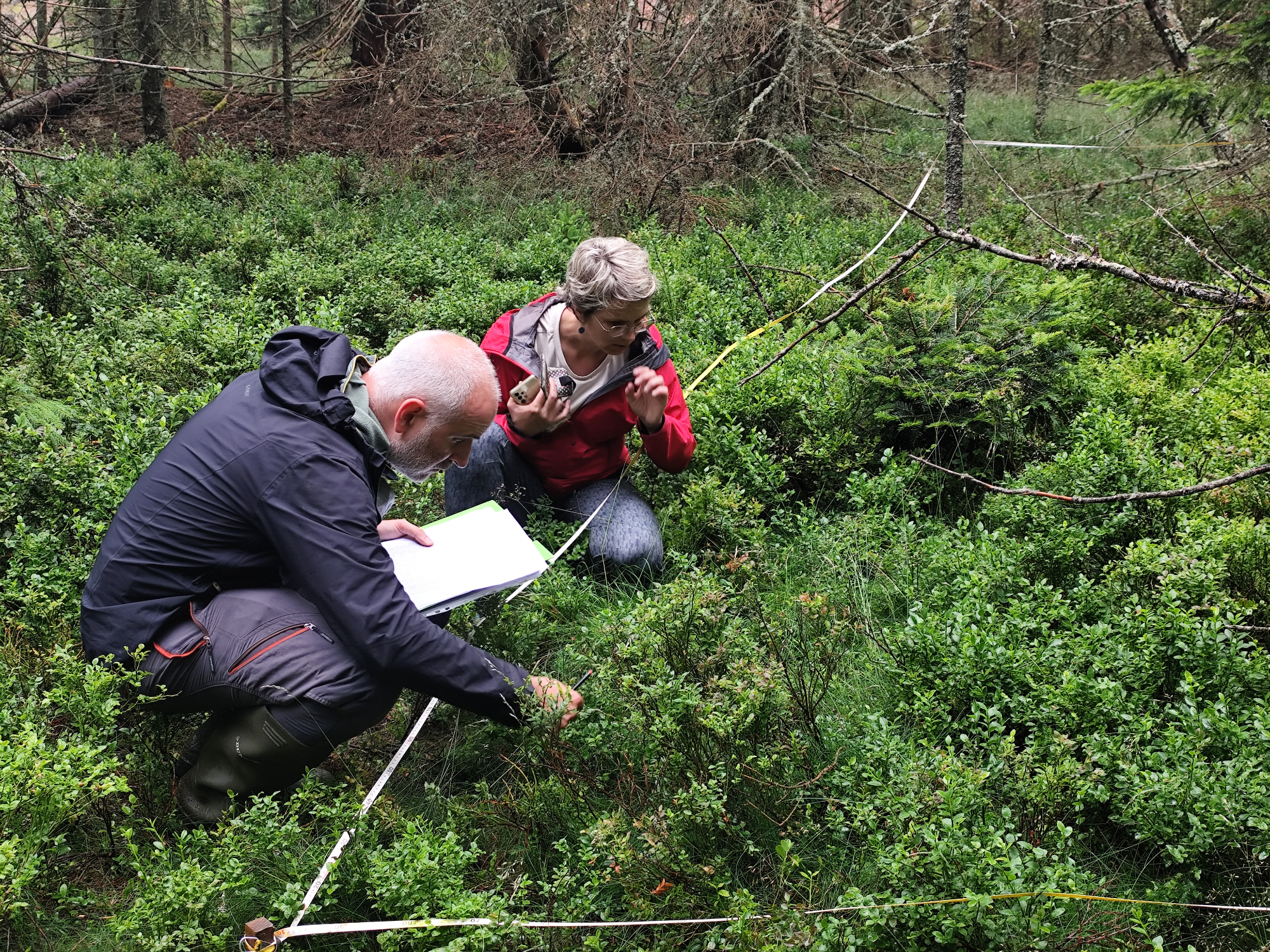
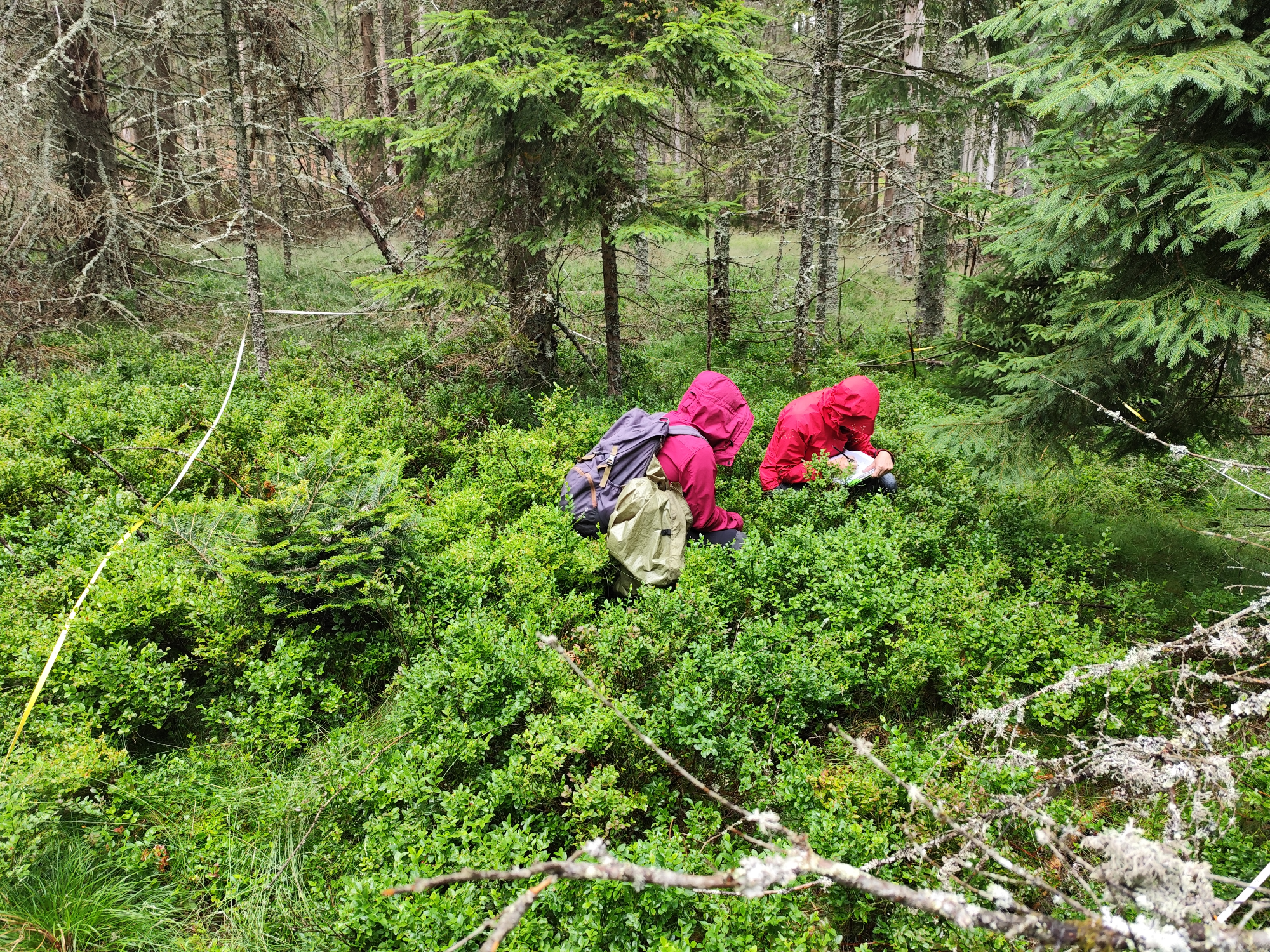
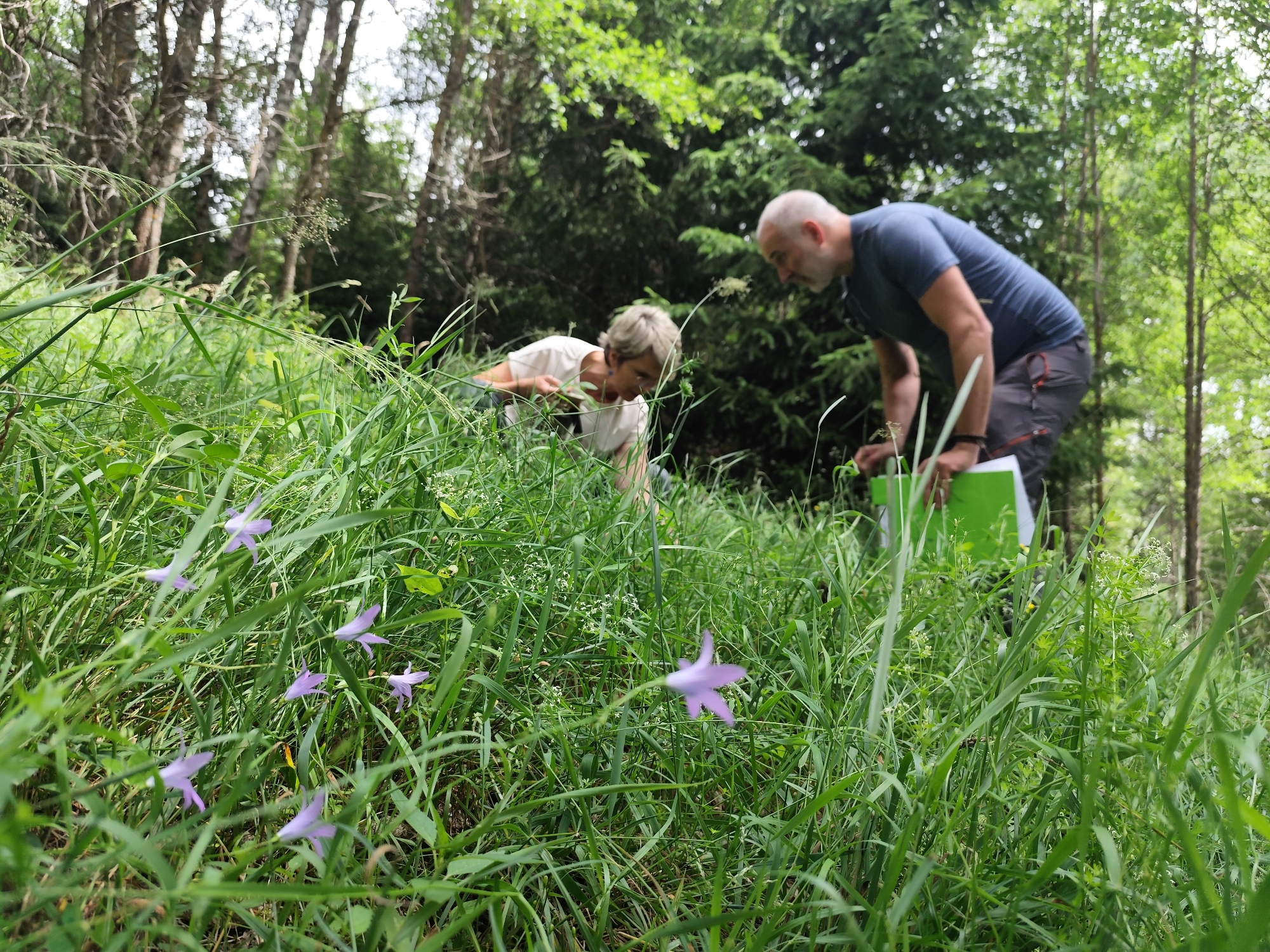
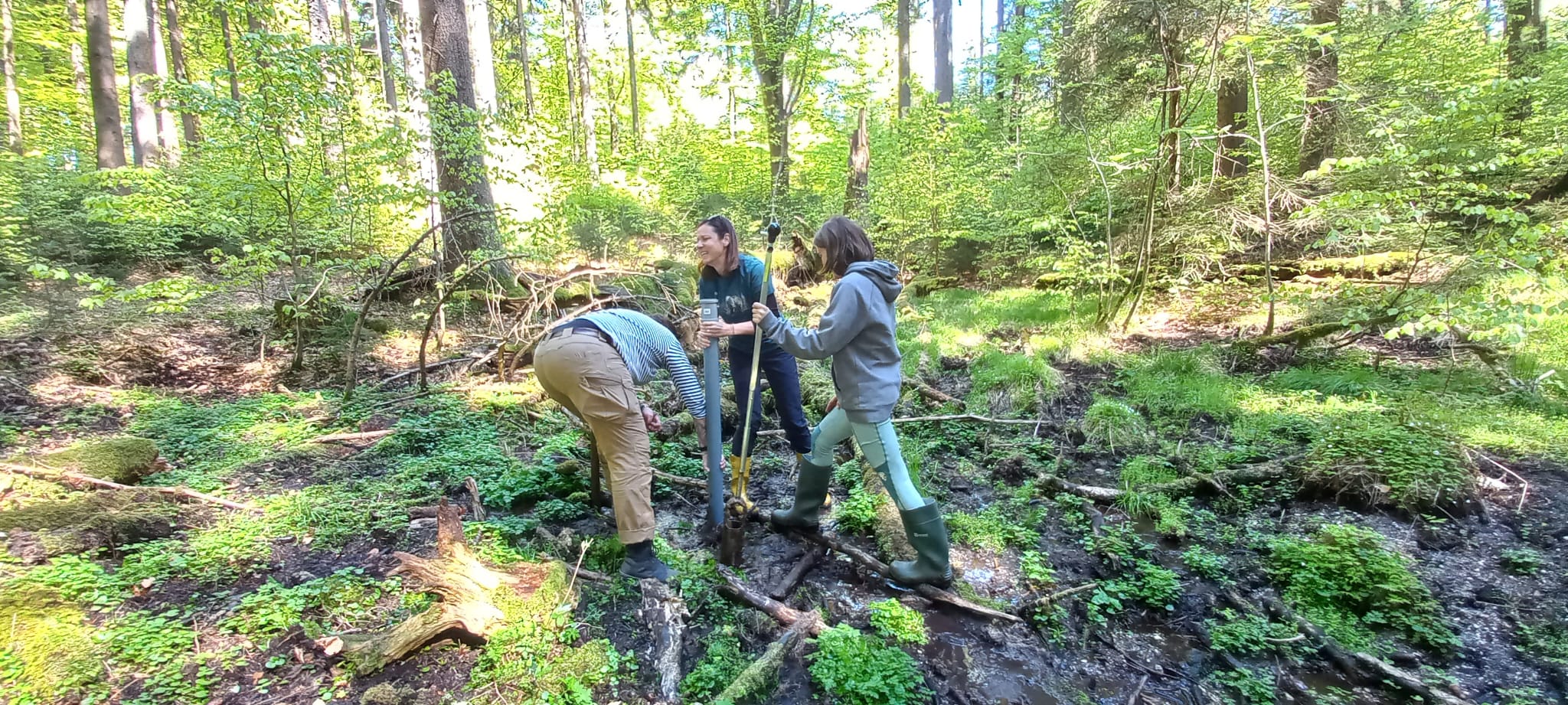
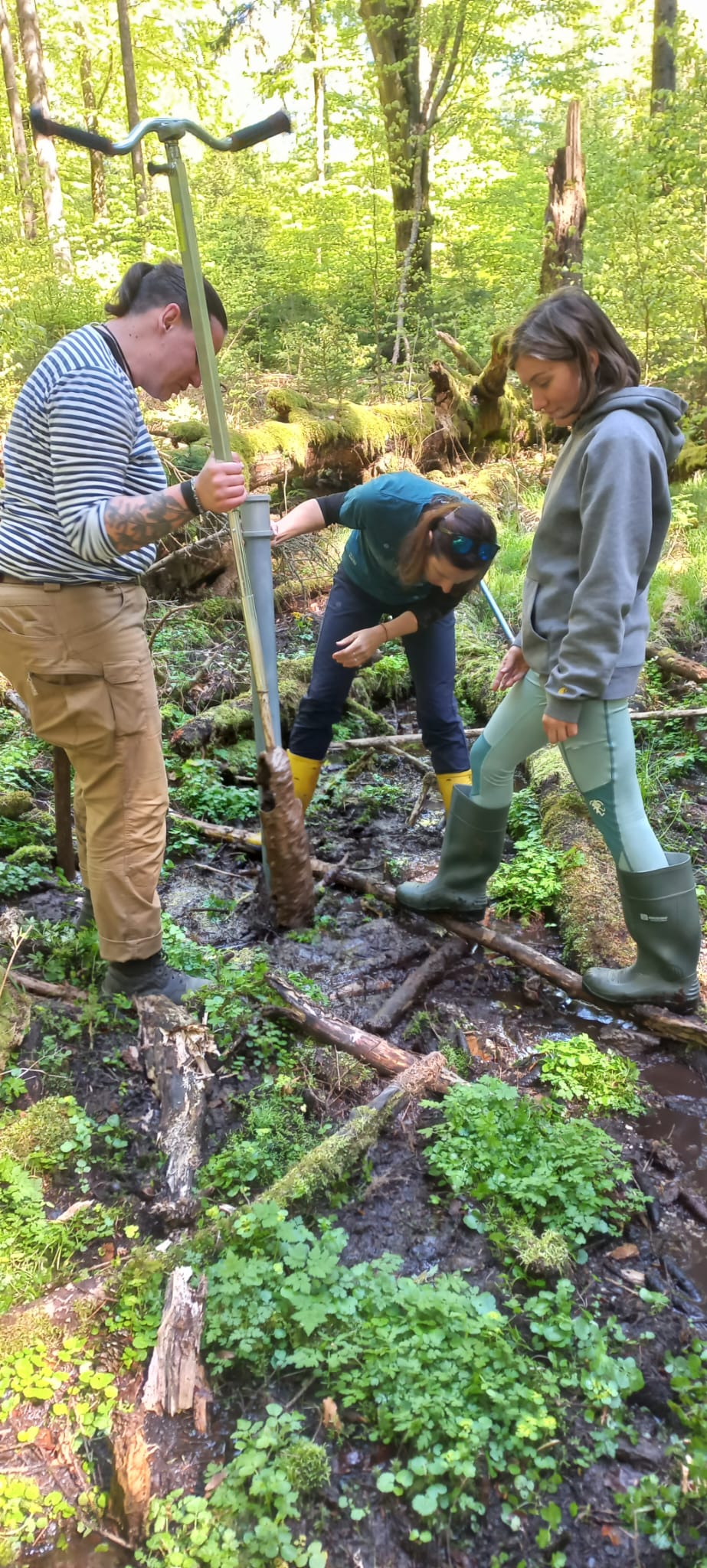
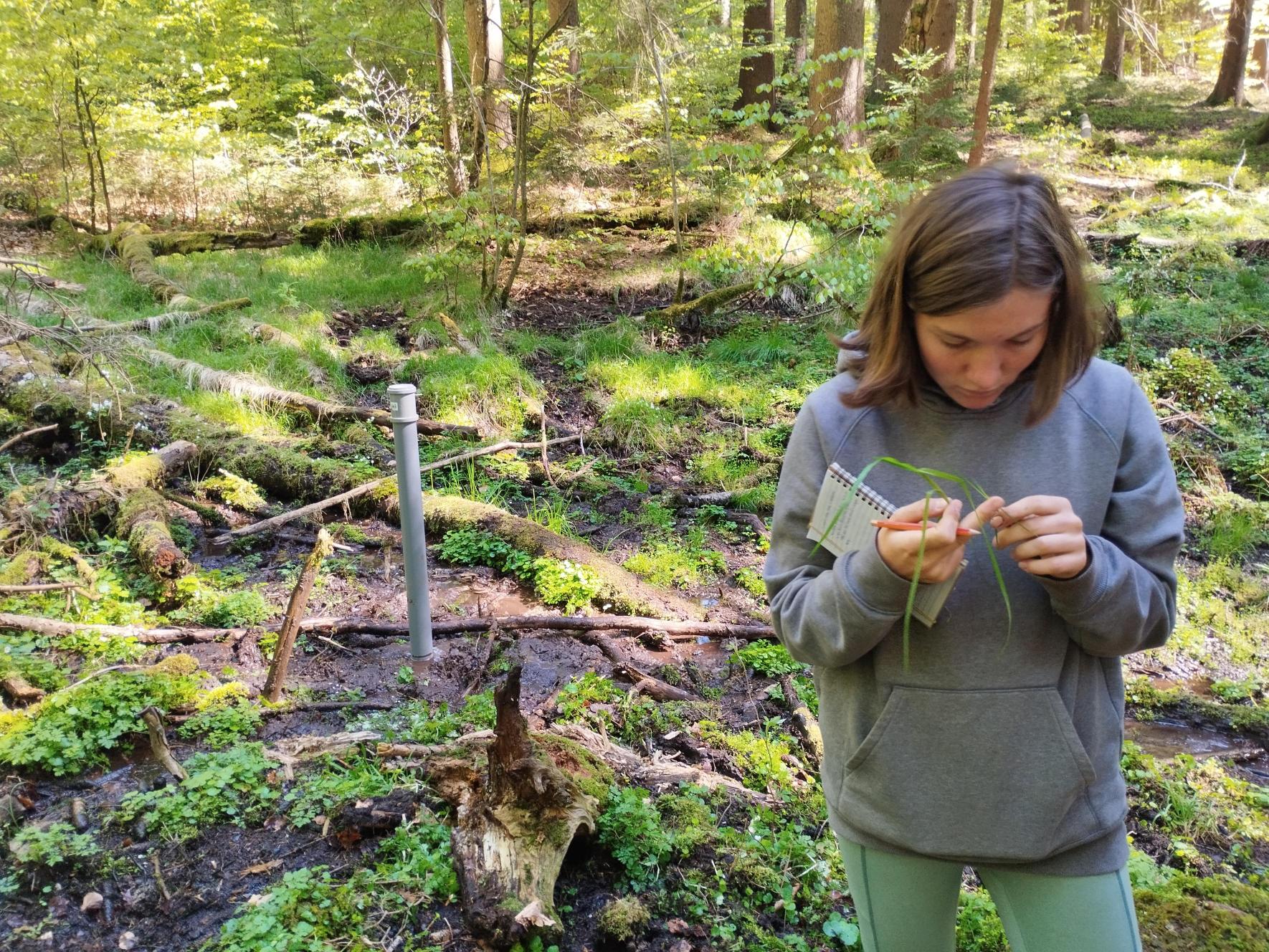
 After a year, we have returned to vegetation sampling of the Šumava springs. We have just completed our second three-day field trip, during which we visited 20 springs throughout the Šumava Mountains, from Gerlova Huť to the right bank of Lipno reservoir. However, we still have many new locations and adventures ahead of us. We use vegetation transects to determine whether the vegetation of the restored springs is approaching that of preserved sites that were not drained in the past. After a year, we have returned to vegetation sampling of the Šumava springs. We have just completed our second three-day field trip, during which we visited 20 springs throughout the Šumava Mountains, from Gerlova Huť to the right bank of Lipno reservoir. However, we still have many new locations and adventures ahead of us. We use vegetation transects to determine whether the vegetation of the restored springs is approaching that of preserved sites that were not drained in the past.
Of course, we do not determine the success of the restoration solely on the basis of vegetation; specialists in macromycetes (fungi) and macrozoobenthos (aquatic invertebrates) are also involved in the project. Thanks to our newly acquired experience, the main output of the project, a methodology for monitoring of the restoration, is beginning to take shape.
This project is funded with the support of the Technology Agency of the Czech Republic and the Ministry of the Environment of the Czech Republic within the Programme Prostředí pro život.
#RestoreSprings
 
Published on Jul 21, 2025
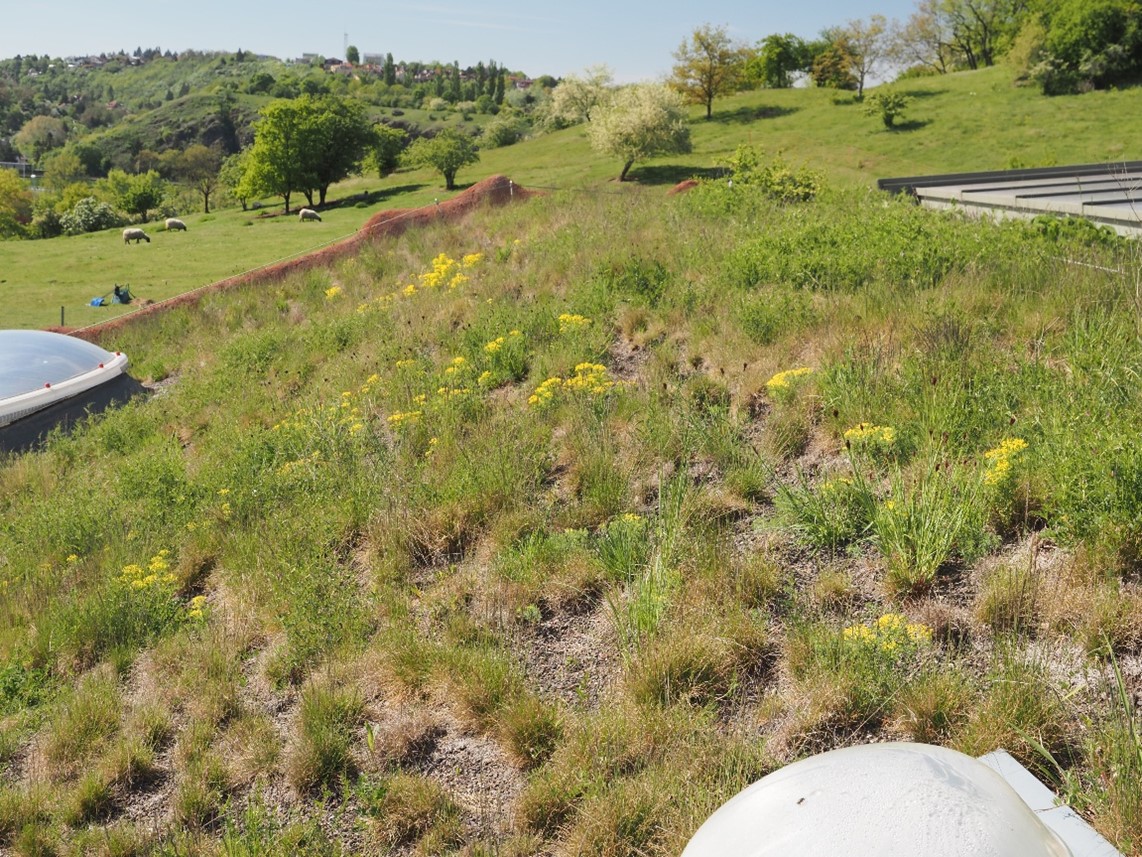
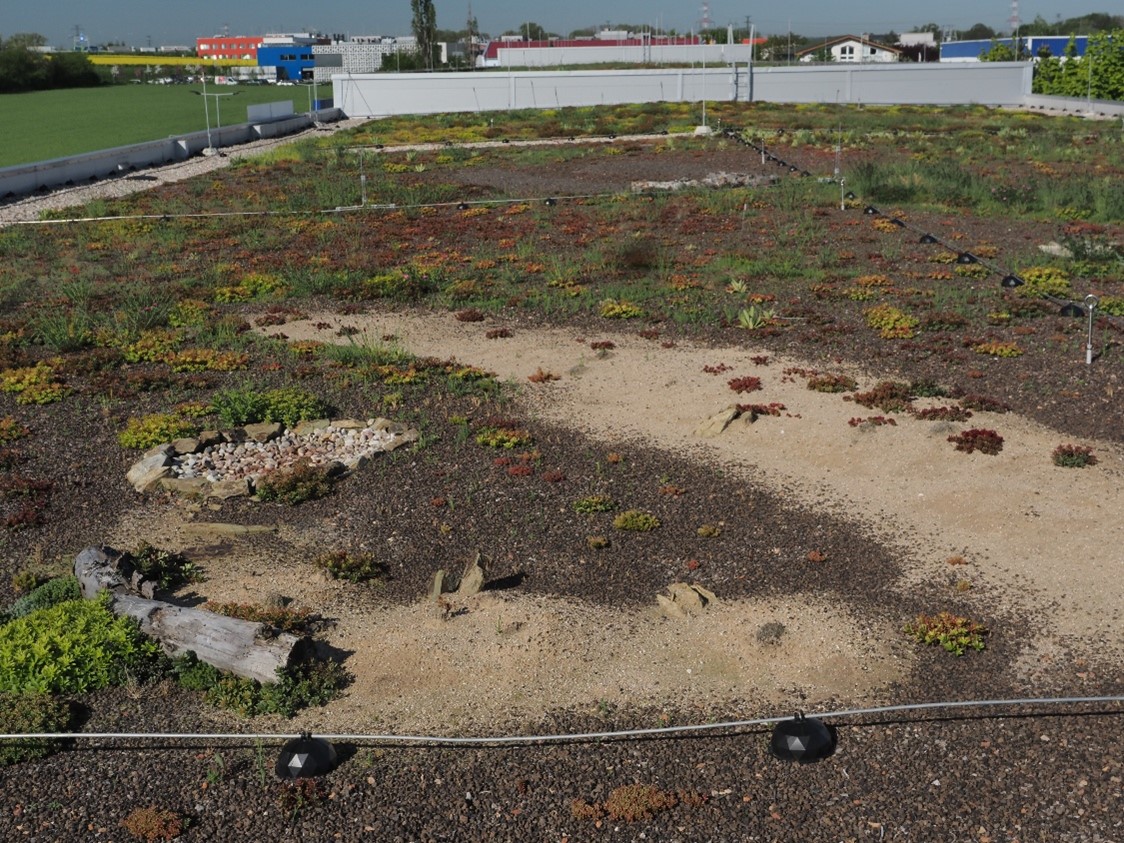
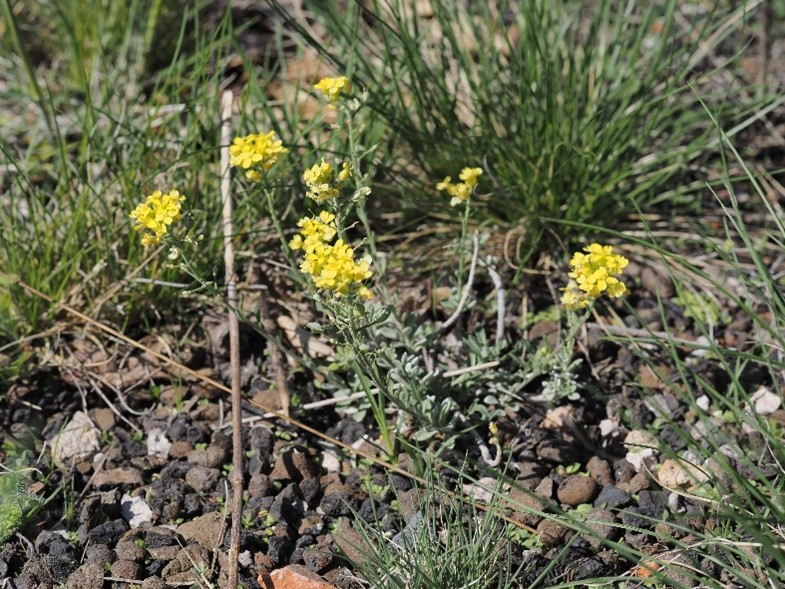
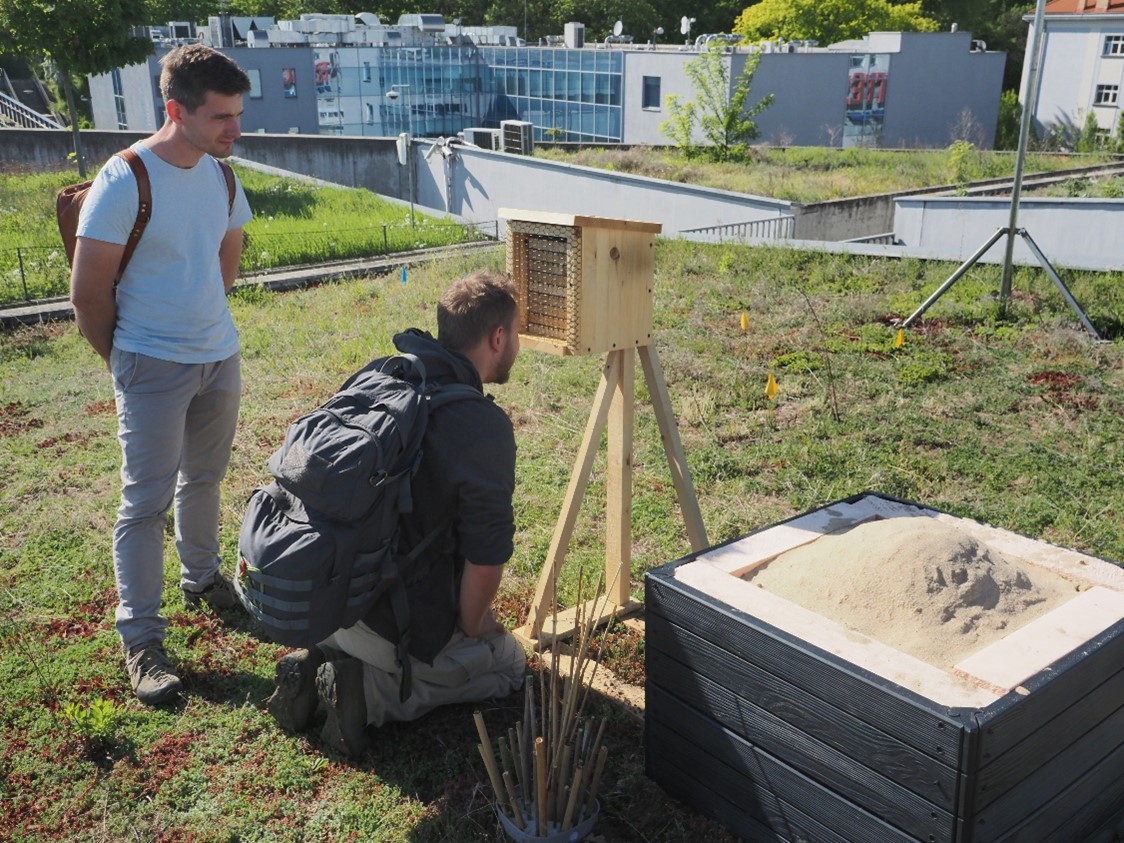
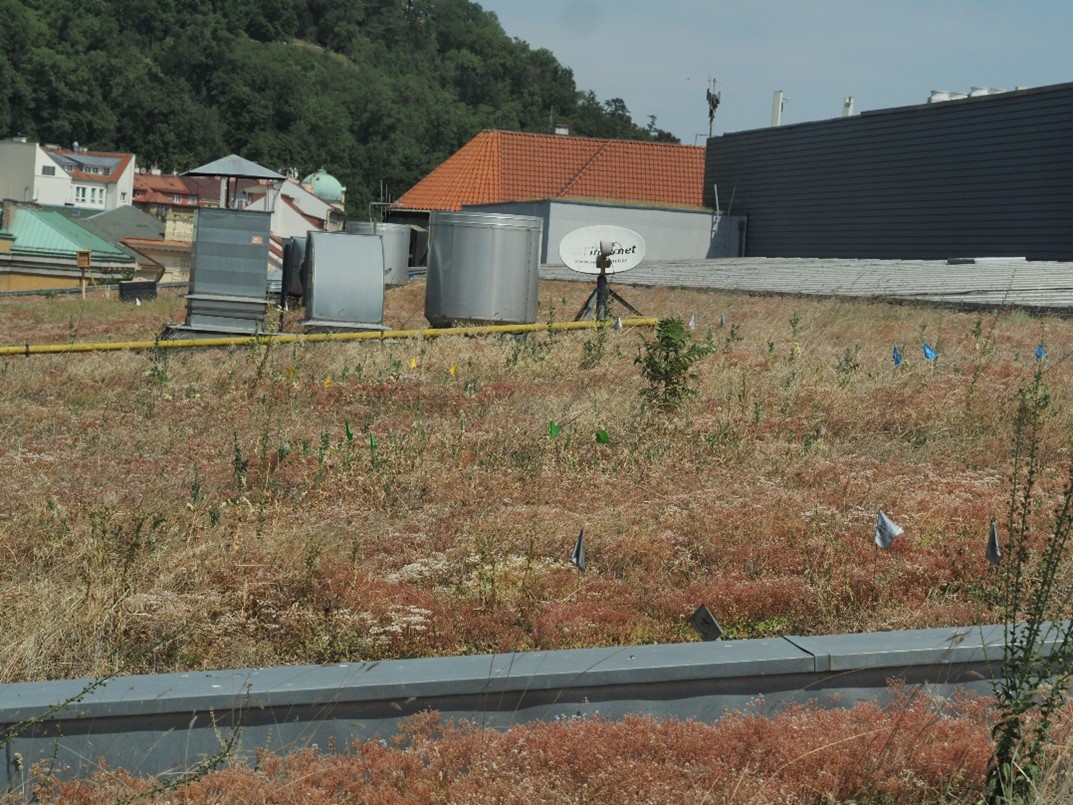
 On July 3rd, we monitored an experimental plot on the roof of the Nový Smíchov shopping mall, where we are observing the effect of various treatments, and sowing of several plant species. June was extremely dry and hot, which affected the entire vegetation on the roof. Most of the plants were damaged by water stress. The exception was stonecrops (i.e. plants from the Sedum genus). They are leaf suculents that, due to their special metabolism, tolerate drought very well and were flowering at the time of our monitoring. Plants from sowings thrived better in places where conditions were slightly more favourable, for example, at least partially shaded or more humid. We will continue in our observations. On July 3rd, we monitored an experimental plot on the roof of the Nový Smíchov shopping mall, where we are observing the effect of various treatments, and sowing of several plant species. June was extremely dry and hot, which affected the entire vegetation on the roof. Most of the plants were damaged by water stress. The exception was stonecrops (i.e. plants from the Sedum genus). They are leaf suculents that, due to their special metabolism, tolerate drought very well and were flowering at the time of our monitoring. Plants from sowings thrived better in places where conditions were slightly more favourable, for example, at least partially shaded or more humid. We will continue in our observations.
This experiment is part of our research on how to diversify vegetation on green roofs and reduce the spread of dominant species using nea-natural methods.
This project is co-financed with state support from the Technology Agency of the Czech Republic under the Programme Prostředí pro život. This project was funded under the National Recovery Plan from the European Instrument of Recovery and Resilience Facility.
#BioStřechy
 
  
Published on Jul 16, 2025
Published on Jul 7, 2025
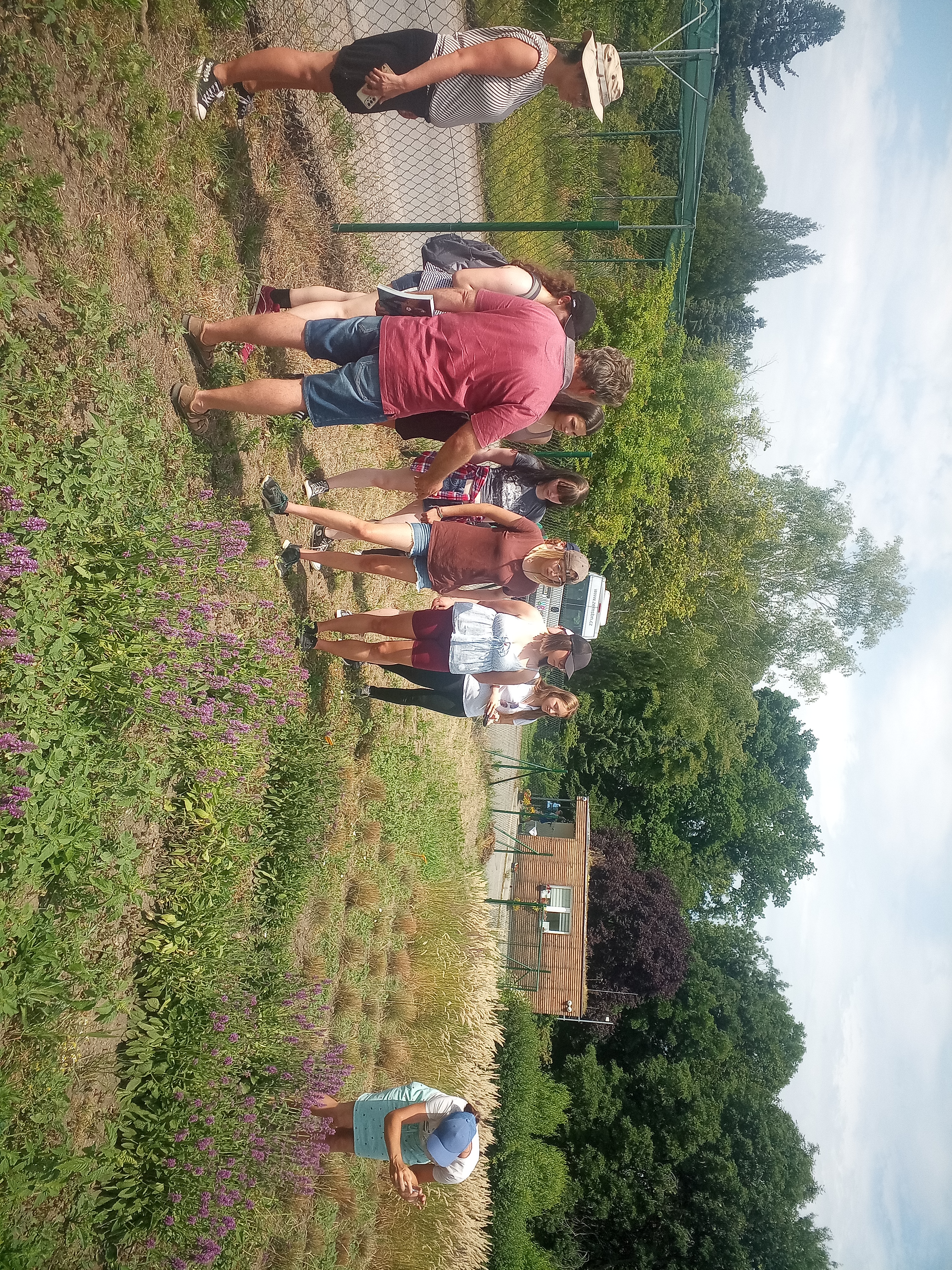
 During the last week of June, the students of the partner Agricultural College and Agricultural Secondary School Benešov participated in the first run of the advanced course focused on the establishment of the species-rich grasslands. The week-long event called "Greening Week" took place at the Agricultural College and Agricultural Secondary School Benešov. During the first days, the students learnt the theoretical principles of ecological restoration in the urban environment and methods of establishing species-rich meadows. They also worked on an assignment in which they mapped the urban grasslands in the city of Benešov and proposed methods for improvement of the species composition, and the creation of better connectivity across the urban area for insect species. The next two days were led by the Restoration Ecology Working Group from the University of South Bohemia and were purely practical. Students first tried out mapping of a donor site for collecting a regional seed mixture. They had an opportunity to collect seed mixture using a brush harvester, as well as collect individual species by hand. They looked closely at seeds in the brushed seed biomass using binocular lenses and evaluated the success of the restoration of a demonstration site established this spring. During a one-day excursion, they saw a large-scale restoration project of a landscape park partly using regional seed mixtures, the seed production fields where regional seeds are produced, and a green roof that was sown with species-rich regional seed biomass. We closed the excursion in the Bohemian Karst with a view of the largest limestone quarry in the Czech Republic. We believe that despite the very hot days, the students gained valuable information and experience from the program, and we look forward to seeing them in the next school year. All the girls are eager to participate in the exchange excursion to Norway and will be working hard on their student projects from September. During the last week of June, the students of the partner Agricultural College and Agricultural Secondary School Benešov participated in the first run of the advanced course focused on the establishment of the species-rich grasslands. The week-long event called "Greening Week" took place at the Agricultural College and Agricultural Secondary School Benešov. During the first days, the students learnt the theoretical principles of ecological restoration in the urban environment and methods of establishing species-rich meadows. They also worked on an assignment in which they mapped the urban grasslands in the city of Benešov and proposed methods for improvement of the species composition, and the creation of better connectivity across the urban area for insect species. The next two days were led by the Restoration Ecology Working Group from the University of South Bohemia and were purely practical. Students first tried out mapping of a donor site for collecting a regional seed mixture. They had an opportunity to collect seed mixture using a brush harvester, as well as collect individual species by hand. They looked closely at seeds in the brushed seed biomass using binocular lenses and evaluated the success of the restoration of a demonstration site established this spring. During a one-day excursion, they saw a large-scale restoration project of a landscape park partly using regional seed mixtures, the seed production fields where regional seeds are produced, and a green roof that was sown with species-rich regional seed biomass. We closed the excursion in the Bohemian Karst with a view of the largest limestone quarry in the Czech Republic. We believe that despite the very hot days, the students gained valuable information and experience from the program, and we look forward to seeing them in the next school year. All the girls are eager to participate in the exchange excursion to Norway and will be working hard on their student projects from September.
Watch a video from the event.
Cover photo: Veronika Zikmundová
   
Published on May 20, 2025
 On Monday 19th May our two colleagues, Anička Müllerová and Kamča Vítovcová, successfully defended their dissertations and thus completed their PhD studies. Anička guided us through the world of succession of wetland and aquatic vegetation in post-mining sites, and Kamča shared her knowledge of the influence of environmental factors on vegetation succession at disturbed sites on broader spatial scales. On Monday 19th May our two colleagues, Anička Müllerová and Kamča Vítovcová, successfully defended their dissertations and thus completed their PhD studies. Anička guided us through the world of succession of wetland and aquatic vegetation in post-mining sites, and Kamča shared her knowledge of the influence of environmental factors on vegetation succession at disturbed sites on broader spatial scales.
Congratulations to both of our colleagues!
 
Published on May 14, 2025
 Last week, the Restoration Ecology Working Group at the Department of Botany, Faculty of Science, University of South Bohemia, held a week-long intensive course that guided VET students from Spain, Germany, the Czech Republic, and Norway through the theoretical and practical aspects of the rapidly developing field of restoration ecology. Preparations for the exchange began in each country already in autumn. During this time, the students also developed their own projects, and the best ones came to present and defend them during the exchange. The aim of the meeting in the Czech Republic was to increase education in the field of ecological restoration among a group of students who are implementing a number of measures in practice. With the recent adoption of the European Nature Restoration Regulation, it is clear that knowledge transfer is key to high-quality habitat restoration. Last week, the Restoration Ecology Working Group at the Department of Botany, Faculty of Science, University of South Bohemia, held a week-long intensive course that guided VET students from Spain, Germany, the Czech Republic, and Norway through the theoretical and practical aspects of the rapidly developing field of restoration ecology. Preparations for the exchange began in each country already in autumn. During this time, the students also developed their own projects, and the best ones came to present and defend them during the exchange. The aim of the meeting in the Czech Republic was to increase education in the field of ecological restoration among a group of students who are implementing a number of measures in practice. With the recent adoption of the European Nature Restoration Regulation, it is clear that knowledge transfer is key to high-quality habitat restoration.
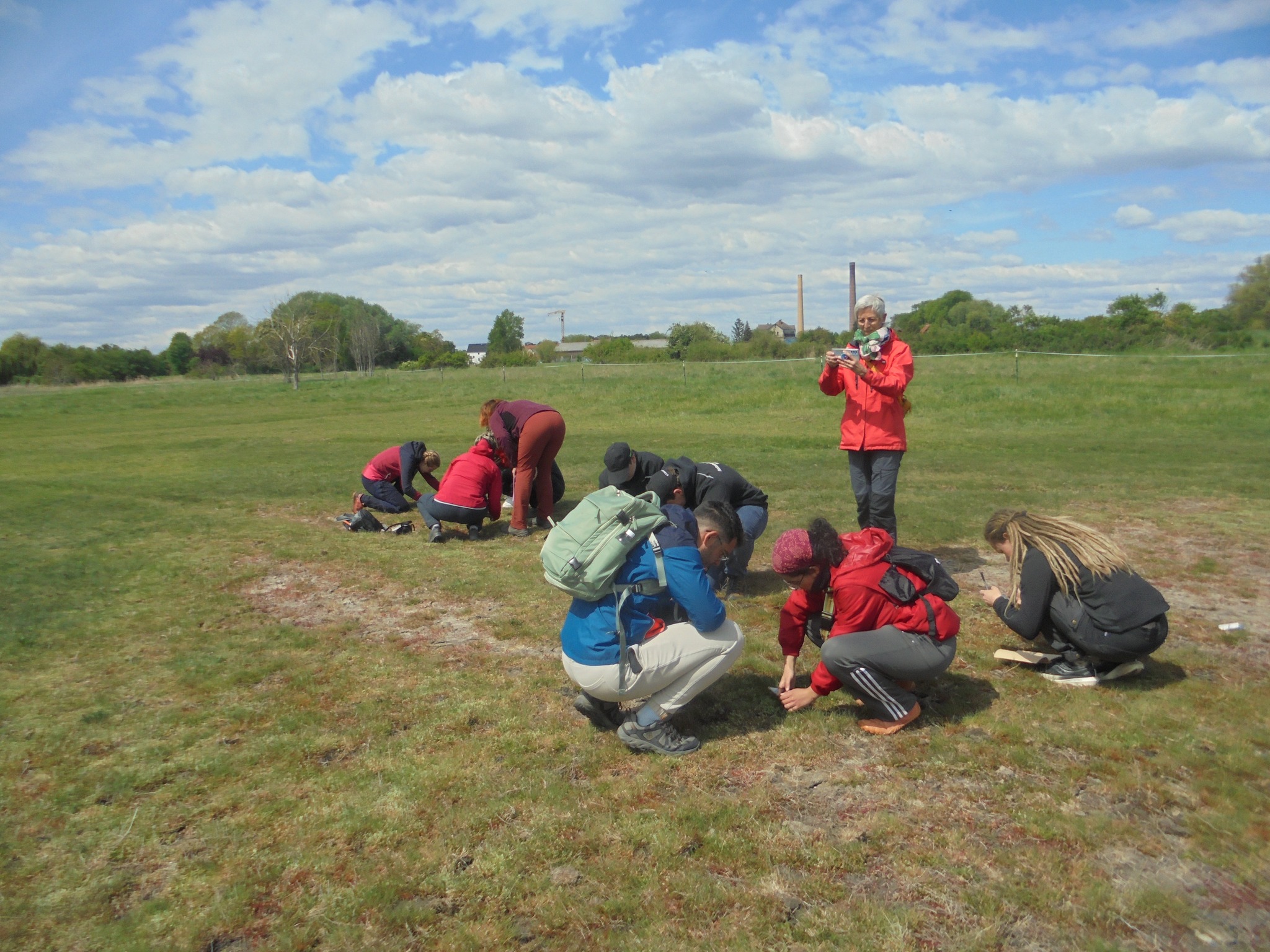
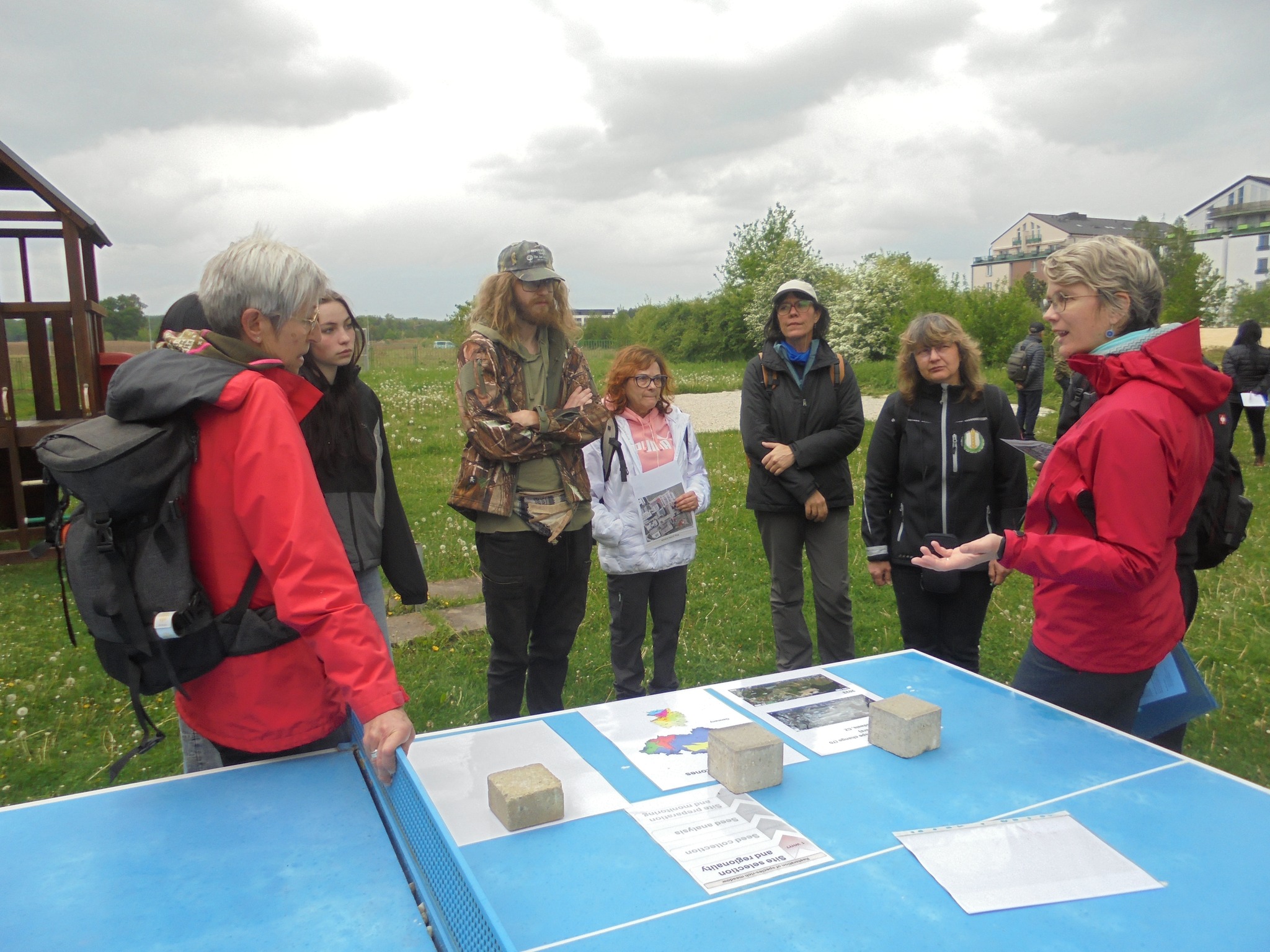
The students spent the first three days in the Czech Republic and took part in a day focused on the restoration of meadows in the countryside and in cities, as these are among the most endangered habitats across Europe. In addition to lectures, they had an opportunity to go through all the stages of restoring a species-rich meadow and try everything out in practice, from identifying suitable source vegetation, obtaining seeds and analysing what can be found in the collected material, to preparing the area, sowing, and evaluating the success of the restoration. Despite the unfavourable weather, the students were able to try out the various methods and activities in an improvised way. We also used the Faculty garden, where we continued with teaching using specific examples, and in the evening, we moved to the city for further measures, such as flowering strips.
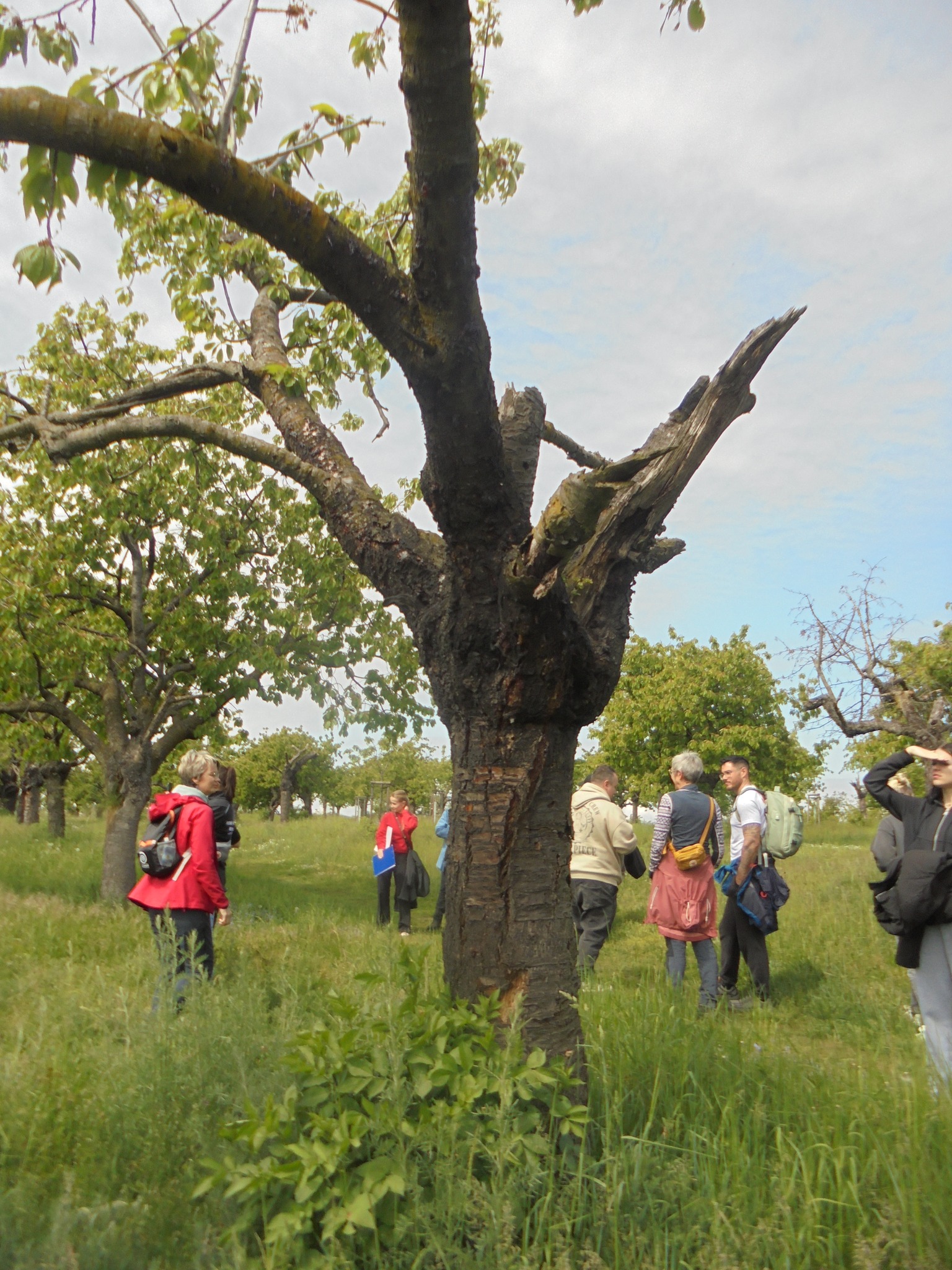
The next day was devoted mainly to urban ecology, the restoration of mining areas, and the entire landscape. After a theoretical introduction, we went on an excursion to the Třeboň region and saw how spontaneous succession works in sand pits, which can even turn into small-scaled specially protected areas. In the Novohradské Mountains, we learned about landscape modifications in agricultural areas. On Wednesday, we set off to visit our colleagues in Bernburg, Germany and on the way we managed a short excursion to restored old orchard in Prague called Třešňovka, and a brief explanation and a view of the extensive ČSA quarry, which is at the beginning of a long journey to become the most extensive ecological restoration project in the Czech Republic. Before leaving the Czech Republic, we stopped to look at the Radovesická spoil heap to see how quickly the abandoned area overgrown with trees. Also, the importance of open sites for a number of specialized species was stressed and the possibilities of their maintenance only by human activity (especially during motocross).
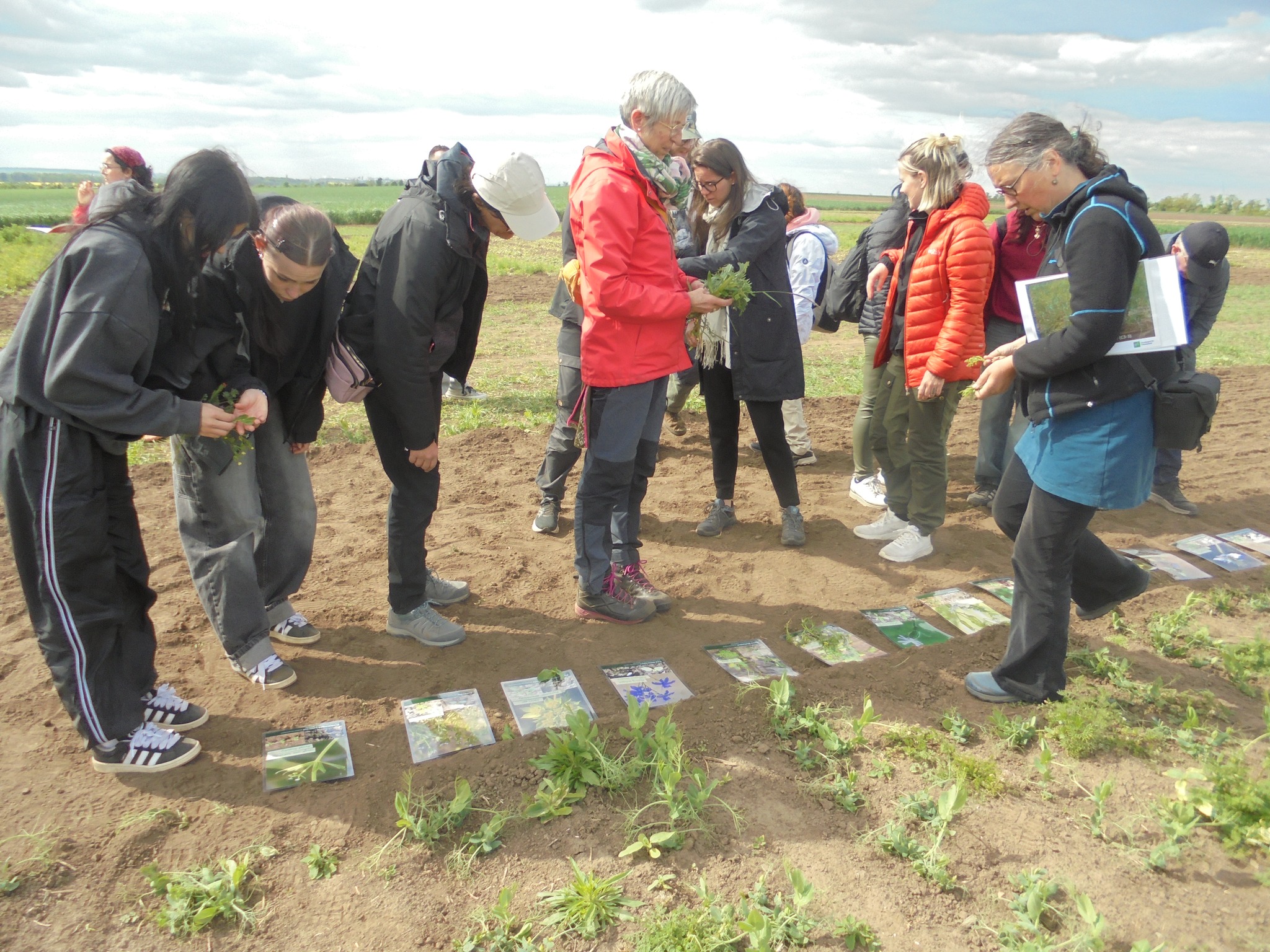
The following day, our colleagues from Hochschule Anhalt showed us how they approach restoration in the agricultural landscape in Germany. We visited a farm that produced regional plant seeds, tried out vegetation mapping on restored salt marshes, learned about the pitfalls of grazing, experienced close contact with a herd of horses, learned to identify rare field weeds and found out about their protection and re-introduction to the landscape, and saw flowering strips and colourful flowering field margins to promote biodiversity.
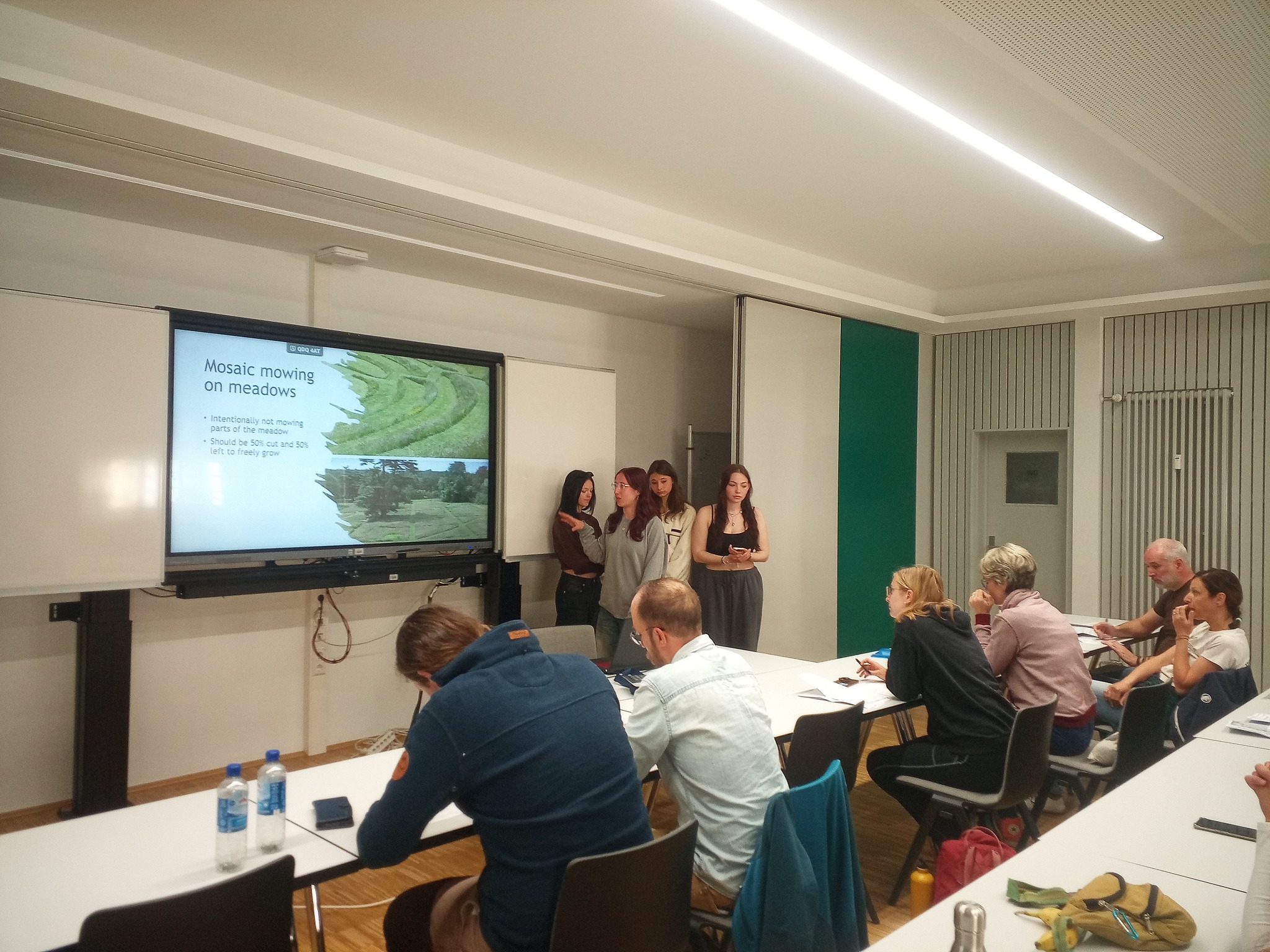
At the end of the course, the students summarized what they had learned during the course in short presentations and presented and defended their projects. Next spring, another international course on ecological restoration will take place in České Budějovice, this time focused on university students, and in the autumn, a course in Norway on landscape restoration will follow.
Author of the group photo: Thomas Engst
#TeamUp2Restore
      
|
|


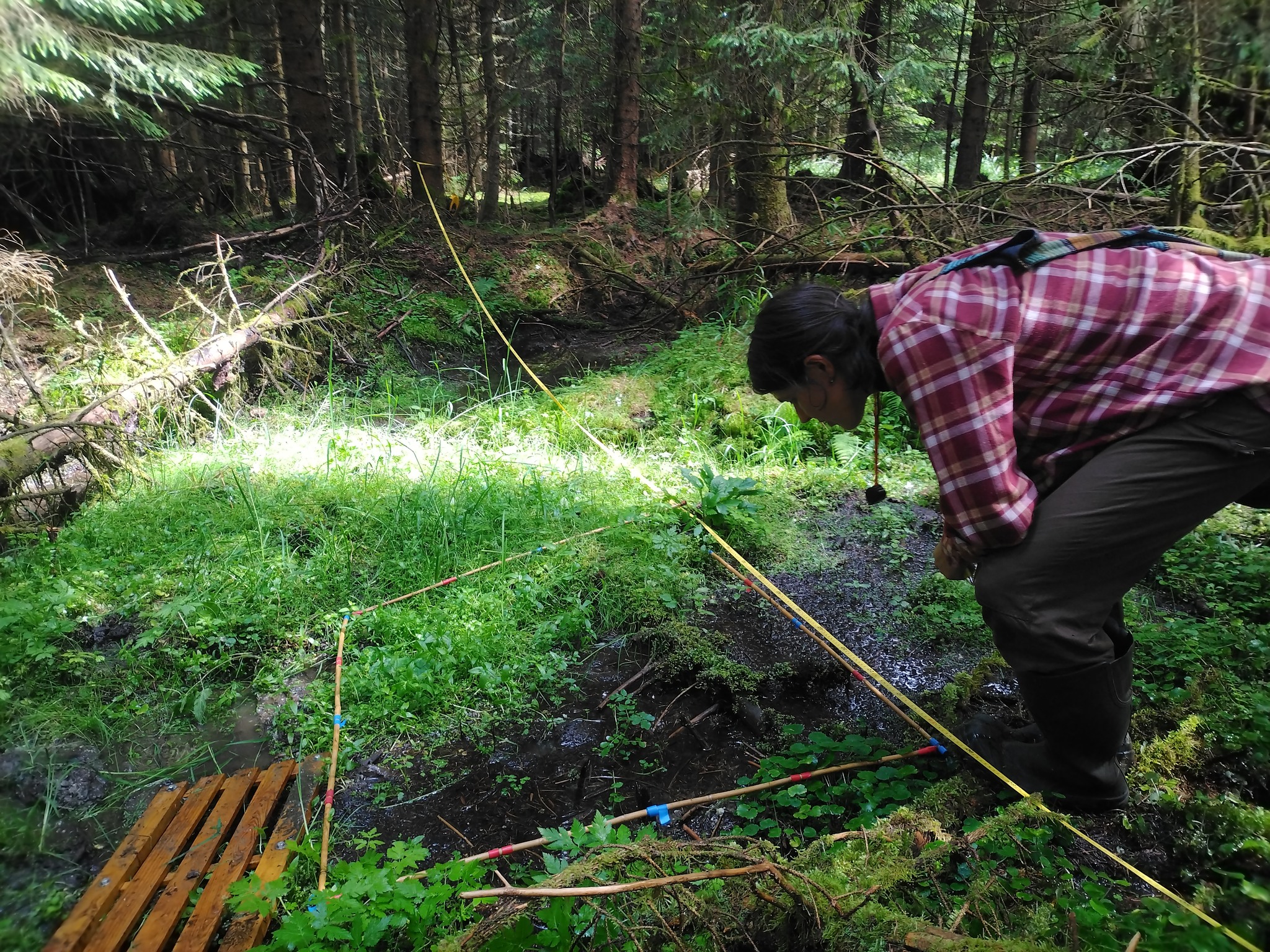 After a year, we have returned to vegetation sampling of the Šumava springs. We have just completed our second three-day field trip, during which we visited 20 springs throughout the Šumava Mountains, from Gerlova Huť to the right bank of Lipno reservoir. However, we still have many new locations and adventures ahead of us. We use vegetation transects to determine whether the vegetation of the restored springs is approaching that of preserved sites that were not drained in the past.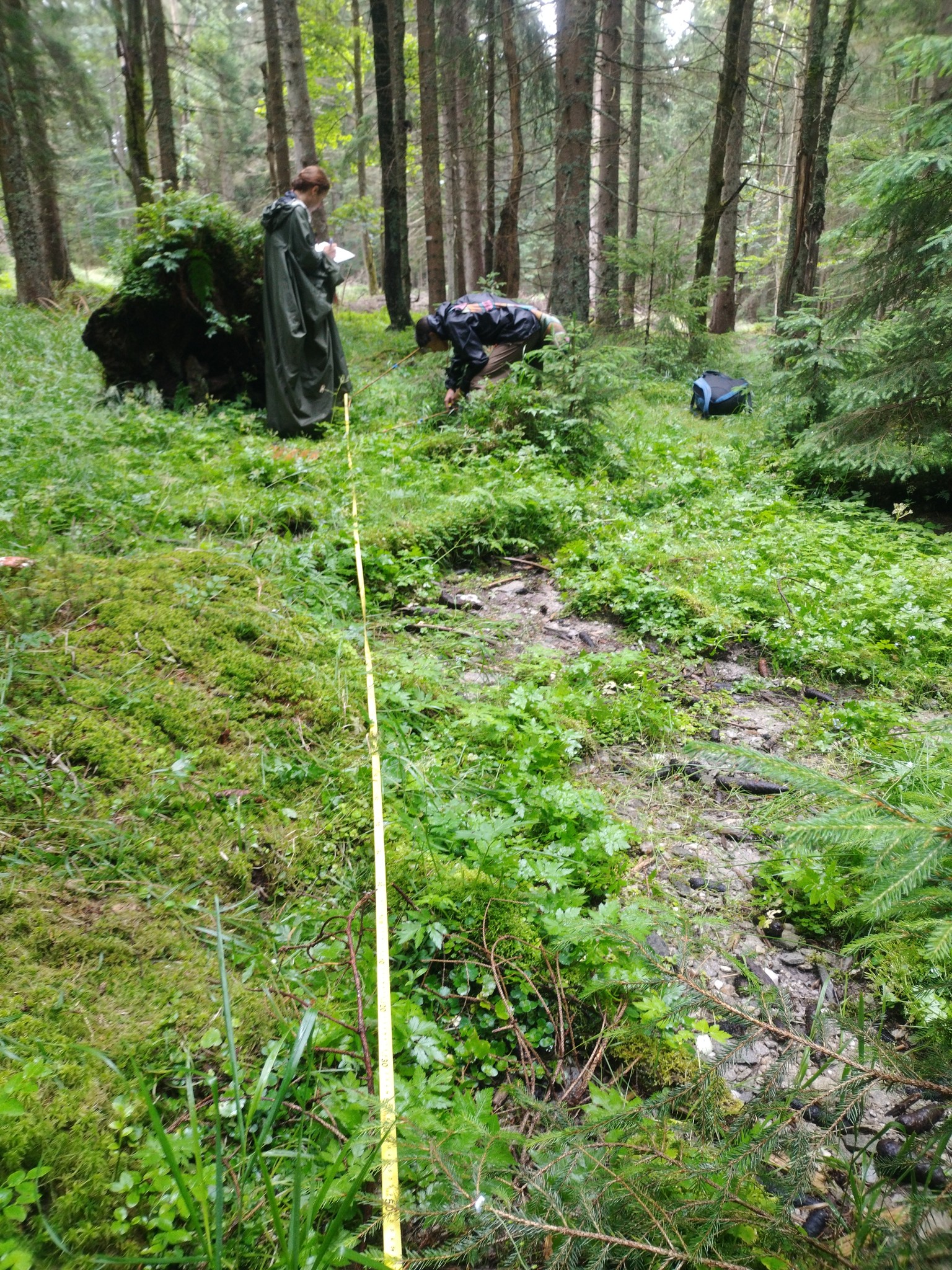

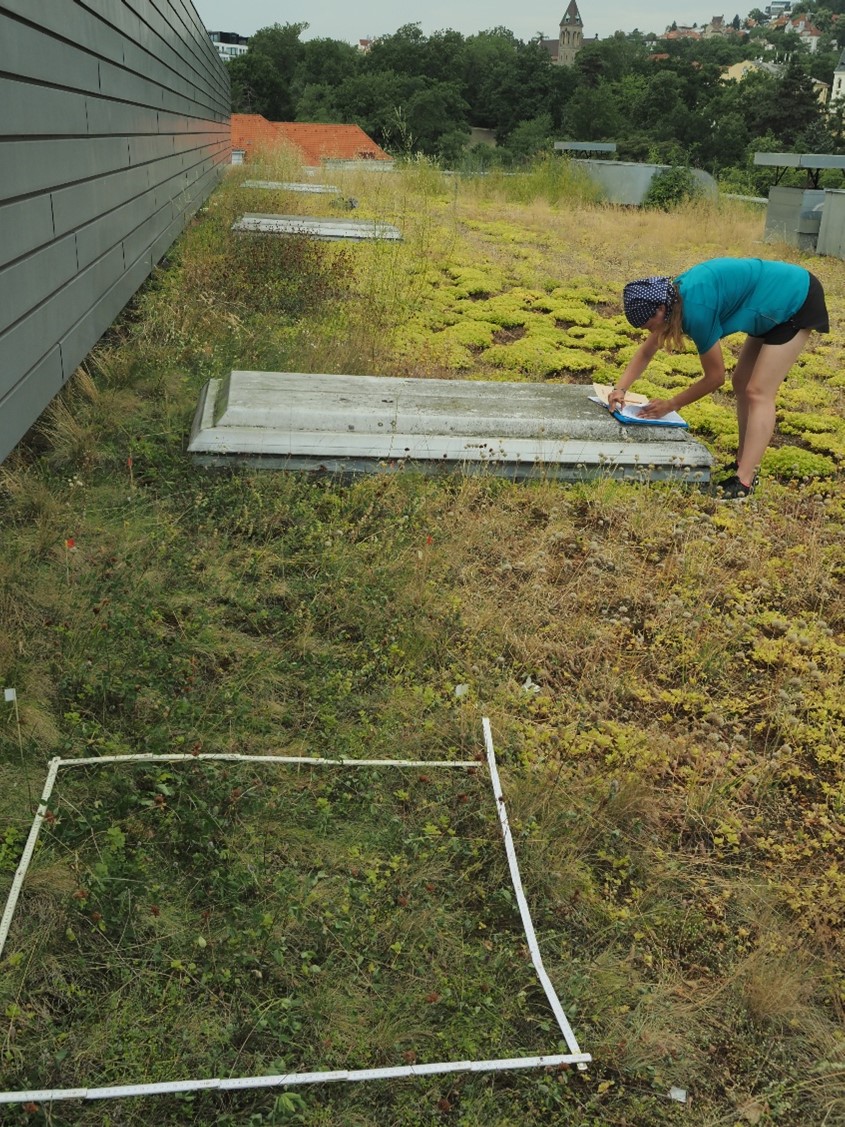 On July 3rd, we monitored an experimental plot on the roof of the Nový Smíchov shopping mall, where we are observing the effect of various treatments, and sowing of several plant species. June was extremely dry and hot, which affected the entire vegetation on the roof. Most of the plants were damaged by water stress. The exception was stonecrops (i.e. plants from the Sedum genus). They are leaf suculents that, due to their special metabolism, tolerate drought very well and were flowering at the time of our monitoring. Plants from sowings thrived better in places where conditions were slightly more favourable, for example, at least partially shaded or more humid. We will continue in our observations.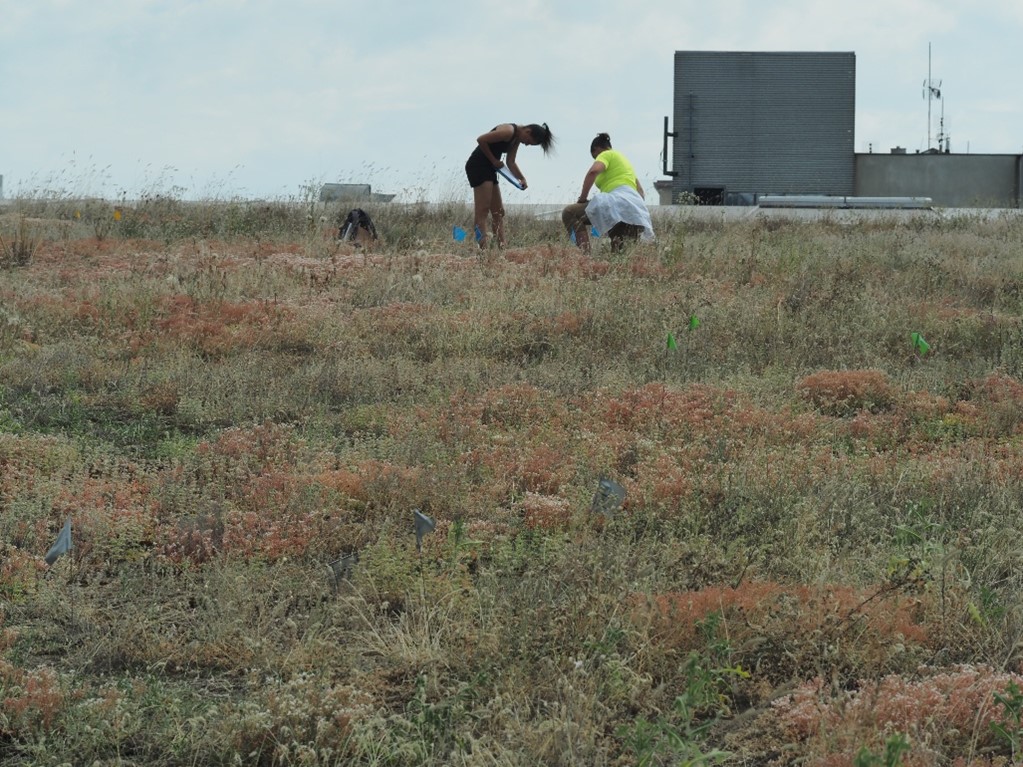


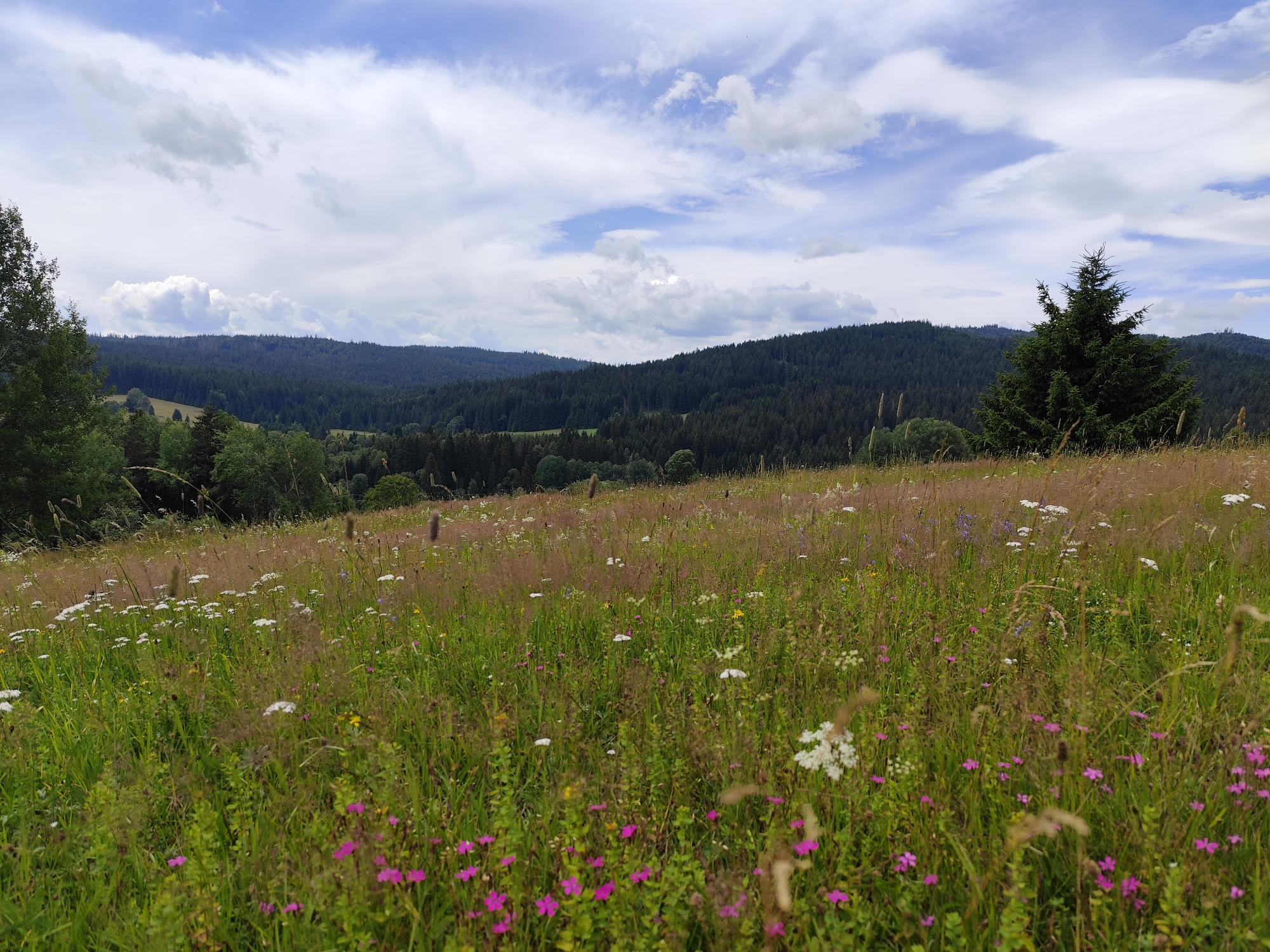
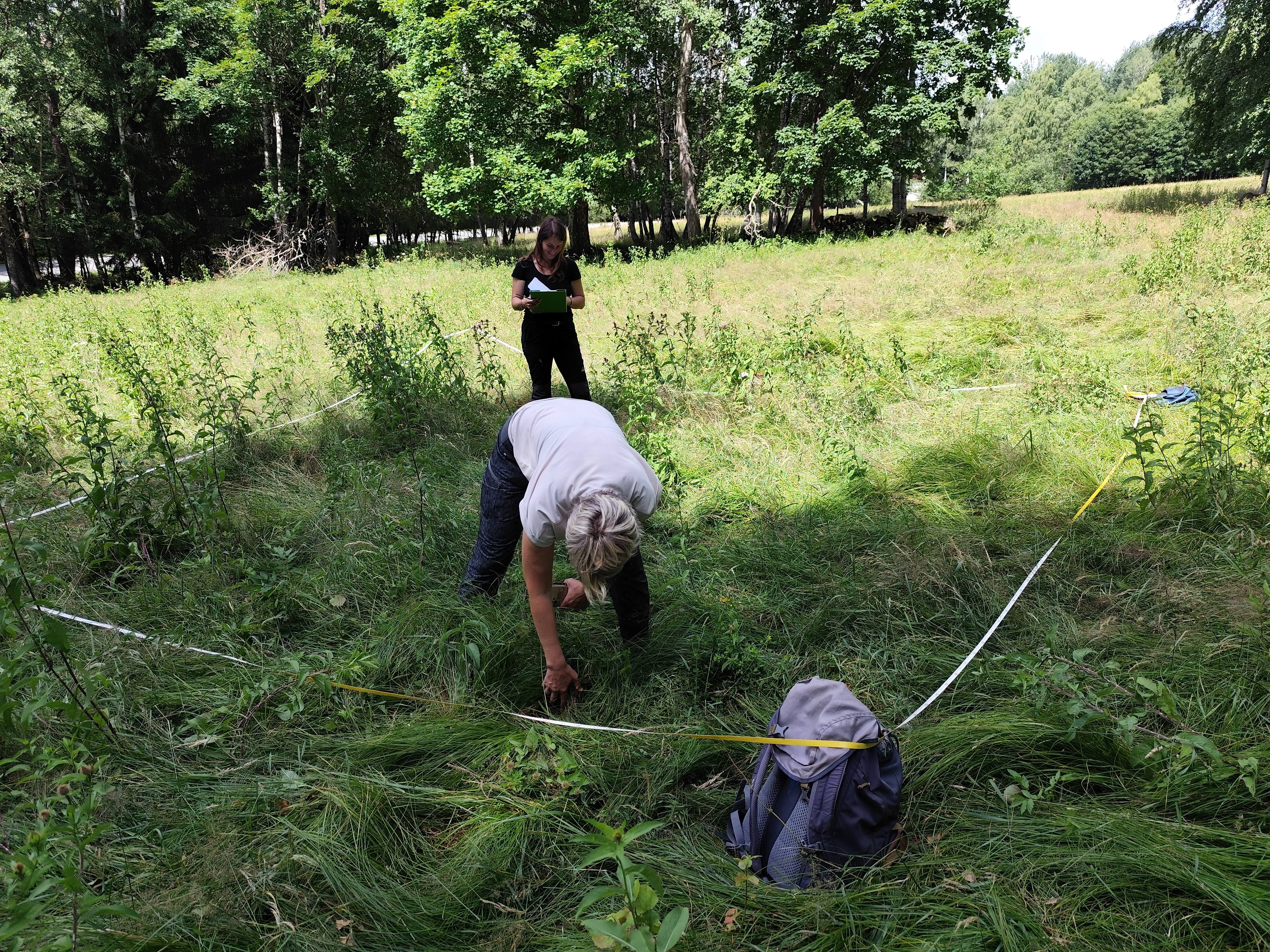
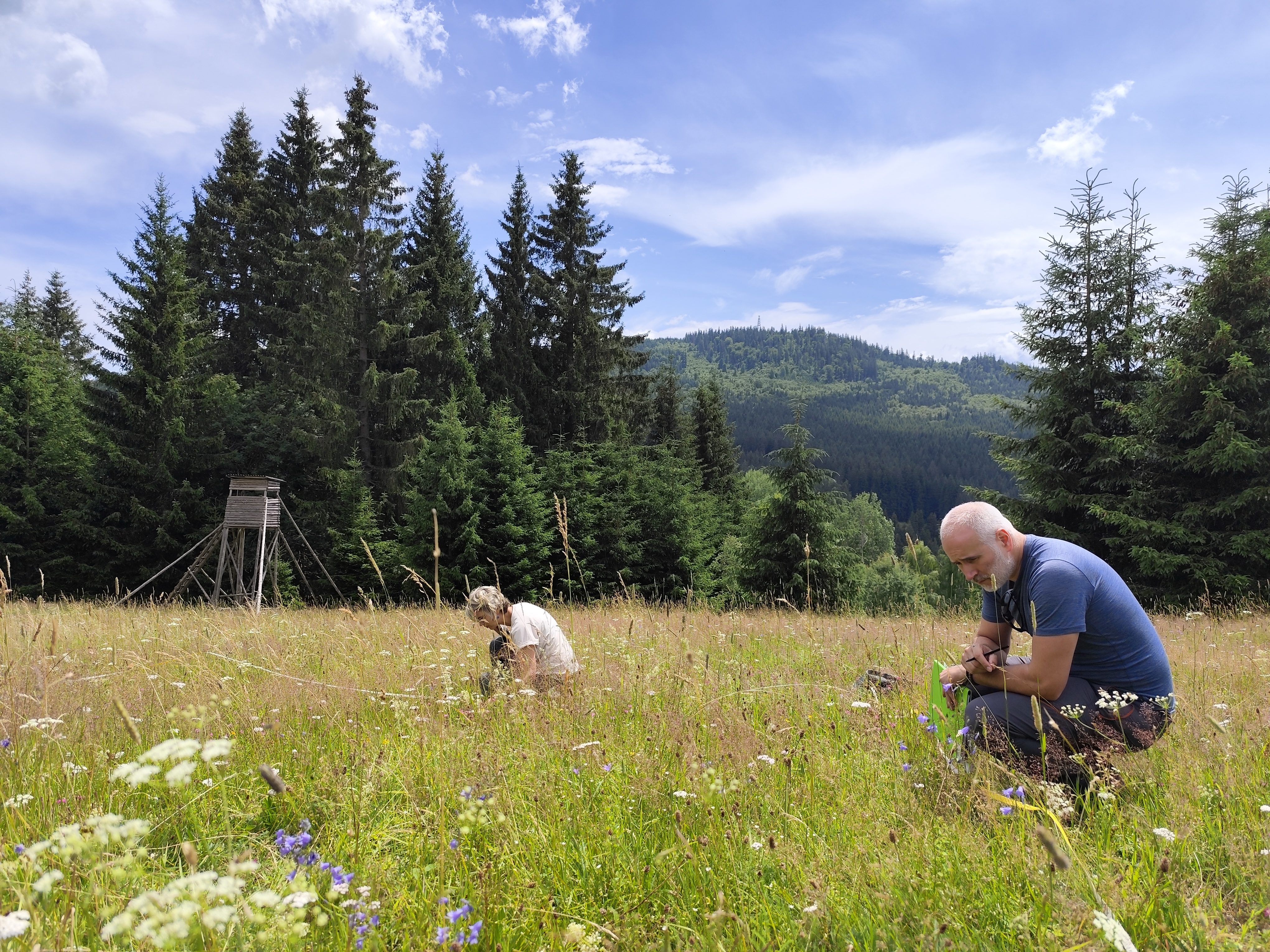 Our team is conducting field sampling for the Horizon 2020 European research project WILDCARD, which aims to better understand rewilding and spontaneous regeneration processes in areas where land management has ceased, including pastures, meadows, and abandoned fields. As part of this effort, we conducted vegetation surveys in the Šumava Mountains (Czech Republic), covering both dry and wet habitat sites to collect detailed plant biodiversity data. Thanks to the dedication of our team, we gathered valuable data that will contribute to a better understanding of how landscapes recover naturally across Europe. We will continue contributing to this international initiative and look forward to sharing more as the project progresses.

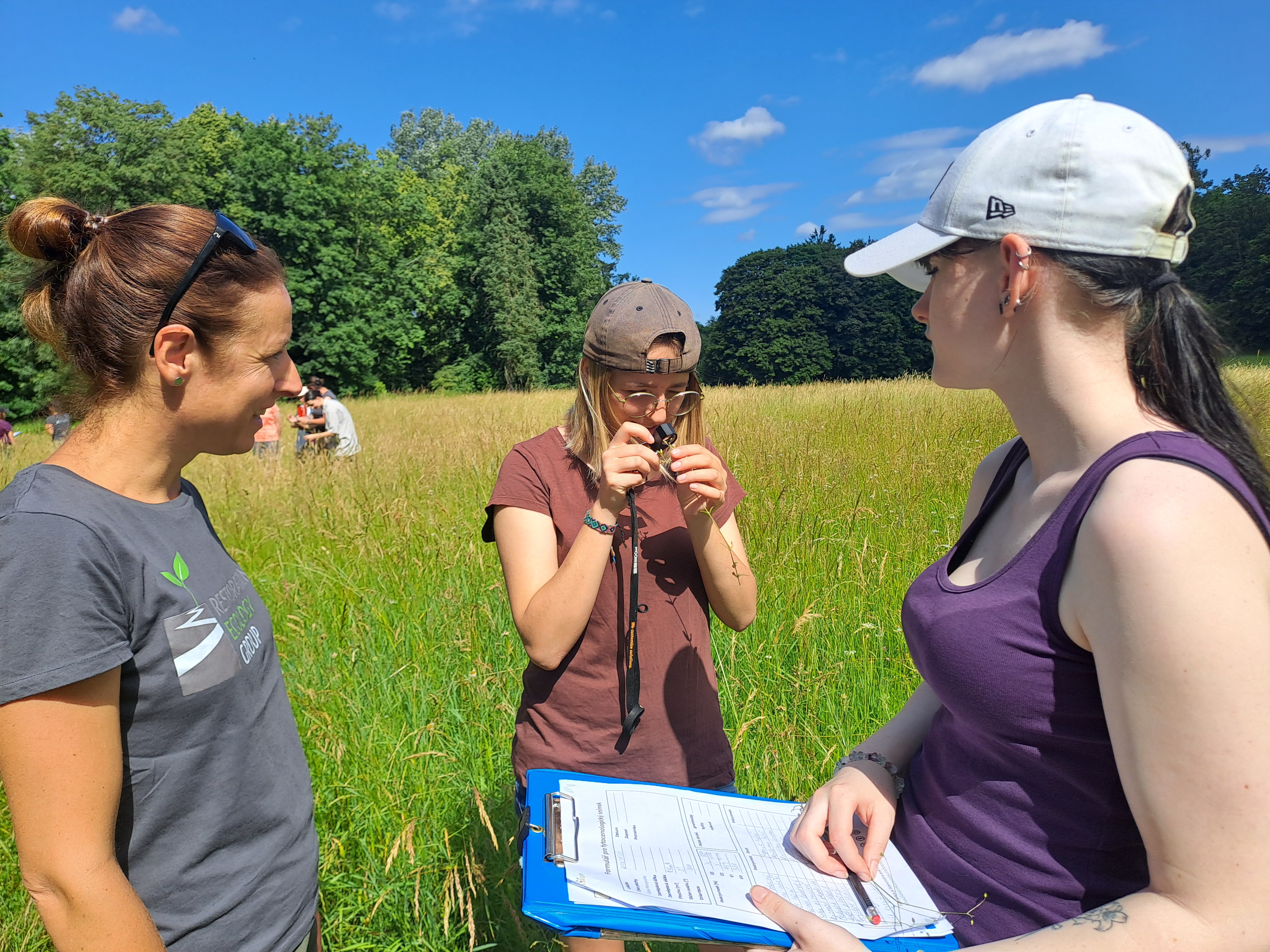 During the last week of June, the students of the partner Agricultural College and Agricultural Secondary School Benešov participated in the first run of the advanced course focused on the establishment of the species-rich grasslands. The week-long event called "Greening Week" took place at the Agricultural College and Agricultural Secondary School Benešov. During the first days, the students learnt the theoretical principles of ecological restoration in the urban environment and methods of establishing species-rich meadows. They also worked on an assignment in which they mapped the urban grasslands in the city of Benešov and proposed methods for improvement of the species composition, and the creation of better connectivity across the urban area for insect species. The next two days were led by the Restoration Ecology Working Group from the University of South Bohemia and were purely practical. Students first tried out mapping of a donor site for collecting a regional seed mixture. They had an opportunity to collect seed mixture using a brush harvester, as well as collect individual species by hand. They looked closely at seeds in the brushed seed biomass using binocular lenses and evaluated the success of the restoration of a demonstration site established this spring. During a one-day excursion, they saw a large-scale restoration project of a landscape park partly using regional seed mixtures, the seed production fields where regional seeds are produced, and a green roof that was sown with species-rich regional seed biomass. We closed the excursion in the Bohemian Karst with a view of the largest limestone quarry in the Czech Republic. We believe that despite the very hot days, the students gained valuable information and experience from the program, and we look forward to seeing them in the next school year. All the girls are eager to participate in the exchange excursion to Norway and will be working hard on their student projects from September.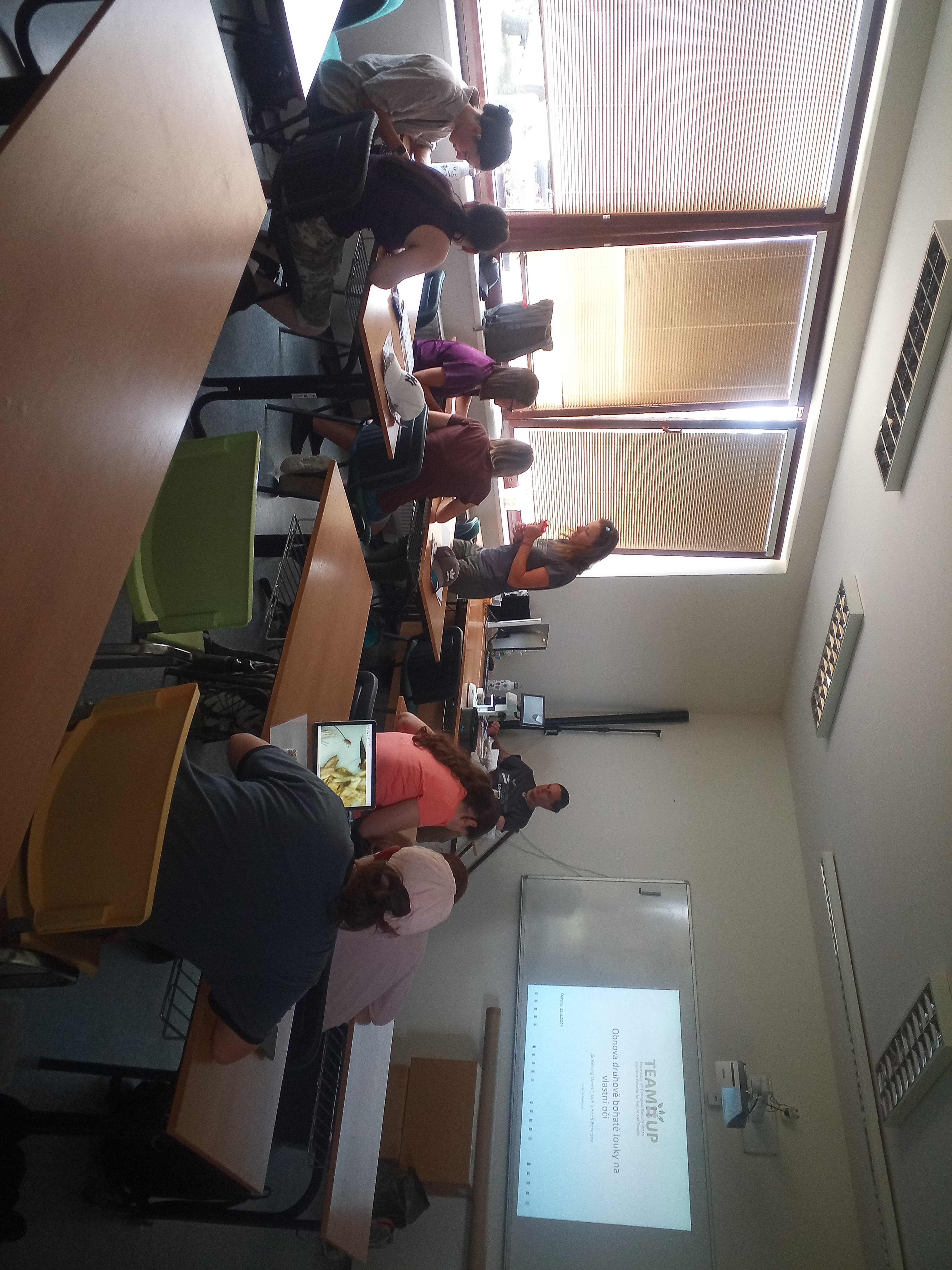


 On Monday 19th May our two colleagues, Anička Müllerová and Kamča Vítovcová, successfully defended their dissertations and thus completed their PhD studies. Anička guided us through the world of succession of wetland and aquatic vegetation in post-mining sites, and Kamča shared her knowledge of the influence of environmental factors on vegetation succession at disturbed sites on broader spatial scales.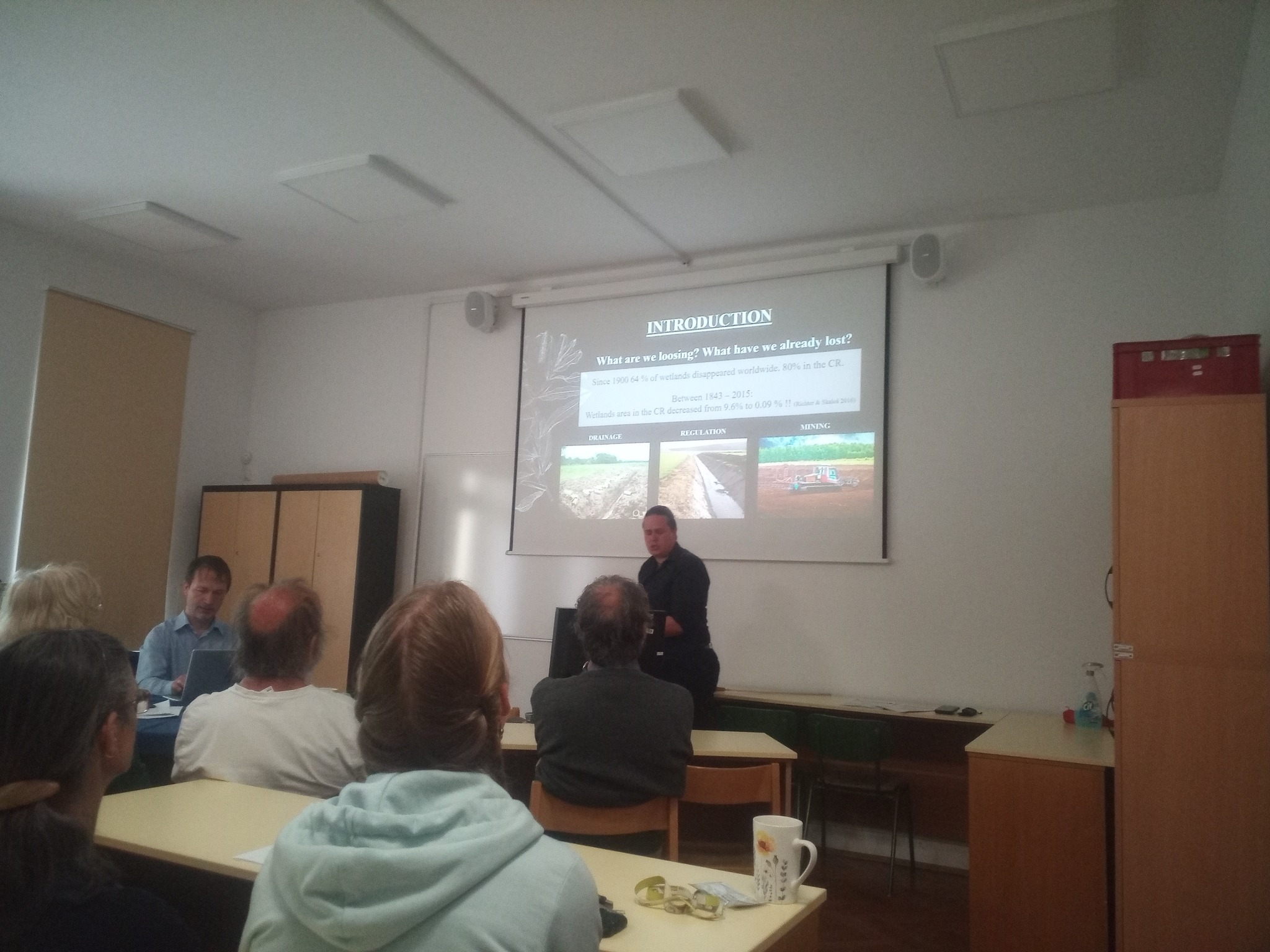
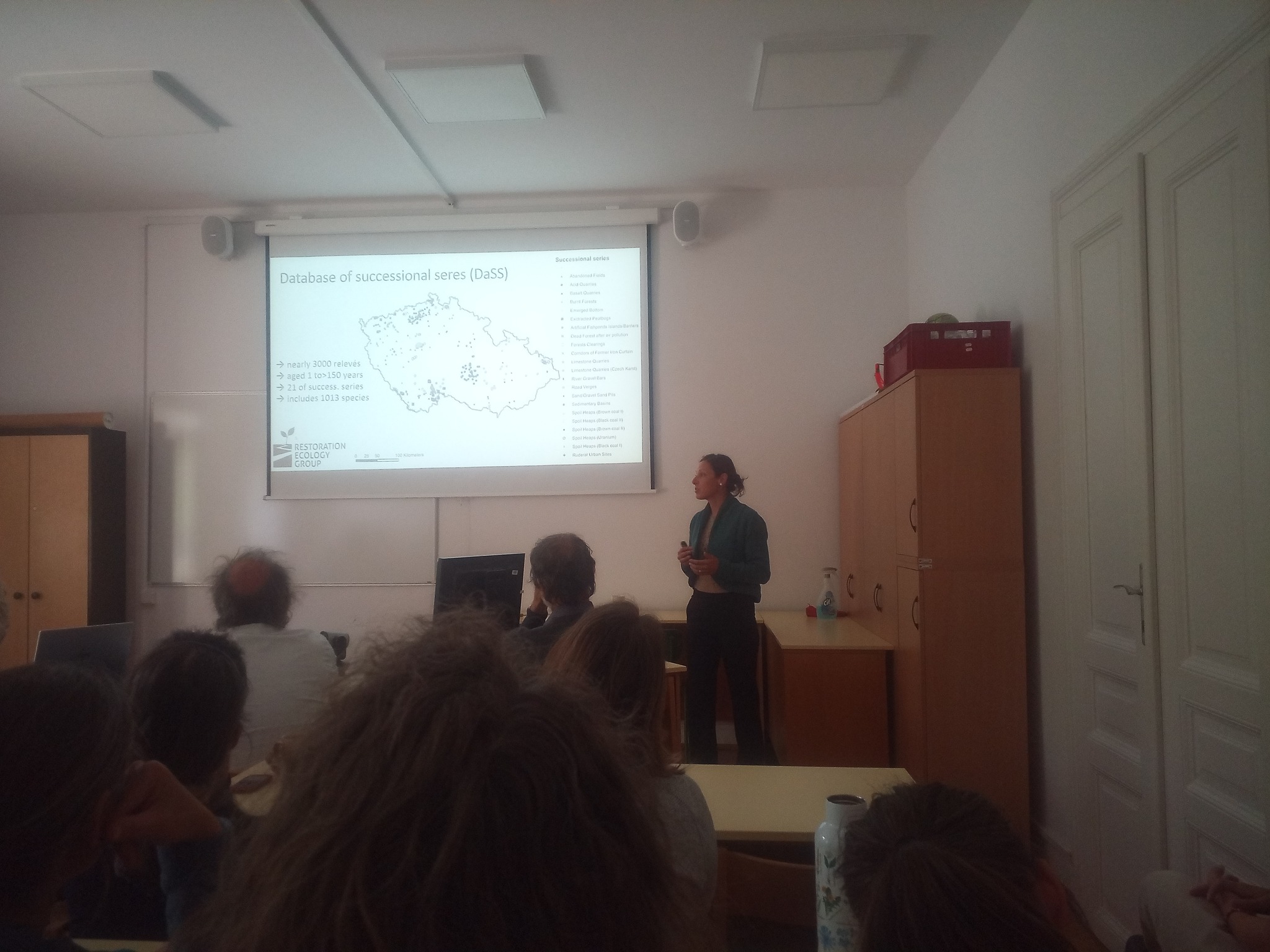
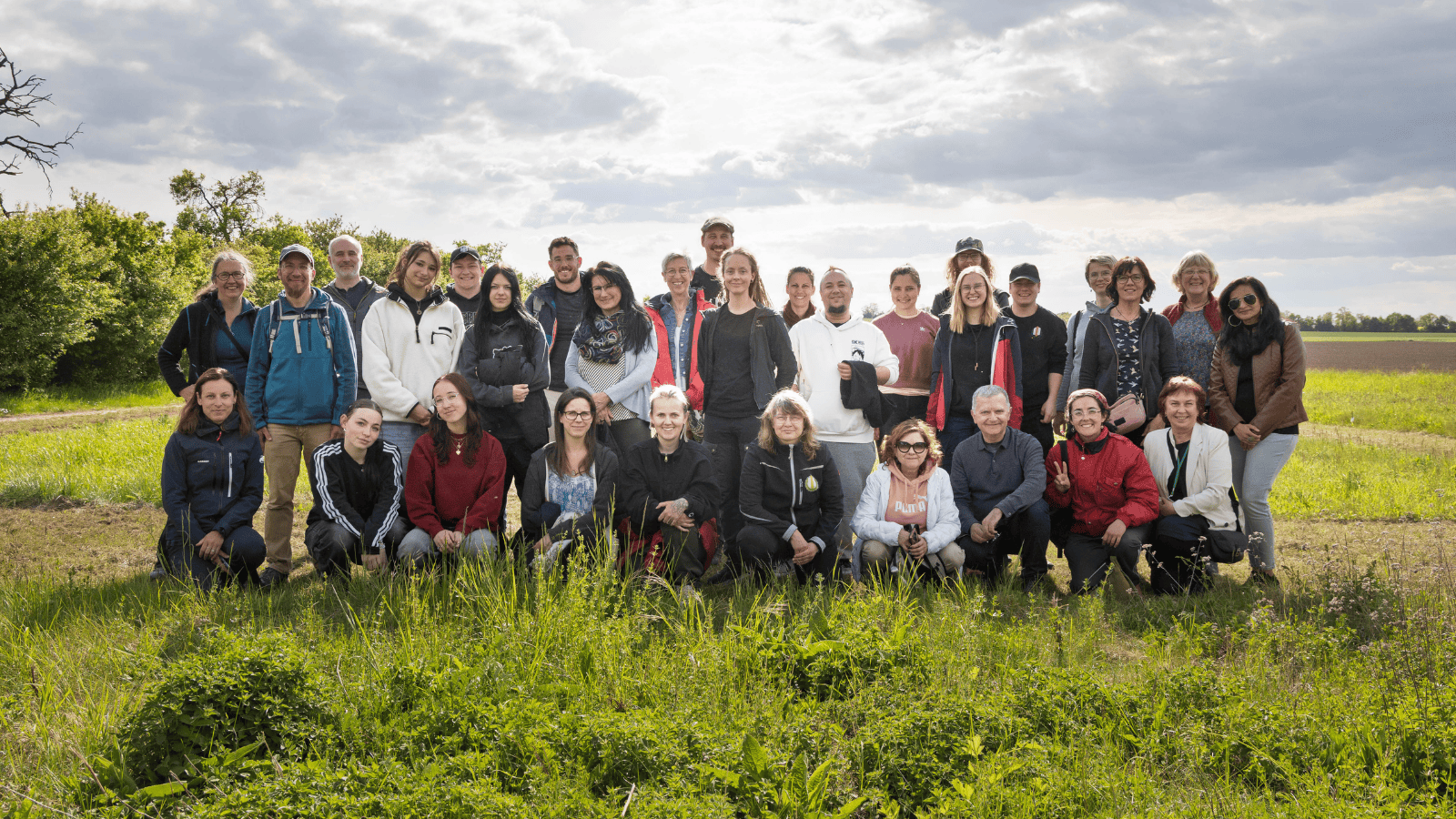 Last week, the Restoration Ecology Working Group at the Department of Botany, Faculty of Science, University of South Bohemia, held a week-long intensive course that guided VET students from Spain, Germany, the Czech Republic, and Norway through the theoretical and practical aspects of the rapidly developing field of restoration ecology. Preparations for the exchange began in each country already in autumn. During this time, the students also developed their own projects, and the best ones came to present and defend them during the exchange. The aim of the meeting in the Czech Republic was to increase education in the field of ecological restoration among a group of students who are implementing a number of measures in practice. With the recent adoption of the European Nature Restoration Regulation, it is clear that knowledge transfer is key to high-quality habitat restoration.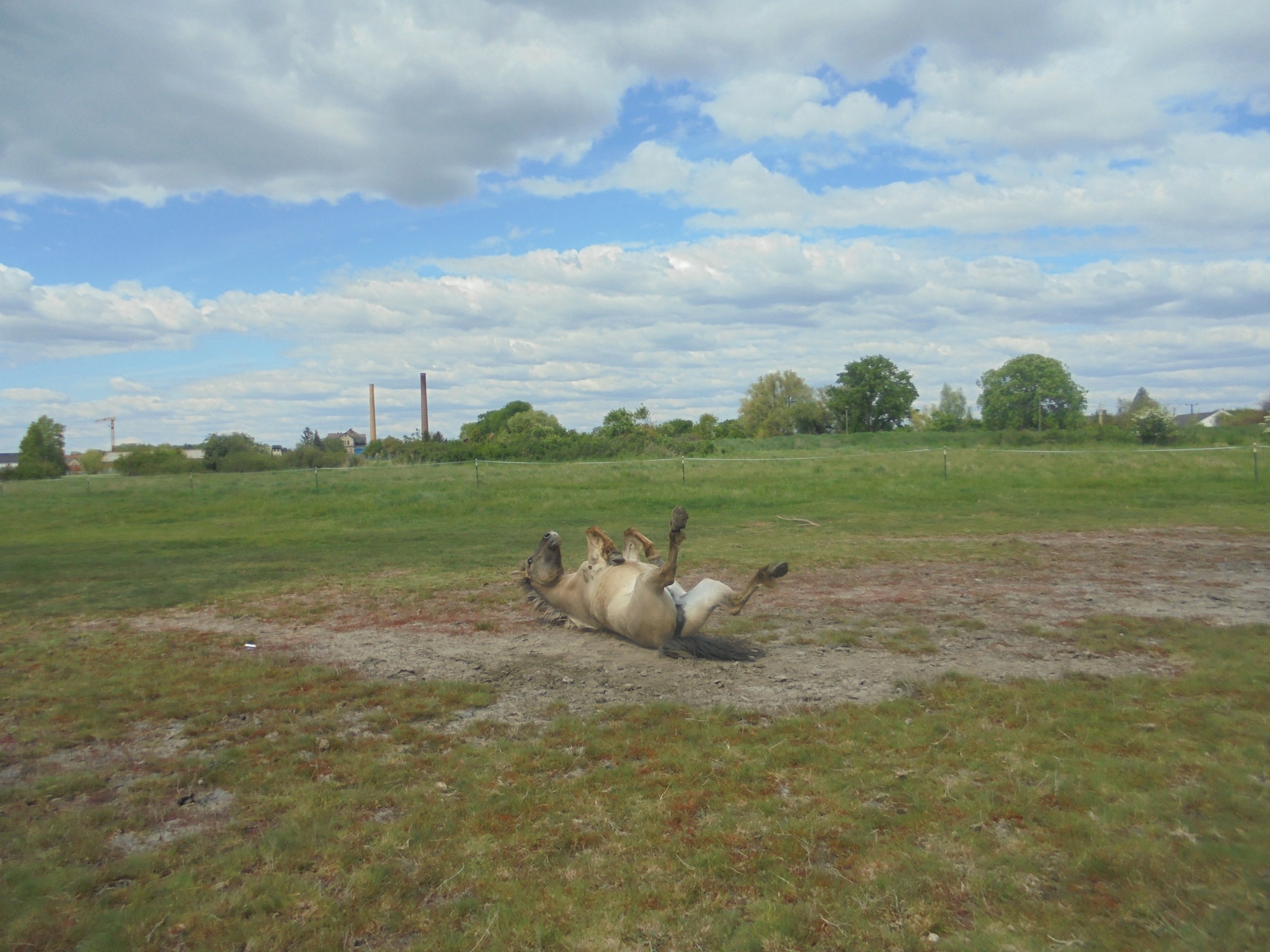

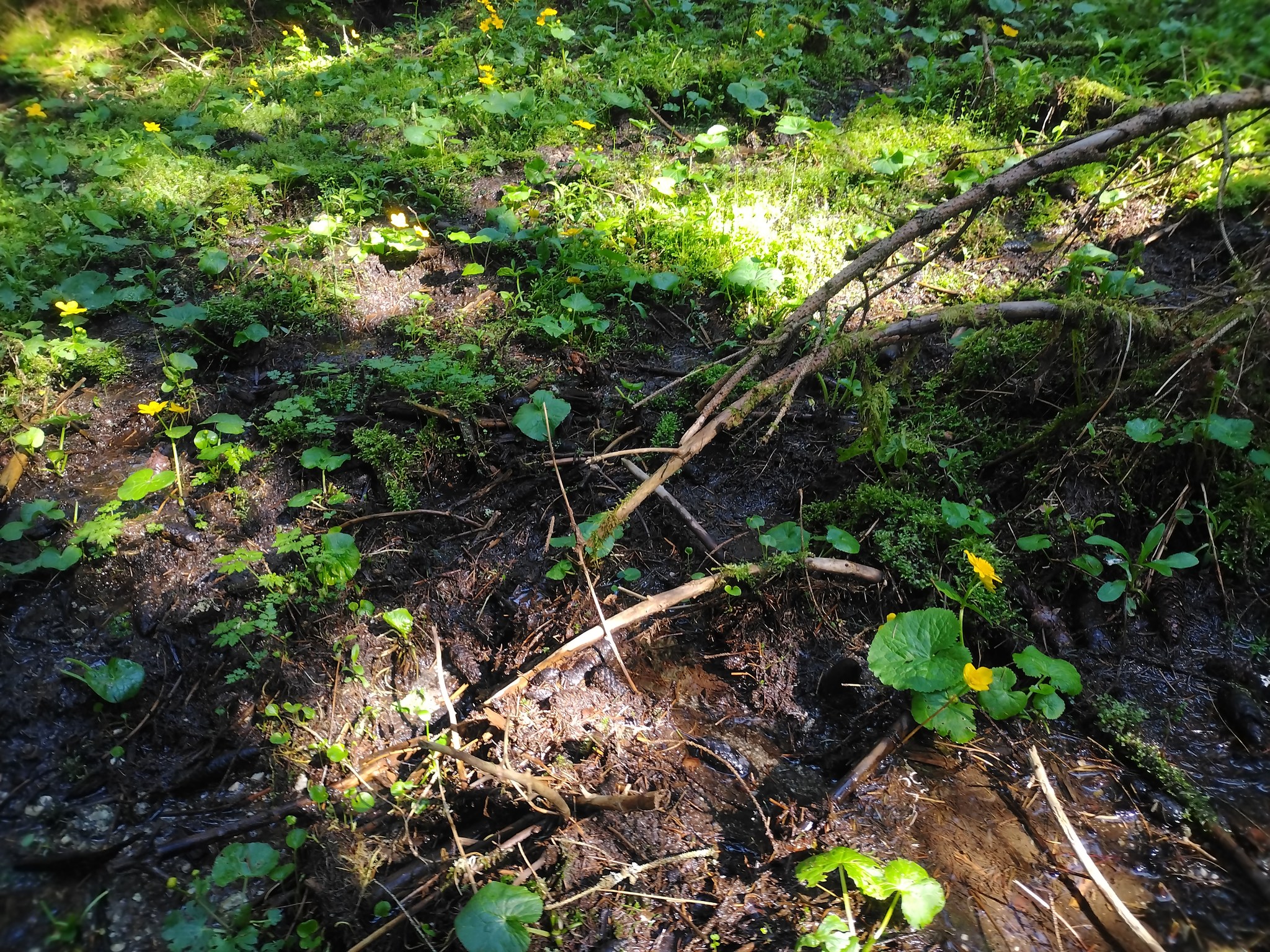
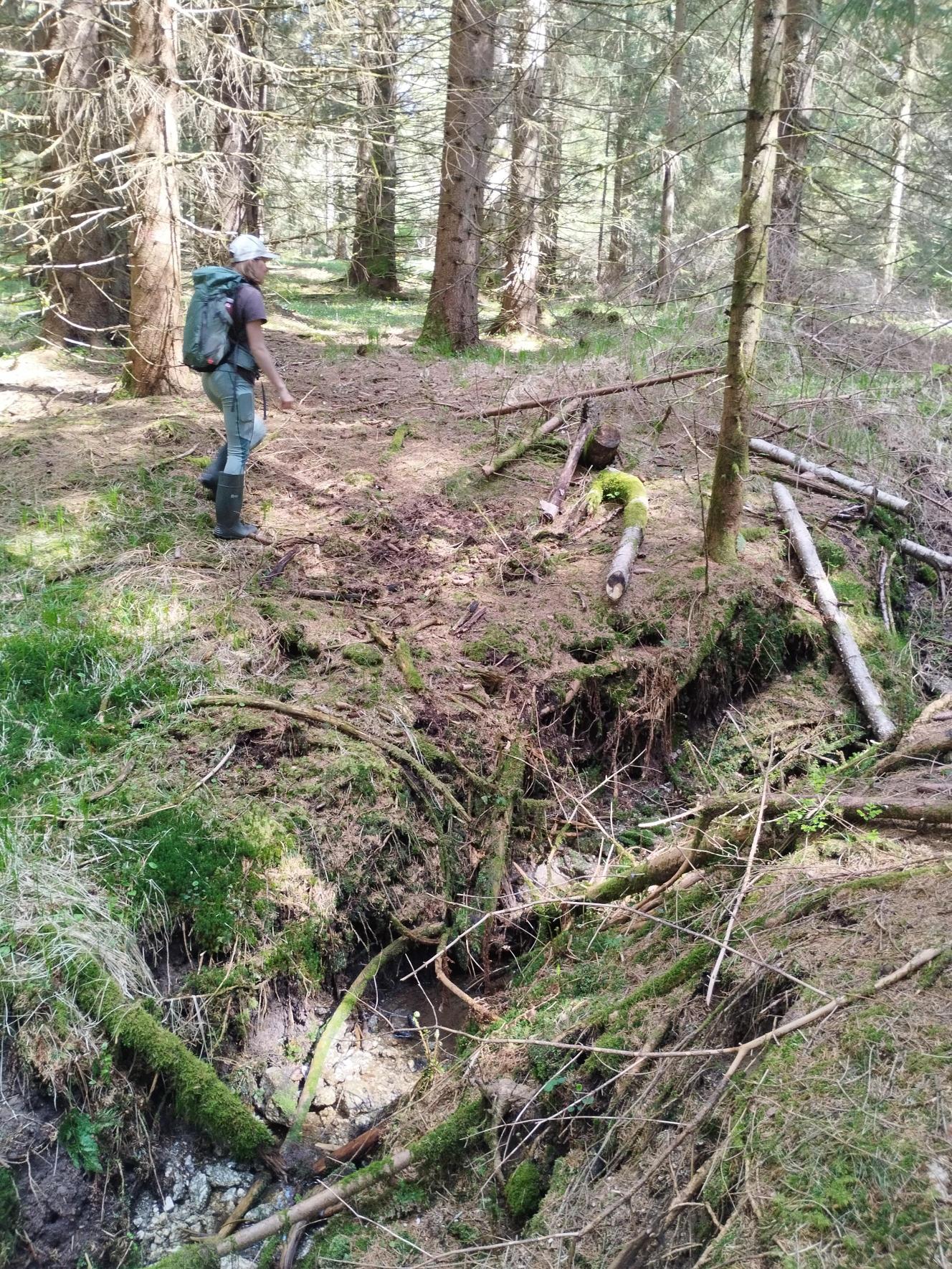
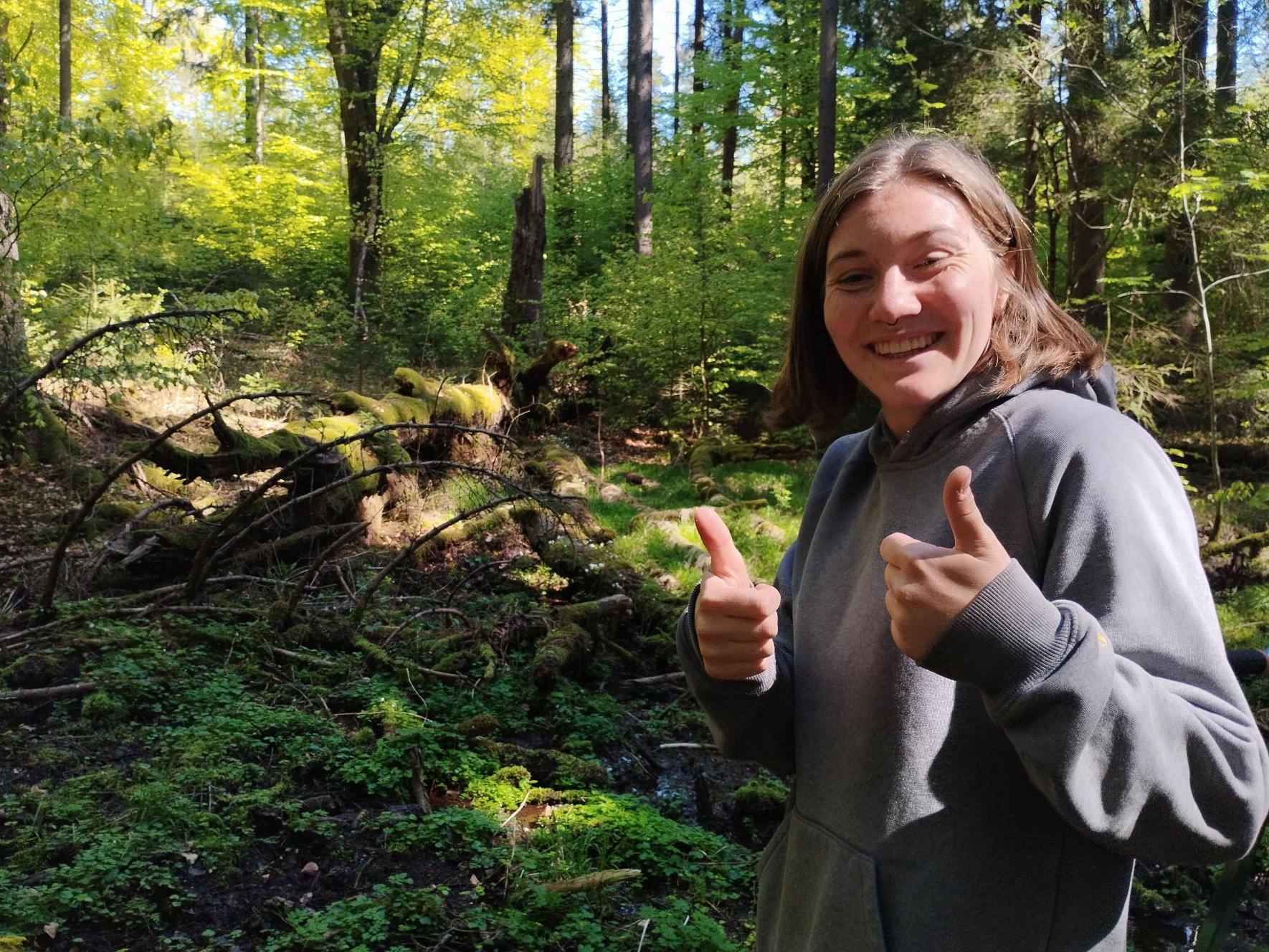 In our TAČR project Restoration of springs - retention of water in the landscape directly at the source, we are also engaged in mapping springs and evaluating their condition in cooperation with the Administration of the Šumava National Park. This week, on Monday 28th and Tuesday 29th April, we visited several drained springs on the right bank of the Lipno Reservoir. Our student Šárka Sedláčková will map the springs in her bachelor thesis with the focus on the Horský Brook catchment area.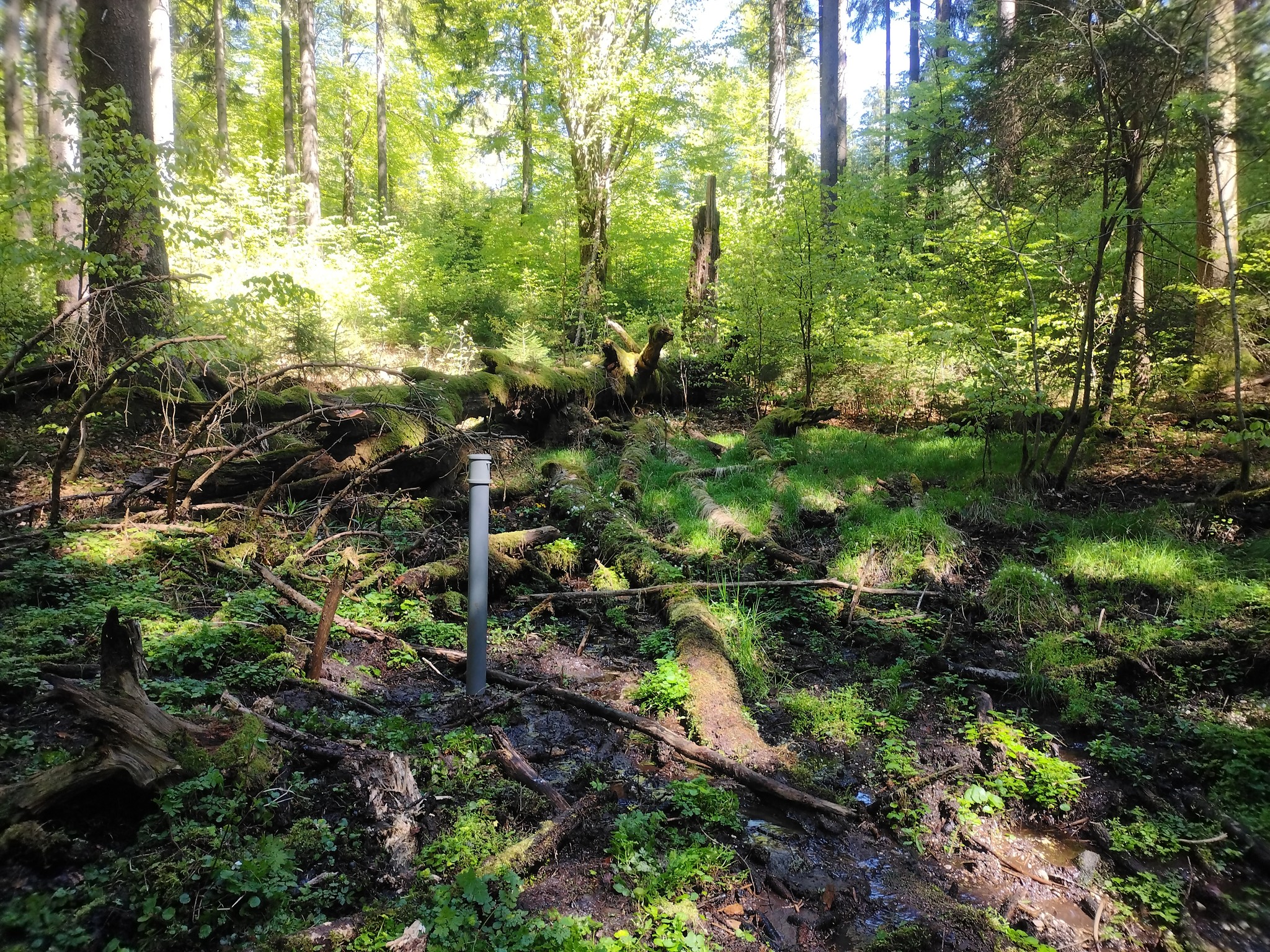
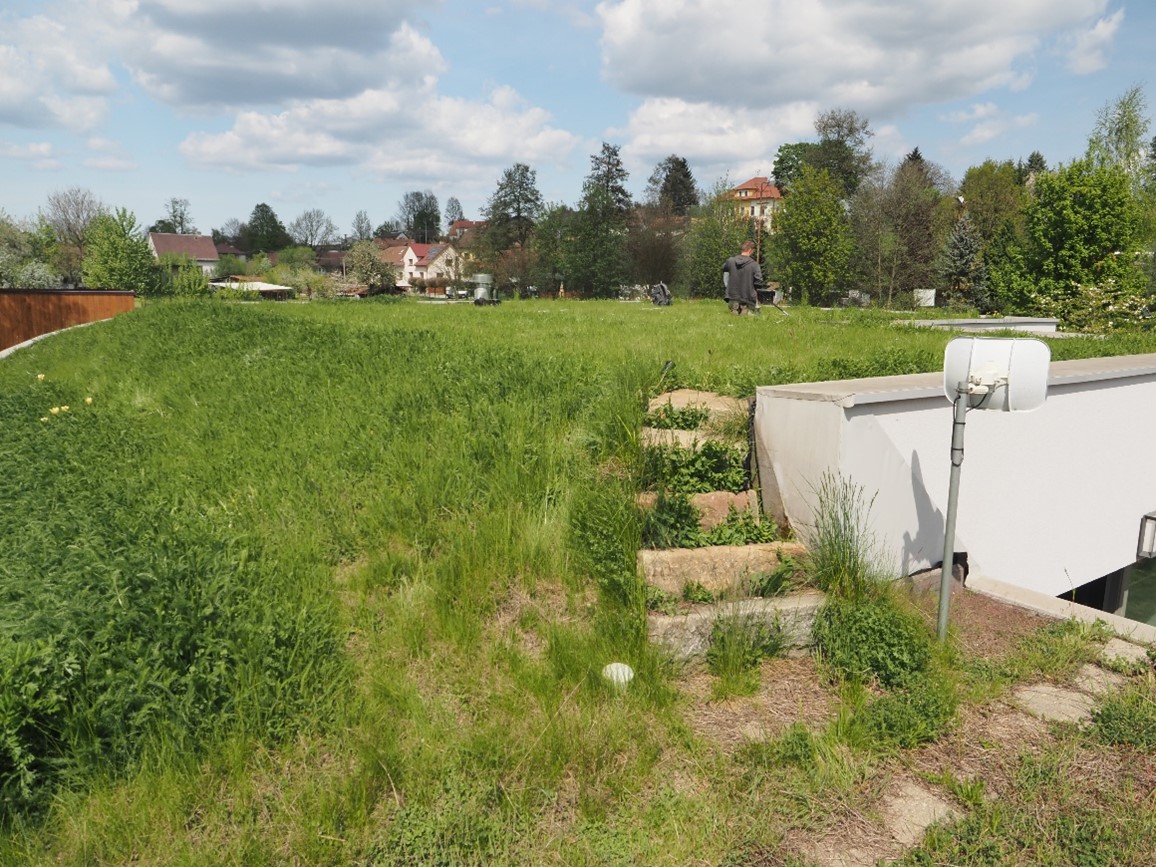
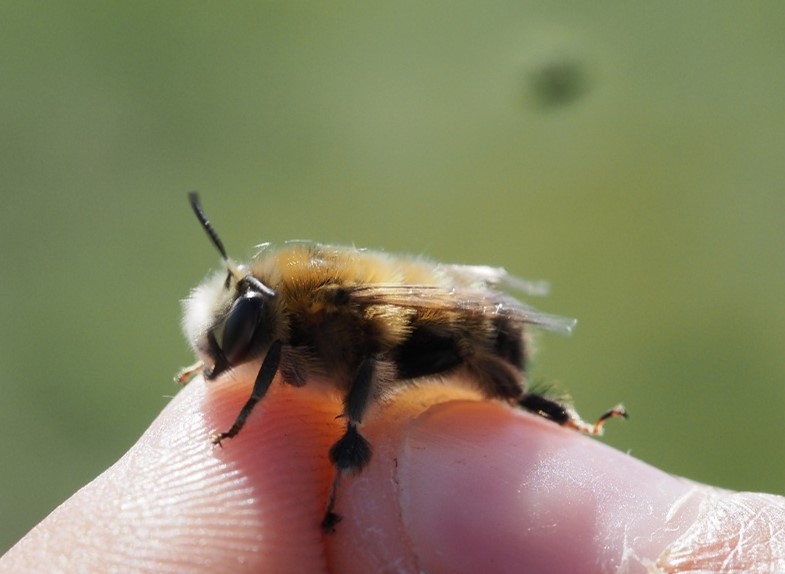
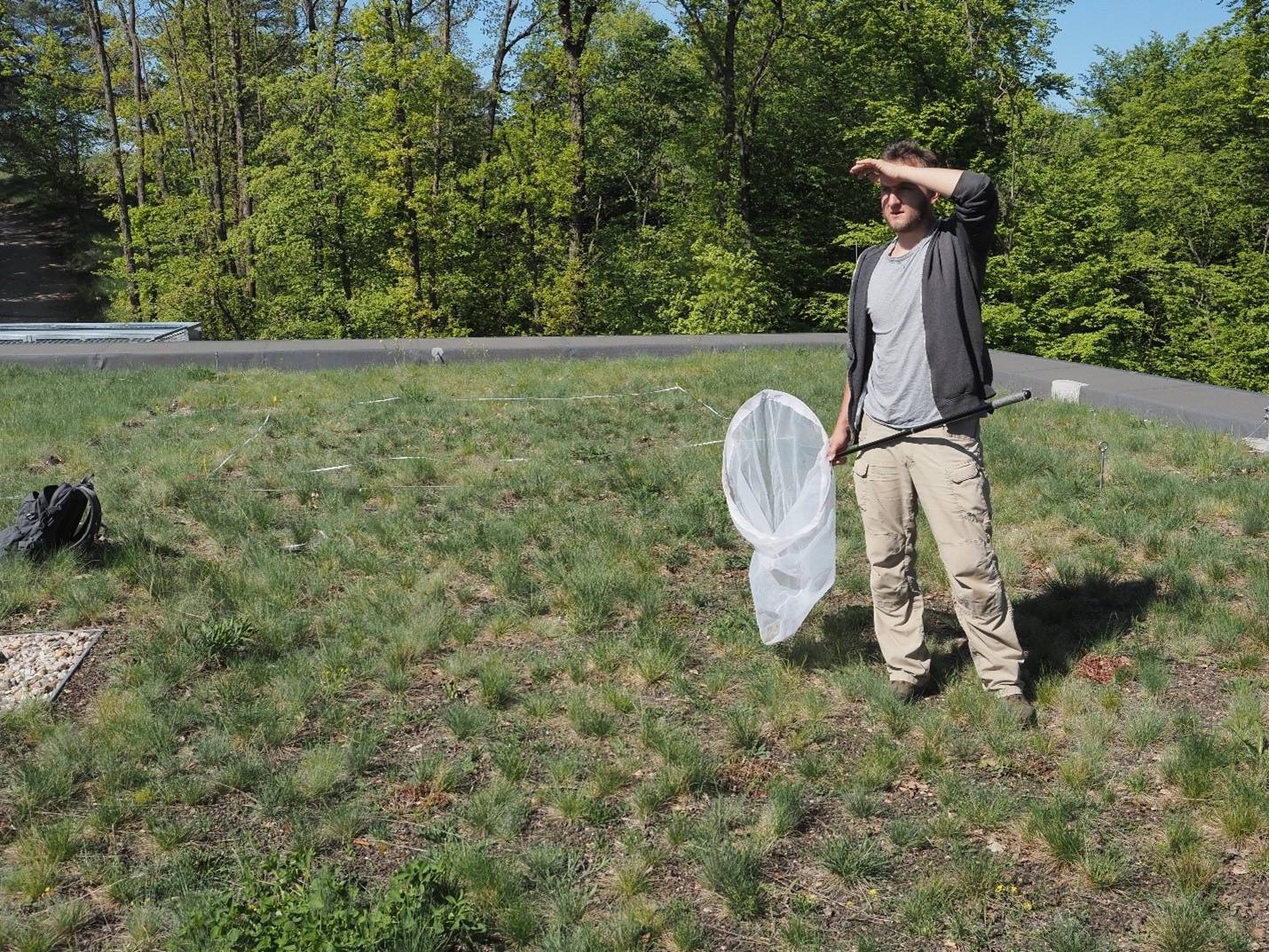 With the beginning of spring, we started to monitor green roofs - this time in the Bohemian Karst, Prague ZOO and the Vysočina (Humpolec, Zďár nad Sázavou). We surveyed vegetation and invertebrates that inhabit these specific habitats. In Humpolec, we also established a new experimental roof - in addition to native species of Sedum sp., we sowed a seed mixture from the regional seed production system. Another interesting finding was that the semi-parasitic plants sown in autumn on one of the Prague roofs had already germinated. If they can survive here for the long term, they could help with controlling the dense vegetation and reducing its biomass.