|
Published on Nov 4, 2015
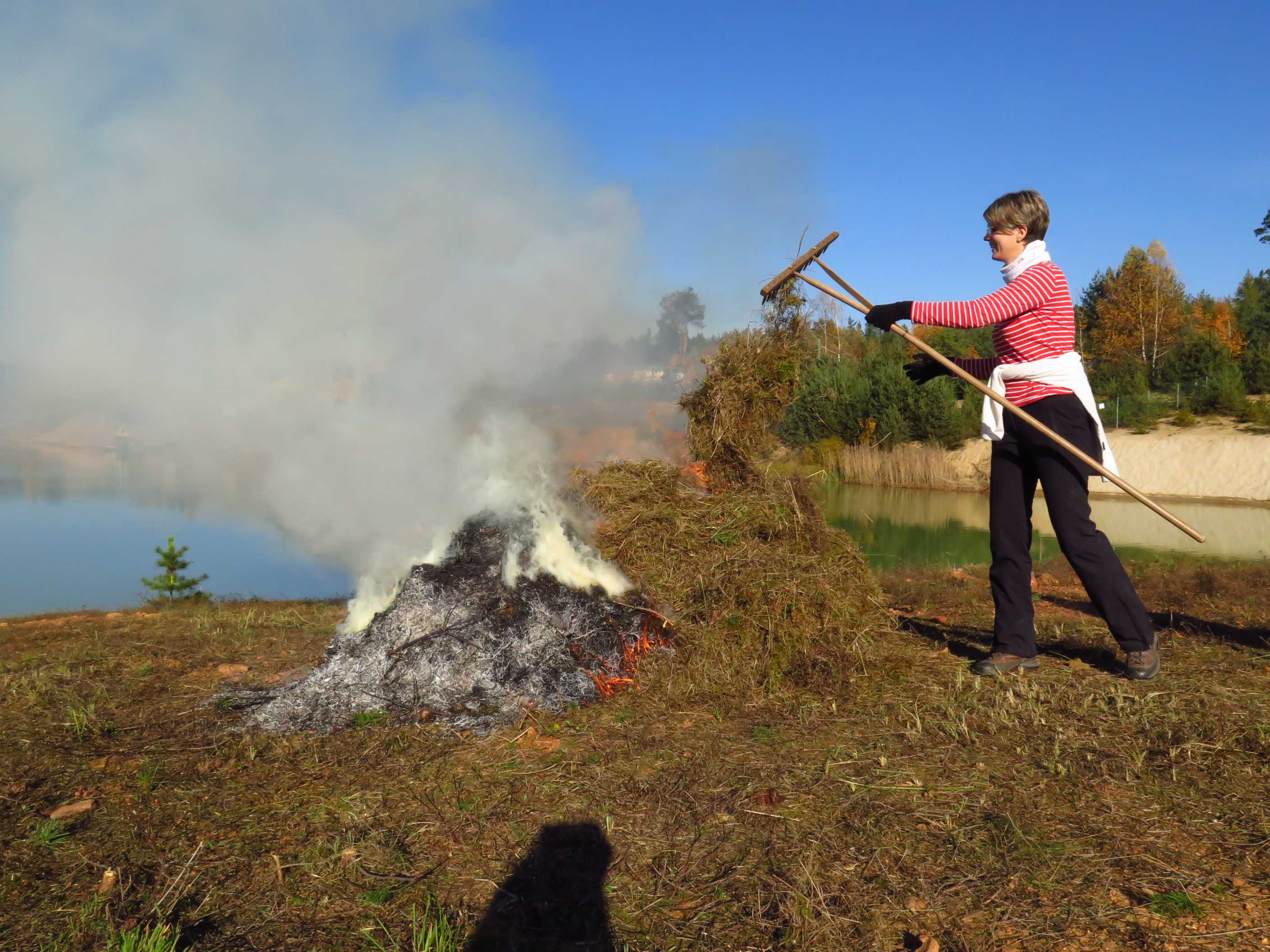
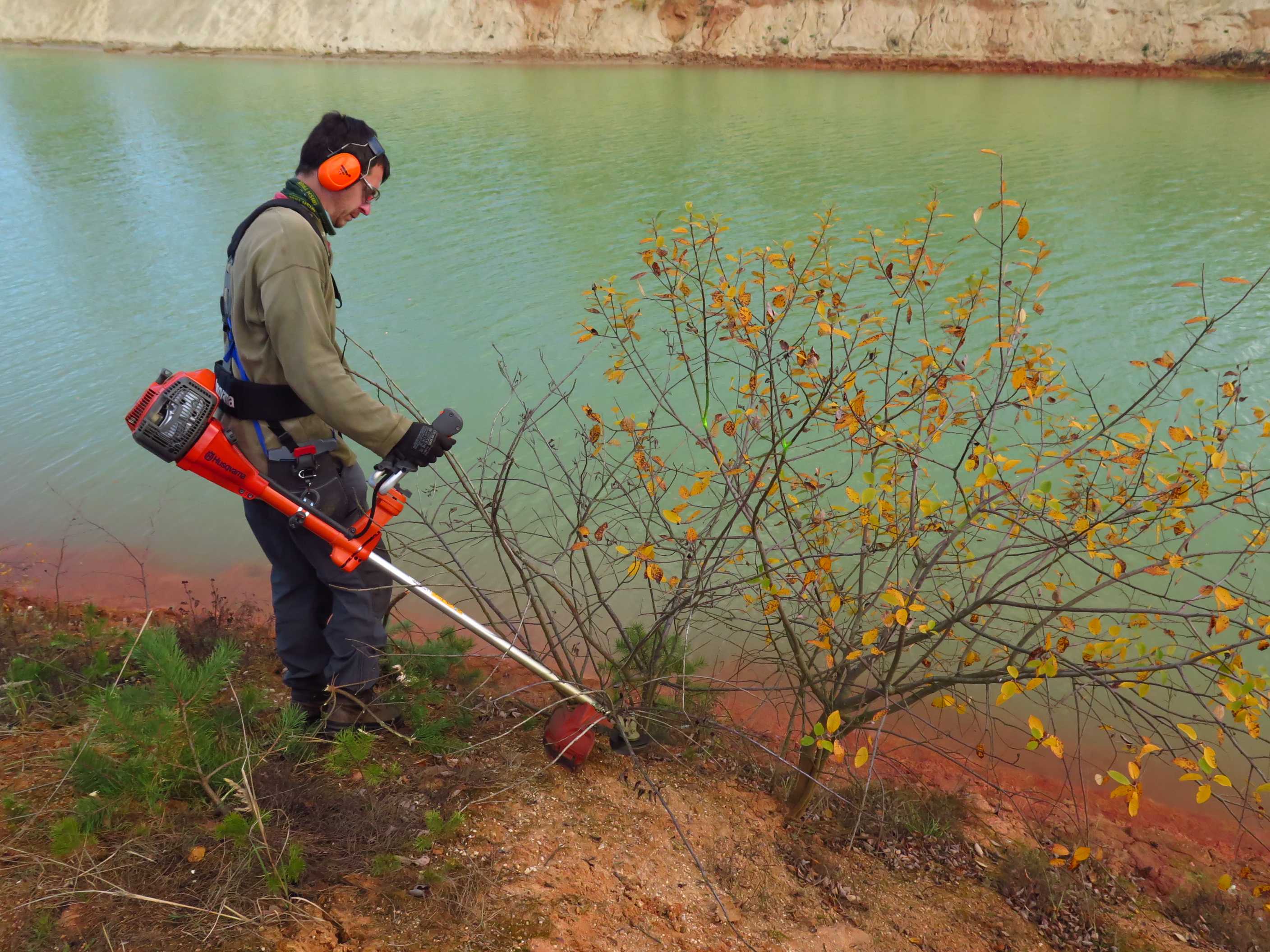
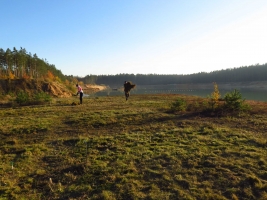 During sheep grazing on the island in the Cep II sand pit this year, we realized that the sheep don't like the vegetation that much. We have therefore chosen a radical approach and mow the whole island, cut down small Pine trees and rakes litter and mosses out. Hopefully we ensure more juicy and tasty vegetation for the next year. During sheep grazing on the island in the Cep II sand pit this year, we realized that the sheep don't like the vegetation that much. We have therefore chosen a radical approach and mow the whole island, cut down small Pine trees and rakes litter and mosses out. Hopefully we ensure more juicy and tasty vegetation for the next year.
We learned two important things from this experiment: 1) there is only one suitable donor locality for psamophytic vegetation - Vlkov sand dune. Lužnice terraces from which we also took biomass are already too mesophilous. 2) Transferred biomass should be dispersed in very thin layer. If the layer is too thick, it helps expansion of competitively strong mosses.
Published on Sep 17, 2015
Published on Jul 15, 2015
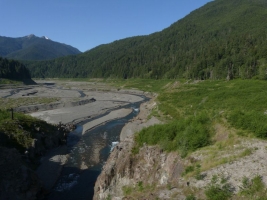 Our Restoration Ecology group works also abroad. As an example, Karel Prach has just completed his field work on a former dam on the Elwha river in the Olympic National Park in the west of Washington. He did his research during his six-month stay at the University of Washington in Seattle. On the Elwha river, two dams were demolished a few years ago because such constructions should not be in the National Park. At the same time this should enable migration of several salmon species which are traditional commodity for the Native Americans and other inhabitants. The works are part of a broader project and are coordinated by the Administration of the National Park. The goal of the project is to compare the current course of spontaneous and directed succession (sowing and planting of native species) and to answer the question whether the direction is to restore the native forests composed mainly of Pseudotsuga menziesii, Tsuga heterophylla, Thuja plicata, Acer macrophyllum and Alnus rubra. So far it seems that they can rely on spontaneous succession and thus possibly save on costly sowing and planting. On the other hand, they are a kind of advertising for the National Park and also provide jobs. However, they are not harmful to the nature, like the majority of reclamation works in our country. Our Restoration Ecology group works also abroad. As an example, Karel Prach has just completed his field work on a former dam on the Elwha river in the Olympic National Park in the west of Washington. He did his research during his six-month stay at the University of Washington in Seattle. On the Elwha river, two dams were demolished a few years ago because such constructions should not be in the National Park. At the same time this should enable migration of several salmon species which are traditional commodity for the Native Americans and other inhabitants. The works are part of a broader project and are coordinated by the Administration of the National Park. The goal of the project is to compare the current course of spontaneous and directed succession (sowing and planting of native species) and to answer the question whether the direction is to restore the native forests composed mainly of Pseudotsuga menziesii, Tsuga heterophylla, Thuja plicata, Acer macrophyllum and Alnus rubra. So far it seems that they can rely on spontaneous succession and thus possibly save on costly sowing and planting. On the other hand, they are a kind of advertising for the National Park and also provide jobs. However, they are not harmful to the nature, like the majority of reclamation works in our country.
Published on Jul 8, 2015
 In the vegetation season, there is always something going on. In the Váté písky near Bzenec, annual phytosociological sampling was held on permanent plots that were established in 2012. In some parts of the National Nature Monument, Ivana Jongepierová organized the topsoil removal to start the restoration of this rare habitat and to prevent the expansion of Calamagrostis epigejos. This project was successful and instead of stands of Calamagrostis, we now can see open sand patches with Corynephorus canescens stands. In the vegetation season, there is always something going on. In the Váté písky near Bzenec, annual phytosociological sampling was held on permanent plots that were established in 2012. In some parts of the National Nature Monument, Ivana Jongepierová organized the topsoil removal to start the restoration of this rare habitat and to prevent the expansion of Calamagrostis epigejos. This project was successful and instead of stands of Calamagrostis, we now can see open sand patches with Corynephorus canescens stands.
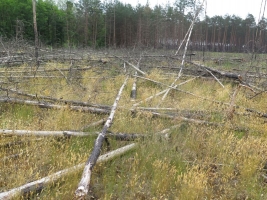
Among others, we also sampled permanent plots that were established after a legendary fire event of Bzenec oak forest in 2012. At leats a small part of this area was left to the spontaneous development after negotiations with foresters.
Another interesting project for maintenance of open sandy patches in sand pits is geocaching. For geocaching fans, there are two series - Borovany miniseries and Lžín sand pit.
Published on Jun 19, 2015
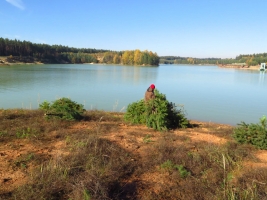
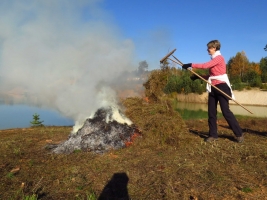
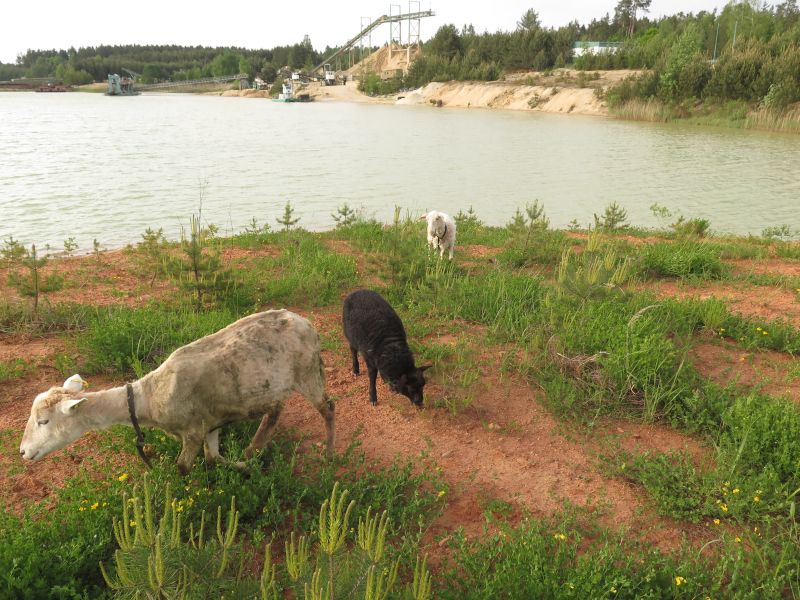
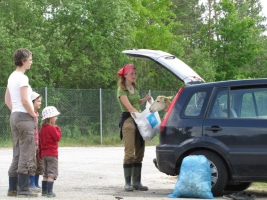 The sheep's exotic holiday at the island of the Cep II sand pit is over. And we have few tips and lessons learned for the next time: The sheep's exotic holiday at the island of the Cep II sand pit is over. And we have few tips and lessons learned for the next time:
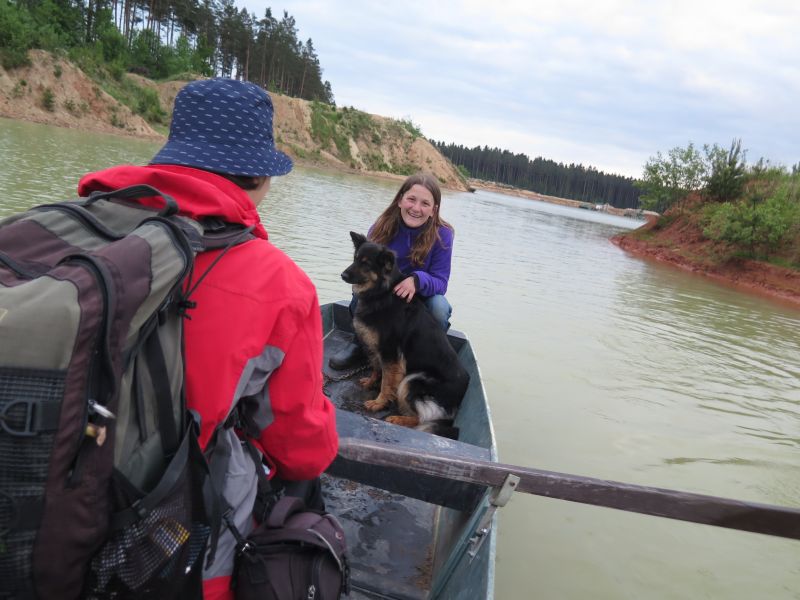
1) Sheep can swim! It swims very well and it likes to swim!
2) They eat only young, still not entirely grown, Lotus corniculatus.
3) Three sheep is still too less even for the island.
4) Anything is impossible!
Published on May 28, 2015
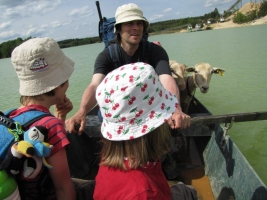
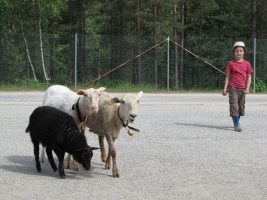
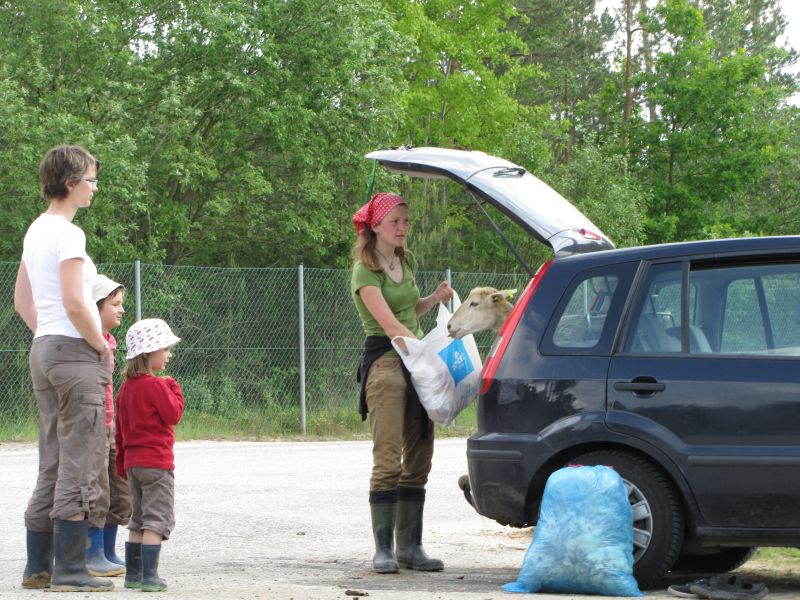
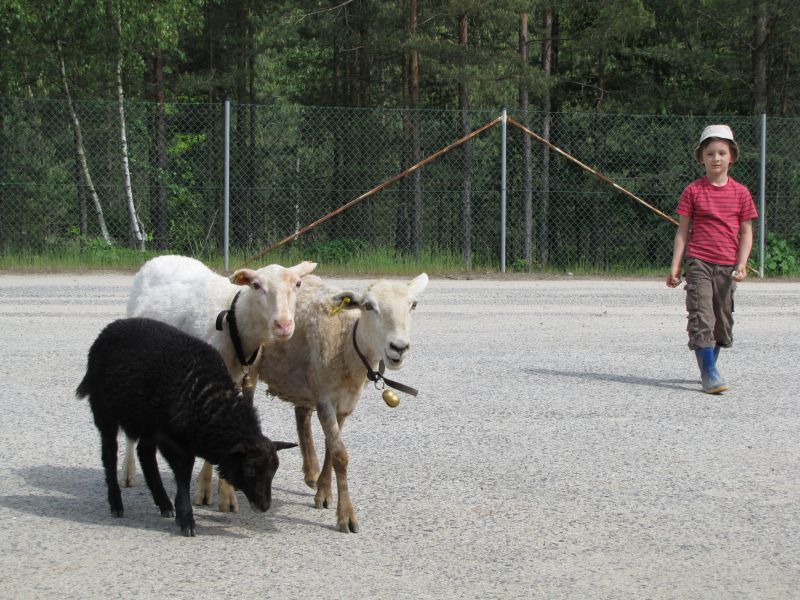
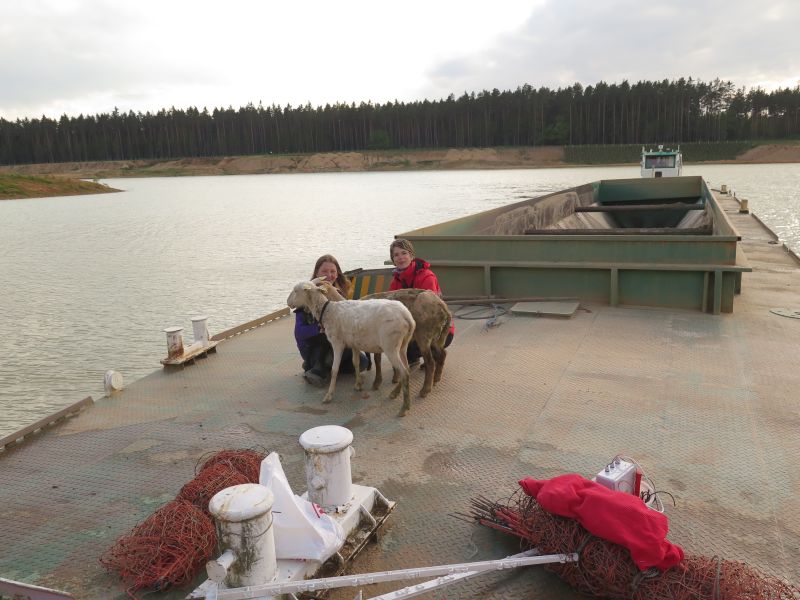
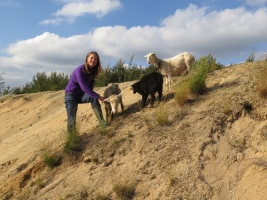 Almost impossible became real and a small flock of sheep has grazed on an islet in the Cep II sand pit since yesterday evening. And if we say small, we mean small - two meritorious female grazers and one cute black lamb. Until Sunday they will graze the experimental plots for restoration of psammophytic grasslands which were established in 2009. Lotus corniculatus spreads on plots with transfered biomass and it needs to be suppressed. Moreover, it is also desirable to disrupt thick layers of lichens and moses. Almost impossible became real and a small flock of sheep has grazed on an islet in the Cep II sand pit since yesterday evening. And if we say small, we mean small - two meritorious female grazers and one cute black lamb. Until Sunday they will graze the experimental plots for restoration of psammophytic grasslands which were established in 2009. Lotus corniculatus spreads on plots with transfered biomass and it needs to be suppressed. Moreover, it is also desirable to disrupt thick layers of lichens and moses.
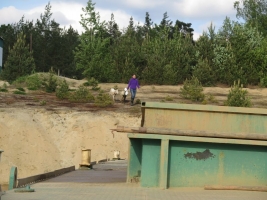
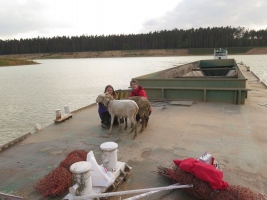
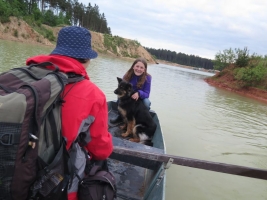
Transport of sheep on a ferry went smoothly and sheep seem satisfied with the food supply. Alča Bartošová will oversee that they enjoy their vacation and she deserves many thanks that she was not afraid and went for it! Many thanks also to our favorite ferry driver who assisted for the whole time and transported the girls smoothly to the other bank.
So now we have to rely on the sheep's appetite and let them graze everything according to a planned "zig-zag" design!
<
1
...
19
20
21
22
23
24
>
|
|


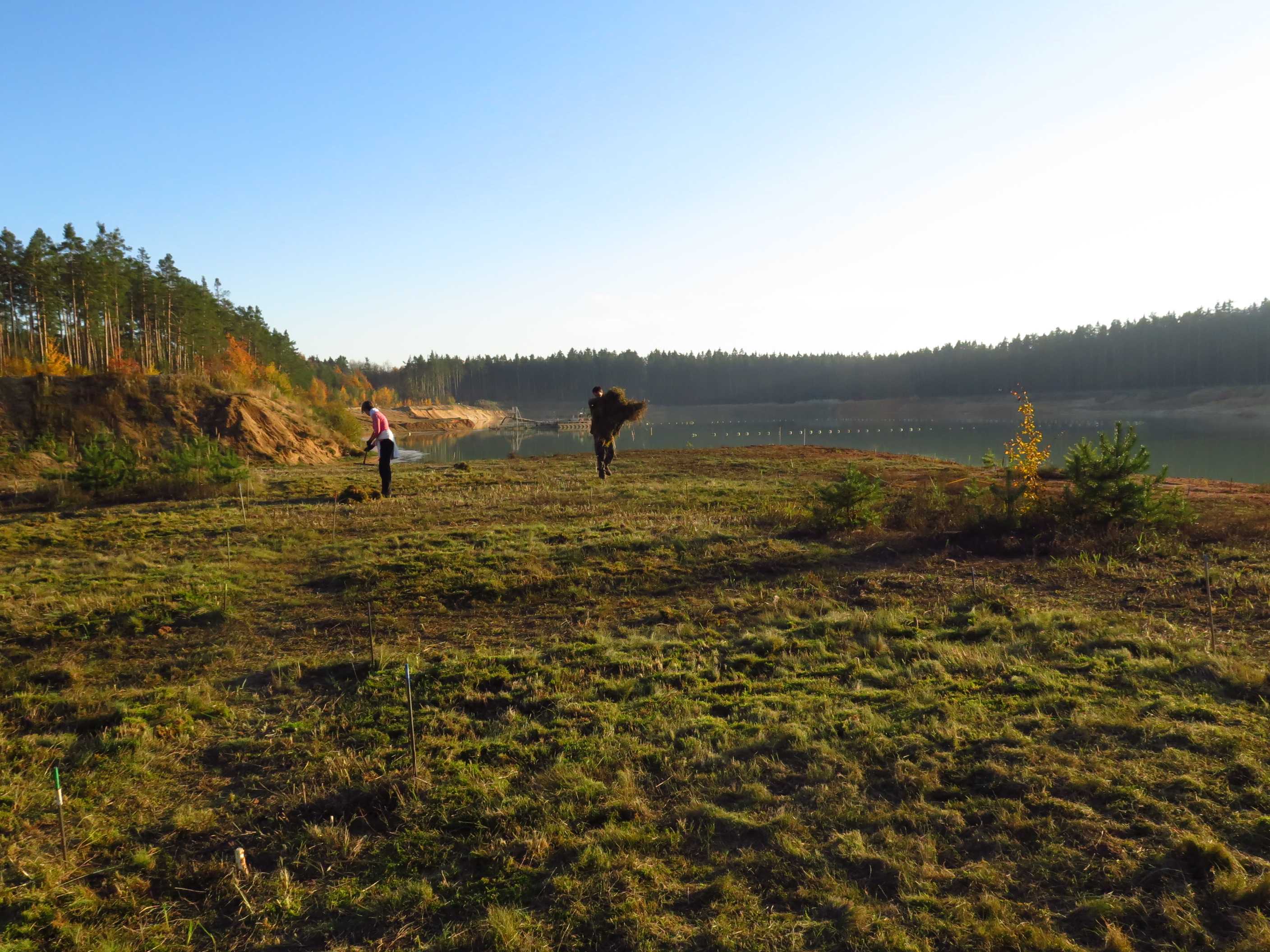 During sheep grazing on the island in the Cep II sand pit this year, we realized that the sheep don't like the vegetation that much. We have therefore chosen a radical approach and mow the whole island, cut down small Pine trees and rakes litter and mosses out. Hopefully we ensure more juicy and tasty vegetation for the next year.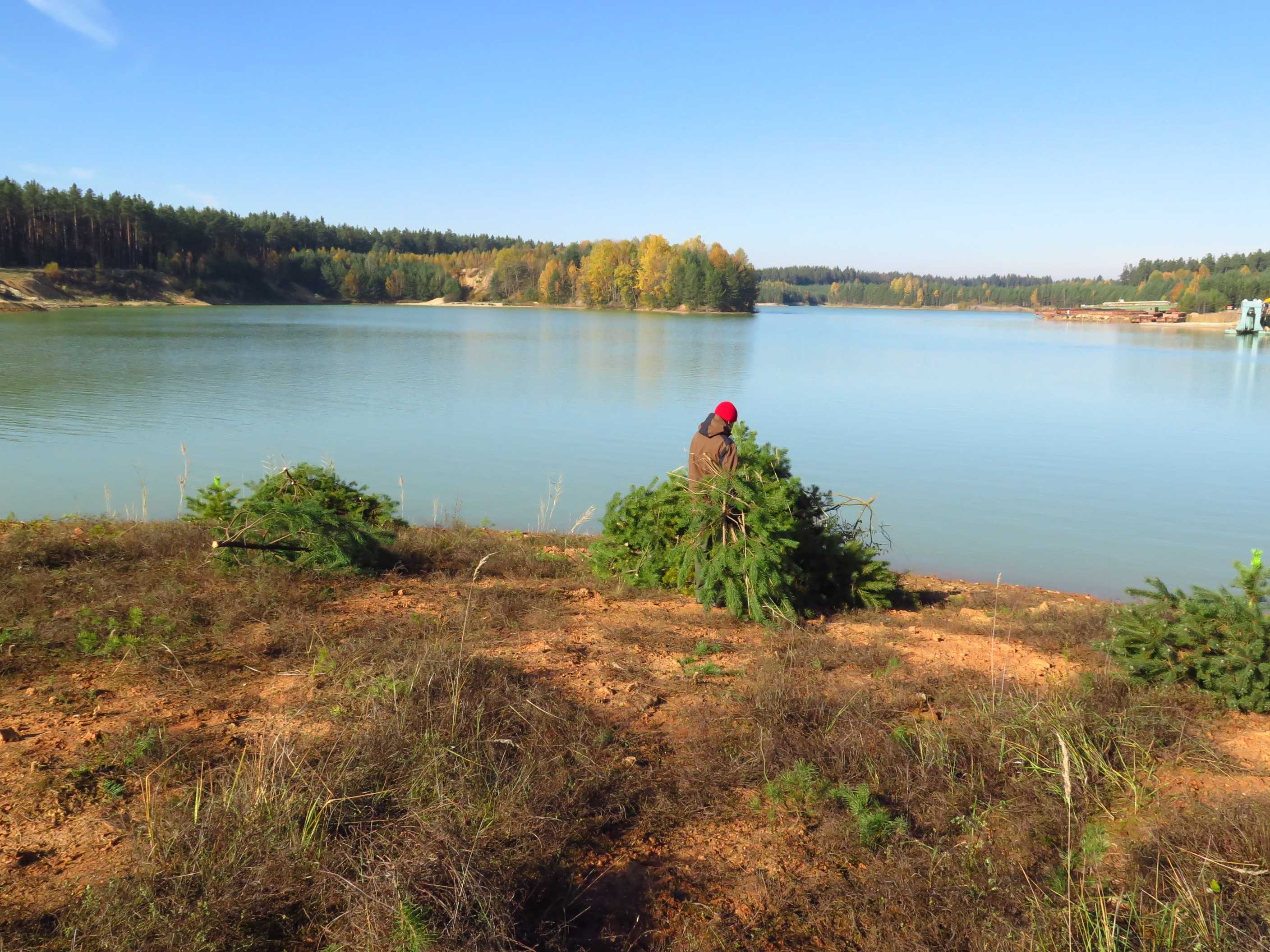
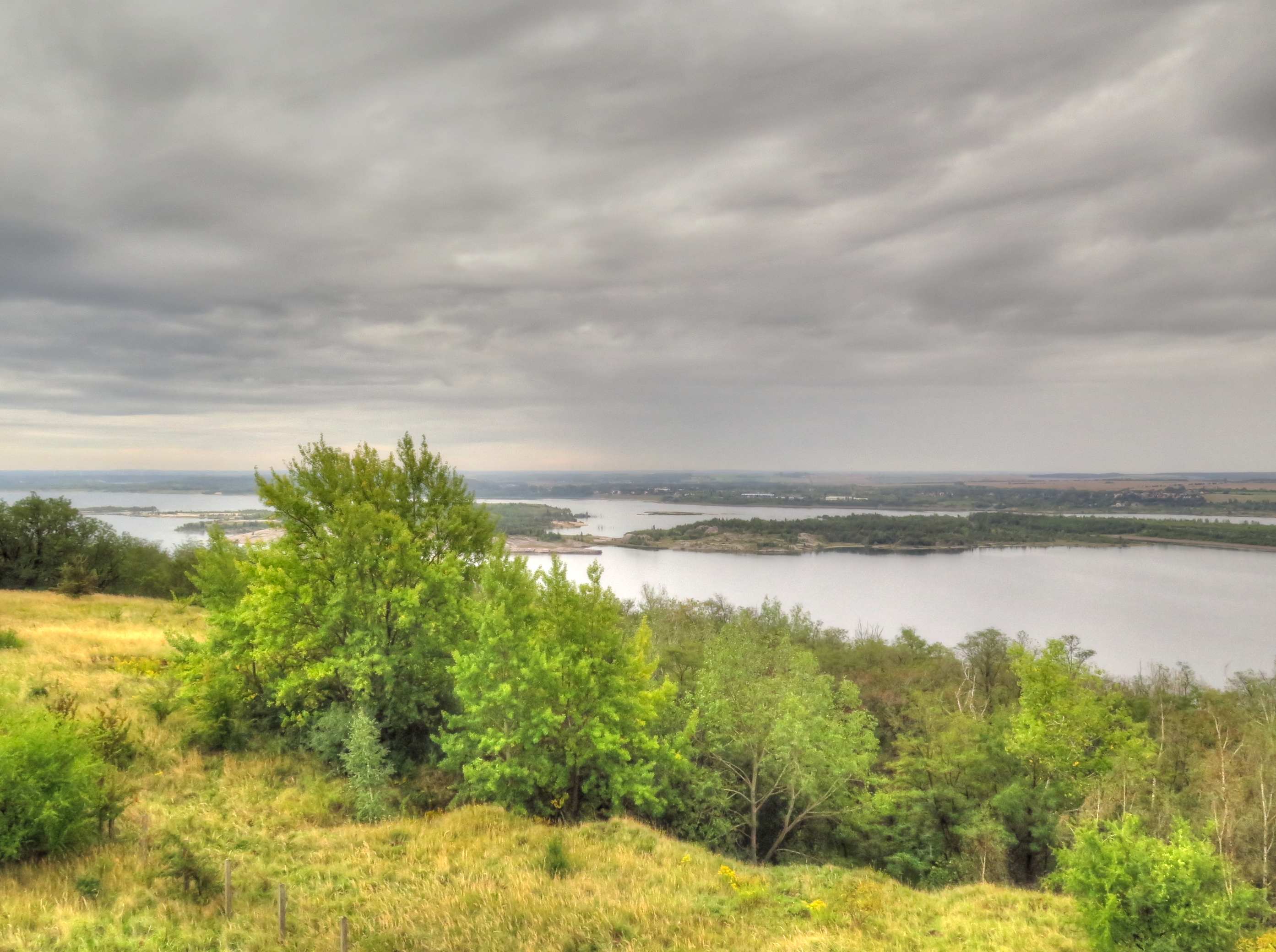
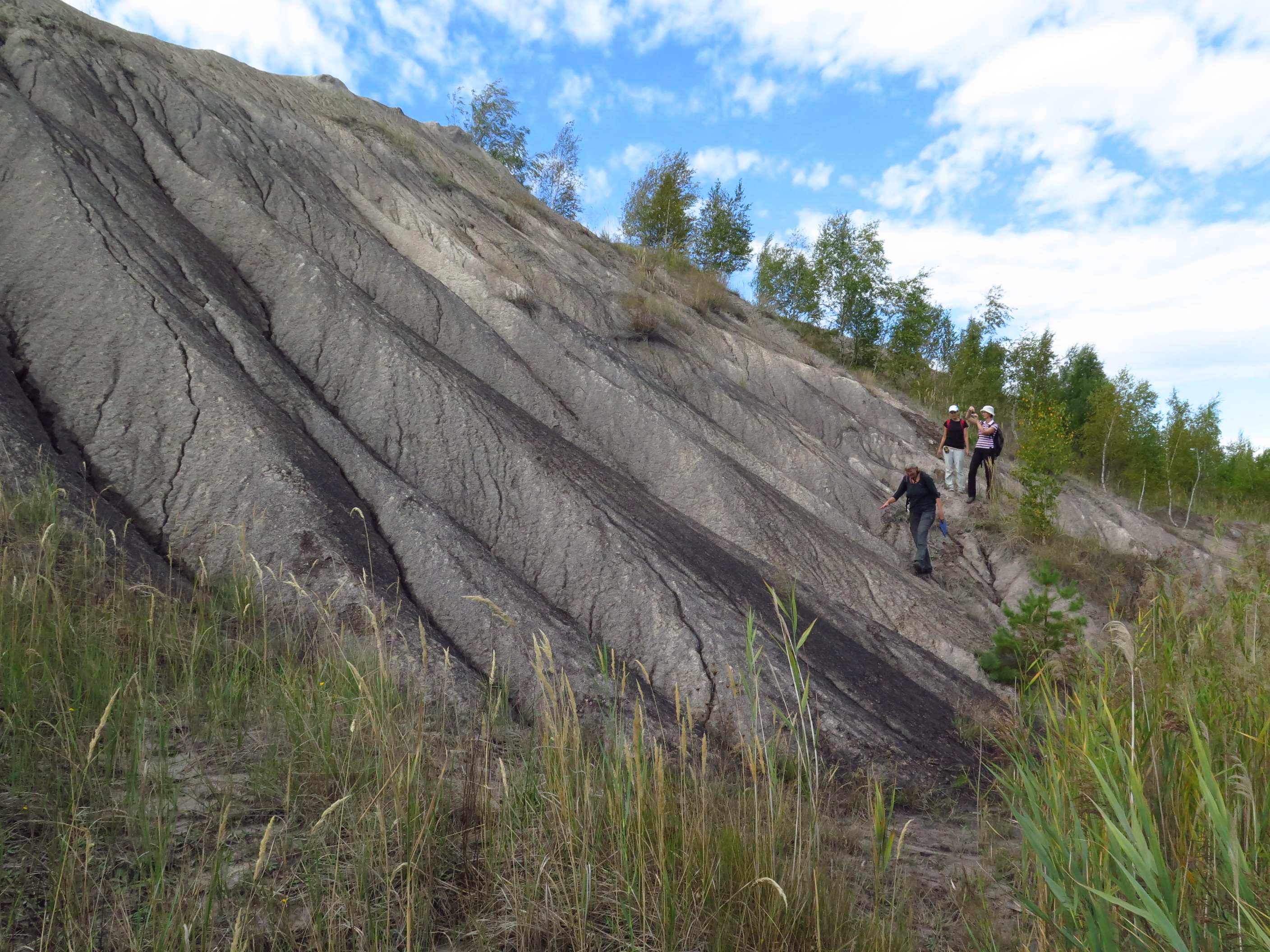
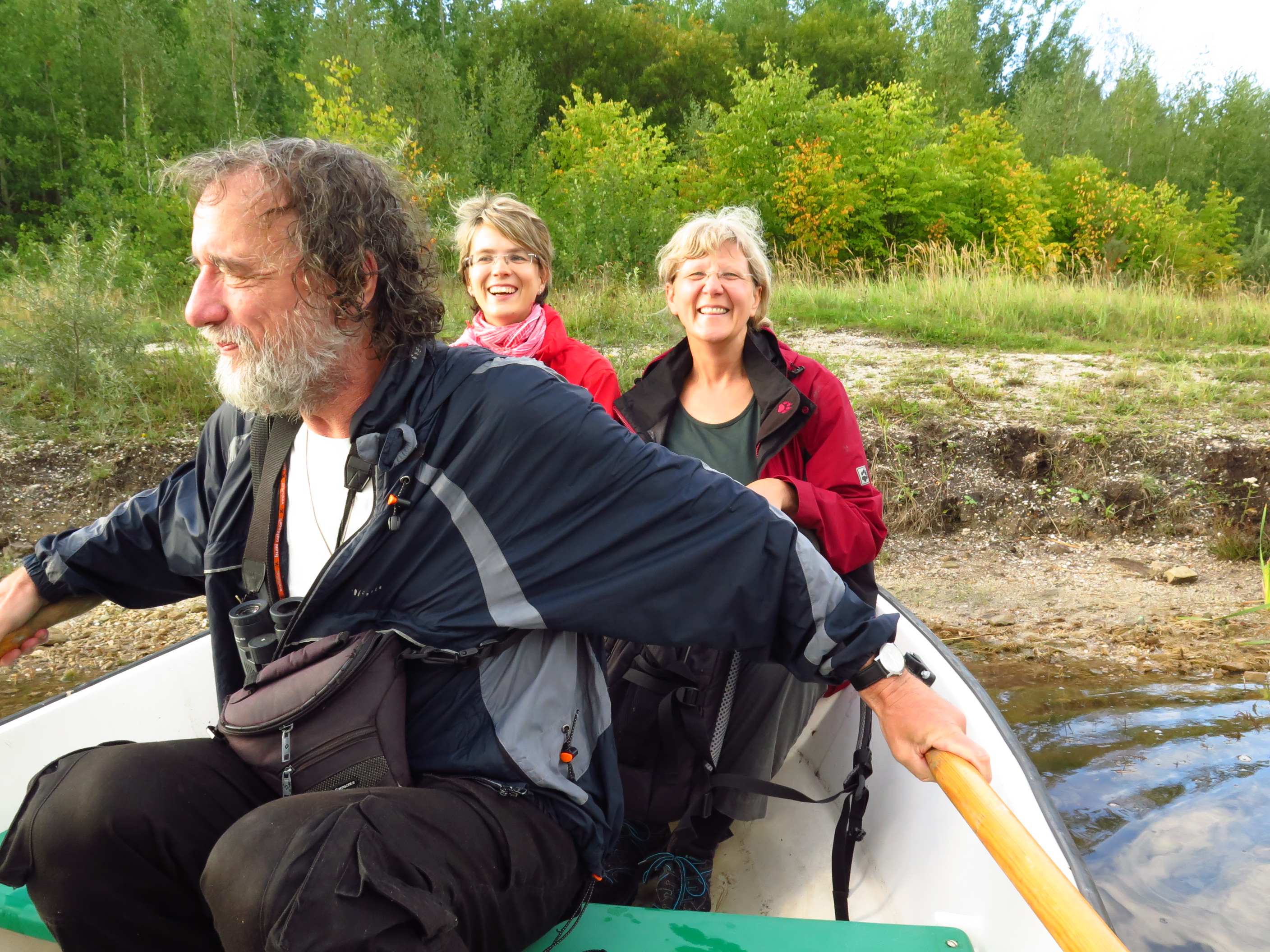
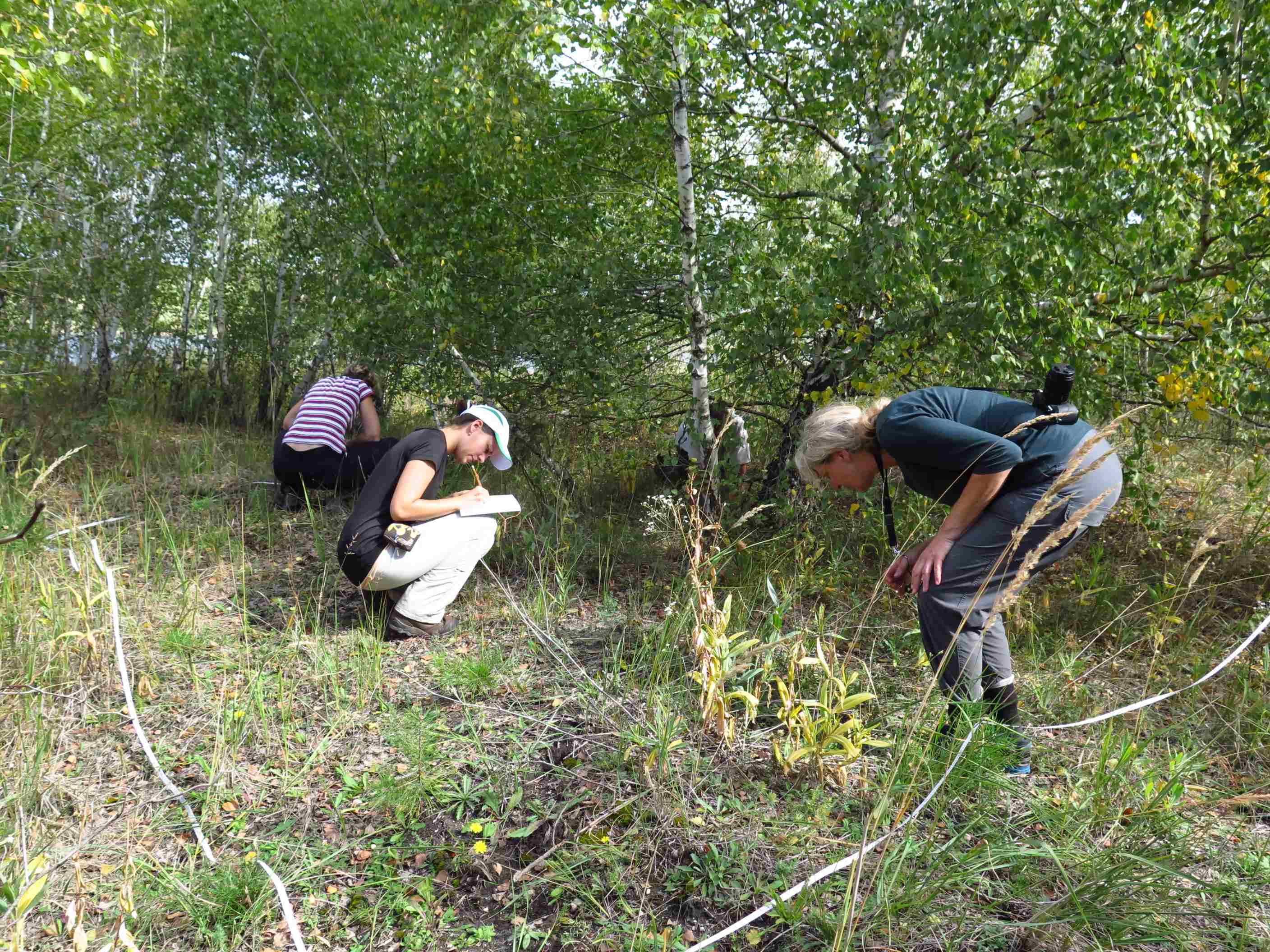
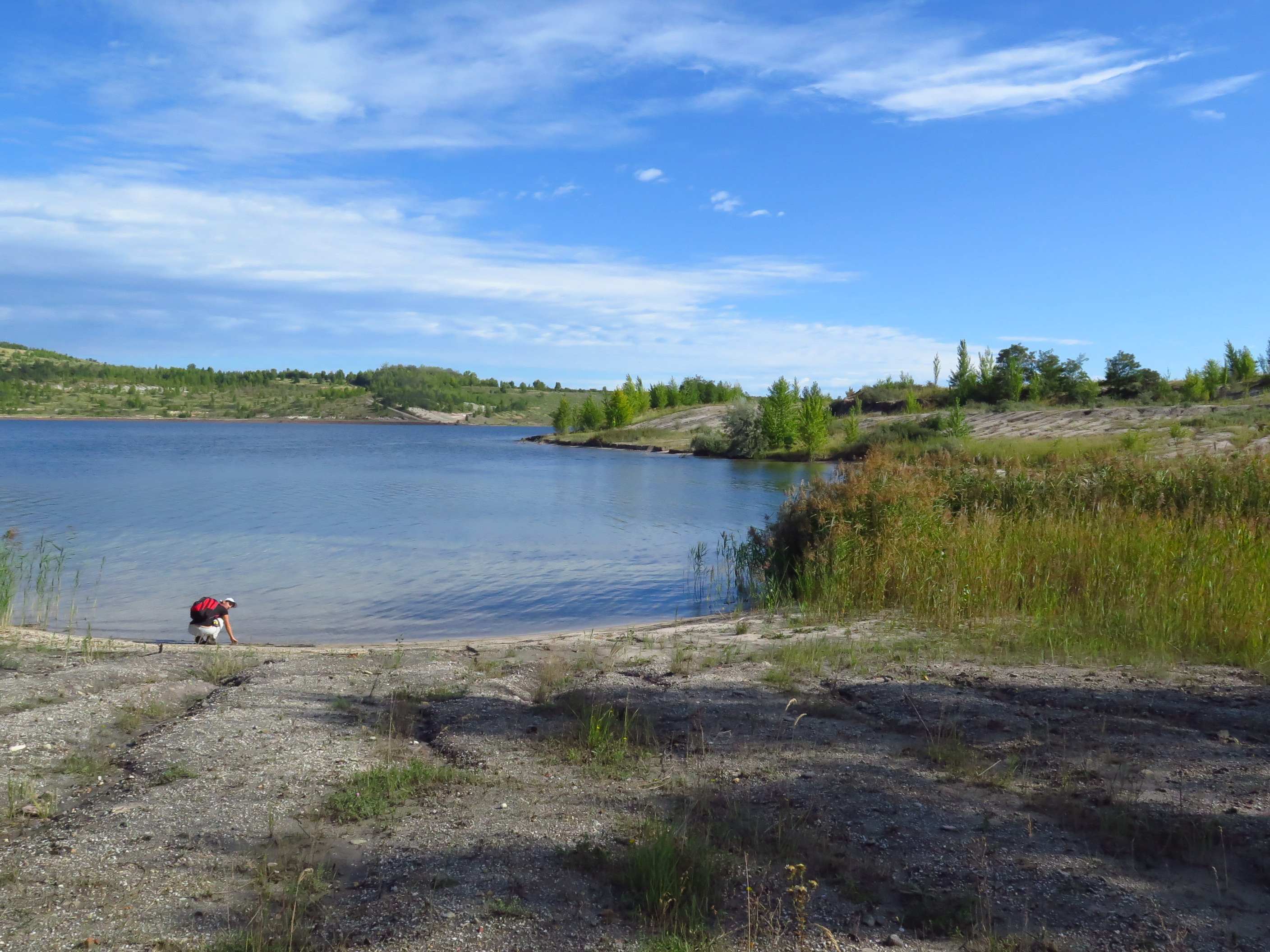
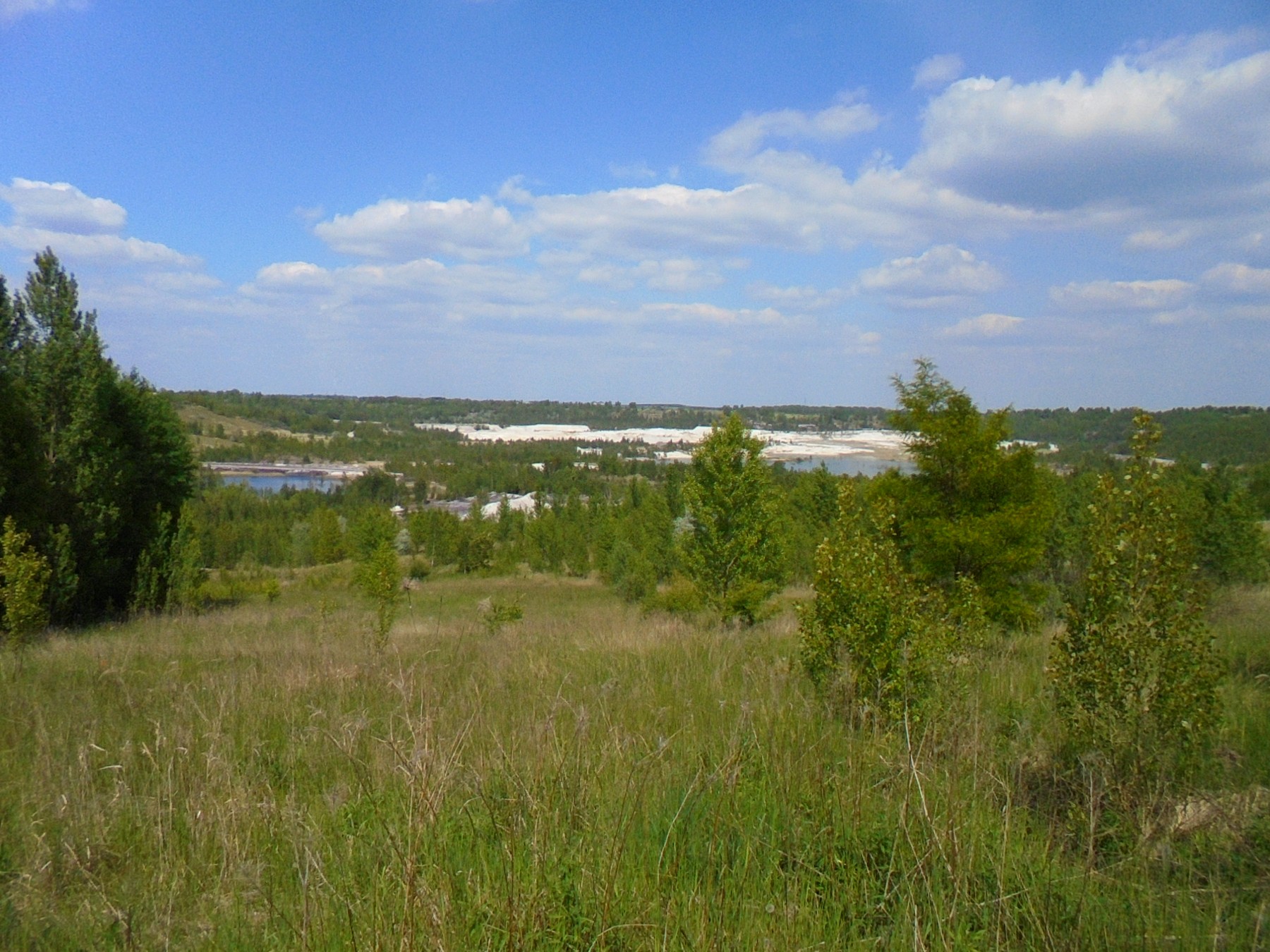
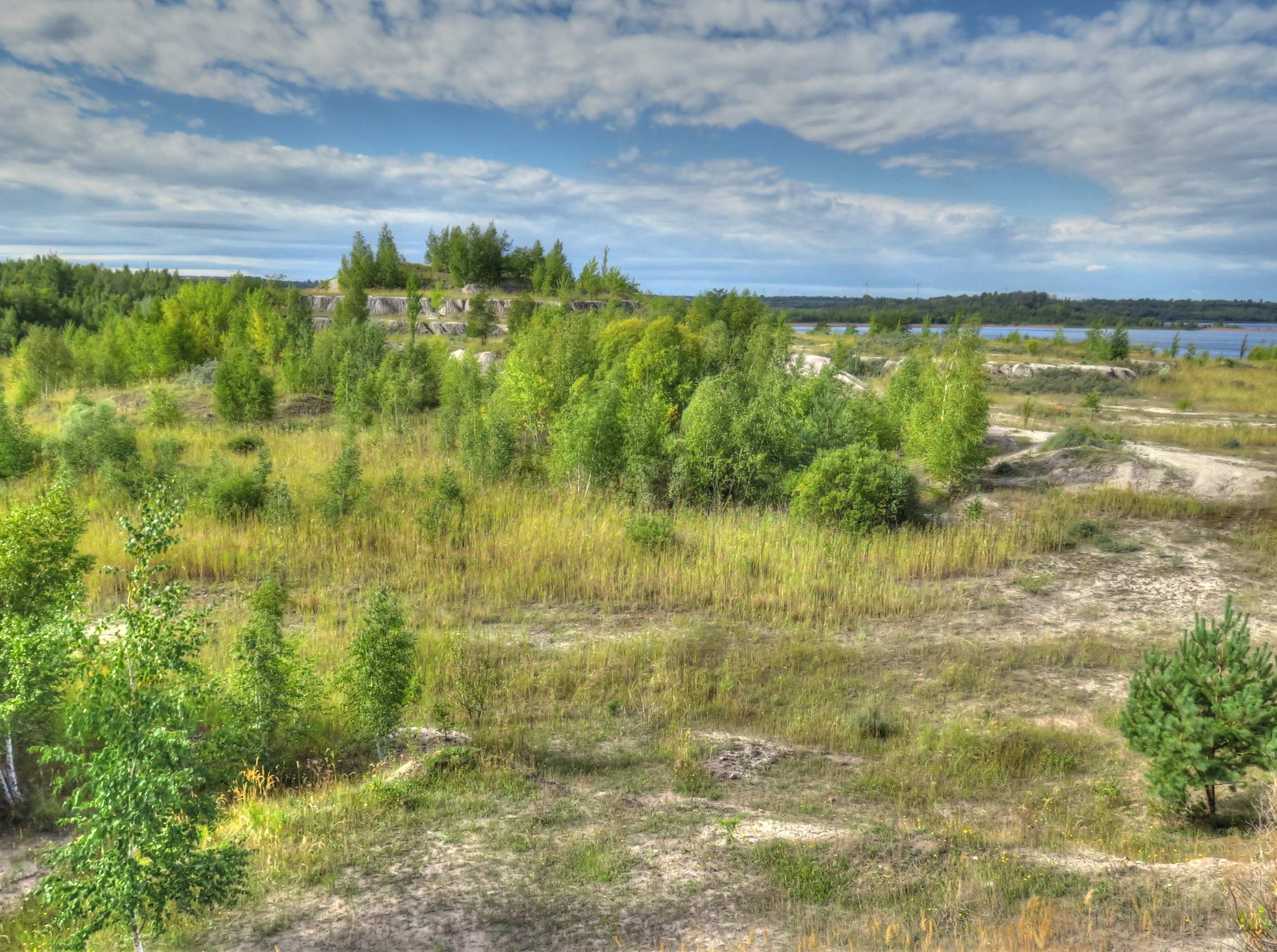 We made a field trip to sample spoil heaps in Germany! Not enough to wonder how beautiful they are and how many interesting habitats and species can be found there. Together with Anita Kirmer, a colleague from Hochschule Anhalt, we travel around old spoil heaps after brown coal mining near Halle (Saxony-Anhalt). The mine pits have been usually flooded and the surrounding spoil heaps have been reclaimed to forest. But the result is not bad. Especially due to the spontaneous colonization from the surrounding area. Islands and peninsulas have been modelled in the mine lakes, banks have shallow littoral zones and if local reclamation companies did not use non-native species of shrubs and trees in the plantations (e.g. black locust, Canadian poplar or common sea-buckthorn) the impression of the new hetegouneous landscape would be great! Greetings form Klobikau spoil heap and mine lake Geiseltalsee!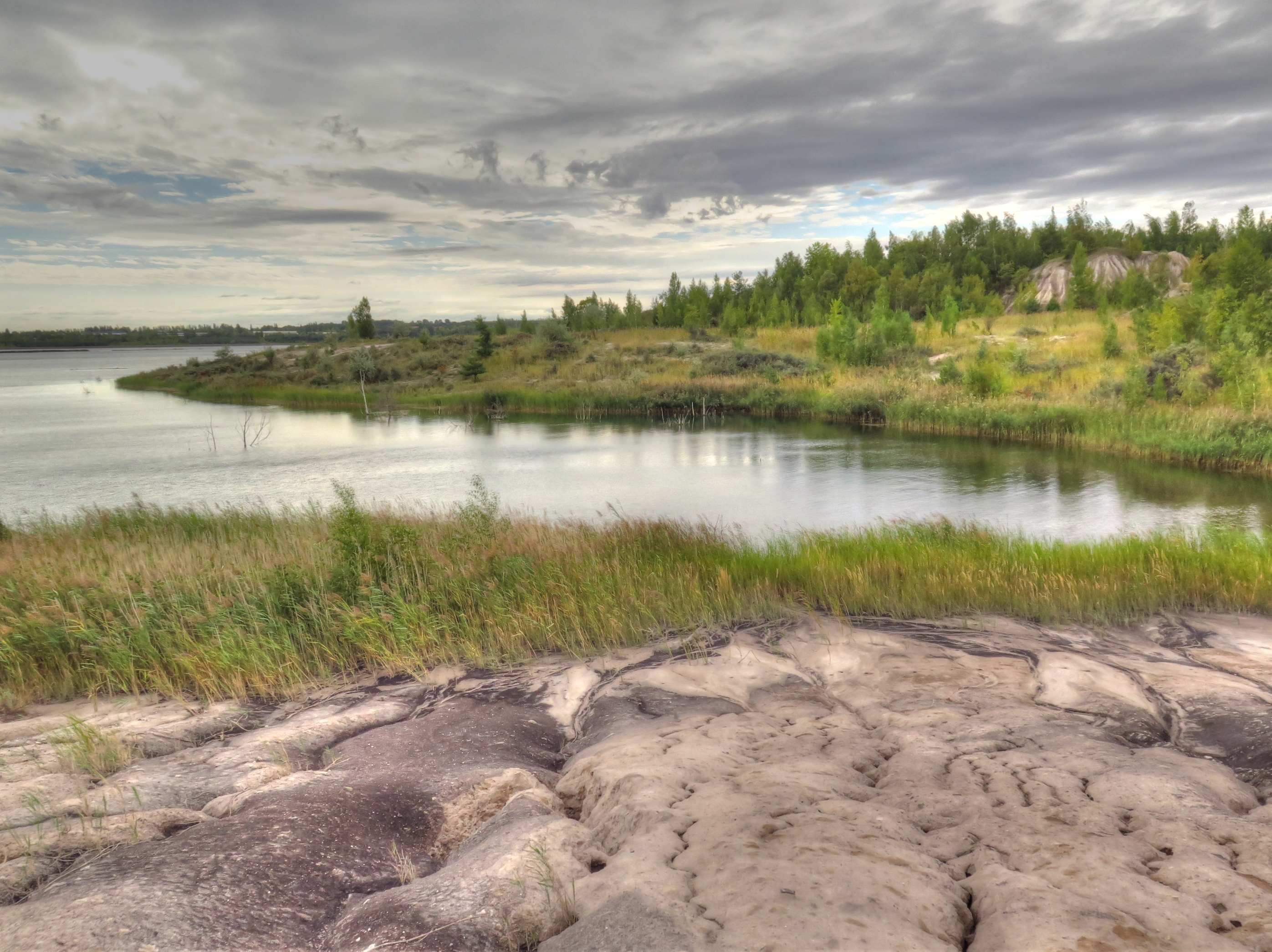
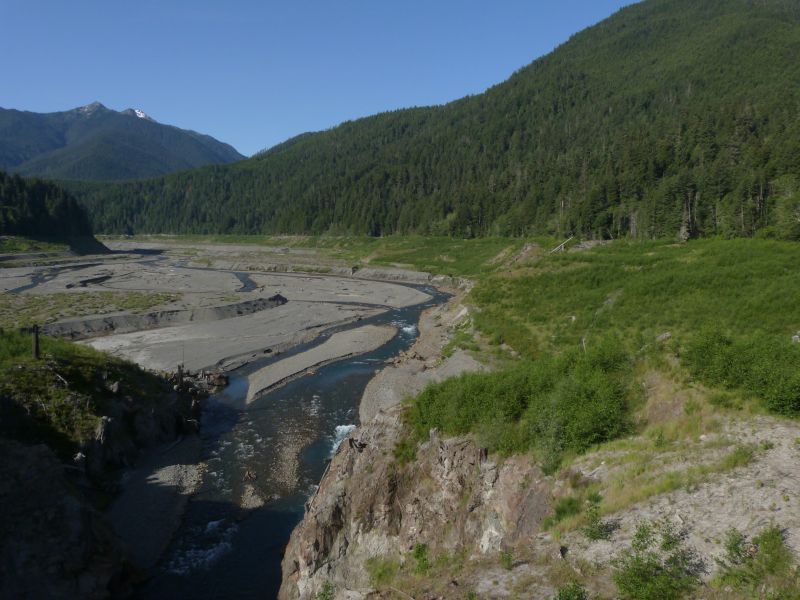 Our Restoration Ecology group works also abroad. As an example, Karel Prach has just completed his field work on a former dam on the Elwha river in the Olympic National Park in the west of Washington. He did his research during his six-month stay at the University of Washington in Seattle. On the Elwha river, two dams were demolished a few years ago because such constructions should not be in the National Park. At the same time this should enable migration of several salmon species which are traditional commodity for the Native Americans and other inhabitants. The works are part of a broader project and are coordinated by the Administration of the National Park. The goal of the project is to compare the current course of spontaneous and directed succession (sowing and planting of native species) and to answer the question whether the direction is to restore the native forests composed mainly of Pseudotsuga menziesii, Tsuga heterophylla, Thuja plicata, Acer macrophyllum and Alnus rubra. So far it seems that they can rely on spontaneous succession and thus possibly save on costly sowing and planting. On the other hand, they are a kind of advertising for the National Park and also provide jobs. However, they are not harmful to the nature, like the majority of reclamation works in our country.
 In the vegetation season, there is always something going on. In the Váté písky near Bzenec, annual phytosociological sampling was held on permanent plots that were established in 2012. In some parts of the National Nature Monument, Ivana Jongepierová organized the topsoil removal to start the restoration of this rare habitat and to prevent the expansion of Calamagrostis epigejos. This project was successful and instead of stands of Calamagrostis, we now can see open sand patches with Corynephorus canescens stands.



 An important part of student's life are internships. Our restoration ecology students have the opportunity to spend it with eminent specialists. For example, Lenka Šebelíková has chosen Bernburg, Germany.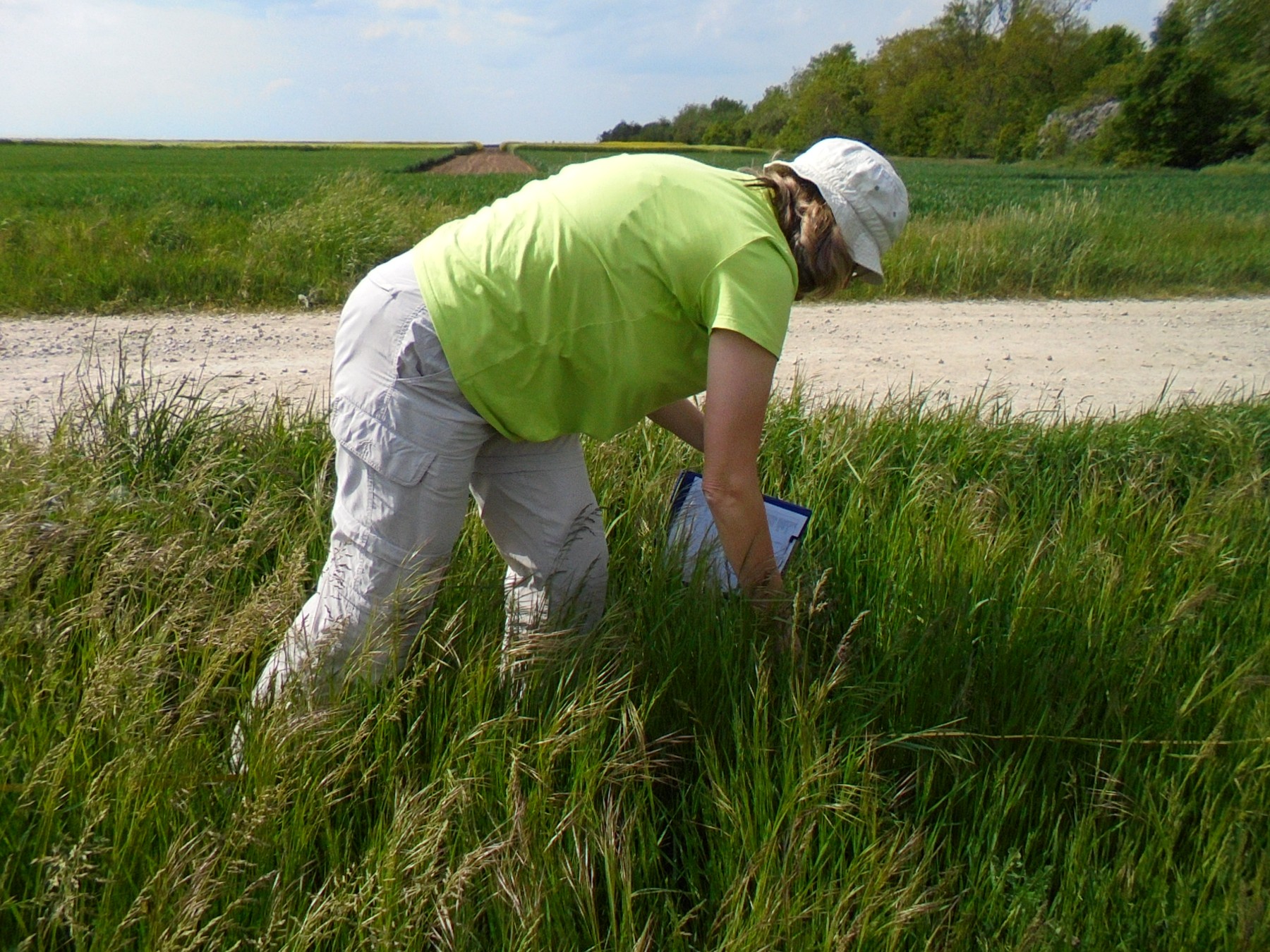



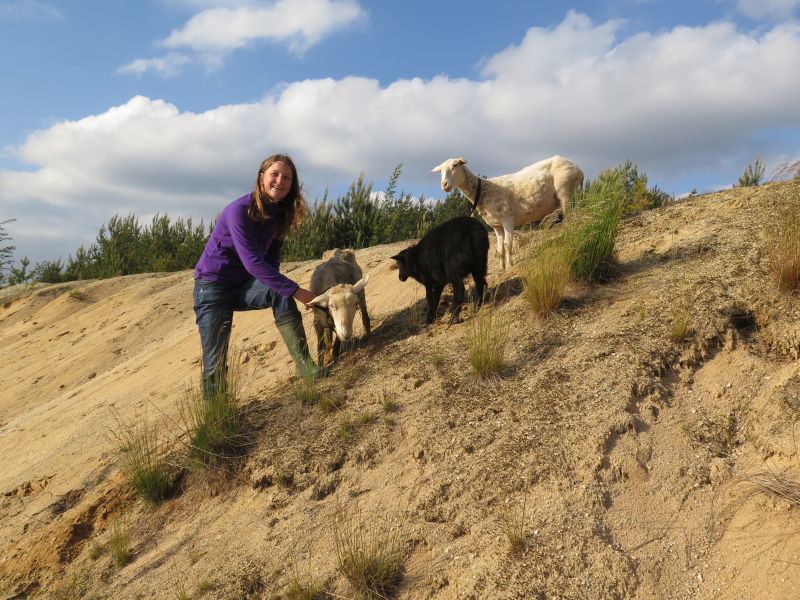 Almost impossible became real and a small flock of sheep has grazed on an islet in the Cep II sand pit since yesterday evening. And if we say small, we mean small - two meritorious female grazers and one cute black lamb. Until Sunday they will graze the experimental plots for restoration of psammophytic grasslands which were established in 2009. Lotus corniculatus spreads on plots with transfered biomass and it needs to be suppressed. Moreover, it is also desirable to disrupt thick layers of lichens and moses.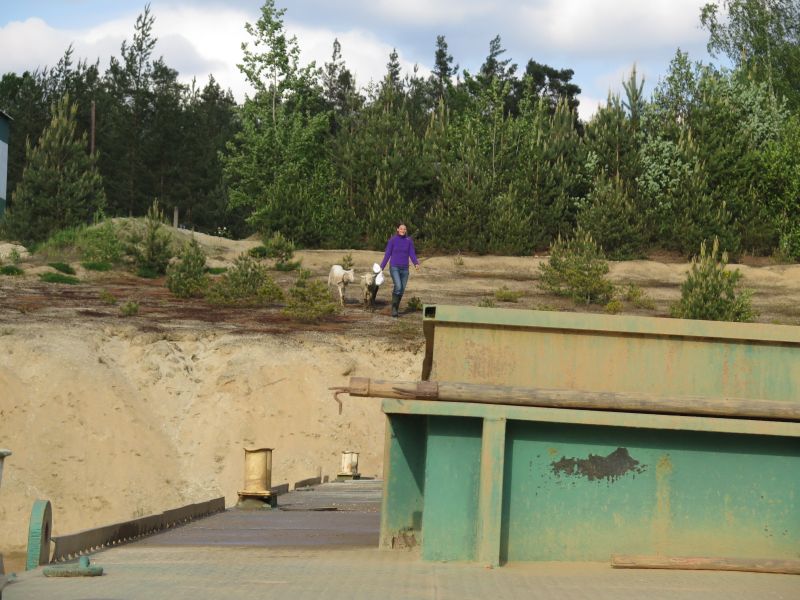
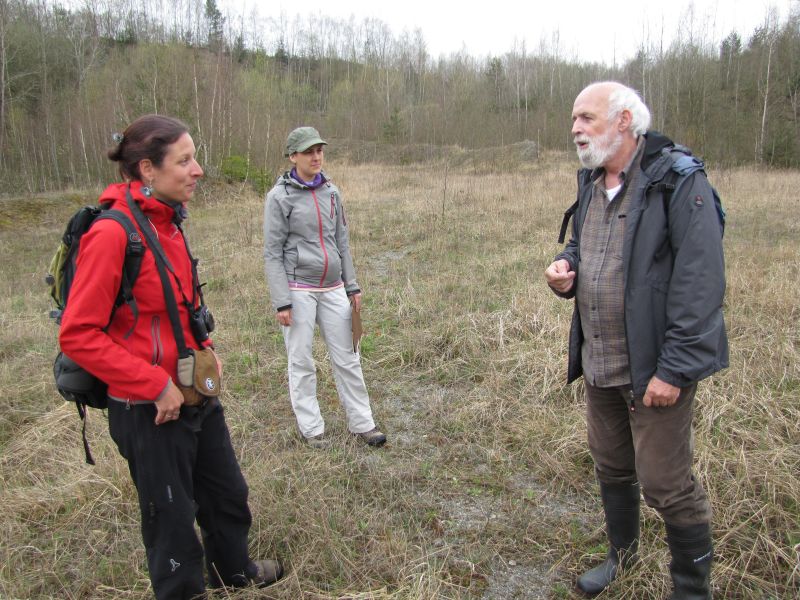
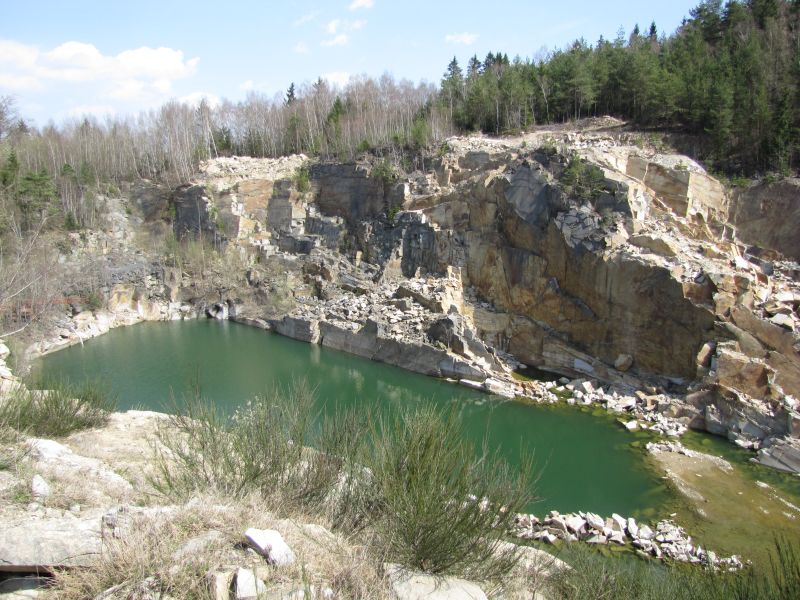
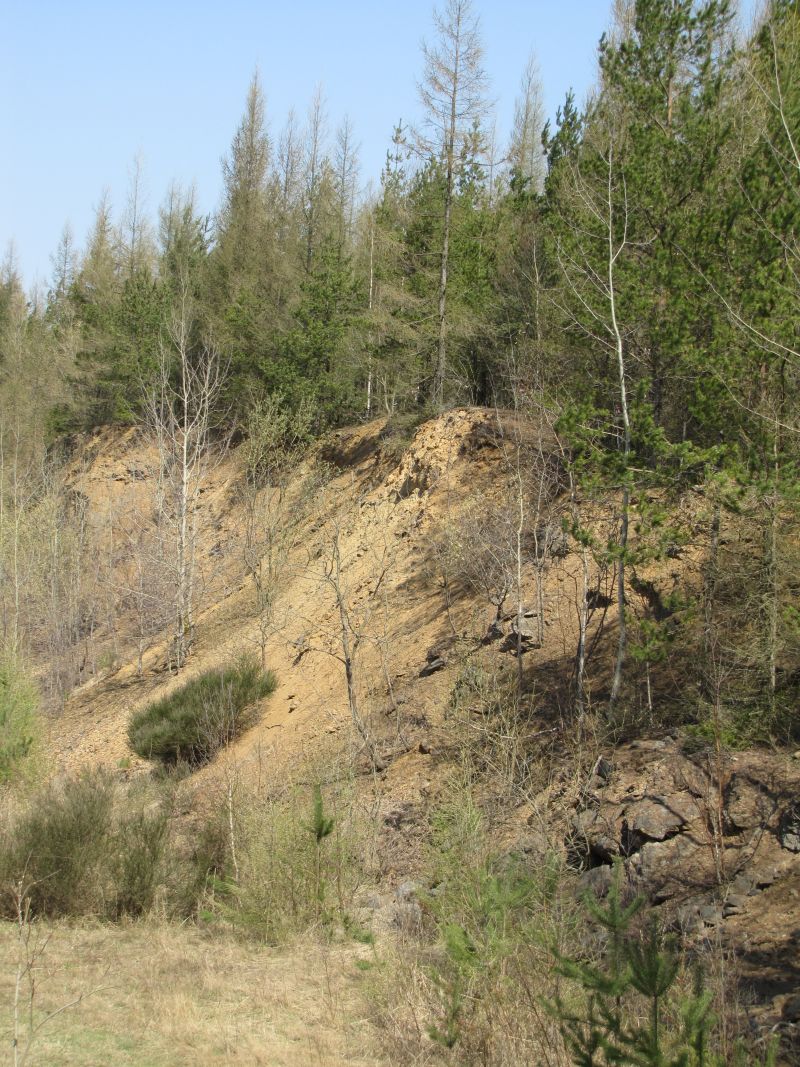
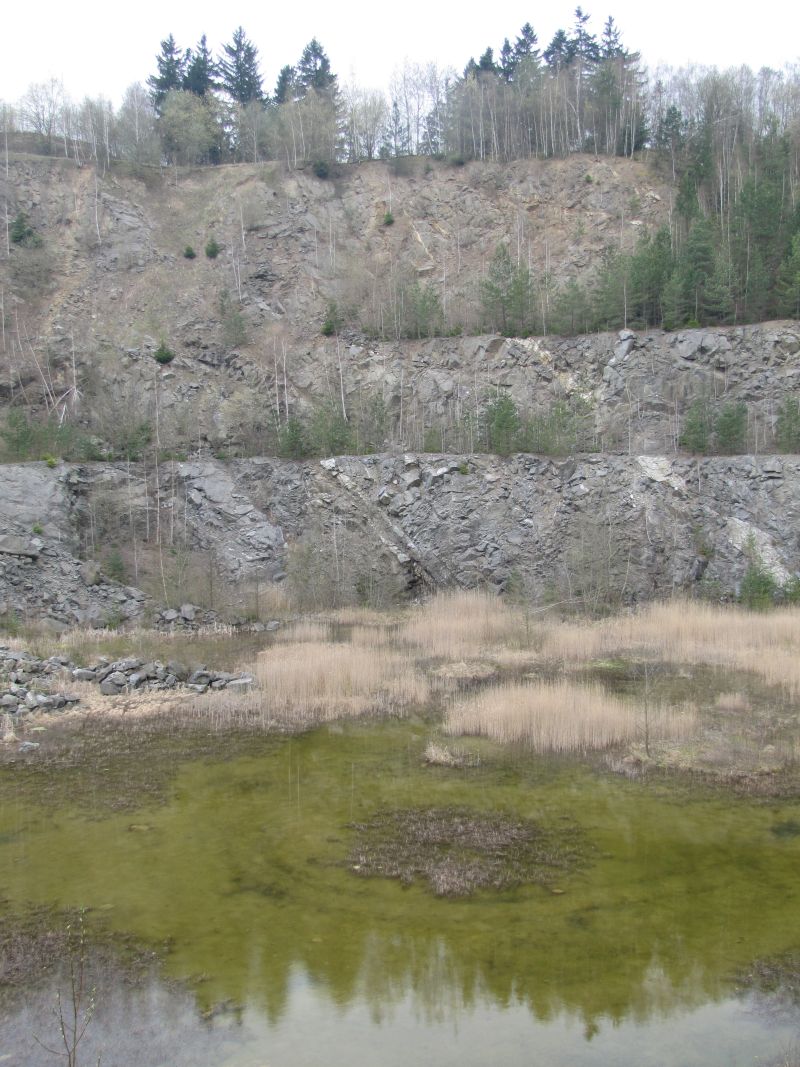 In the early spring we went to the field, namely to the Vysočina highlands again, where we were looking for reclaimed acid quarries. And the result? We did not find any! That made us very happy and we enjoyed a number of spontaneously revegetated beautiful quarries. In the Brádlo quarry near Kosov we met Ing. Karel Lorek, Chief Executive Officer of Českomoravský štěrk. The Brádlo quarry is abandoned quarry owned by the Českomoravský štěrk and in the future it could become another "field laboratory" for spontaneous and directed succession in acid quarries. It should also serve as relaxation area for visitors. We are very thankful for the trust and we are already looking forward to the work in the quarry!