


 Karel Prach sends greetings from the office of Roger del Moral who is a leading expert in the field of vegetation succession. Karel has commenced his six-month internship at the University of Washington where he will, among other, examine the process of succession on a former dam.
Karel Prach's research fellowship at leading expert on primary succession!
Published on Jan 8, 2015
Cep II sand pit is a busy place!
Published on Dec 10, 2014
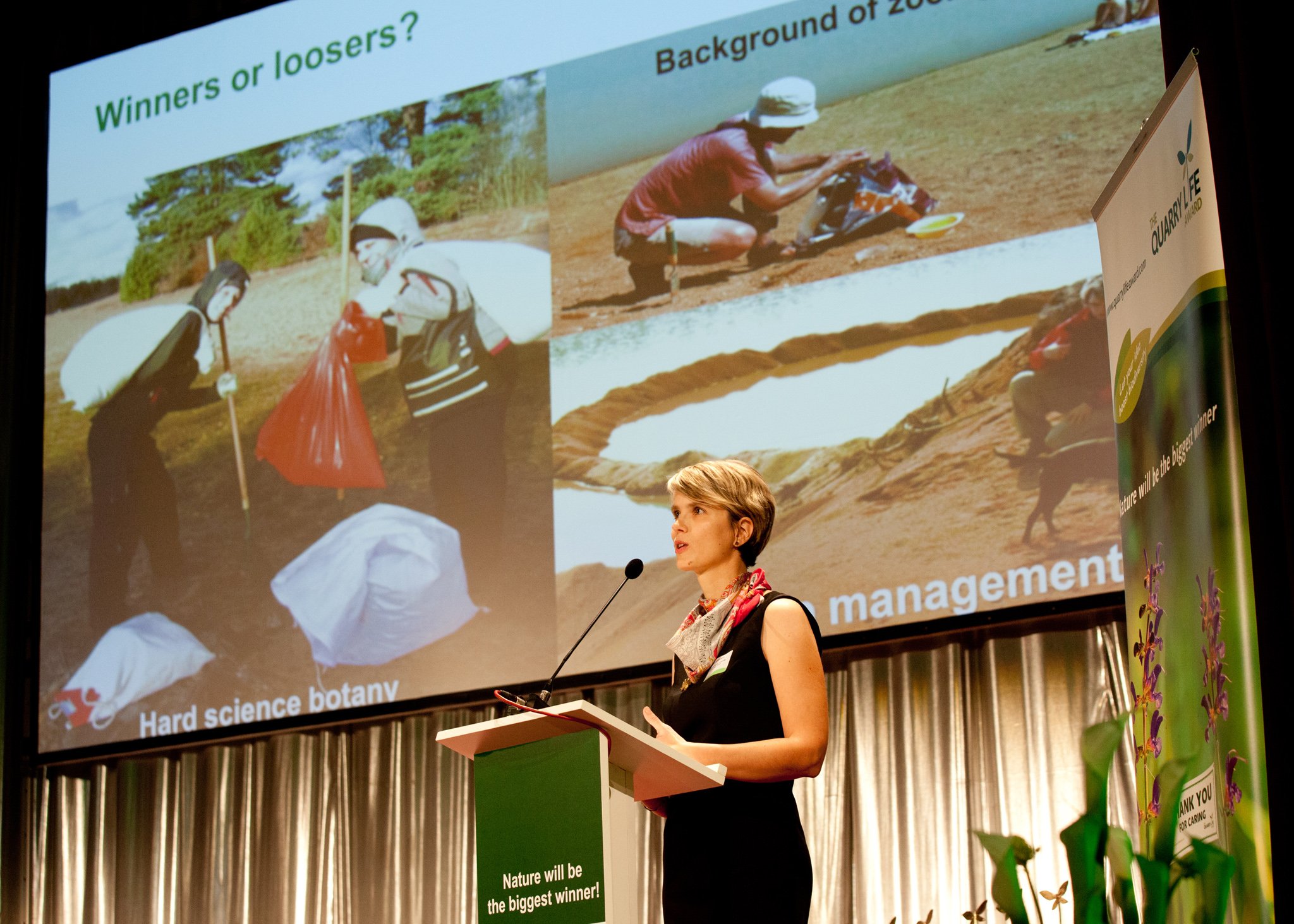
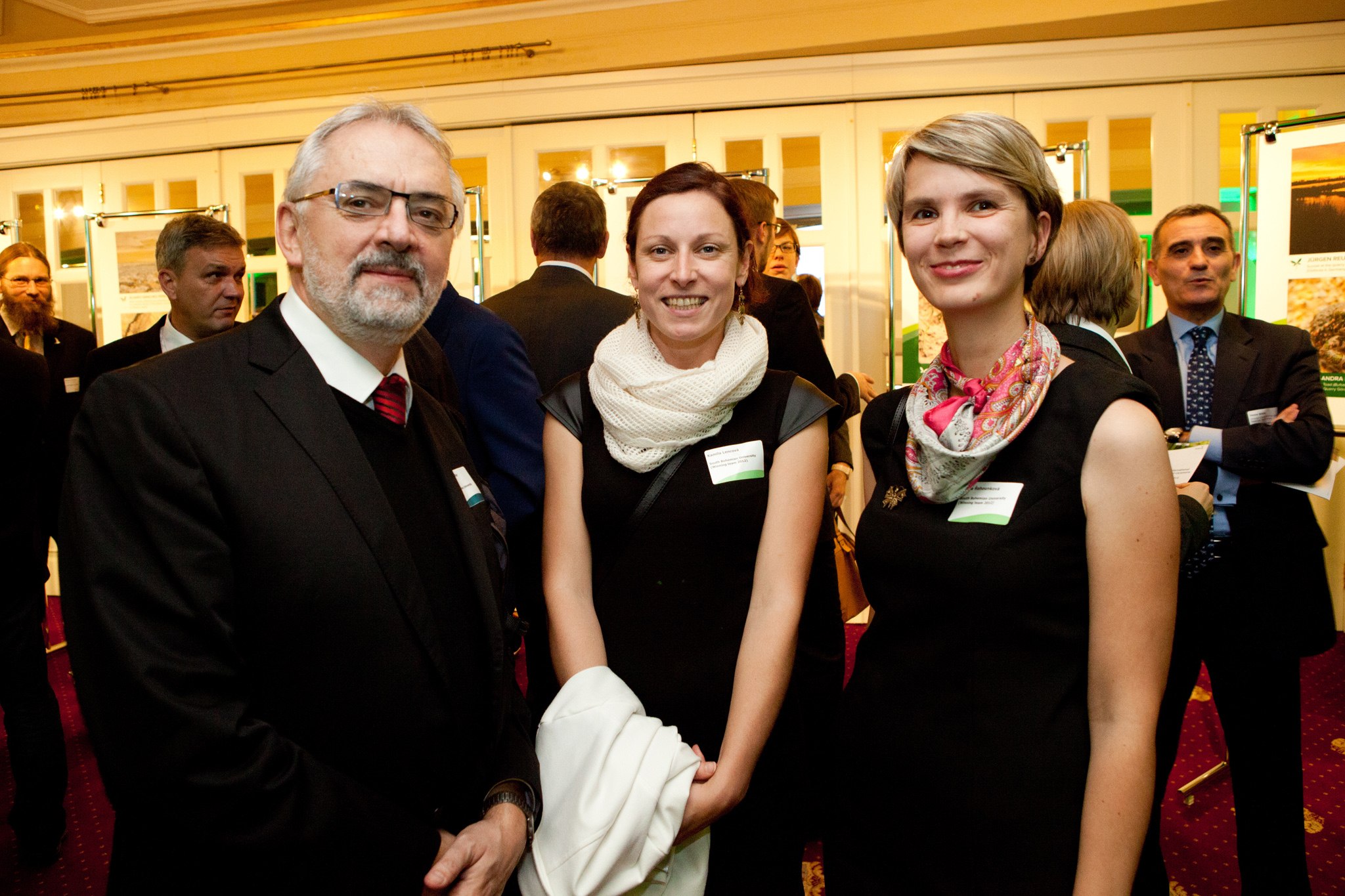
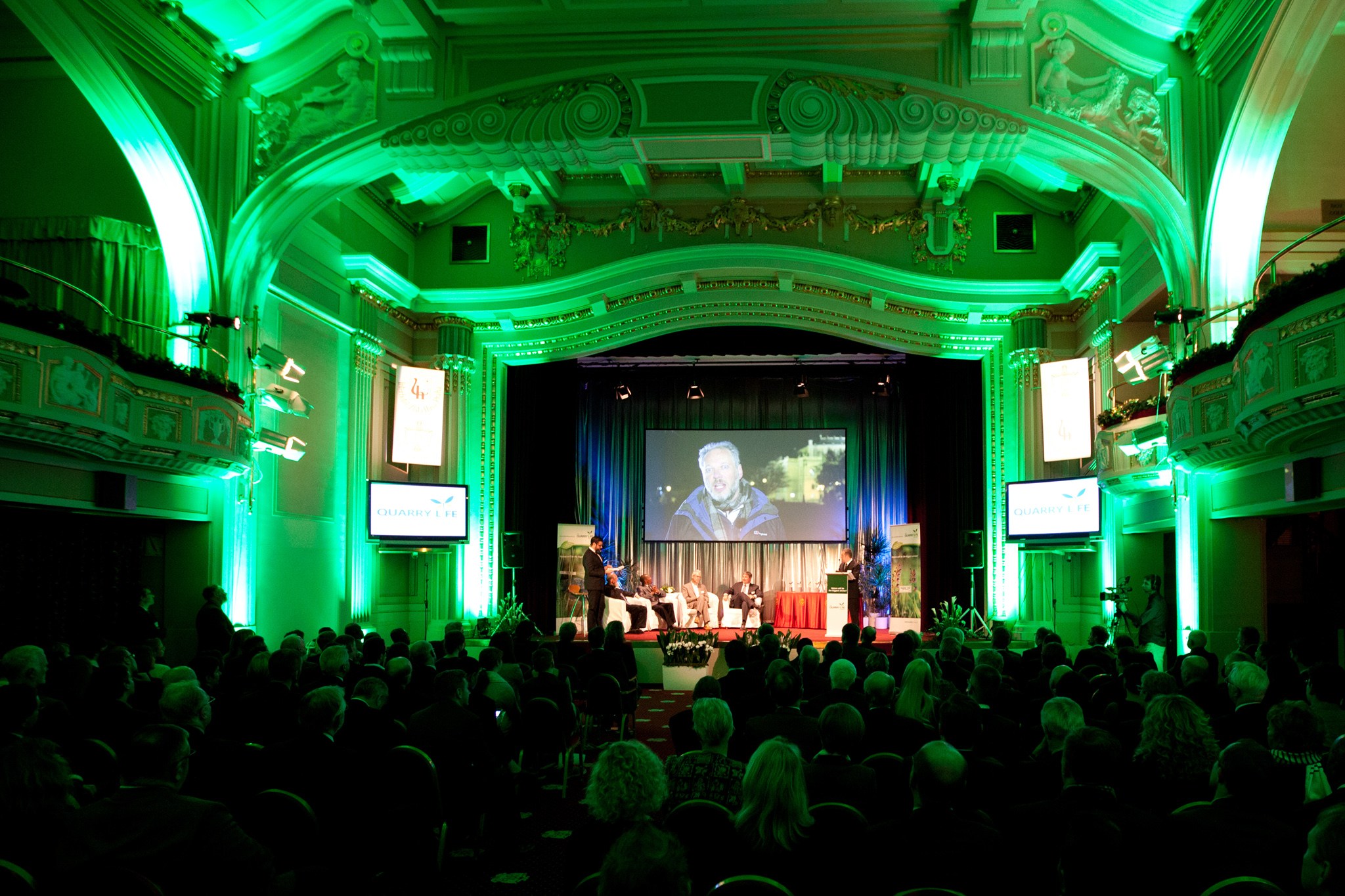
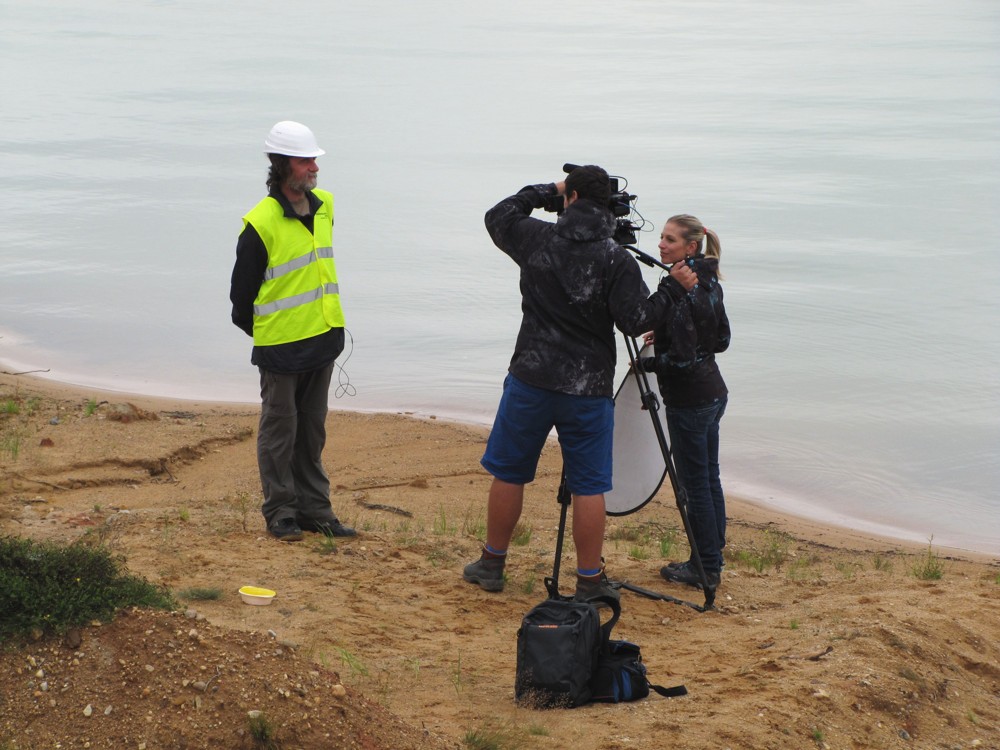 A short document about the "laboratory of spontaneous and directed succession" and Klára Řehounková's team who won Quarry Life Award two years ago was shot at the Cep II sand pit. The document shows how the winning project proceeds and how successful the implementation of the restoration proposal is. The document was shown at this year's awarding ceremony which was held on Tuesday 10th December. Karel Prach has been a member of a national jury and assessed the quality of partitioning projects. More about the competition and and this year's successful projects can be find here.
(Author of the video: Českomoravský štěrk a.s., photos from awarding ceremony: HeidelbergCement)
Rescue work at the Cep II sand pit
Published on Nov 19, 2014
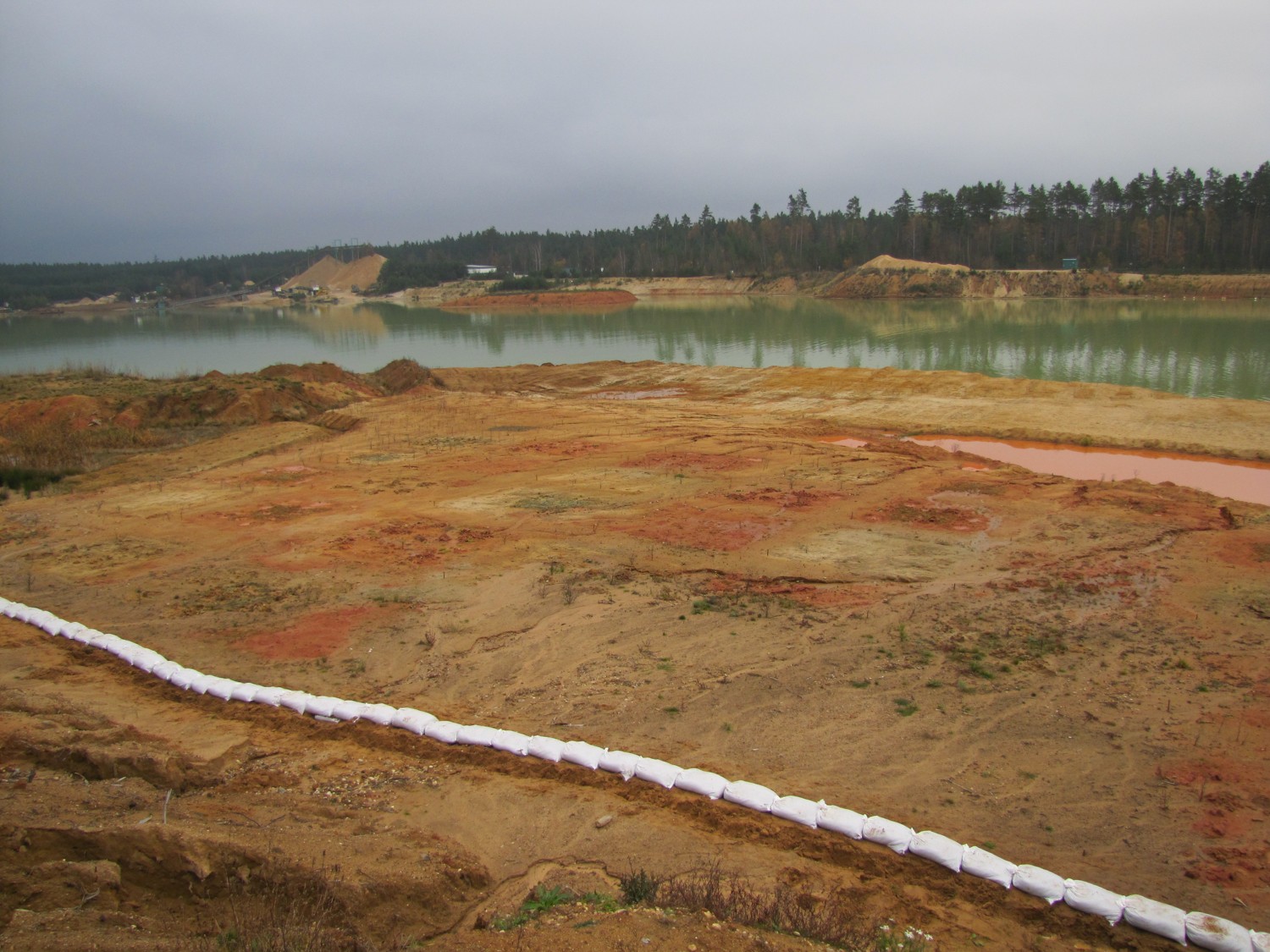 ...or "permanent plots at risk"
Permanent plots were established in the Cep II sand pit in the fall 2013. On these plots we study vegetation development on different substrates, with varying degree of disturbance and with or without transferred biomass. However, some plots were destroyed after heavy rains during the season 2014 and due to instability of adjacent slope. Nevertheless we decided to "fight against wind and rain" and build an "erosion control barrier". 

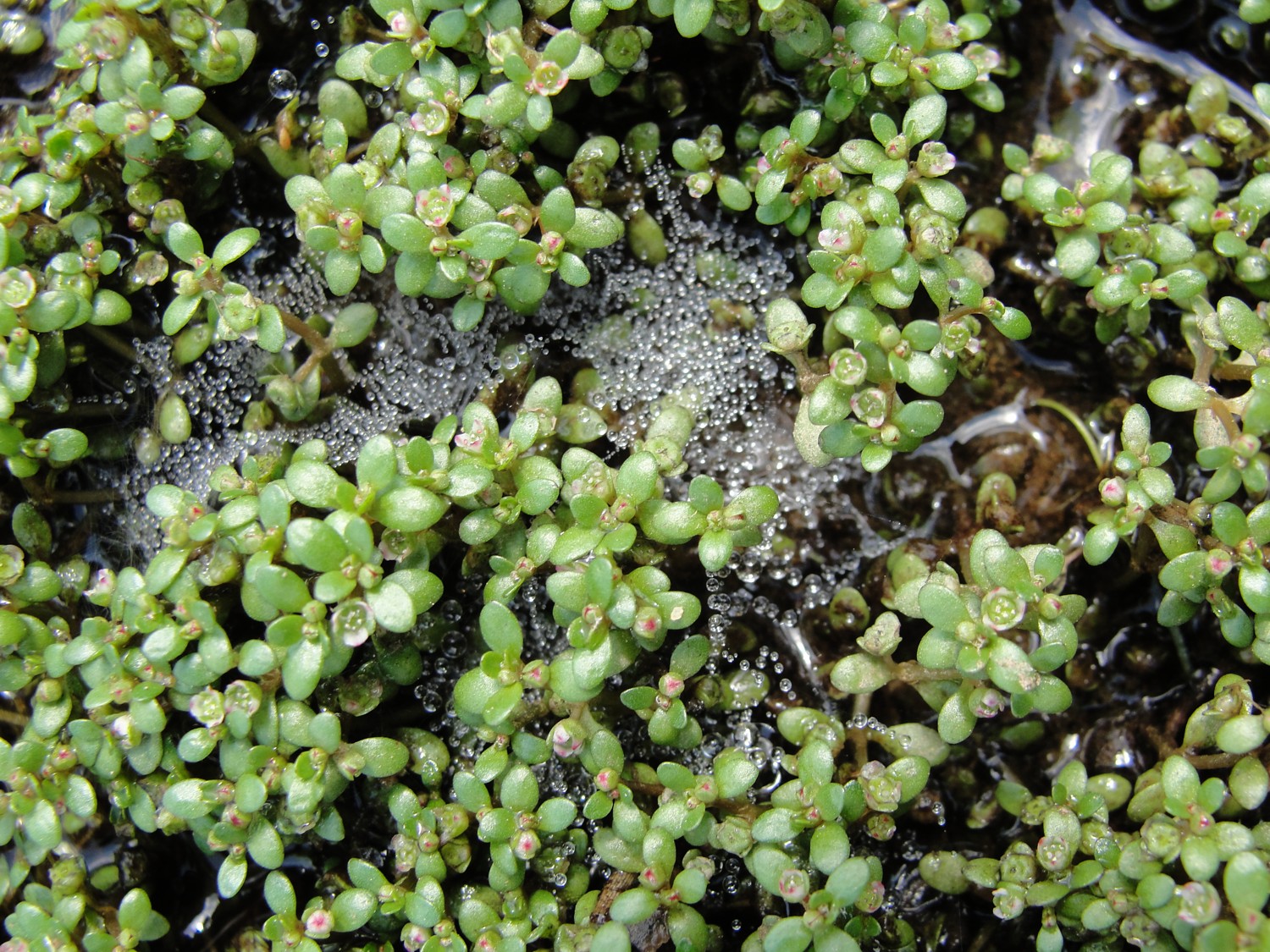
Even under these circumstances, we do not forget about plants and botany. We discovered rare plant Elatine hexandra (Six-stamened waterwort) on our permanent plots near the lakeshore. This inconspicuous but beautiful plant belongs to retreating and endangered taxa (category C2t) in the Czech Republic. 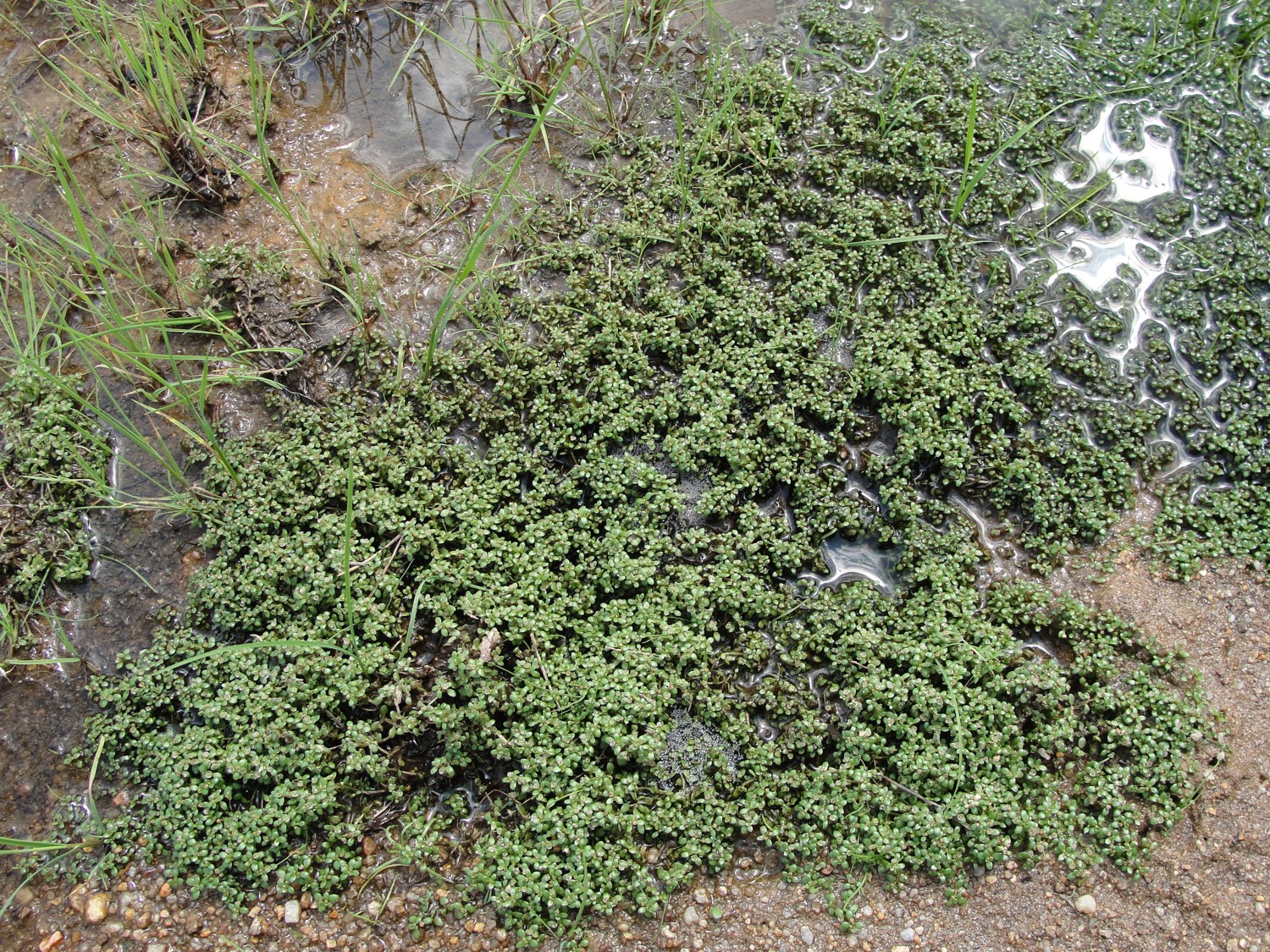
Workshop on "Plants and fungi in sand pits: protection and management"
Published on Nov 11, 2014
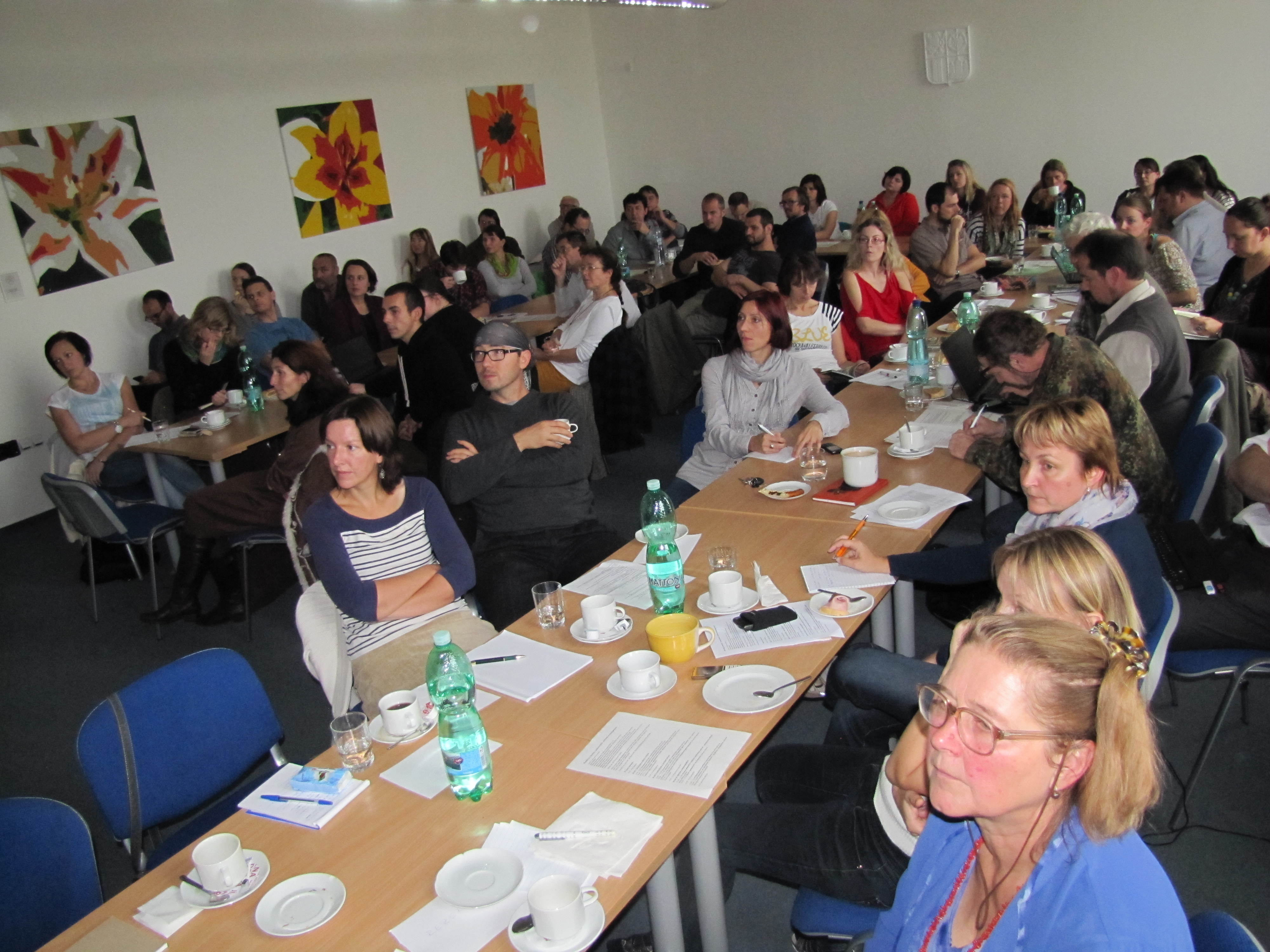 More than 50 participants from different parts of the country attended a workshop called "Plants and fungi in sand pits: protection and management" held on Thursday 6. November and organized by Calla - Association for Preservation of the Environment.
Members of the Restoration ecology working group contributed significantly to the content of the workshop. Kamila Lencová presented a short overview of biotopes in sand pits. Lenka Šebelíková gave a talk about various aspects of forestry reclamation. The largest contribution had Klára Řehounková who familiarized the participants with the issue of invasive plants in sand pits, successional development and also ways how the successional process in sand pits can be manipulated.
Restoration ecology in our backyard
Published on Sep 20, 2014
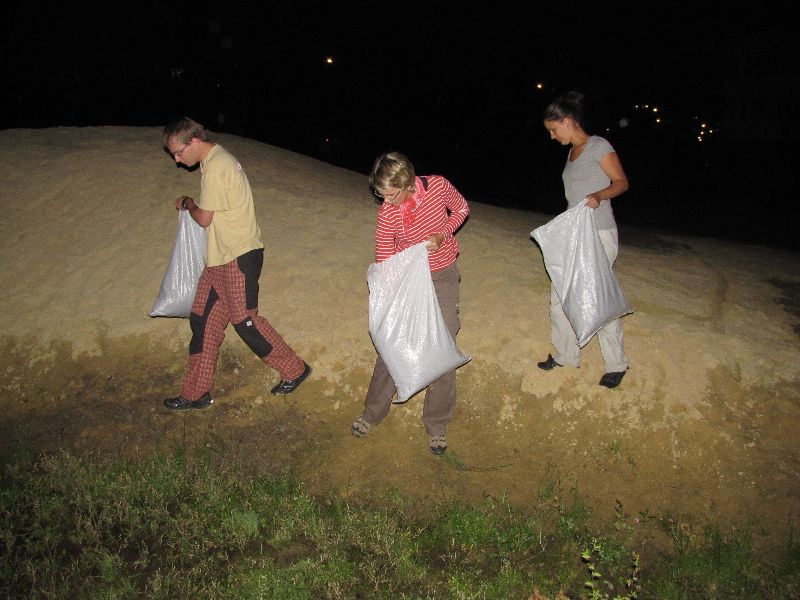
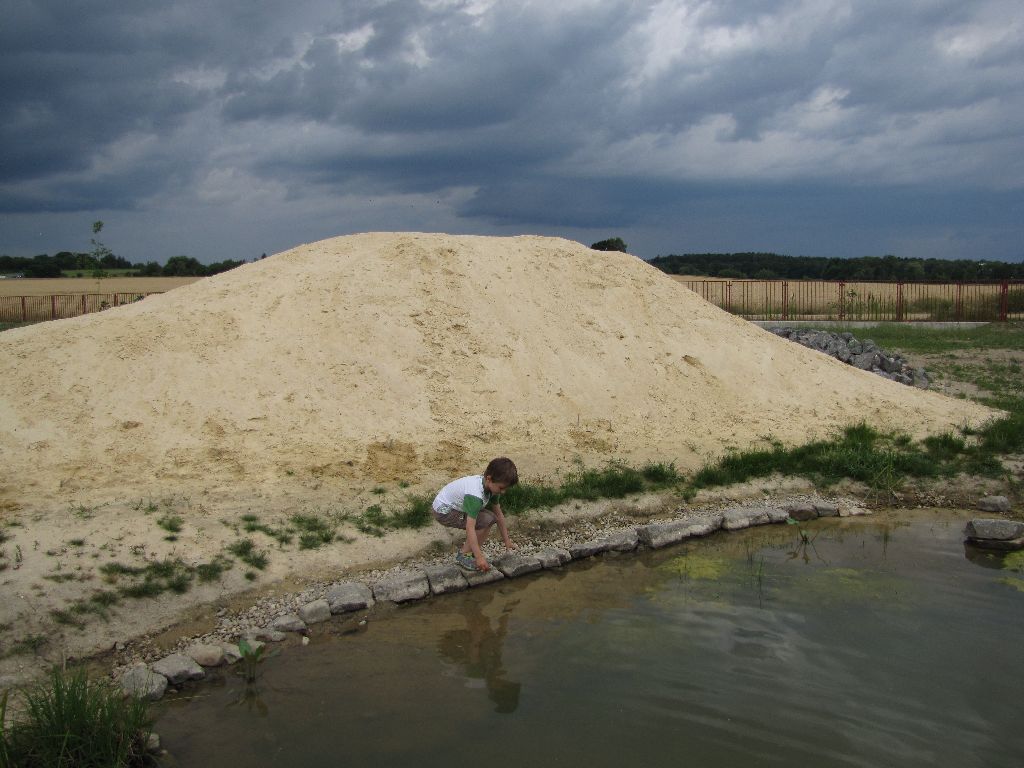
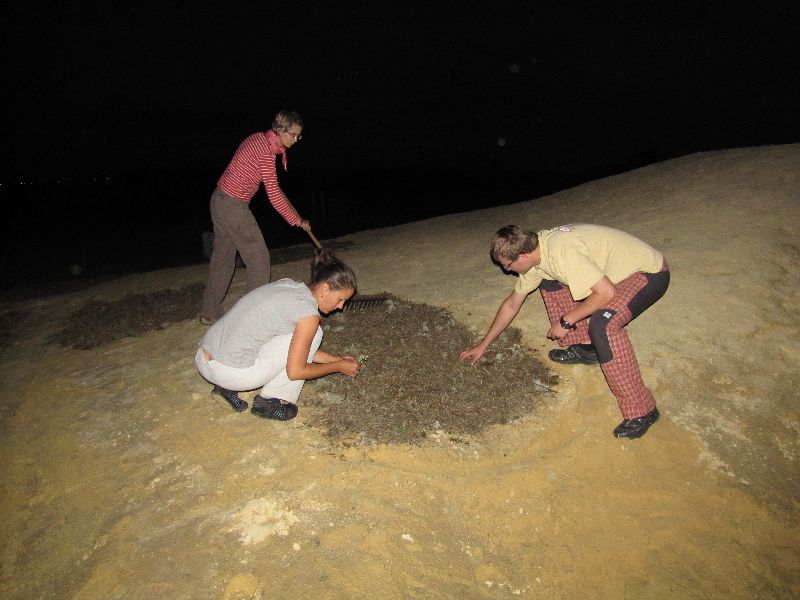 A real proof of scientific activities within the Faculty of Science is the place between building B and C in the university campus. The place of intended parking place was transformed by colleagues from the Department of Botany into a collection of diverse biotopes. The place will serve for relaxation as well as for educational purposes. The space is dominated by a sand dune, imitation of actual sand dunes which are very rare in current human-altered landscape. The Restoration ecology group, under the leadership of "biomass boss" Klára Řehounková, will use methods of assisted succession to restore dry grasslands on the created sand dune - biomass transfers, surface trampling and sowing of target species.
We look forward many interesting species that we will record in the next season!

Members of our group at the conference on ecological restoration SER2014
Published on Aug 11, 2014
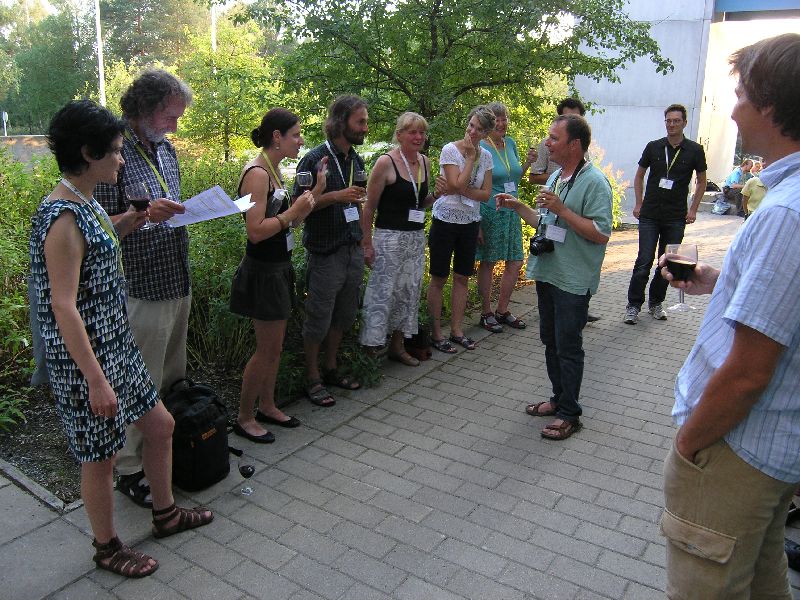
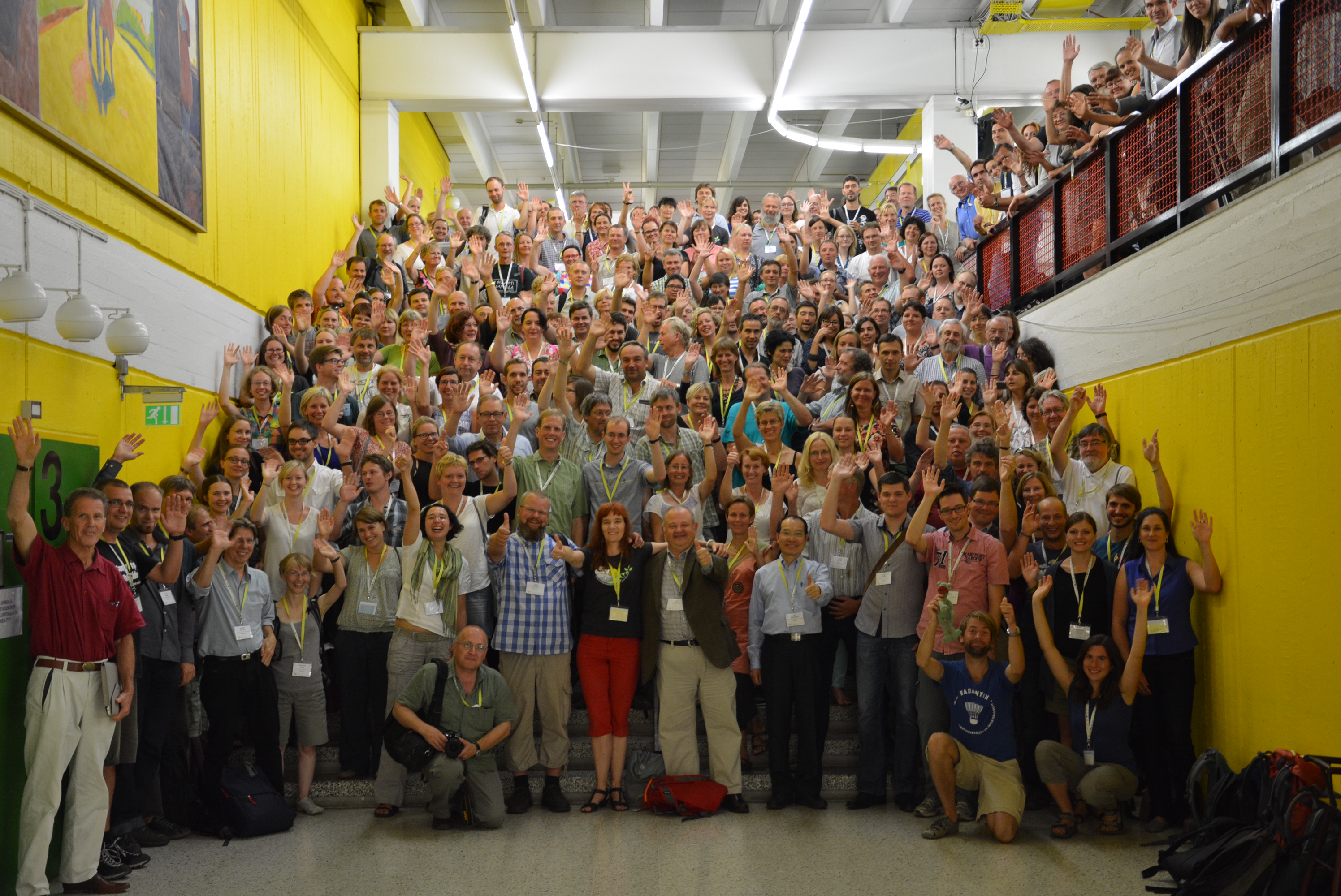 The 9th European Conference on Ecological Restoration was held 3. - 8. August in Oulu, Finland. The topic of the conference was Restoration, Ecosystem Services and Land Use Policy. Members of our group participated at this conference with their talks and posters. Klára Řehounková started a special session called Passive restoration: can we let succession do the work? talking about "Disturbance as a tool for biodiversity: an interdisciplinary approach to restoration and conservation benefits of post-mining sites". Ondřej Mudrák with his presentation "What tell us initial species composition about the future progress in the spontaneous succession?" and Kamila Lencová presenting "How much do alien species participate in contemporary human-made habitats?" were among other speakers. Karel Prach gave his lecture called "Do not neglect surroundings in restoration of disturbed sites" in other session about resilience ecology. Students Ludmila Vlková a Lenka Šebelíková presented posters with results of their theses.
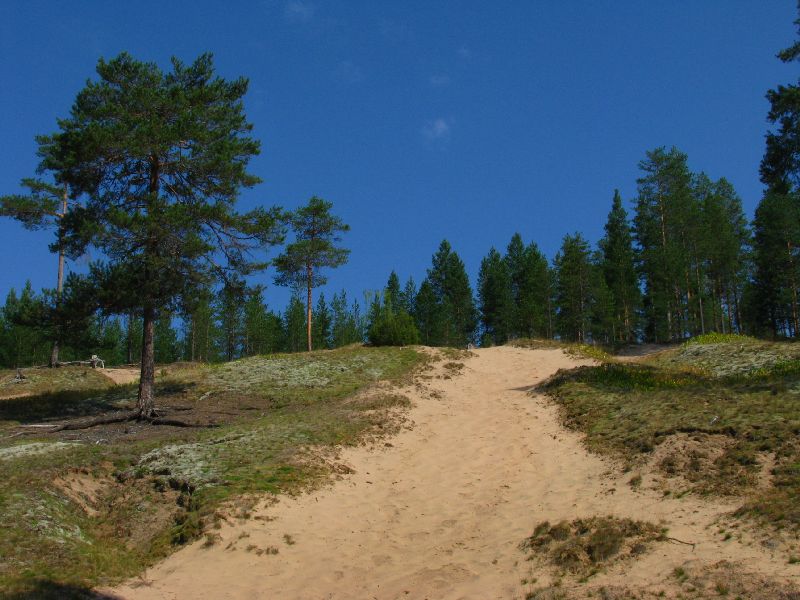
On their way to Oulu, the group visited wooded meadows in Estonia guided by Marek Sammul and a spontaneously revegetated sand pit in Tallinn.
This year's Ecology Olympiad was in the spirit of ecological restoration
Published on Jun 19, 2014
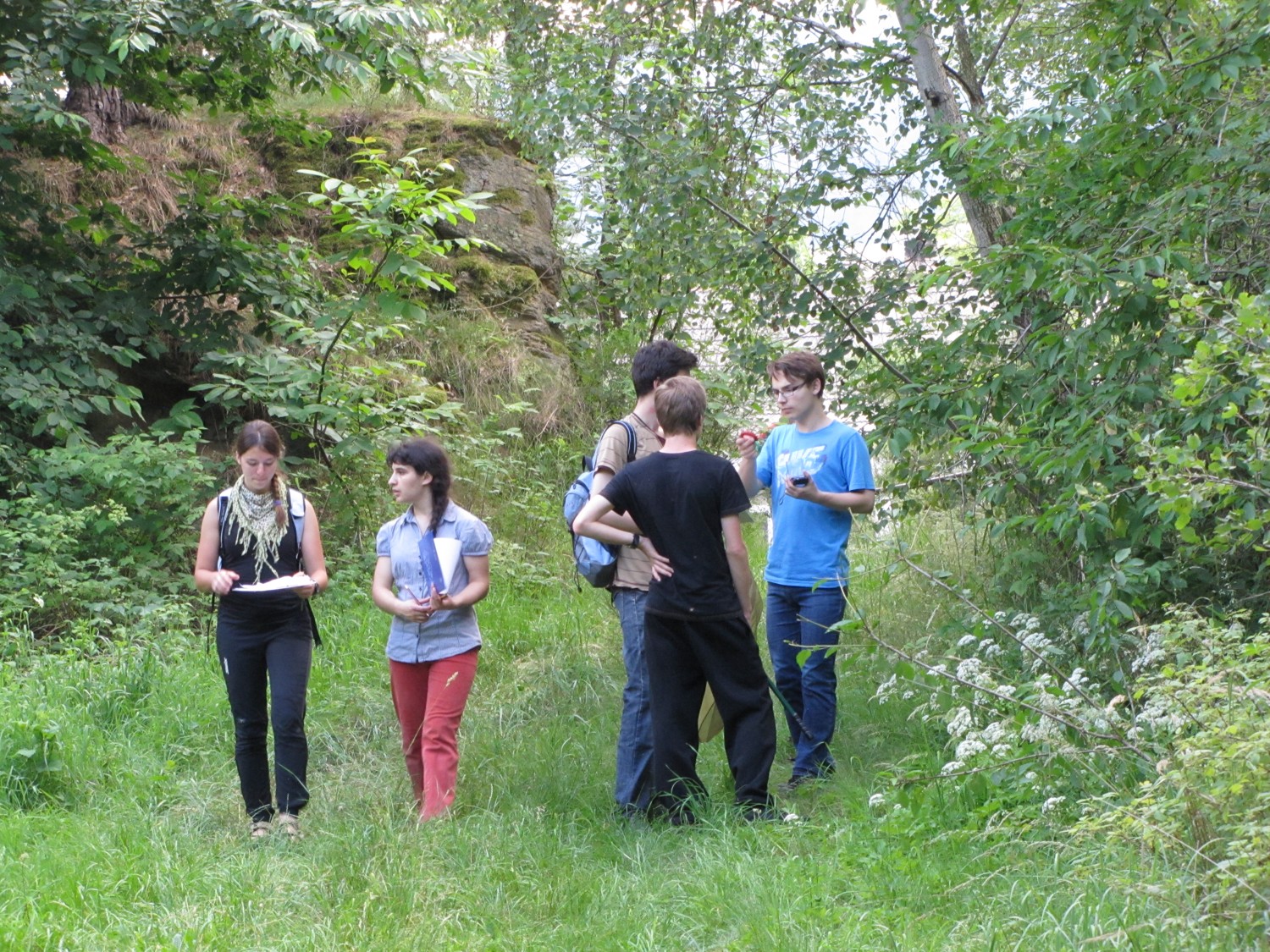
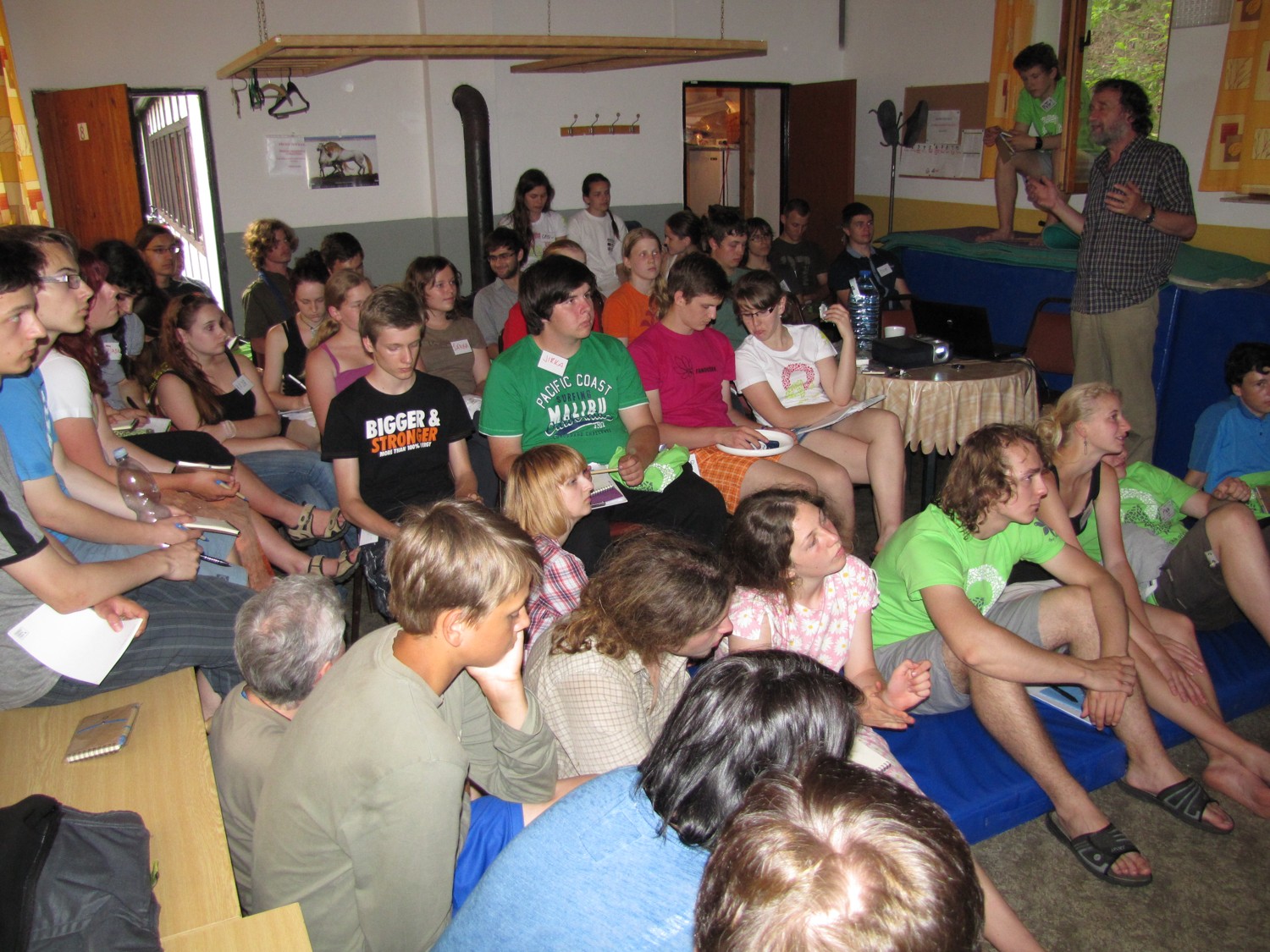
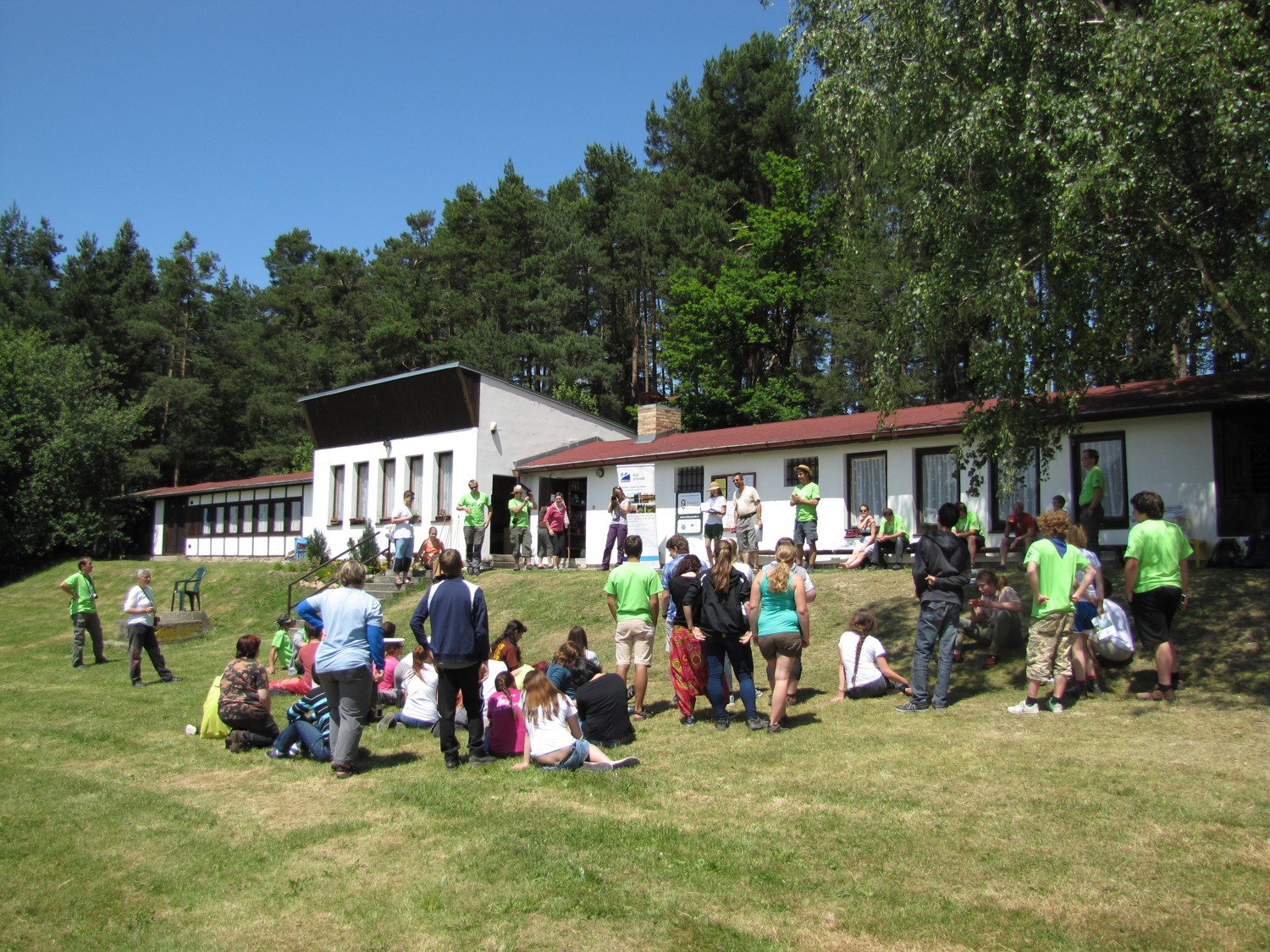
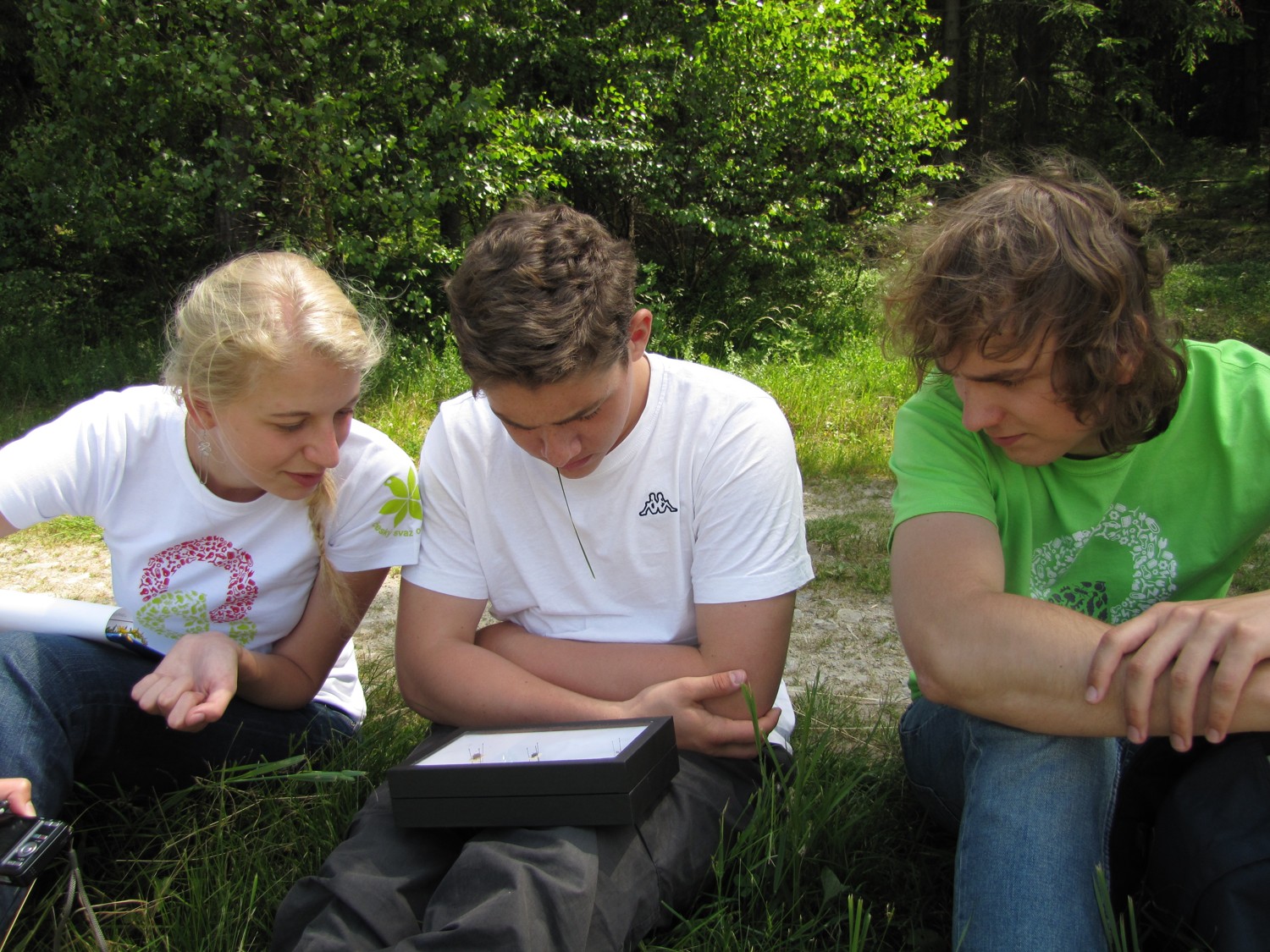
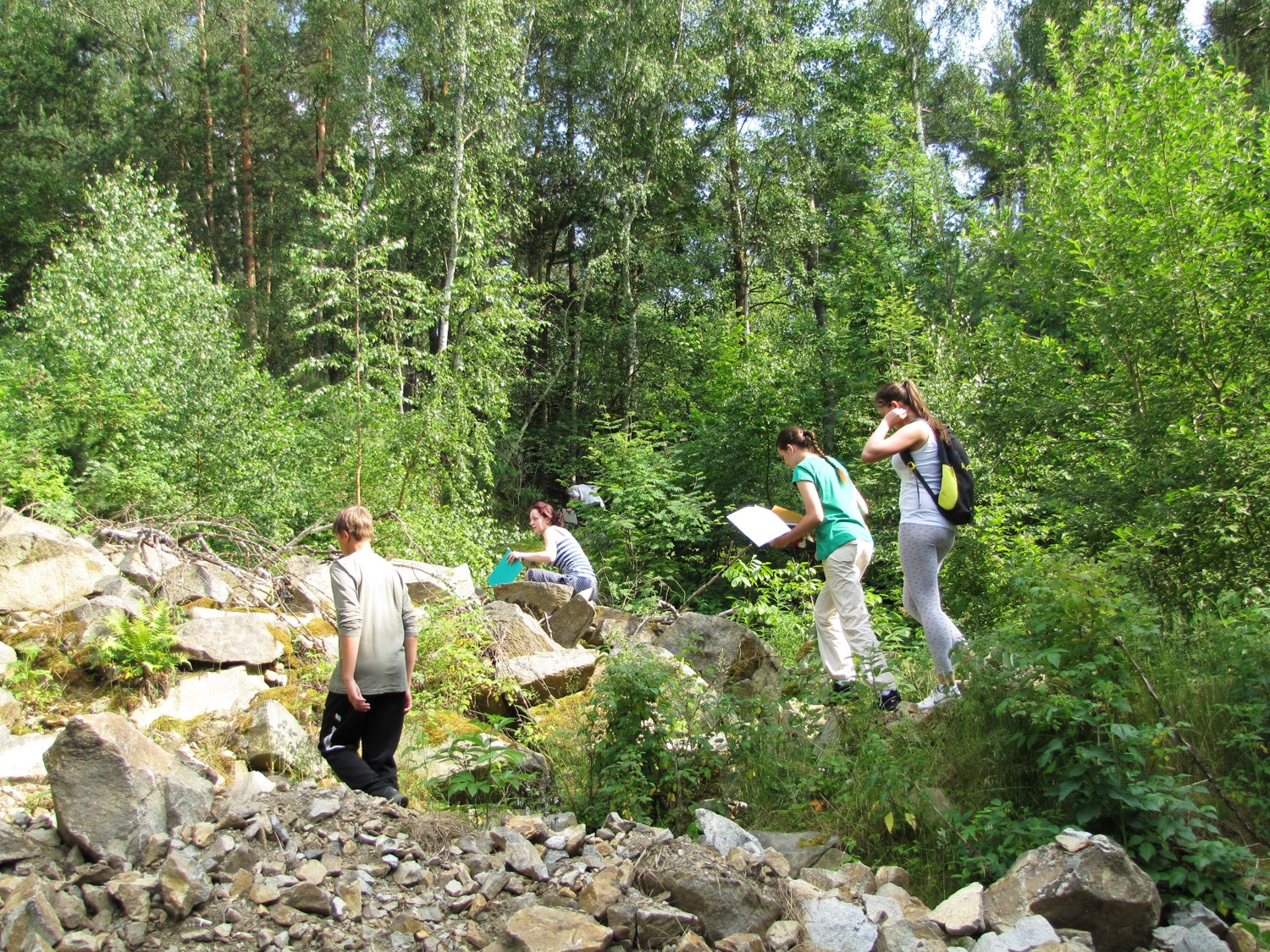
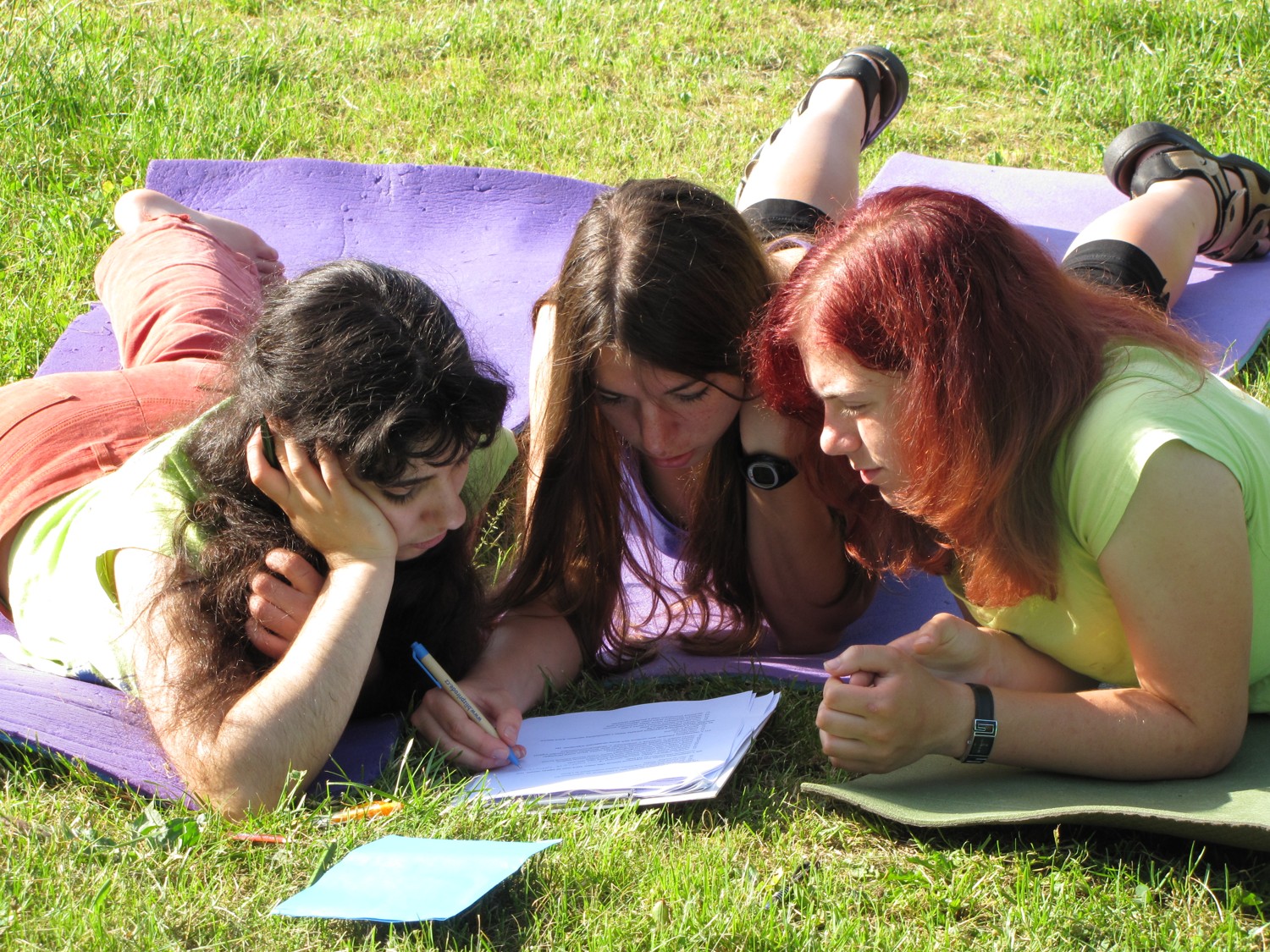 The main topic of this year's Ecology Olympiad was RESTORATION. The national contest was held 12. - 14. June in Hradce near České Budějovice. Members of our group were also involved in preparation and realization of the contest. Klára Řehounková prepared test questions and a post about ecological restoration at a scientific trail. She also set a practical assignment and evaluated it later as the chair of the jury. Karel Prach then gave a lecture on restoration ecology.
Entomologists in the Cep II - short article in Ekolist.cz
Published on Jun 10, 2014
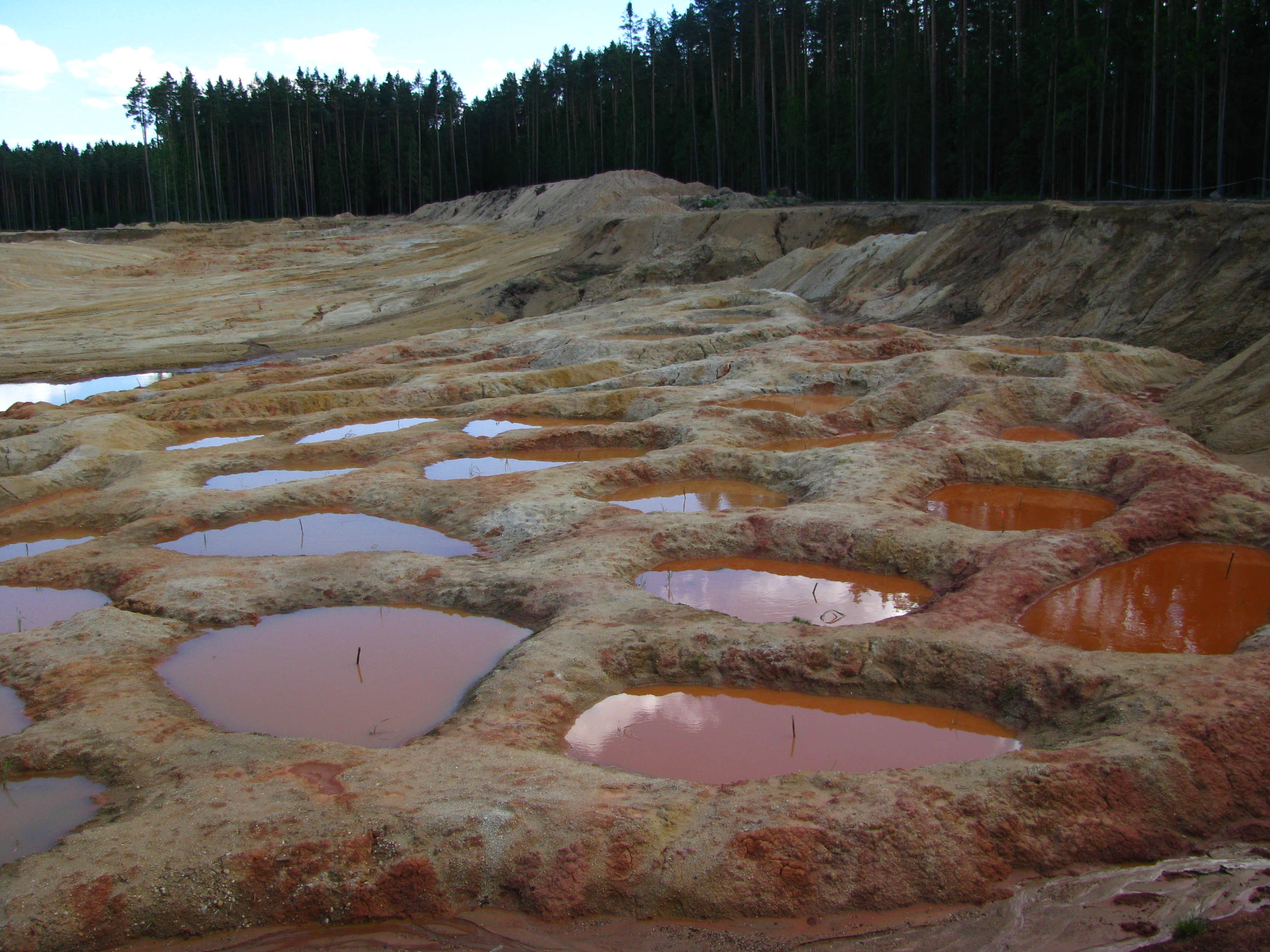 Entomologists from the University of South Bohemia have discovered several endangered species in the restored part of the Cep II sand pit. Some of these species are protected all over the Europe. Several dozens of small water pools were created during the restoration of the sand pit which now serve as habitats for rare and endangered organisms. Such habitats with low nutrient content are rare in the modern-day landscape.
"Small water pools in sand pits serve as model example of new water bodies which are colonized by specialized species of insect. The resulting community is simple as there are not many such specialized species and therefore can be well studied," says David Boukal, leader of one of the entomogical groups in the Cep II sand pit.
