|
Published on Sep 10, 2021
Members of our working group actively participate in the virtual SER conference. The topics of presentations were diverse. Klara talked about "Ten-year progress in the restoration of dry grasslands on arable land using a regional seed mixture: still on the way or on the home stretch?" Kamila presented the results of our peat bog project in a talk "Biodiversity restoration of formerly mined raised bogs - vegetation succession and recovery of other trophic groups". Miguel evaluated the participation of non-native species in successional series within our DaSS database: "Alien species in vegetation succession: participation, temporal trends and determining factors in various central European series". And Anička presented the results of her study on the development of aquatic and wetland vegetation in mining sites in a presentation entitled "Spontaneous succession of aquatic and wetland vegetation in post-mine sites".
Reports from the conference:
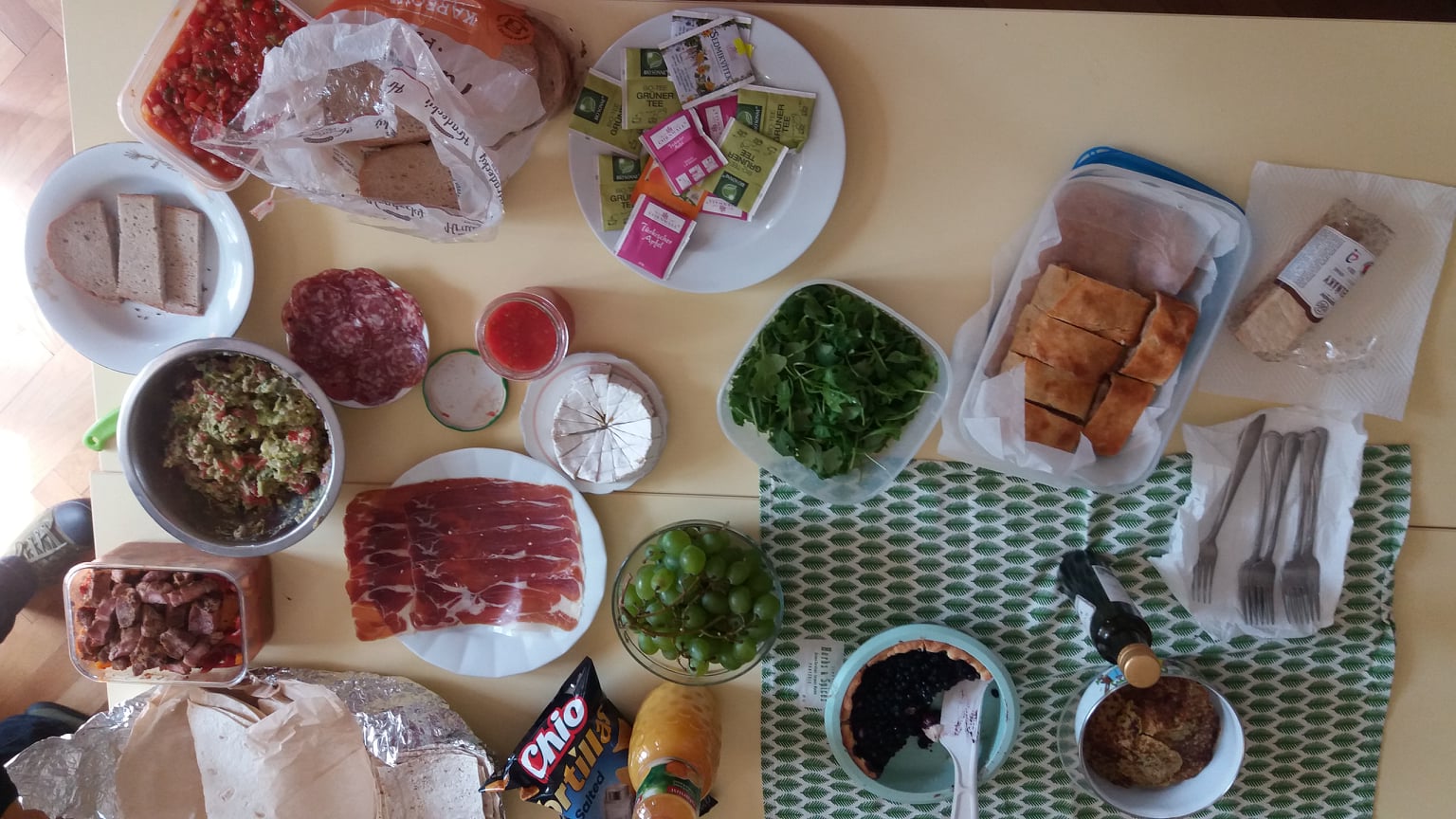
Our "conference venue" and especially our conference lunch made us famous.
Karel Prach has already been famous thanks to his work in the field of ecology of restoration. He shared his experience during a meeting with other scientists within the conference program.
Published on Sep 9, 2021
 We enjoy the European Conference on Ecological Restoration at the Department of Botany - almost as if we were in Alicante. Karel Prach has already given his presentation, the rest is still waiting for their turn. The most important thing is not ot underestimate the conference lunch and tea break.

Published on Aug 31, 2021
Published on Aug 17, 2021
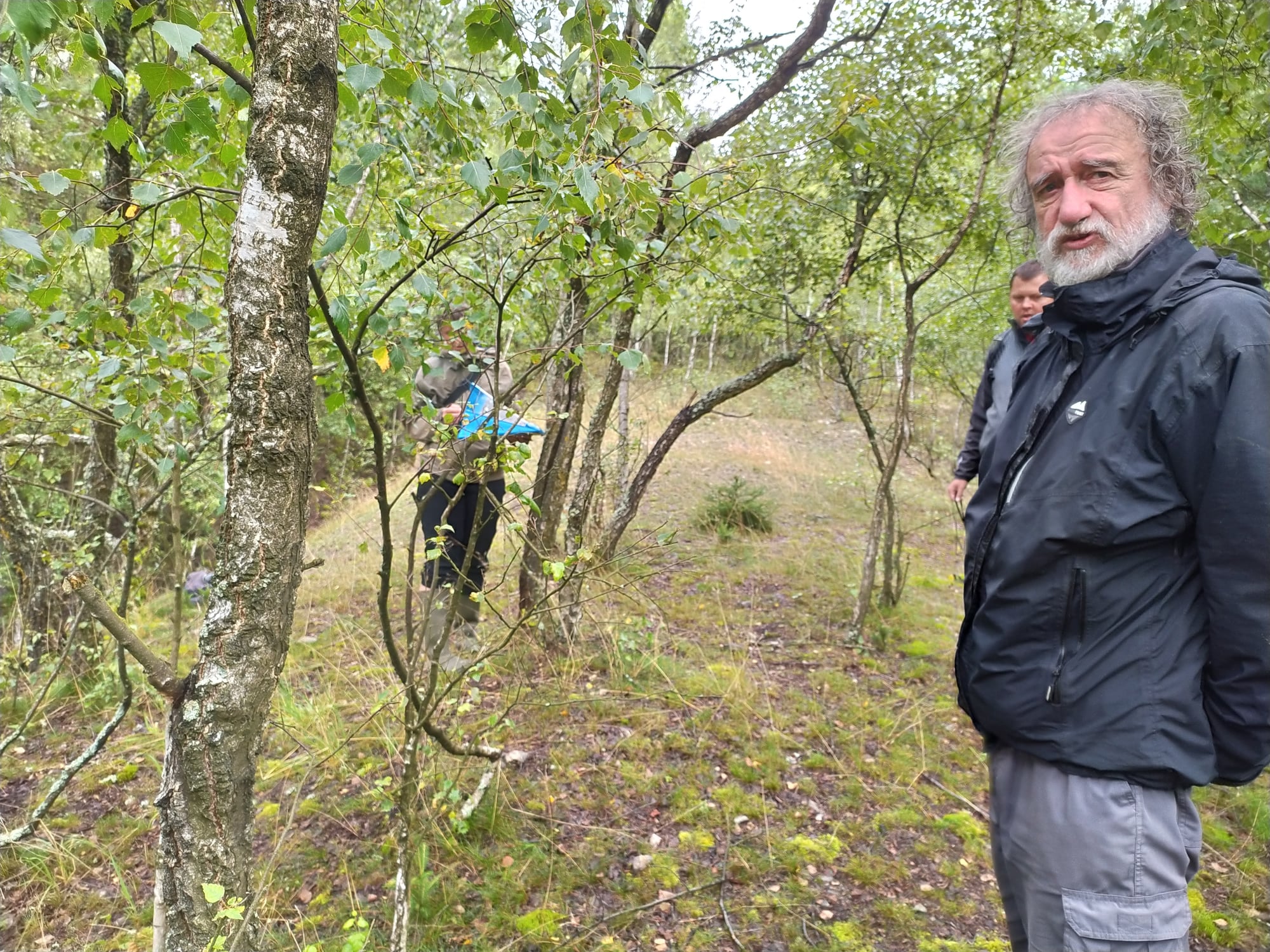
 ... or another part of the mini-series Restoration ecology in practice. This time we visited Vlčí Jámy, a peatbog mined in the past. Thanks to the project of the Administration of the Šumava National Park, Life for Mires, the revitalization is successfully proceeding. For the third year in a row, we examine the succession of various trophic groups - plants, mosses, fungi and insects, at the peatbog. Following an agreement with the Administration of the National Park, our monitoring sites will be maintained in the future. We will thus have the opportunity to monitor the impact of revitalization on the organisms.
Published on Jun 14, 2021
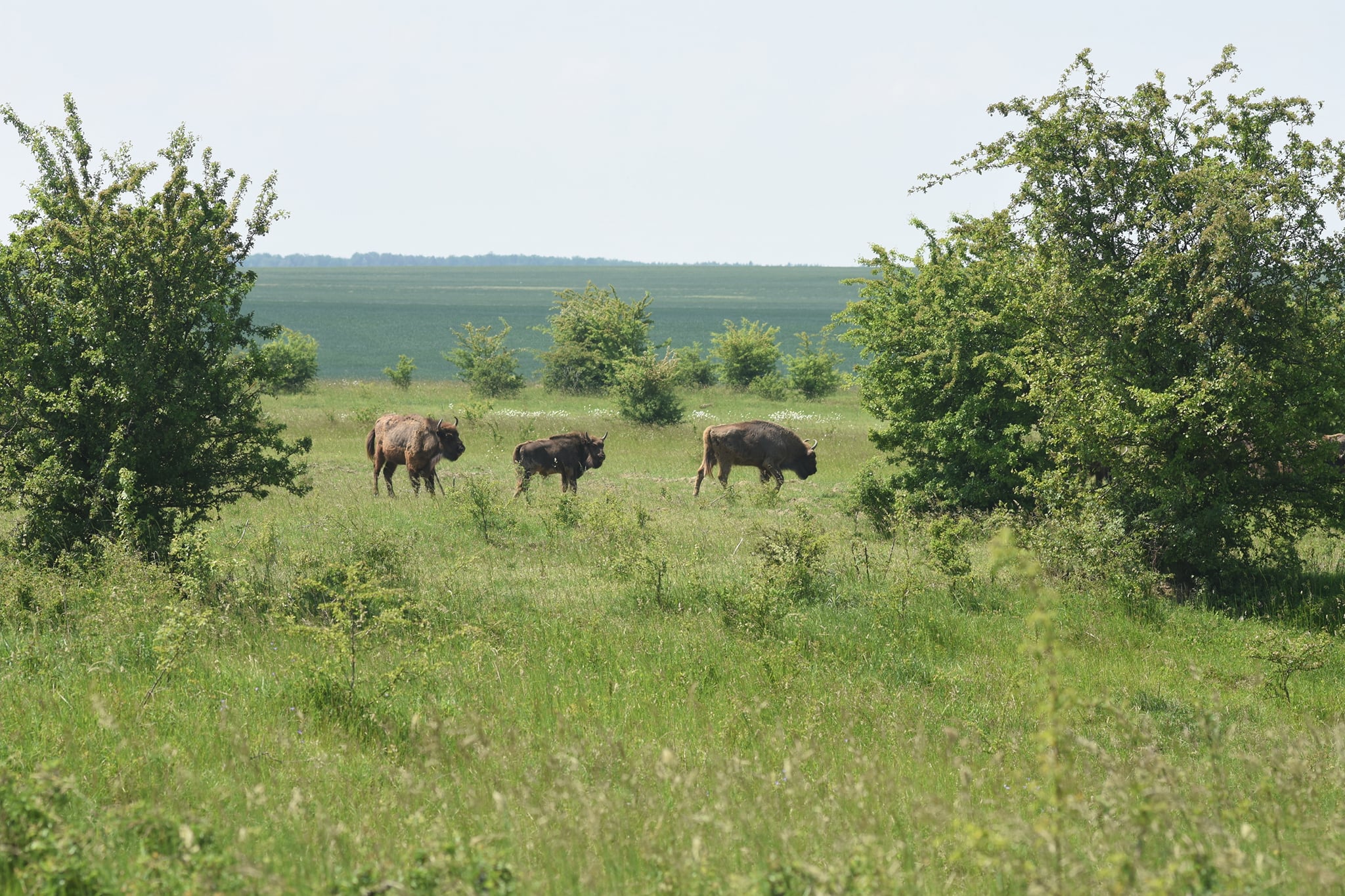
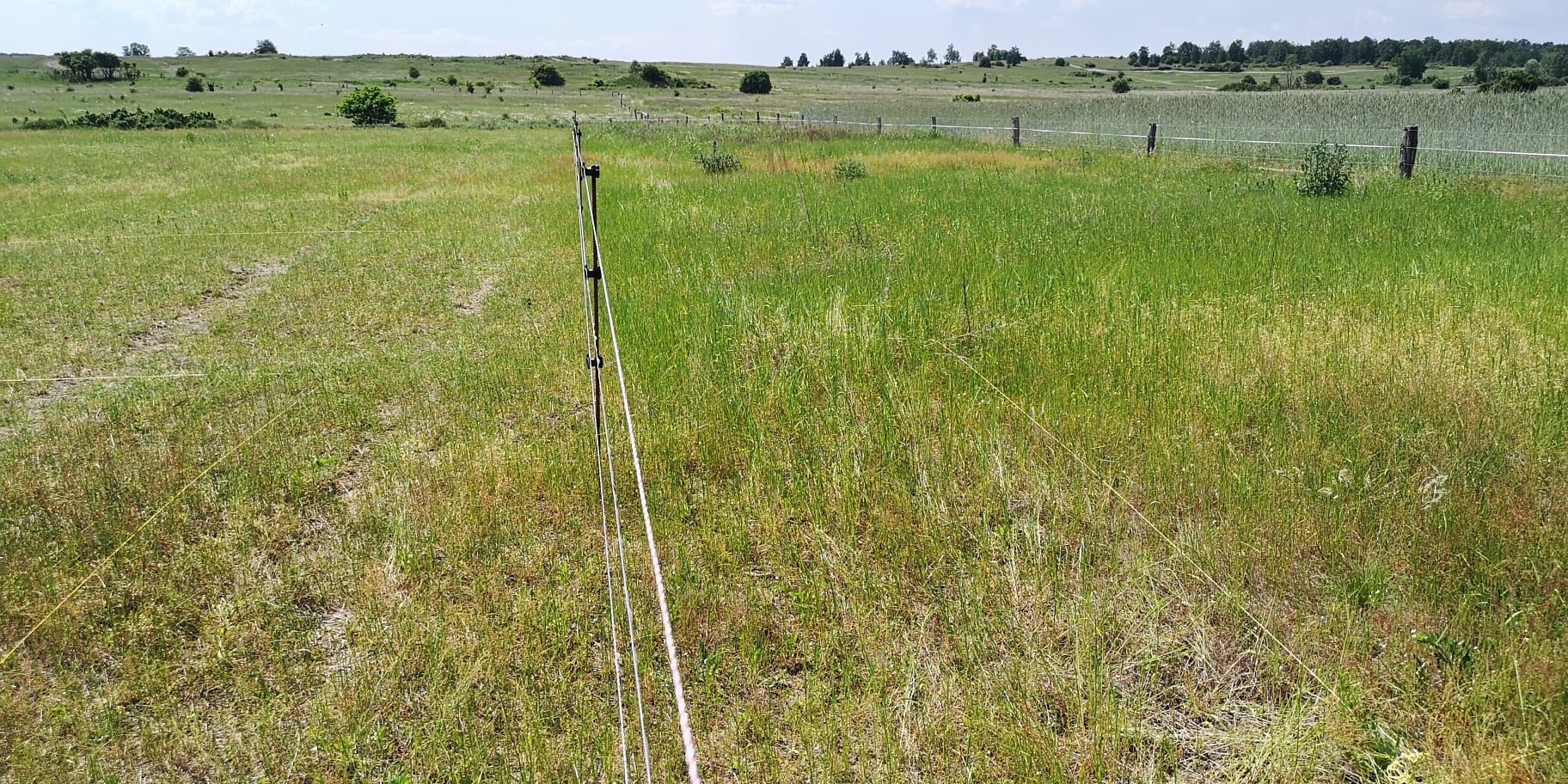
 In the former arable field in Milovice, where we transferred biomass three years ago, aurochs and horses have been grazing since this year. So far, the grazed part is only slightly bitten, but it is already clear from the photos that the biomass is lower. In plots with transferred biomass, target species are beginning to increase, together with desired species of herbs and grasses.
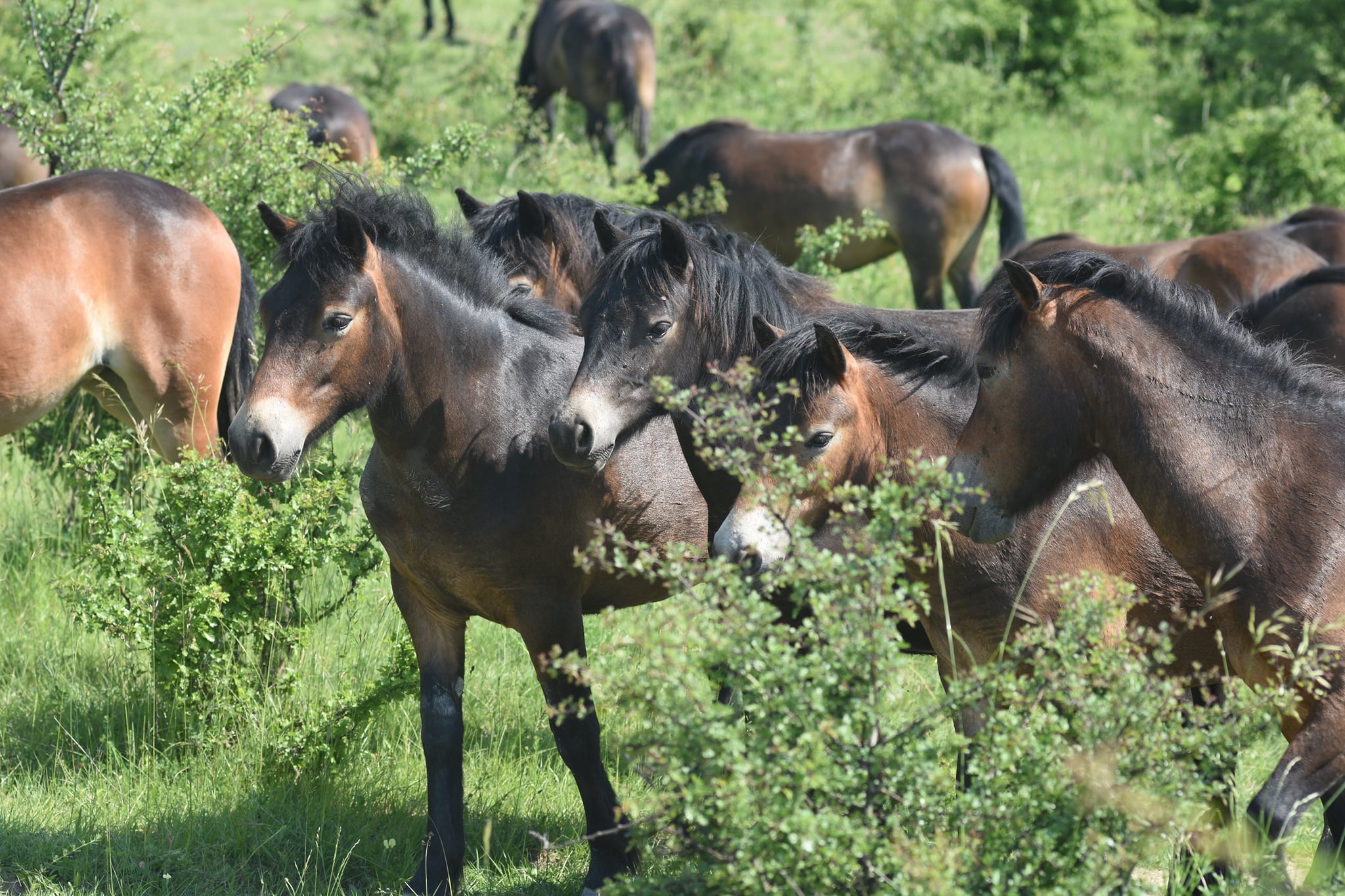
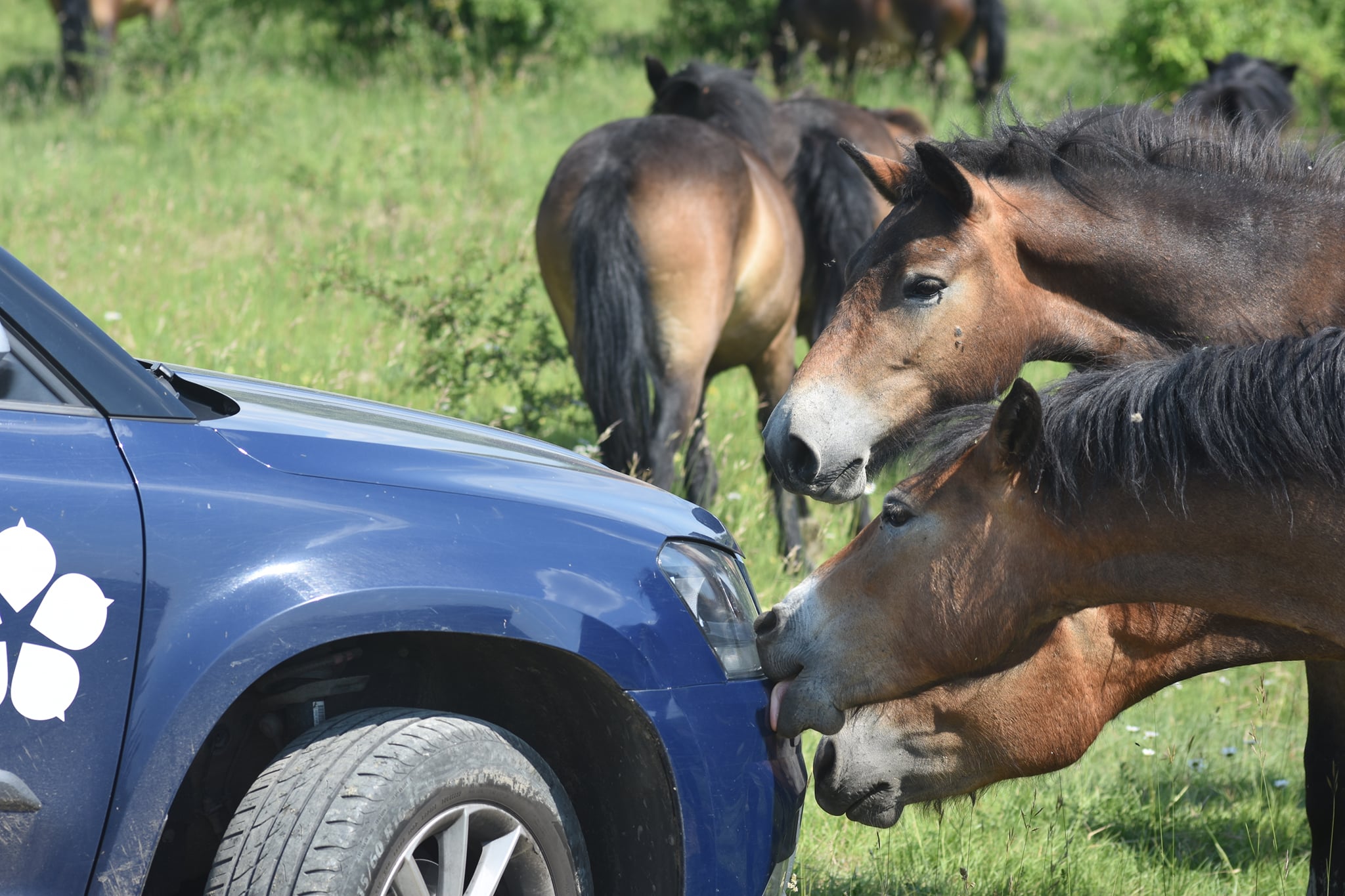
We also re-sampled the so-called dust bath places. Unfortunately, some of them were destroyed by wild boars, but we also managed to find completely new plots. Our cars have become an attraction for wild horses. They thought it was candies and appropriately licked the car of the Faculty of Science as well as the Institute of Botany. When it came to kicking, Ondra stopped it as the right leader with the words, "Well, well, well" ... and the cars were saved.
      
Published on Jun 14, 2021
 Czech and German students have a now an opportunity to take part in exchange study stays thanks to the cooperation between the University of South Bohemia and the German Hochschule Anhalt within the Erasmus+ program. On the German side, the program is guaranteed by our colleagues, prof. Sabine Tischew and Dr. Anita Kirmer, with whom we have long-term cooperation. Students have the opportunity to study a bachelor or master degree in Nature Conservation and Landscape Planning. More information and online form can be found here.
Published on May 29, 2021
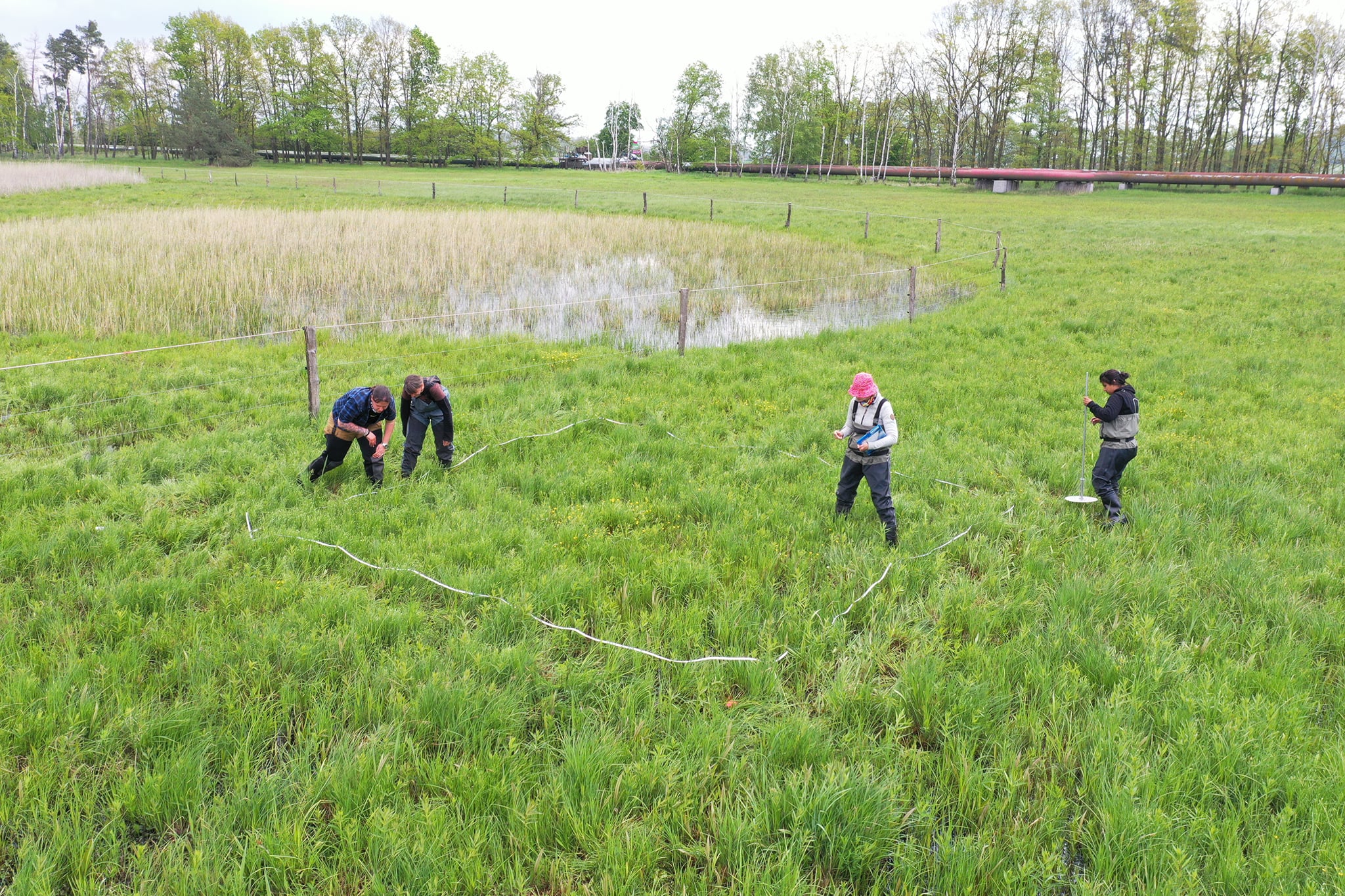
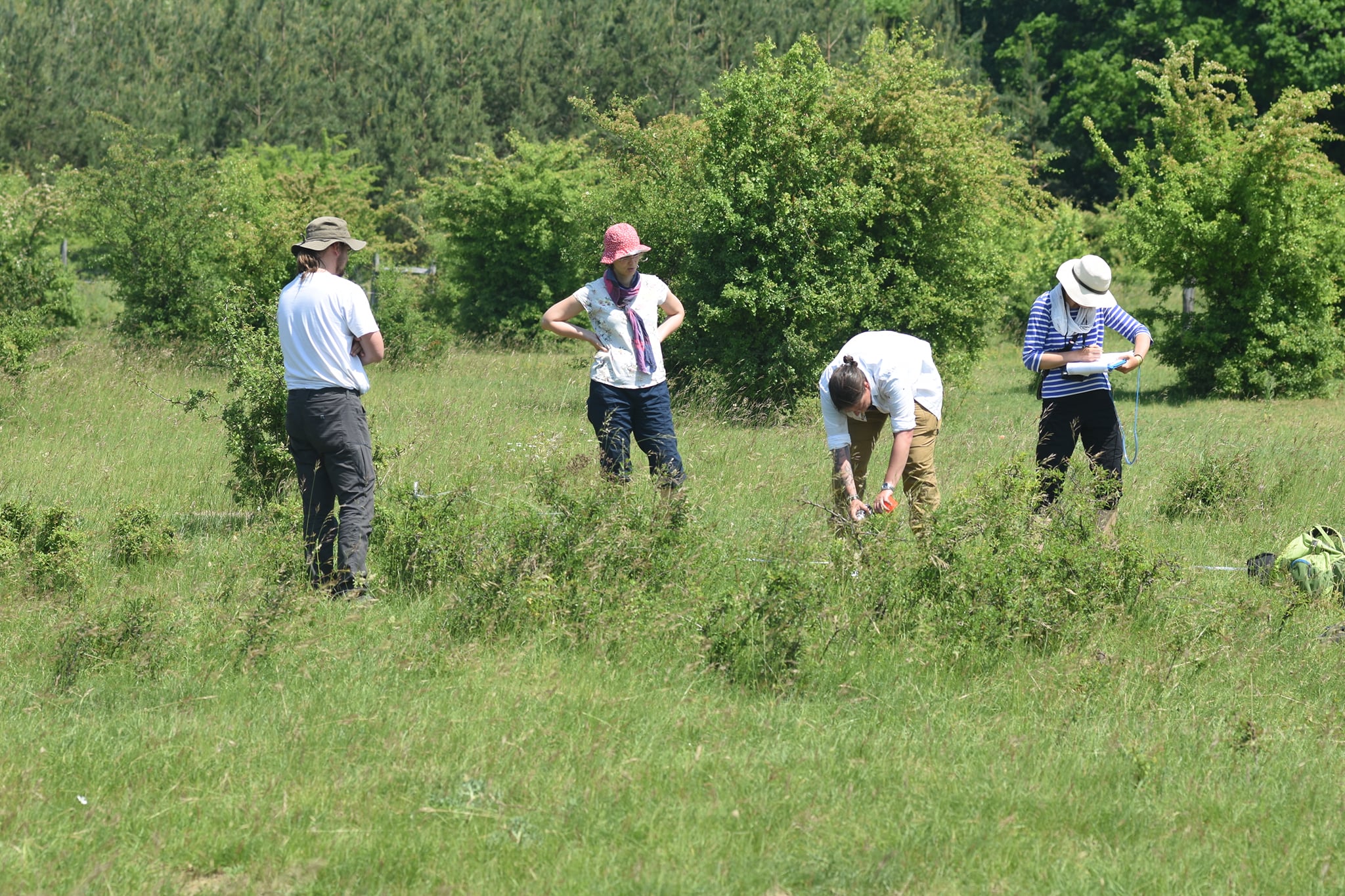
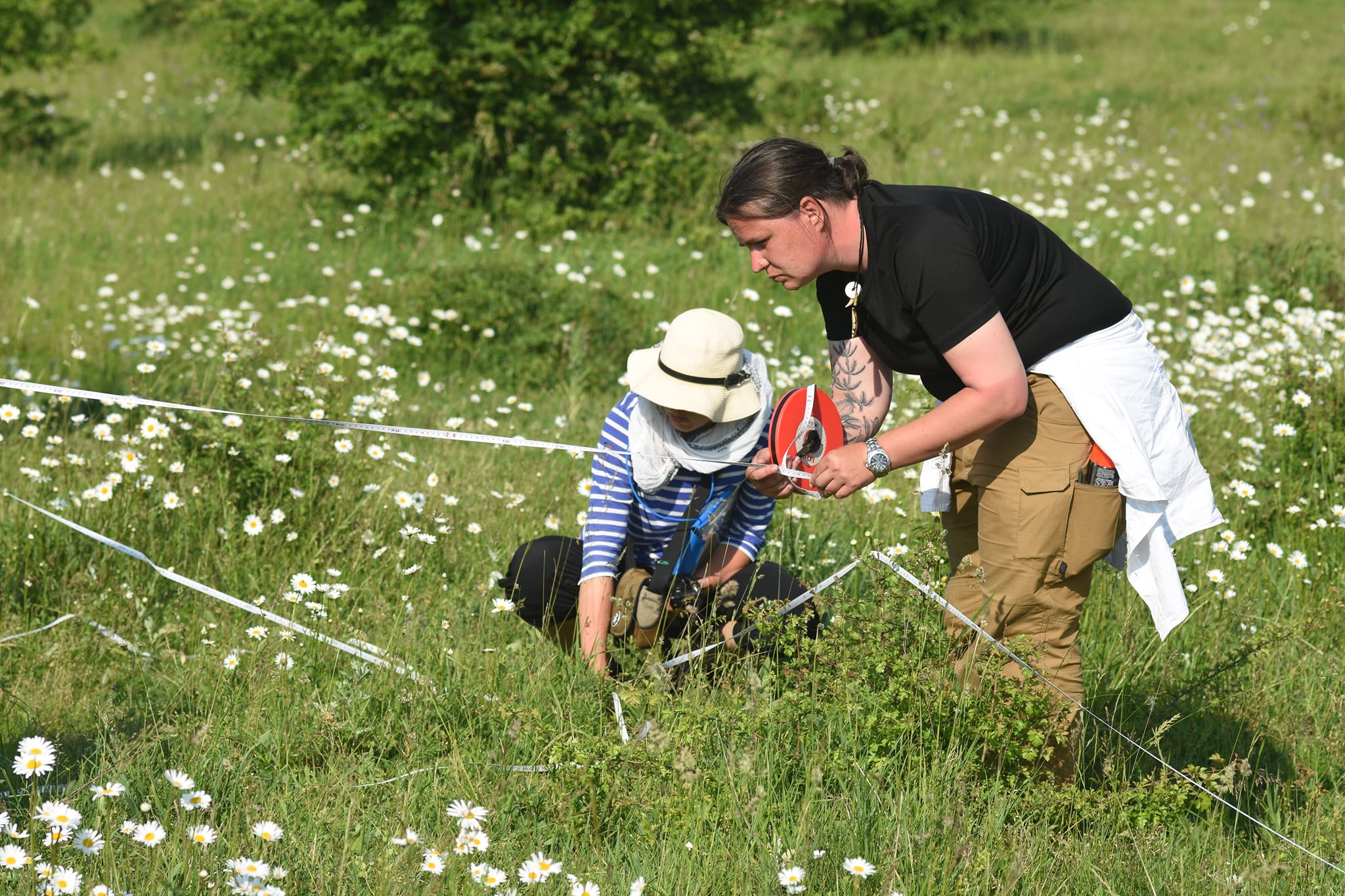
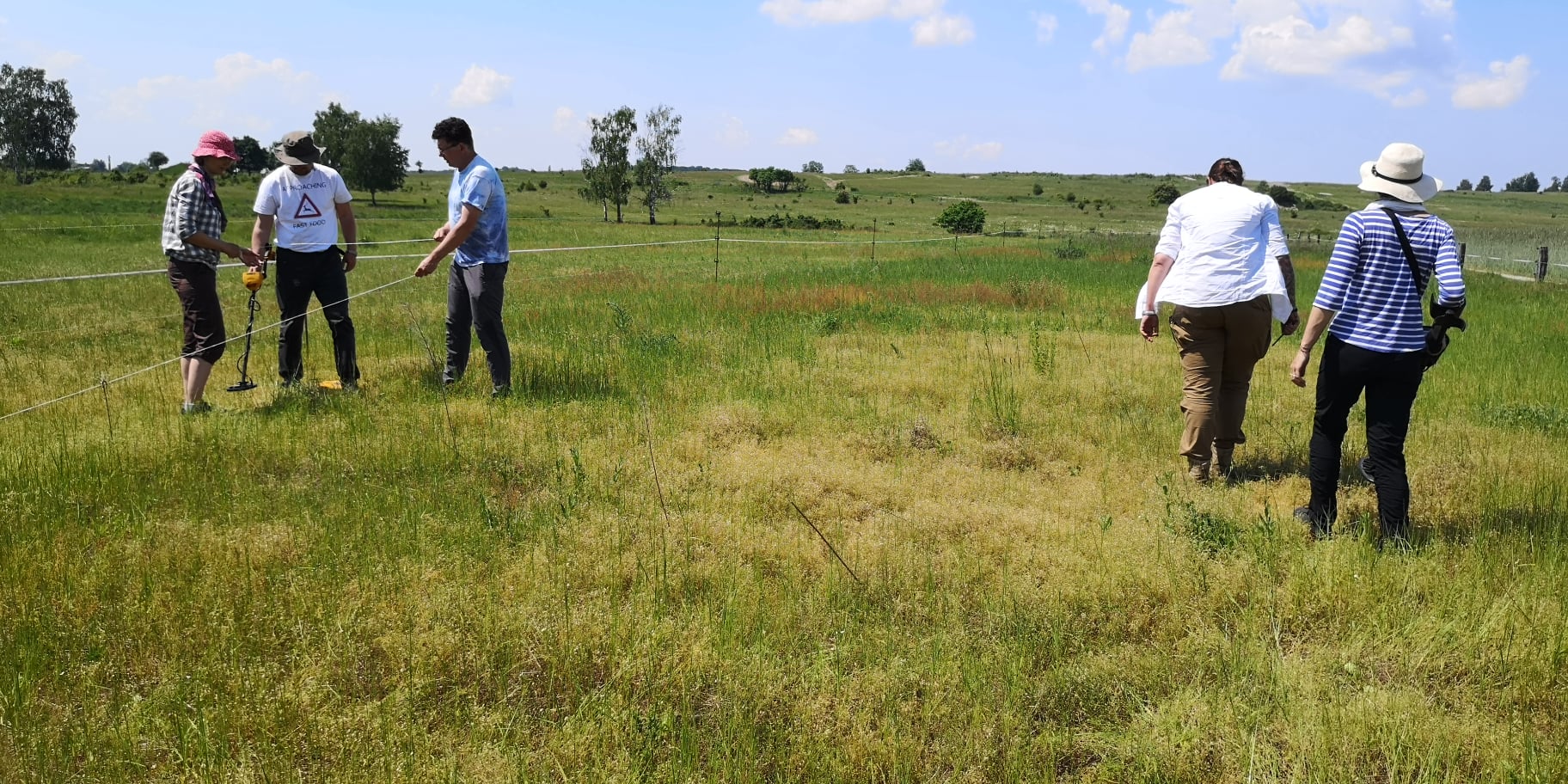
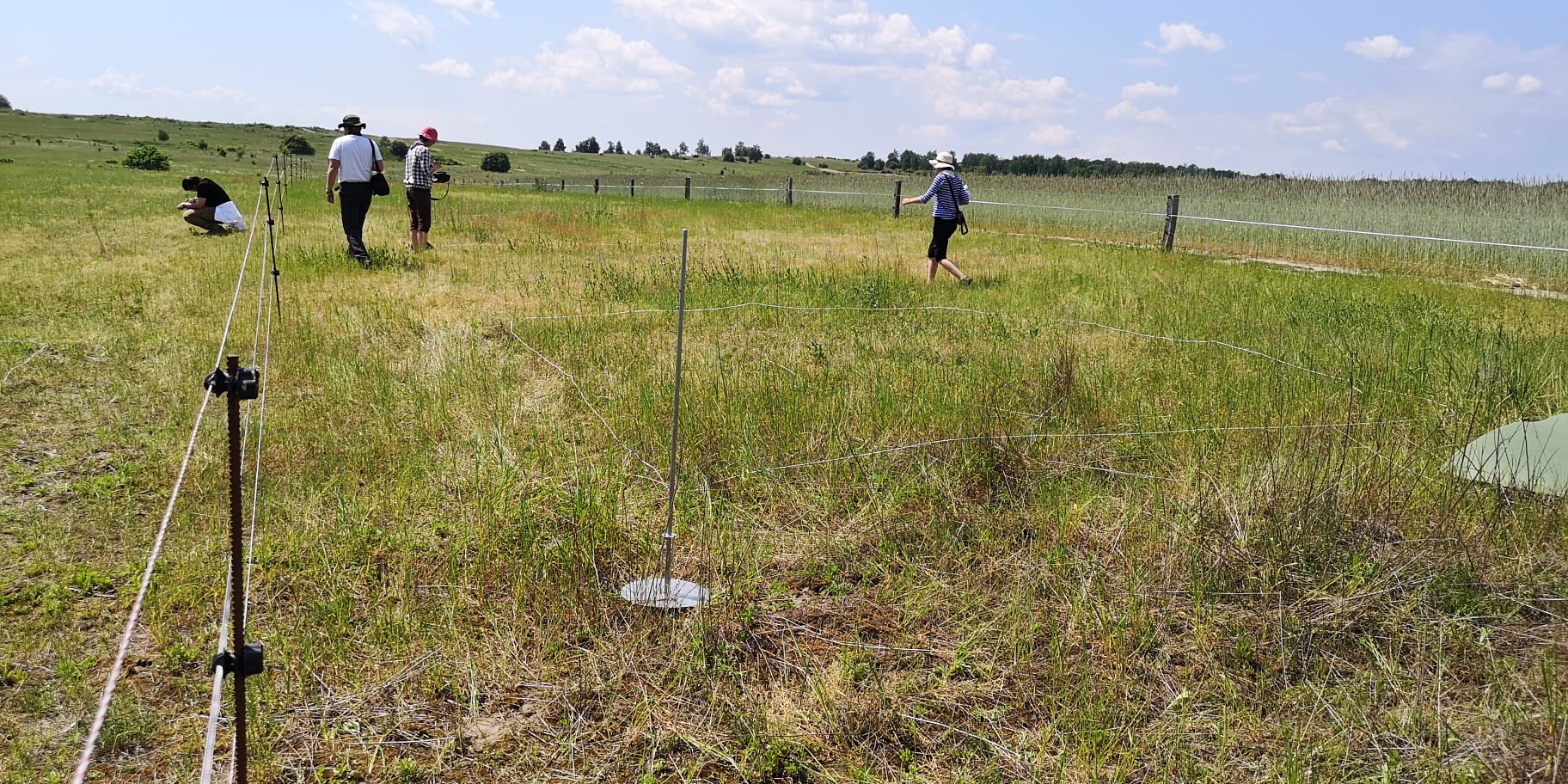
 Last year, we included the first wetland localities among the areas where we monitor the effect of grazing on the vegetation development. Baroch is a new wetland locality where Exmoor ponies, specifically 11 males, have been grazing since autumn. We sampled Josefovské louky already the last year. In addition to horses, this time we met three aurochs, specifically one curious cub, its mother and another almost-mother. Even though everyone is already expecting the birth, it did not take place during our stay. There was really a lot of water this year, so we had a unique opportunity to put on our new outfits. We look good, don't we?
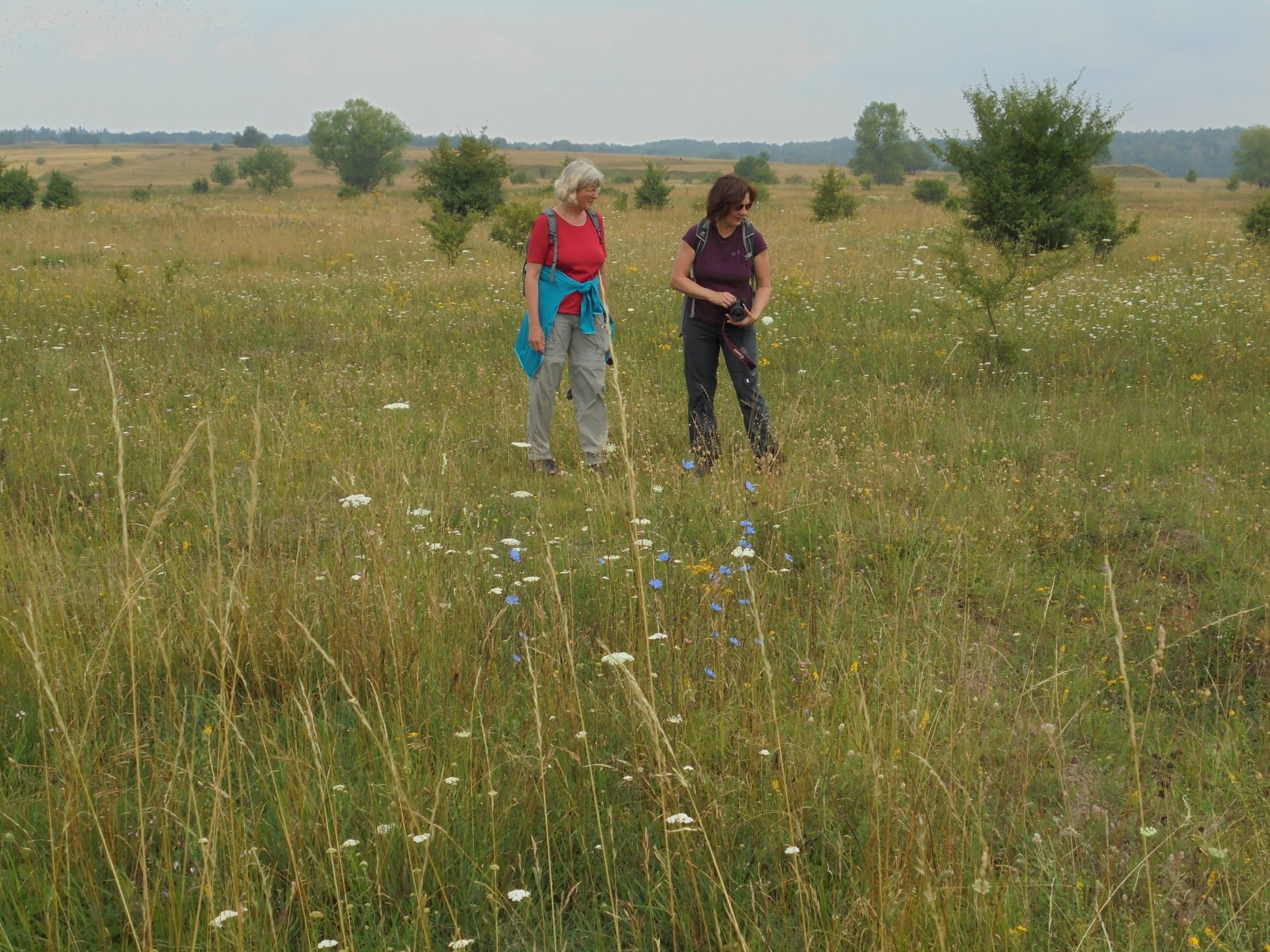
Back to science - in Josefovské louky, you can see that the animals can reduce the vegetation cover during the first year. Grazed and ungrazed plots are distinguishable with the naked eye. Different situation is in Podyjí, where we have been monitoring the grazing of dry grasslands already for four years. It seems that the vegetation changes between plots are no longer as significant as in the first years.

<
1
...
10
11
12
13
14
...
24
>
|
|


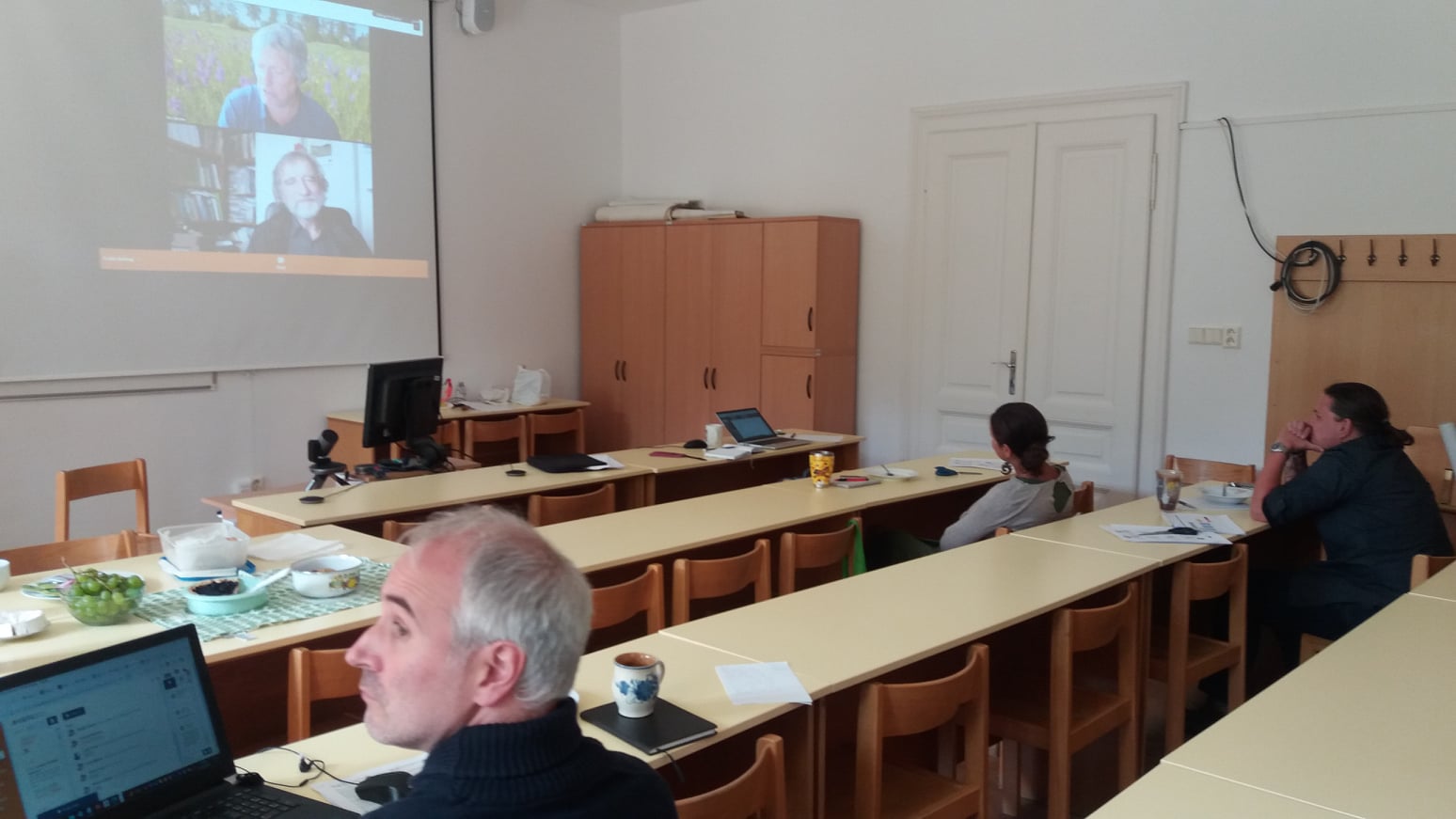 We enjoy the European Conference on Ecological Restoration at the Department of Botany - almost as if we were in Alicante. Karel Prach has already given his presentation, the rest is still waiting for their turn. The most important thing is not ot underestimate the conference lunch and tea break.
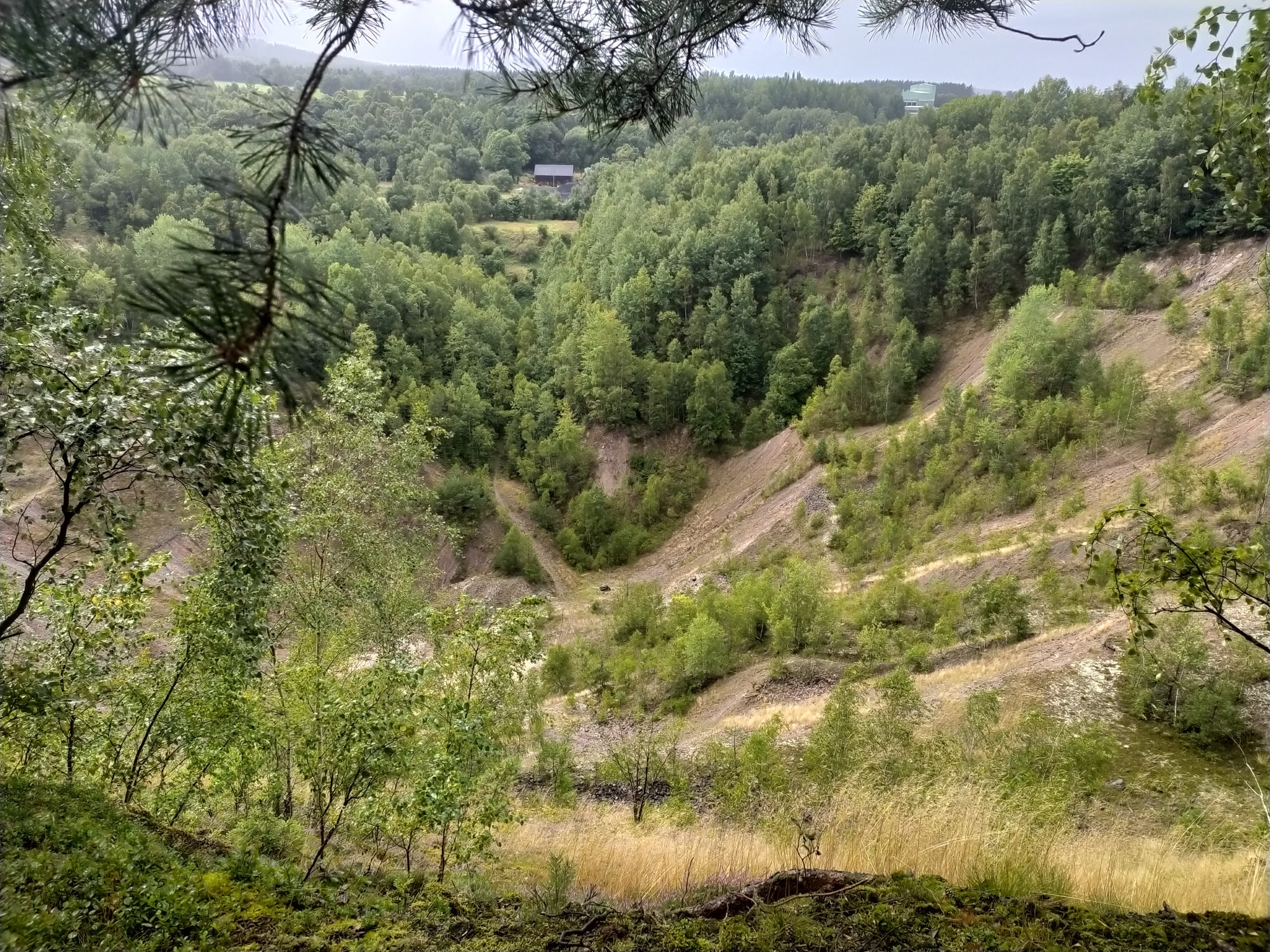
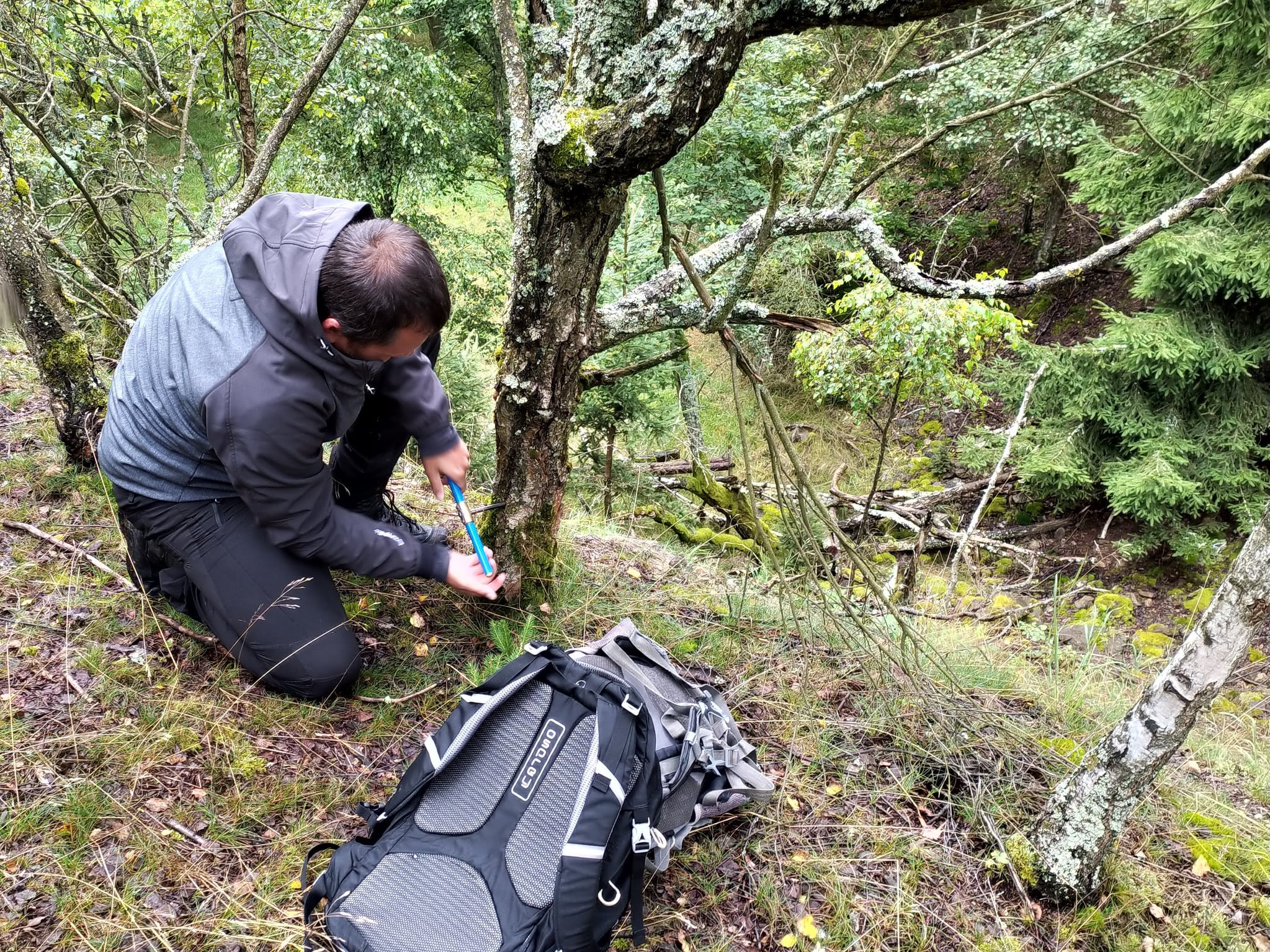
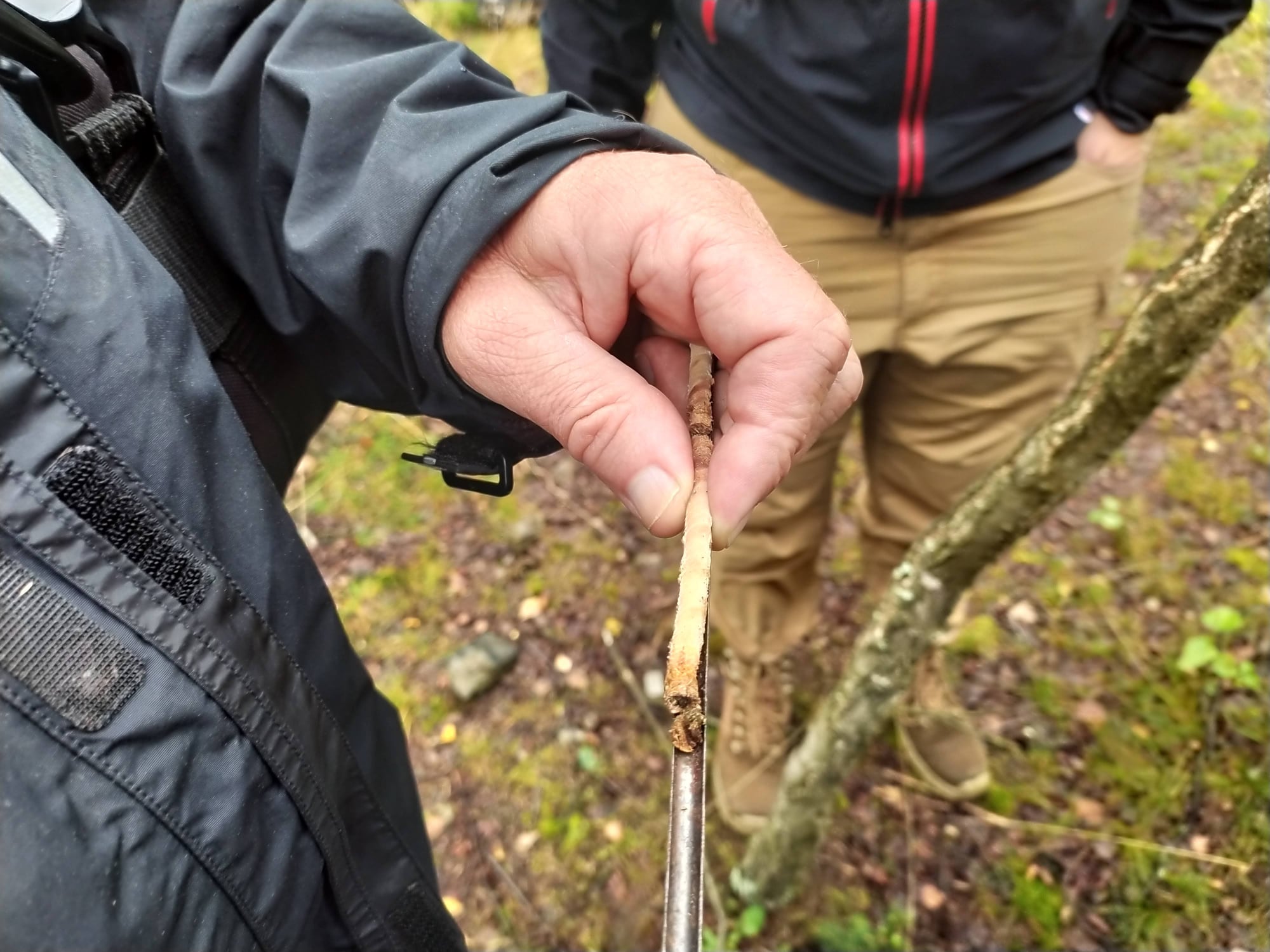
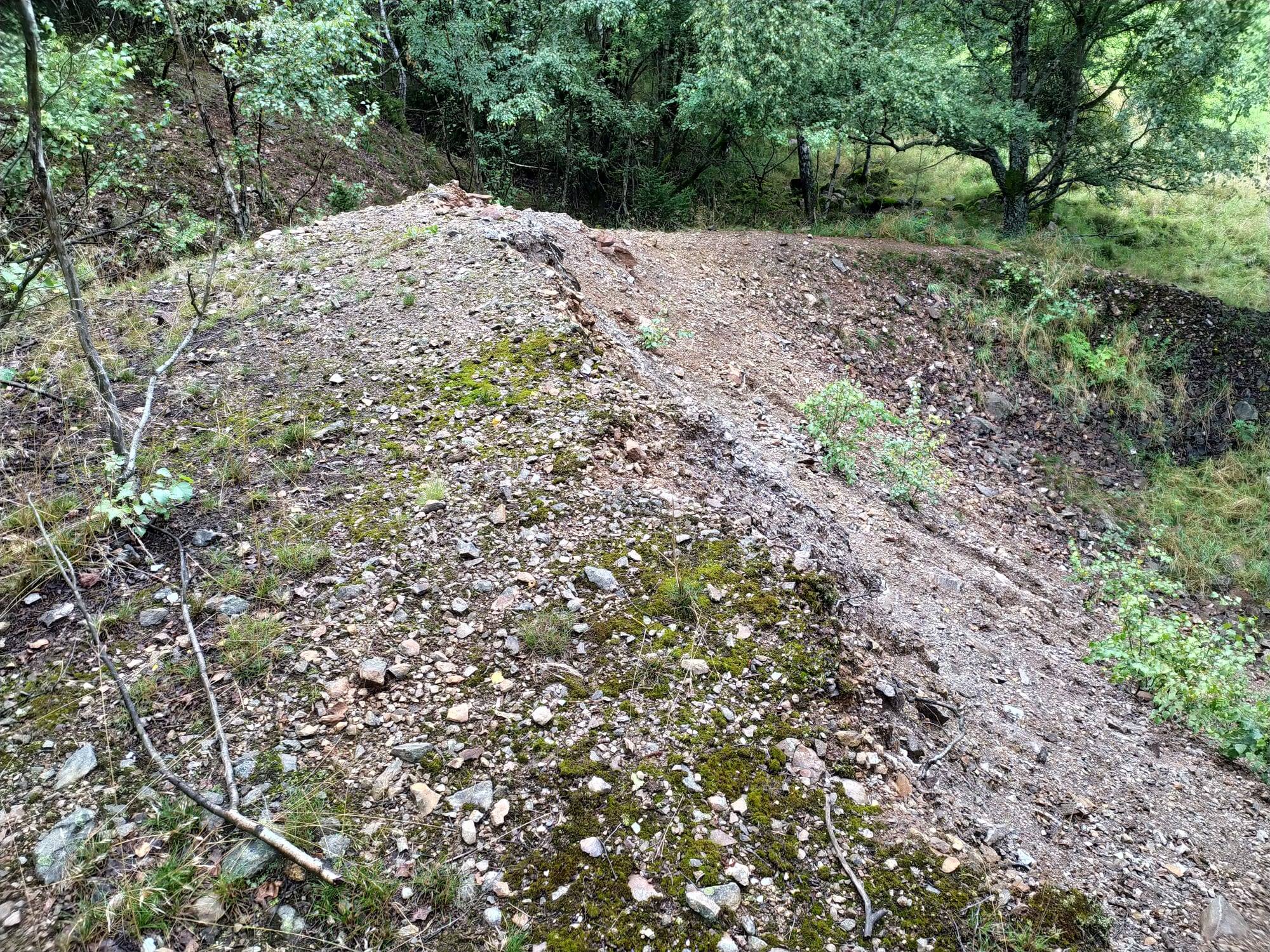
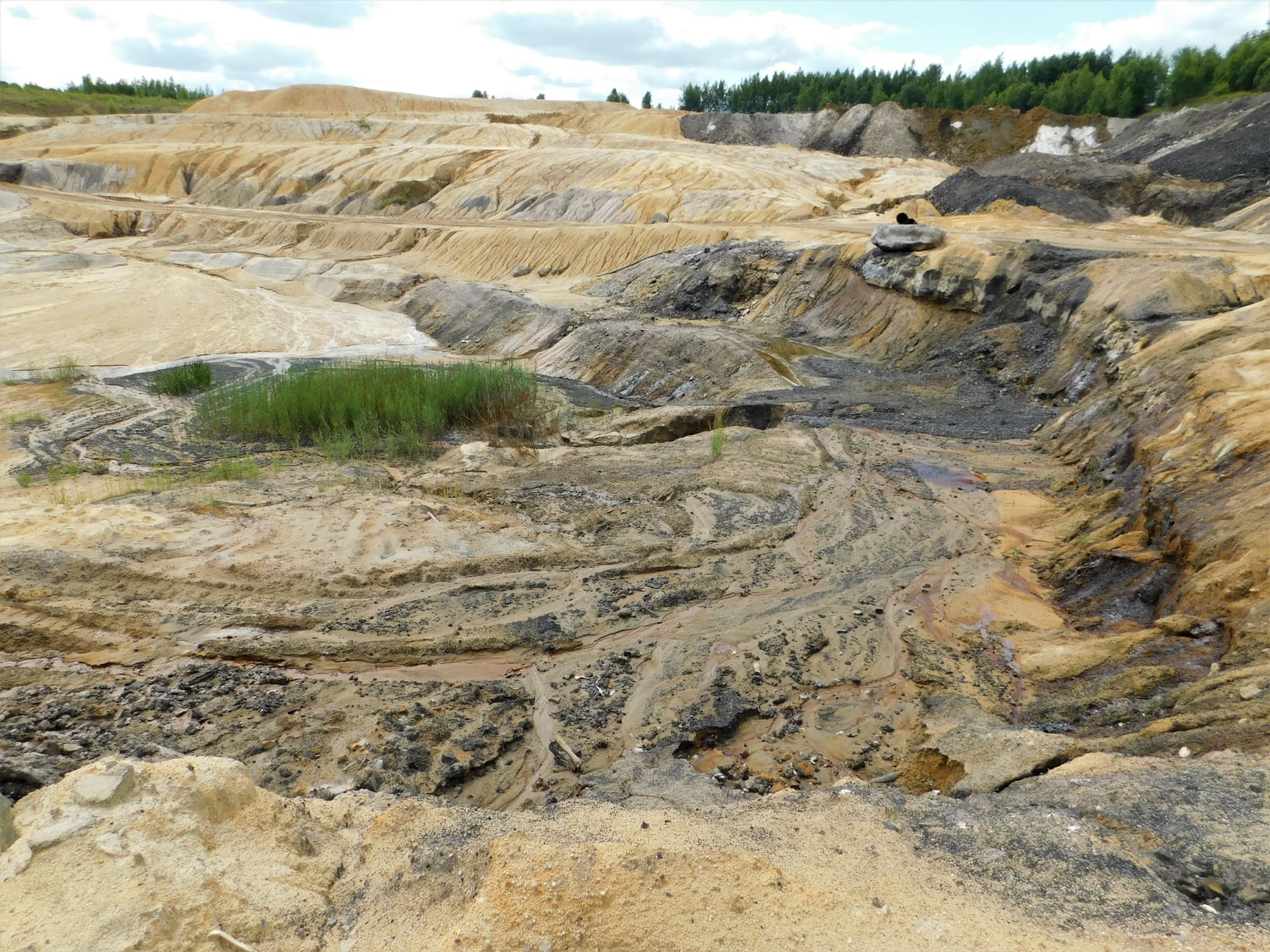
 This year, we collected data from the last locality of uranium spoil heaps in the Czech Republic, from Horní Slavkov. Compared to the spoil heaps in Jáchymov, there grow less spruce, but more deciduous trees. In comparison with the spoil heaps in Příbram, they overgrow much faster. The spoil heaps already look as integrated parts of the local landscape with an interesting relief, often still copying the style of dumping.
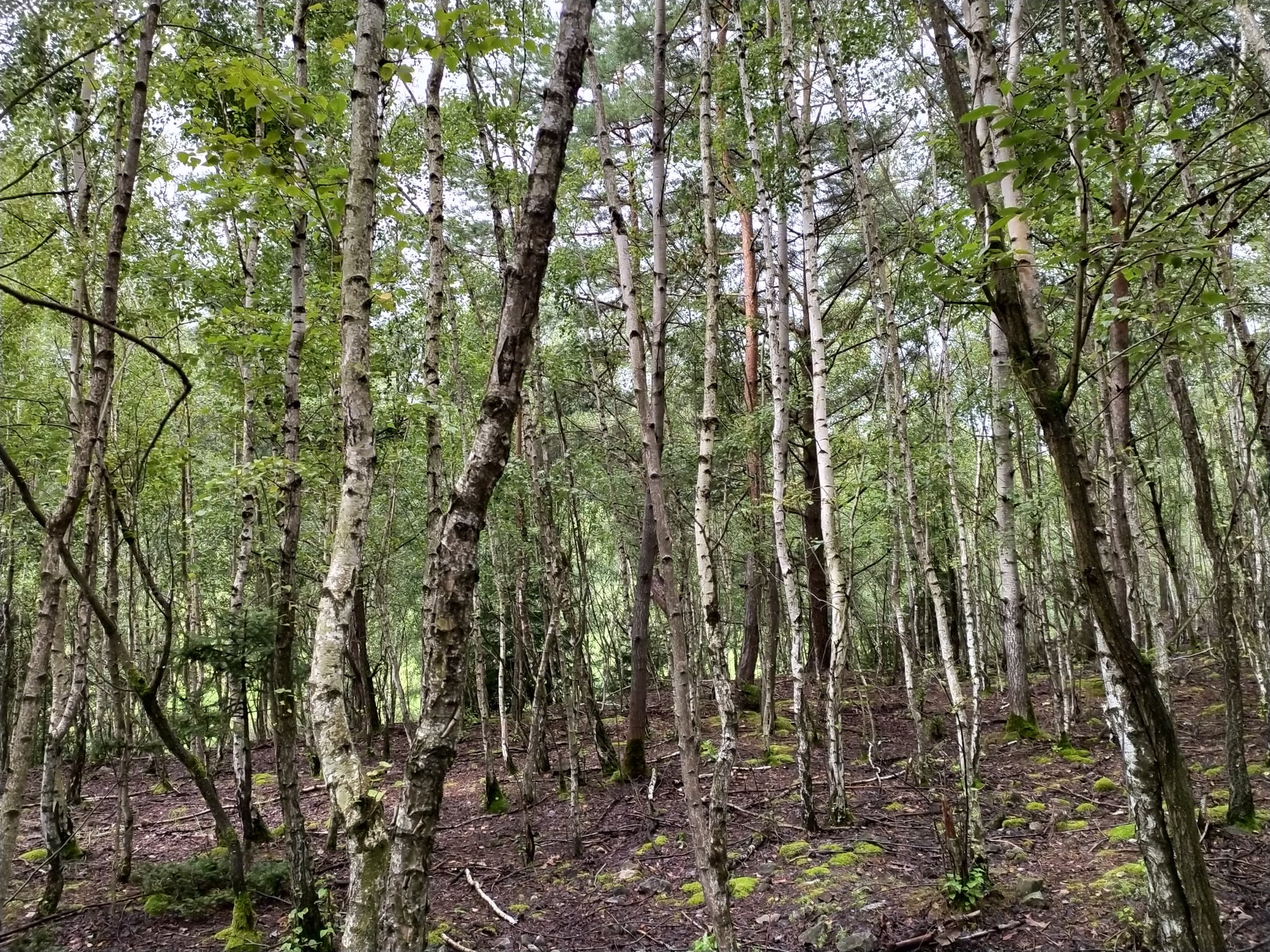
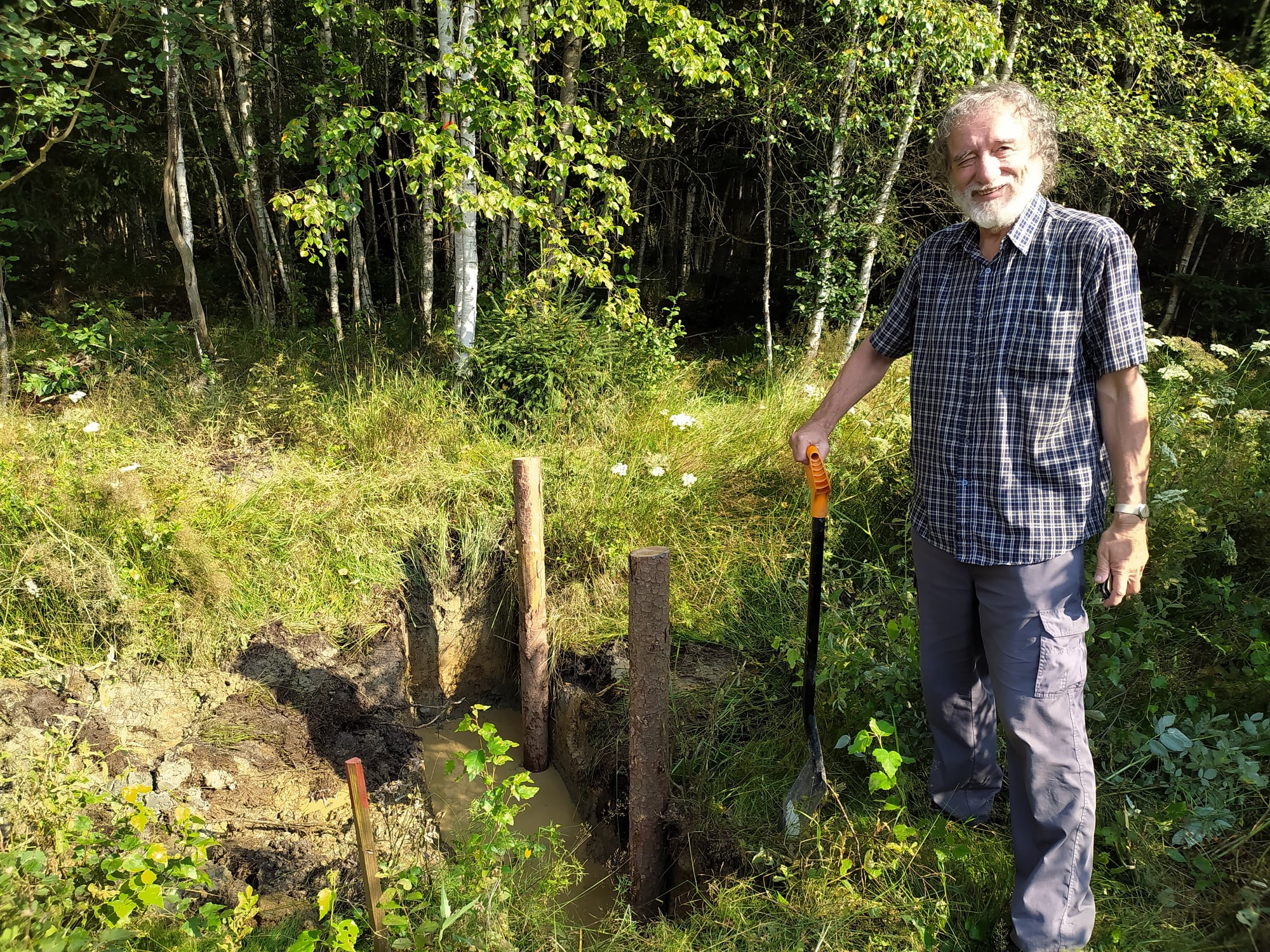 ... or another part of the mini-series Restoration ecology in practice. This time we visited Vlčí Jámy, a peatbog mined in the past. Thanks to the project of the Administration of the Šumava National Park, Life for Mires, the revitalization is successfully proceeding. For the third year in a row, we examine the succession of various trophic groups - plants, mosses, fungi and insects, at the peatbog. Following an agreement with the Administration of the National Park, our monitoring sites will be maintained in the future. We will thus have the opportunity to monitor the impact of revitalization on the organisms.
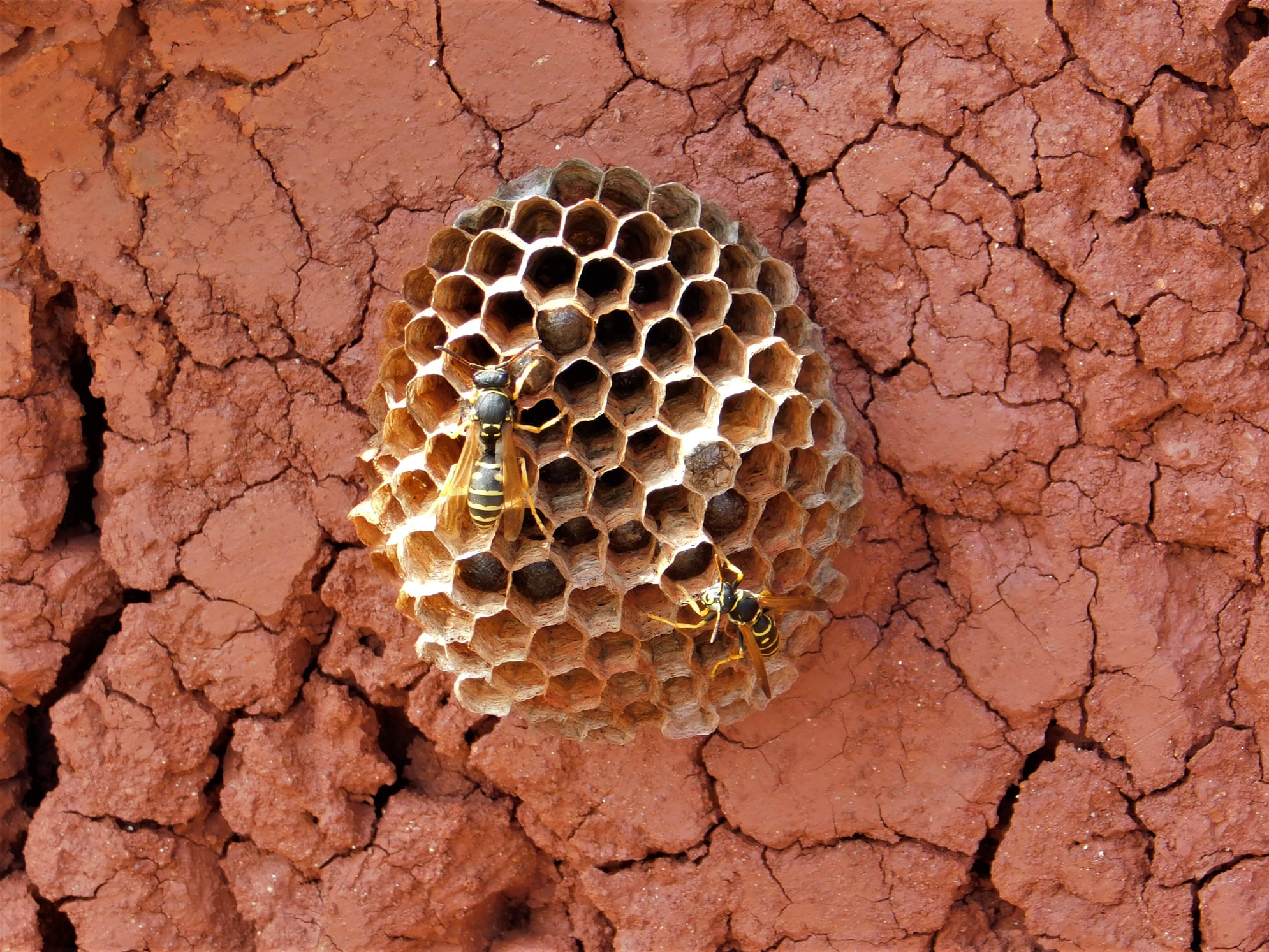
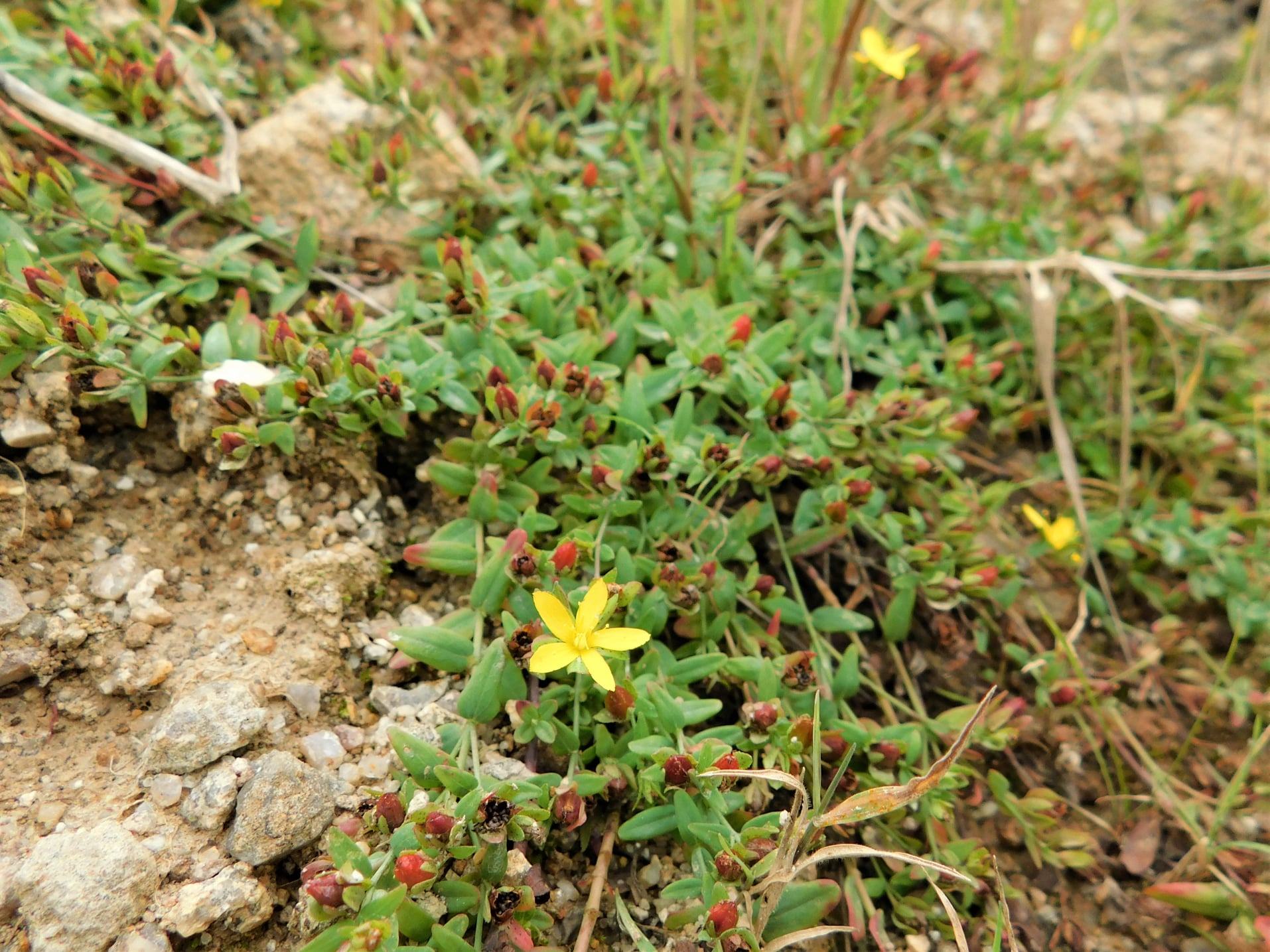
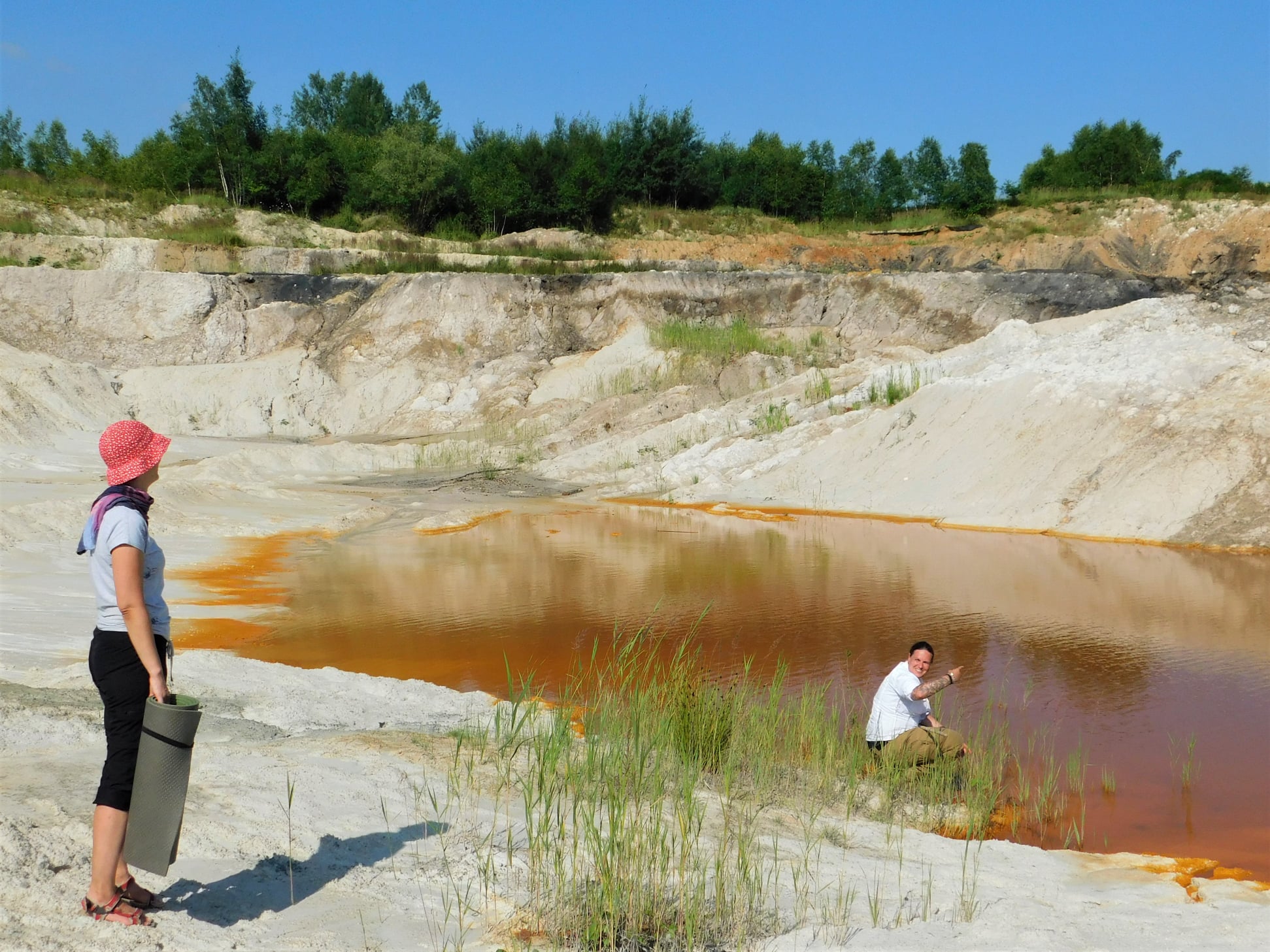
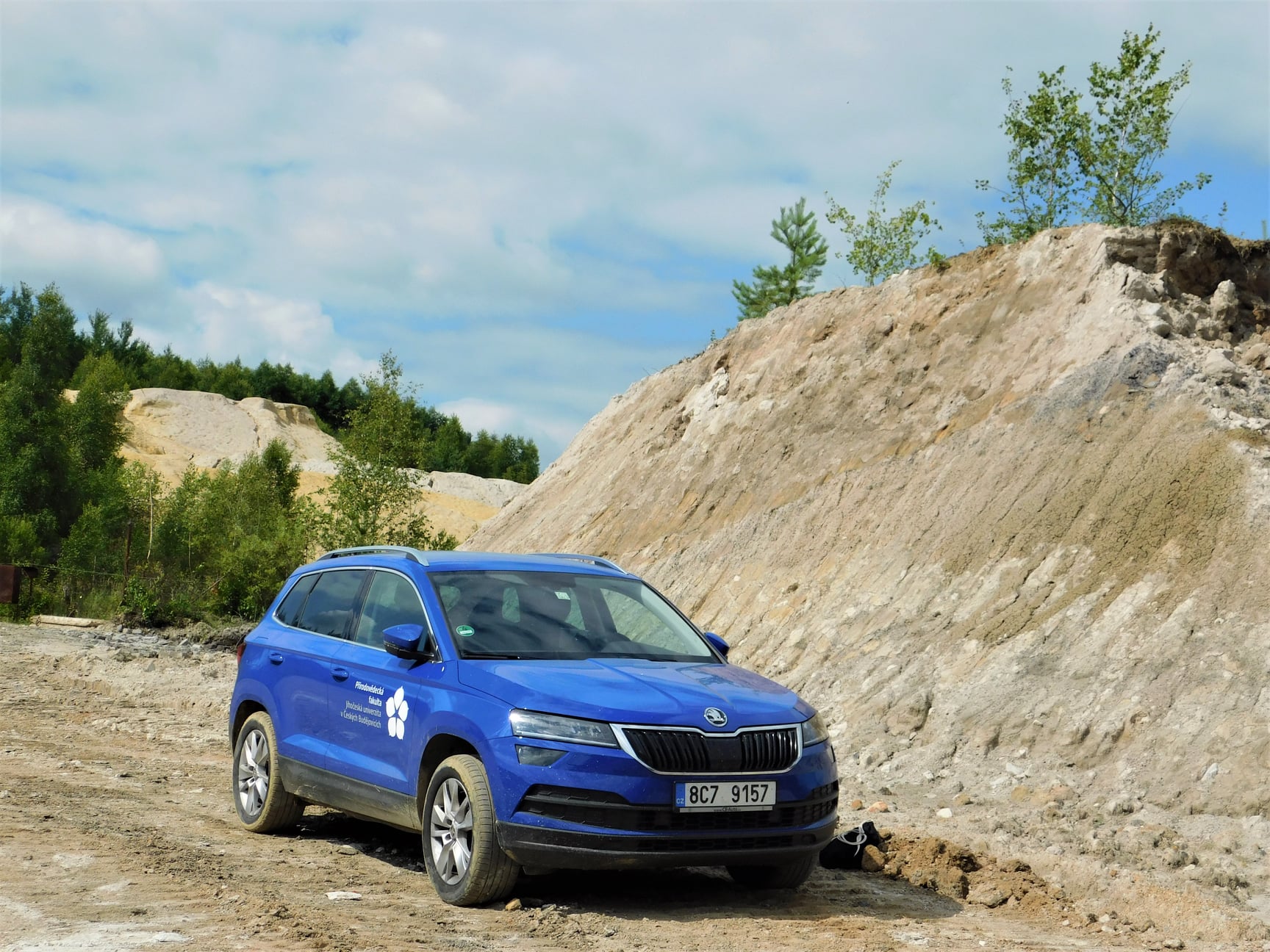
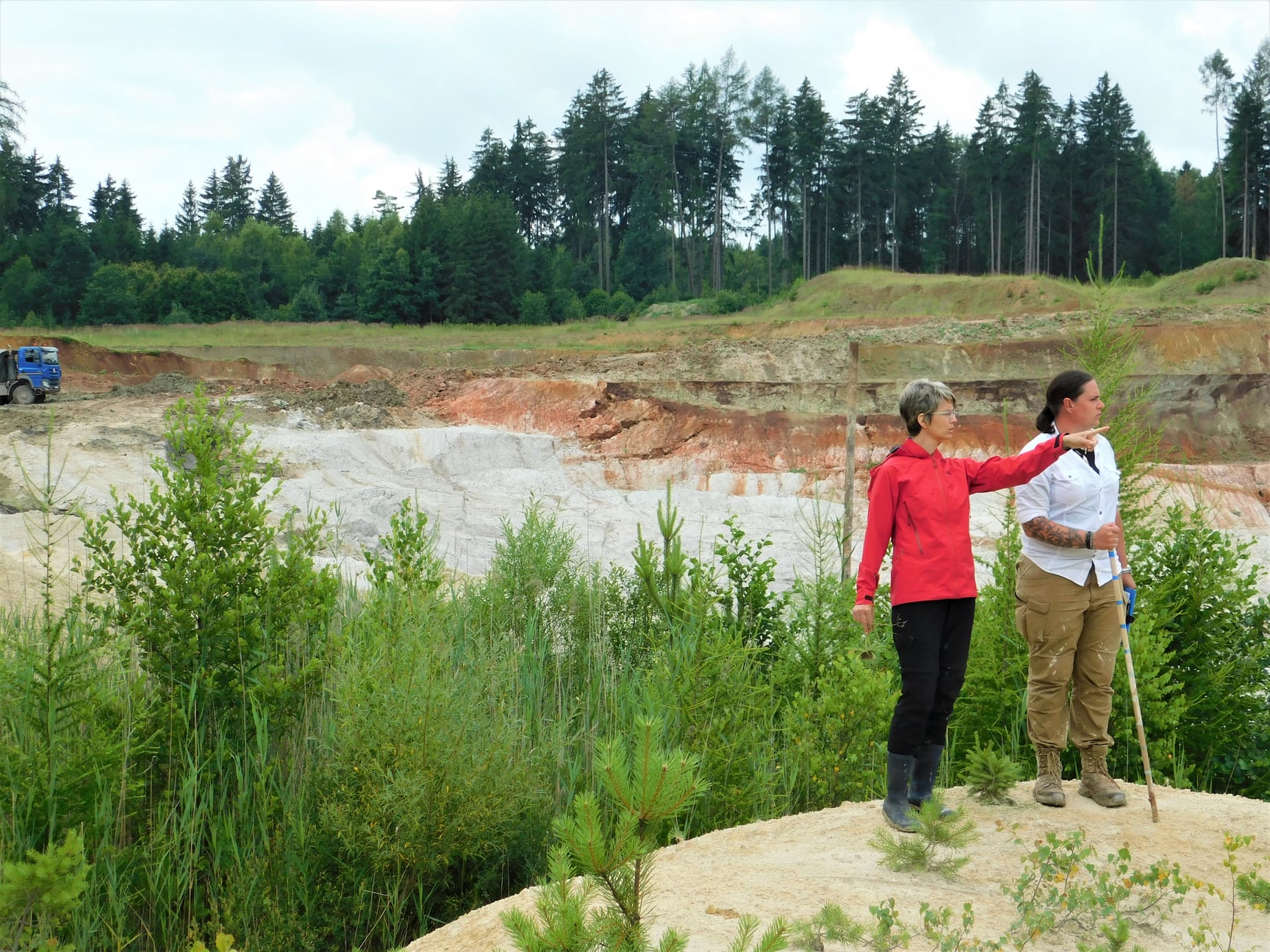
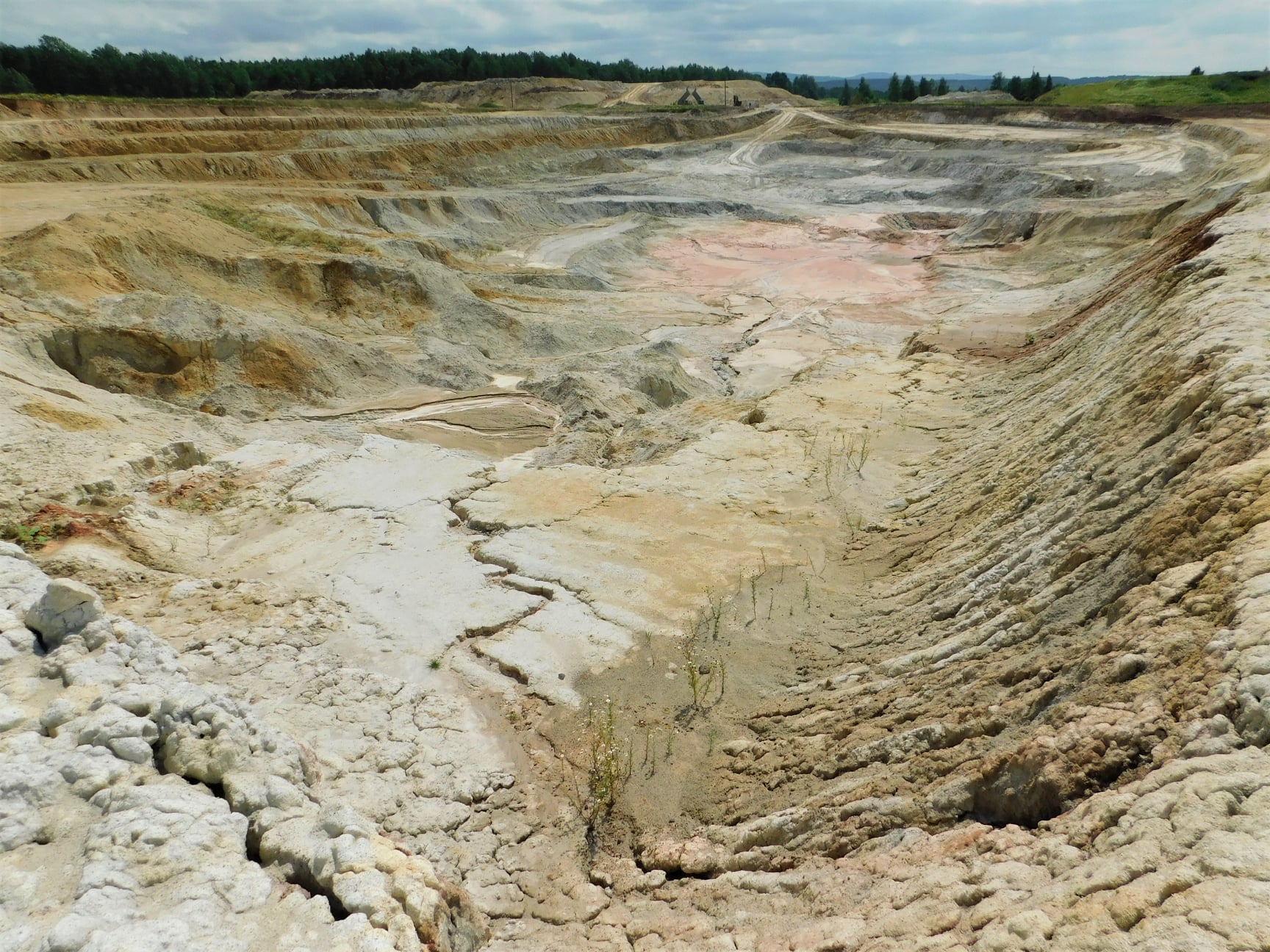
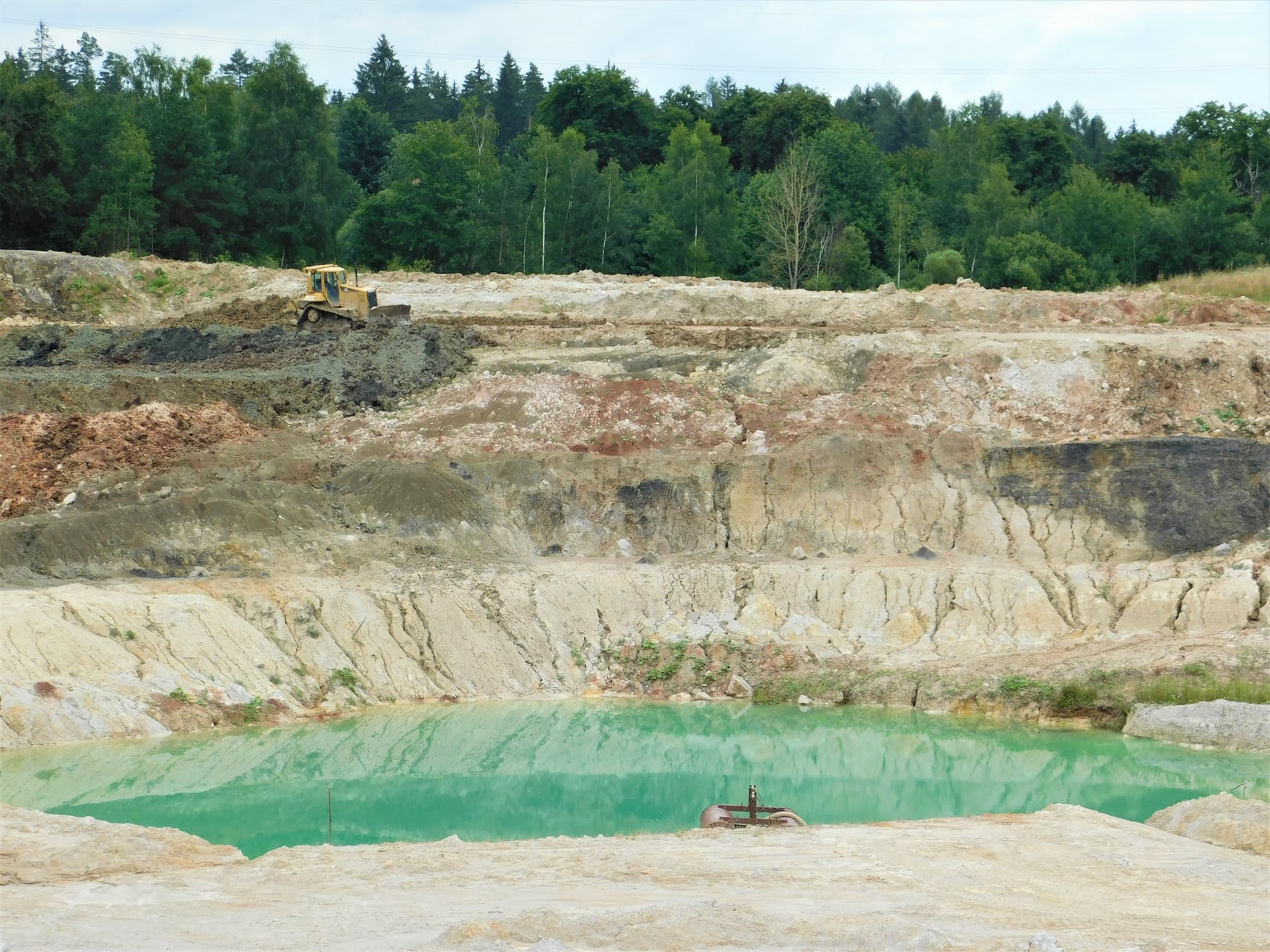
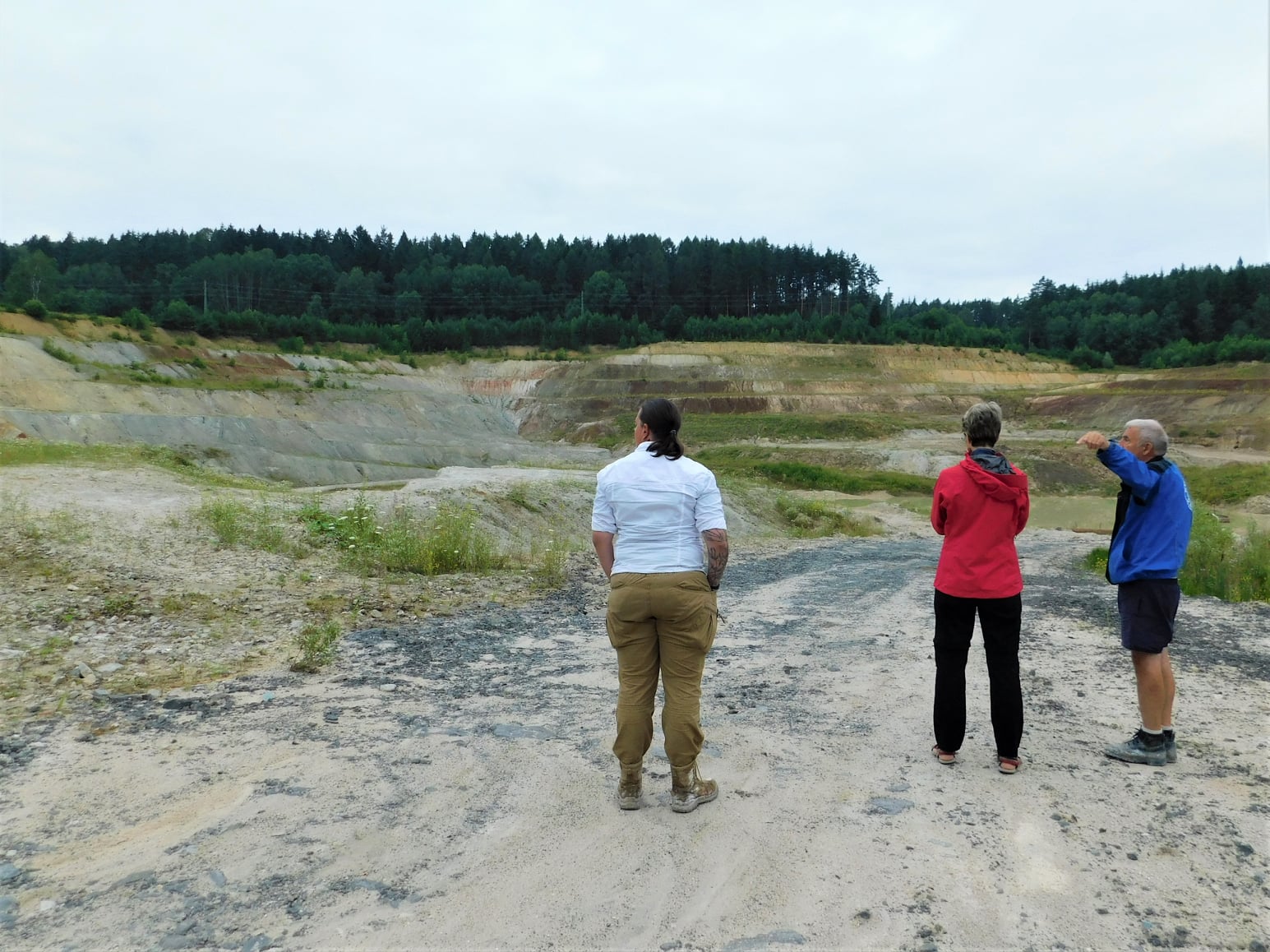
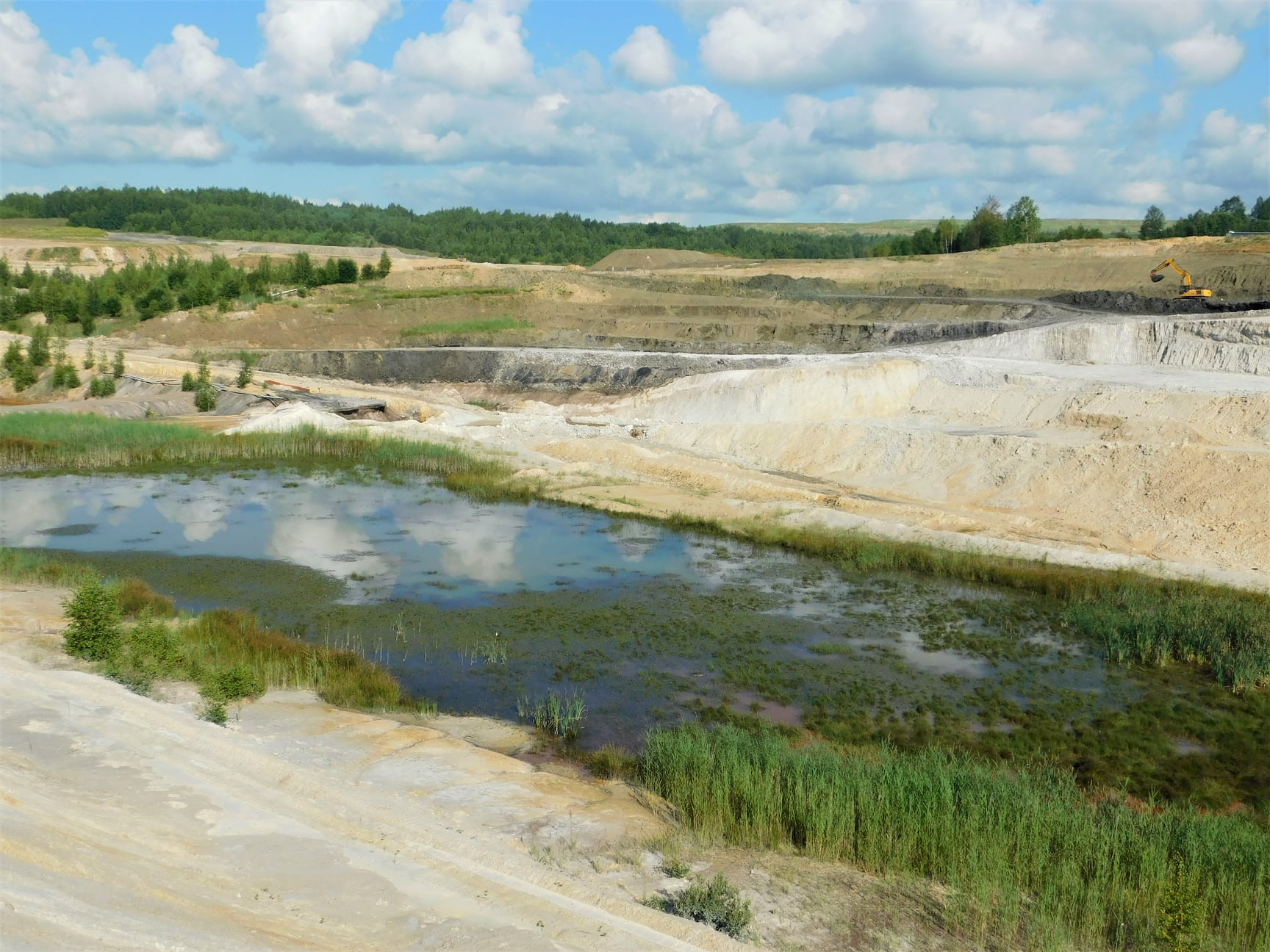 Summer is in its peak and you can hardly find a better place where to go than Carlsbad. It sounds tempting! This is exactly the place where kaolin mining sites are located - mining sites for which we have not compiled a succession sere of vegetation development yet. We managed to sample the vast majority of localities and enjoyed the beautiful scenery. Next year, we are going to visit very old mining sites, which are no longer visible on the maps. Thanks to the perfect knowledge of the history of mining provided by our local guide, we also have the exact age of the sites - what more could a restoration ecologist wish!
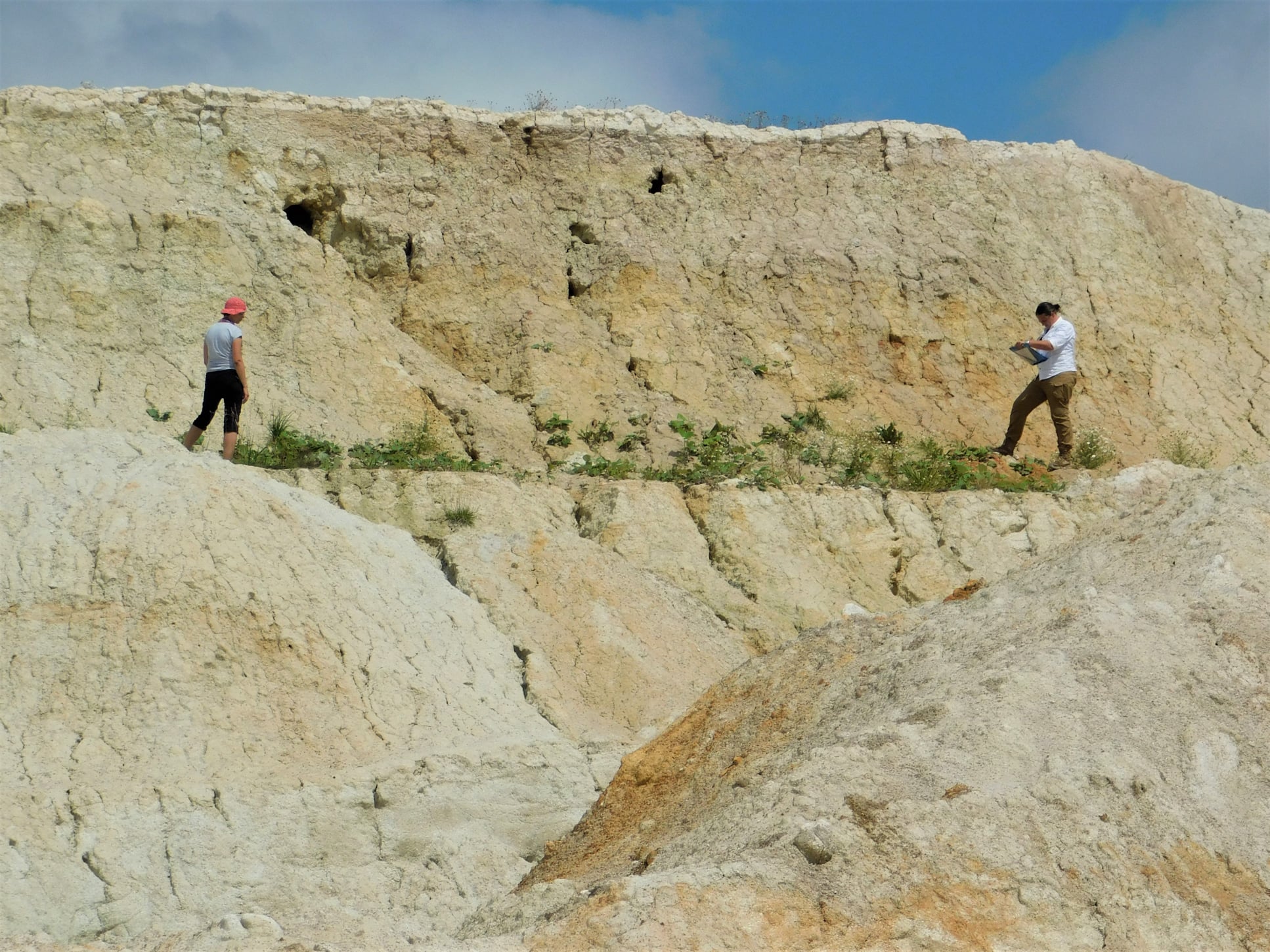
 In the former arable field in Milovice, where we transferred biomass three years ago, aurochs and horses have been grazing since this year. So far, the grazed part is only slightly bitten, but it is already clear from the photos that the biomass is lower. In plots with transferred biomass, target species are beginning to increase, together with desired species of herbs and grasses.
 Czech and German students have a now an opportunity to take part in exchange study stays thanks to the cooperation between the University of South Bohemia and the German Hochschule Anhalt within the Erasmus+ program. On the German side, the program is guaranteed by our colleagues, prof. Sabine Tischew and Dr. Anita Kirmer, with whom we have long-term cooperation. Students have the opportunity to study a bachelor or master degree in Nature Conservation and Landscape Planning. More information and online form can be found
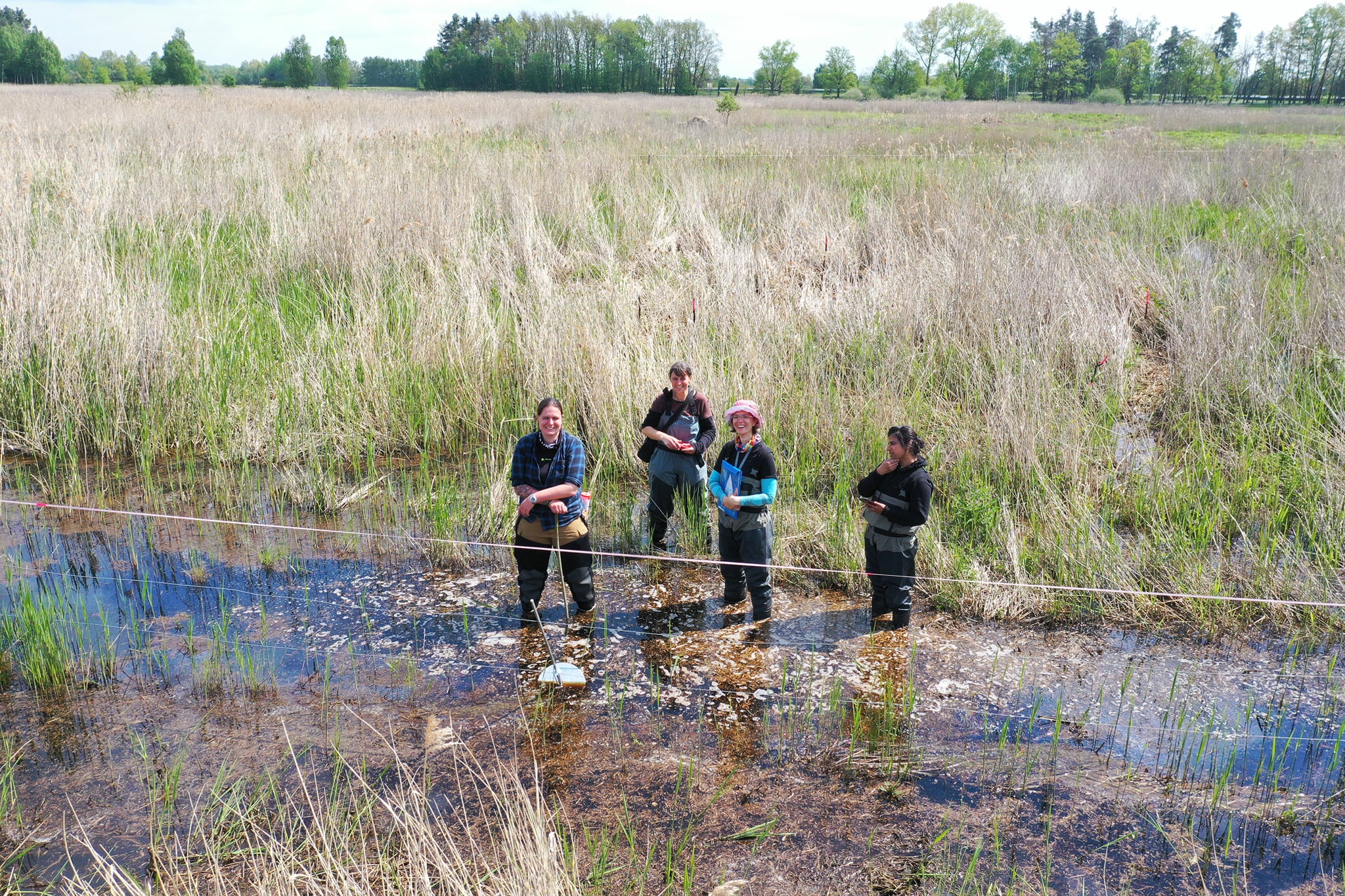 Last year, we included the first wetland localities among the areas where we monitor the effect of grazing on the vegetation development. Baroch is a new wetland locality where Exmoor ponies, specifically 11 males, have been grazing since autumn. We sampled Josefovské louky already the last year. In addition to horses, this time we met three aurochs, specifically one curious cub, its mother and another almost-mother. Even though everyone is already expecting the birth, it did not take place during our stay. There was really a lot of water this year, so we had a unique opportunity to put on our new outfits. We look good, don't we?